Skip to content
March 6, 2026
The Tech Trends
The Tech Trends
The Tech Trends
The Tech Trends
AI
AI Ethics
Automation
Deep Learning
Generative AI
Machine Learning
Robotics
Culture
Creator Economy
Digital Nomads
Internet Culture
Remote Work
Tech Careers
Tech Events
Future Trends
5G/6G Networks
BioTech
Metaverse
Quantum Computing
Space Tech
Sustainable Tech
Innovation
AgriTech
EdTech
FinTech
Green Tech
HealthTech
Smart Cities
Gadgets
AR/VR Devices
Drones
Health Tech
Smart Home
Smartphones
Wearables
Software
App Development
Cloud Computing
Cybersecurity
Open Source
Productivity Tools
SaaS
Startups
Disruptive Ideas
Founder Stories
Funding News
Startup Trends
Tech Launches
Unicorn Watch
Web3
Blockchain
Cryptocurrency
DAOs
Decentralization
NFTs
Smart Cities
March 6, 2026
The Tech Trends
AI
AI Ethics
Automation
Deep Learning
Generative AI
Machine Learning
Robotics
Culture
Creator Economy
Digital Nomads
Internet Culture
Remote Work
Tech Careers
Tech Events
Future Trends
5G/6G Networks
BioTech
Metaverse
Quantum Computing
Space Tech
Sustainable Tech
Innovation
AgriTech
EdTech
FinTech
Green Tech
HealthTech
Smart Cities
Gadgets
AR/VR Devices
Drones
Health Tech
Smart Home
Smartphones
Wearables
Software
App Development
Cloud Computing
Cybersecurity
Open Source
Productivity Tools
SaaS
Startups
Disruptive Ideas
Founder Stories
Funding News
Startup Trends
Tech Launches
Unicorn Watch
Web3
Blockchain
Cryptocurrency
DAOs
Decentralization
NFTs
Smart Cities
×
AI
The Tech Trends
AI
AI
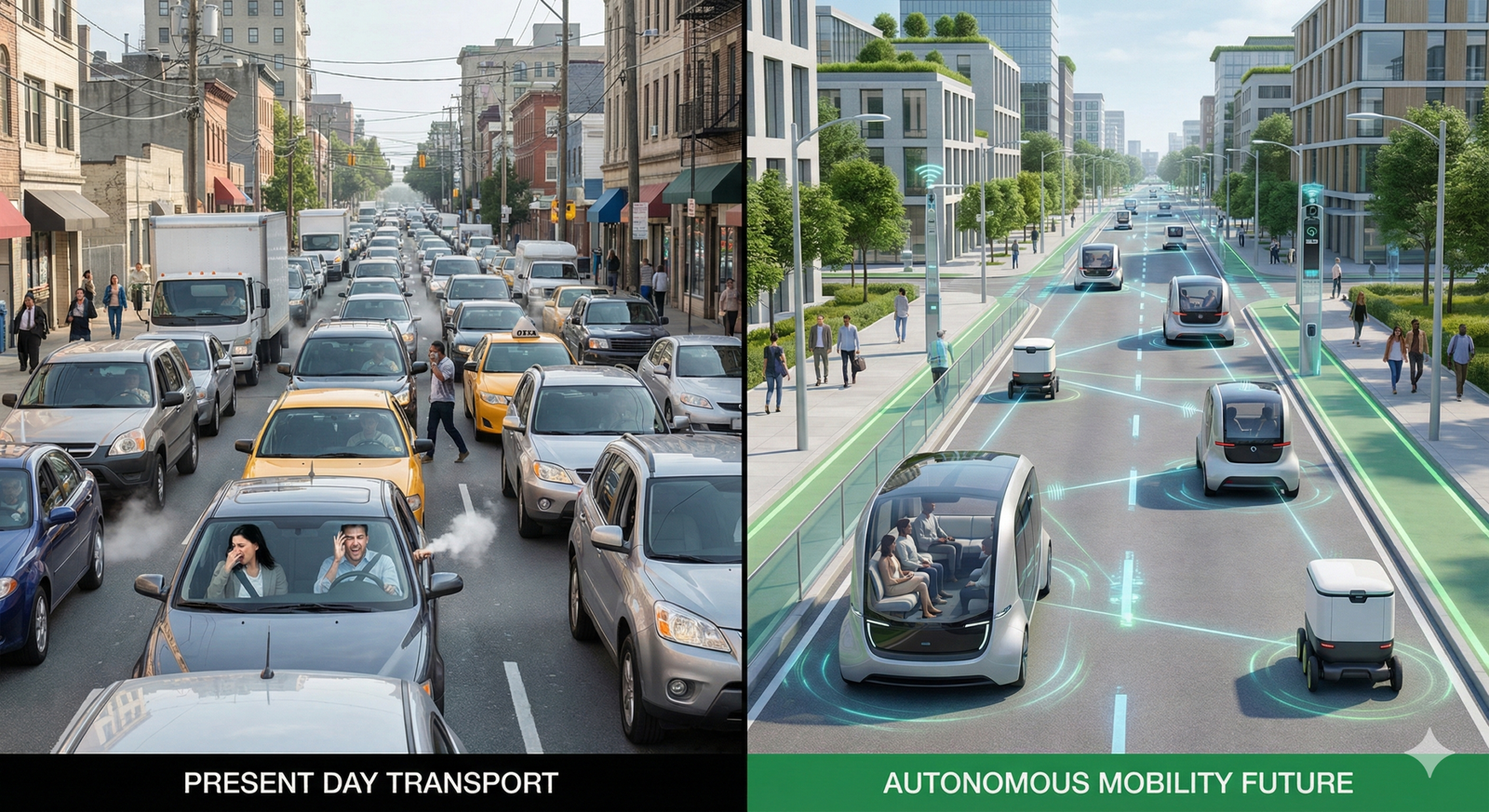
Autonomous Vehicles and AI‑Driven Mobility Services: The Future of Transport
by
Daniel Okafor
January 18, 2026
AI
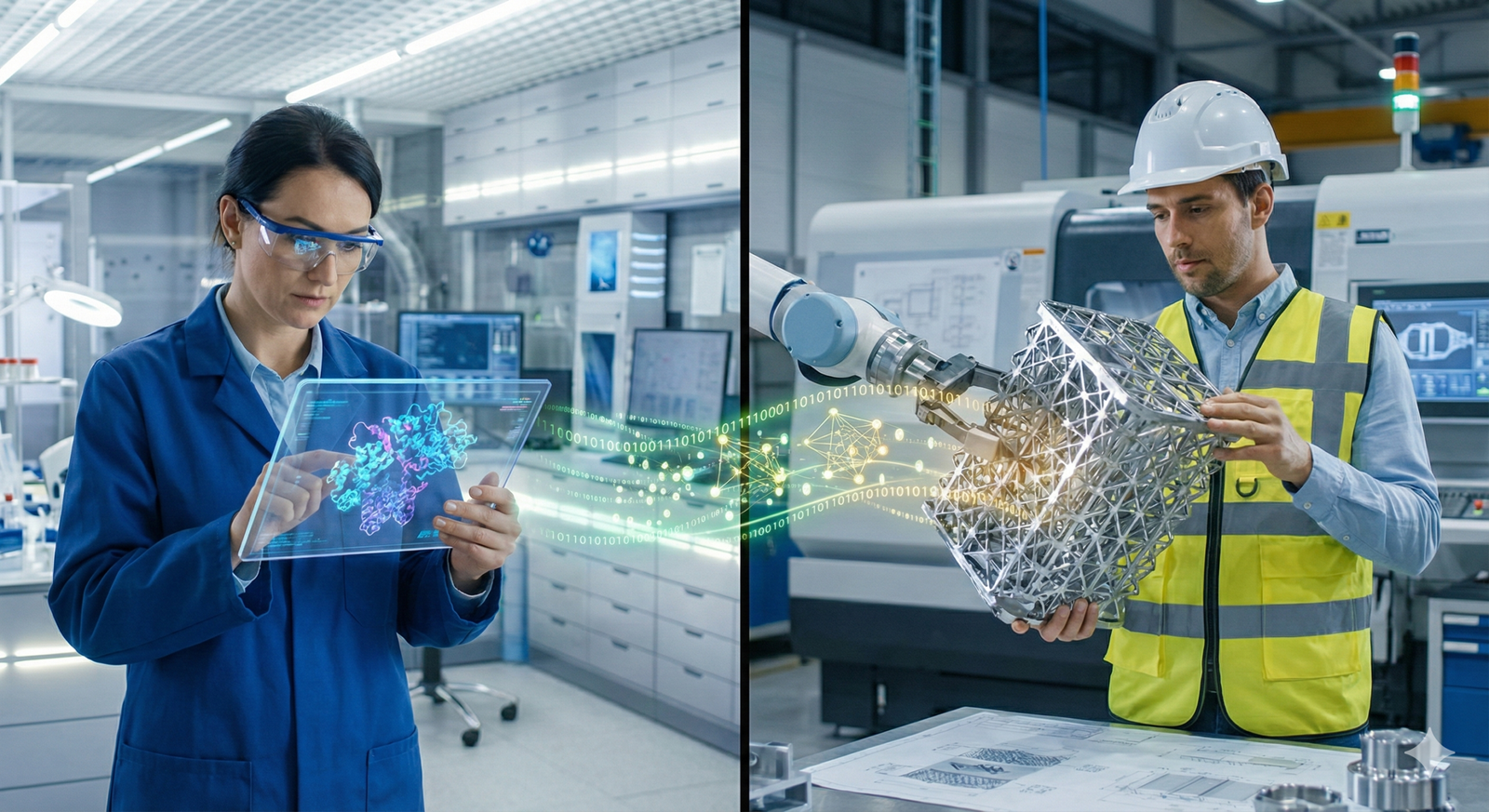
AI in Drug Discovery and Materials Science: A New Era of Design
by
Claire Mitchell
January 17, 2026
AI
AI Predictive Maintenance in Smart Factories: The 2026 Guide
by
Camila Duarte
January 17, 2026
AI
Explainable AI: Making Deep‑Learning Decisions Transparent to Users
by
Ayman Haddad
January 17, 2026
AI
AI for Supply Chain Optimization and Resilience: A 2026 Guide
by
Aurora Jensen
January 17, 2026
AI
Responsible AI in Hiring: A 2026 Guide for HR Leaders
by
Amy Jordan
January 17, 2026
AI
AI for Climate Modeling and Disaster Prediction: A Complete Guide
by
Zahra Khalid
January 16, 2026
AI
Federated Learning and Privacy-Preserving AI Across Edge Devices
by
Tomasz Zieliński
January 16, 2026
AI
Human-AI Collaboration: Why “Centaur Teams” Outperform Pure Automation
by
Sophie Williams
January 16, 2026
AI
Specialized AI Agents: Vertical AI for Law, Finance, Healthcare & Logistics
by
Sofia Petrou
January 16, 2026
AI
Security and Compliance for AI Agents in Regulated Industries (2026)
by
Rafael Ortega
January 16, 2026
AI
Sustainable AI Infrastructure: Innovations in Low-Power Chips and Energy Solutions
by
Priya Menon
January 15, 2026
AI
Robotics and AI Companions Entering Homes and Care Facilities
by
Oliver Grant
January 15, 2026
AI
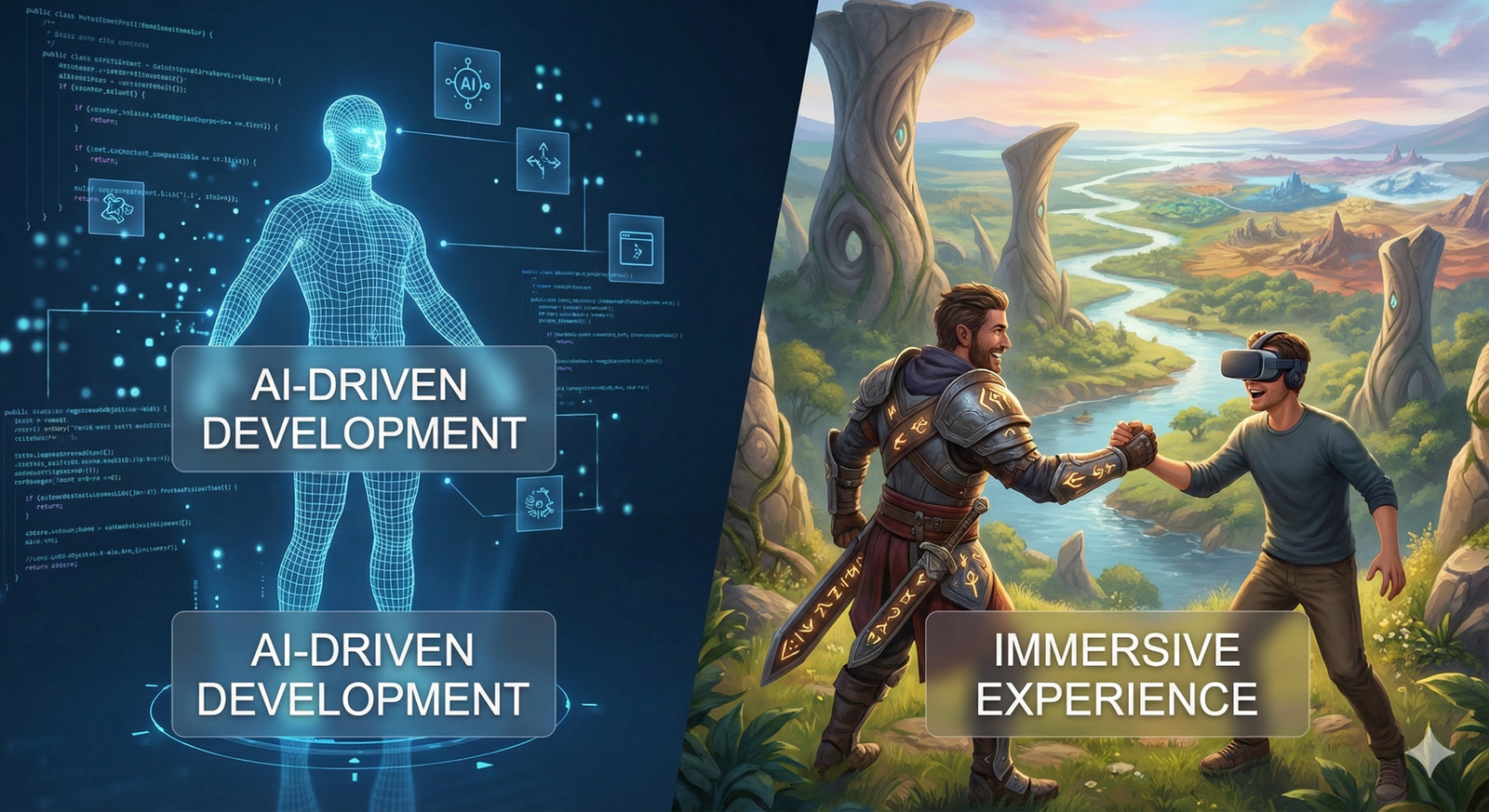
AI in Gaming: The Future of Immersive Experiences and Dynamic Storytelling
by
Noah Berg
January 15, 2026
AI
Agentic AI in Customer Service: Chatbots That Handle Purchases, Disputes and Full Workflows
by
Mei Chen
January 15, 2026
1
...
7
8
9
10
11
12
Table of Contents
×
Who This Guide Is For (and Who It Isn’t)
Key Takeaways
Defining the Landscape: Autonomous Vehicles and AI Mobility
What are Autonomous Vehicles (AVs)?
What is AI-Driven Mobility?
The 6 Levels of Vehicle Autonomy
Level 0: No Automation
Level 1: Driver Assistance
Level 2: Partial Automation
Level 3: Conditional Automation
Level 4: High Automation
Level 5: Full Automation
Under the Hood: Key Technologies Powering AVs
1. LiDAR (Light Detection and Ranging)
2. Radar (Radio Detection and Ranging)
3. Computer Vision (Cameras)
4. Artificial Intelligence and Machine Learning
5. V2X Communication (Vehicle-to-Everything)
The Rise of Mobility-as-a-Service (MaaS)
The Robotaxi Model
Automated Public Transit
Freight and Logistics
Benefits of an AI-Driven Mobility Ecosystem
1. Safety Improvements
2. Traffic Efficiency and Environmental Impact
3. Accessibility and Social Equity
4. Productivity Gains
Safety and Ethical Considerations
The “Trolley Problem” in Real Life
Cybersecurity Risks
The “Black Box” Problem
Regulatory and Infrastructure Challenges
Legal Liability
Infrastructure Readiness
Weather Limitations
Real-World Implementation: What This Looks Like in Practice
Scenario A: The Urban Commuter
Scenario B: The Smart Logistics Hub
Economic Impact and the Future Workforce
Industries at Risk
New Opportunities
The Impact on Real Estate
Common Mistakes and Misconceptions
Mistake 1: “Self-Driving Cars Will Be Perfect Immediately”
Mistake 2: “I Can Sleep in My Tesla Today”
Mistake 3: “The Moral Dilemma is the Biggest Hurdle”
The Road Ahead: A Timeline for Mass Adoption
Phase 1: Geofenced Commercial Deployment (Current – 2028)
Phase 2: Expansion and Integration (2028 – 2035)
Phase 3: Ubiquity (2035+)
Related Topics to Explore
Conclusion
FAQs
1. Are autonomous vehicles safe for pedestrians?
2. Can autonomous vehicles drive in the snow?
3. How much will an autonomous ride cost compared to Uber or Lyft?
4. Will I need a driver’s license in the future?
5. Can autonomous vehicles be hacked?
6. What happens if an autonomous car gets confused?
7. Do autonomous vehicles use gas or electricity?
8. What is the difference between ADAS and AV?
9. How do autonomous cars navigate without GPS?
10. Who is leading the race in autonomous vehicles?
11. Will autonomous trucks replace truck drivers?
12. What is V2X?
References
←
Table of Contents