Skip to content
September 18, 2026
The Tech Trends
The Tech Trends
The Tech Trends
The Tech Trends
AI
AI Ethics
Automation
Deep Learning
Generative AI
Machine Learning
Robotics
Culture
Creator Economy
Digital Nomads
Internet Culture
Remote Work
Tech Careers
Tech Events
Future Trends
5G/6G Networks
BioTech
Metaverse
Quantum Computing
Space Tech
Sustainable Tech
Innovation
AgriTech
EdTech
FinTech
Green Tech
HealthTech
Smart Cities
Gadgets
AR/VR Devices
Drones
Health Tech
Smart Home
Smartphones
Wearables
Software
App Development
Cloud Computing
Cybersecurity
Open Source
Productivity Tools
SaaS
Startups
Disruptive Ideas
Founder Stories
Funding News
Startup Trends
Tech Launches
Unicorn Watch
Web3
Blockchain
Cryptocurrency
DAOs
Decentralization
NFTs
Smart Cities
September 18, 2026
The Tech Trends
AI
AI Ethics
Automation
Deep Learning
Generative AI
Machine Learning
Robotics
Culture
Creator Economy
Digital Nomads
Internet Culture
Remote Work
Tech Careers
Tech Events
Future Trends
5G/6G Networks
BioTech
Metaverse
Quantum Computing
Space Tech
Sustainable Tech
Innovation
AgriTech
EdTech
FinTech
Green Tech
HealthTech
Smart Cities
Gadgets
AR/VR Devices
Drones
Health Tech
Smart Home
Smartphones
Wearables
Software
App Development
Cloud Computing
Cybersecurity
Open Source
Productivity Tools
SaaS
Startups
Disruptive Ideas
Founder Stories
Funding News
Startup Trends
Tech Launches
Unicorn Watch
Web3
Blockchain
Cryptocurrency
DAOs
Decentralization
NFTs
Smart Cities
×
AI
The Tech Trends
AI
AI
Robotics
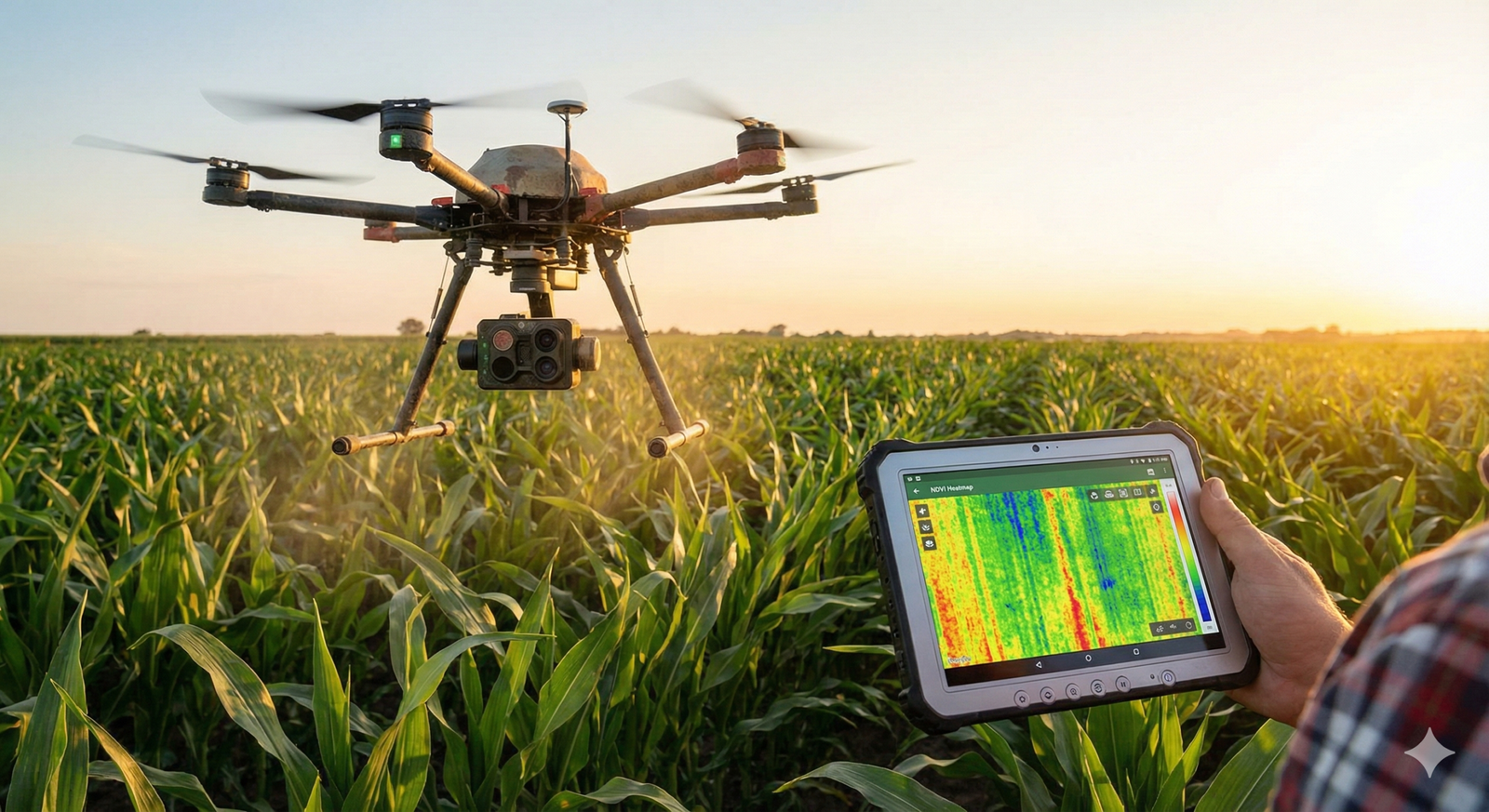
AI Drones for Precision Agriculture: The Complete Guide (2026)
by
Isabella Rossi
February 1, 2026
AI
Robotics
Soft Robotics Inspired by Biological Organisms
by
Hiroshi Tanaka
January 31, 2026
AI
Robotics
Strength-Enhancing Exoskeleton Suits: The Complete 2026 Guide
by
Emma Hawkins
January 31, 2026
AI
Robotics
Collaborative Robots in Manufacturing: The Complete Guide (2026)
by
Daniel Okafor
January 31, 2026
AI
Robotics
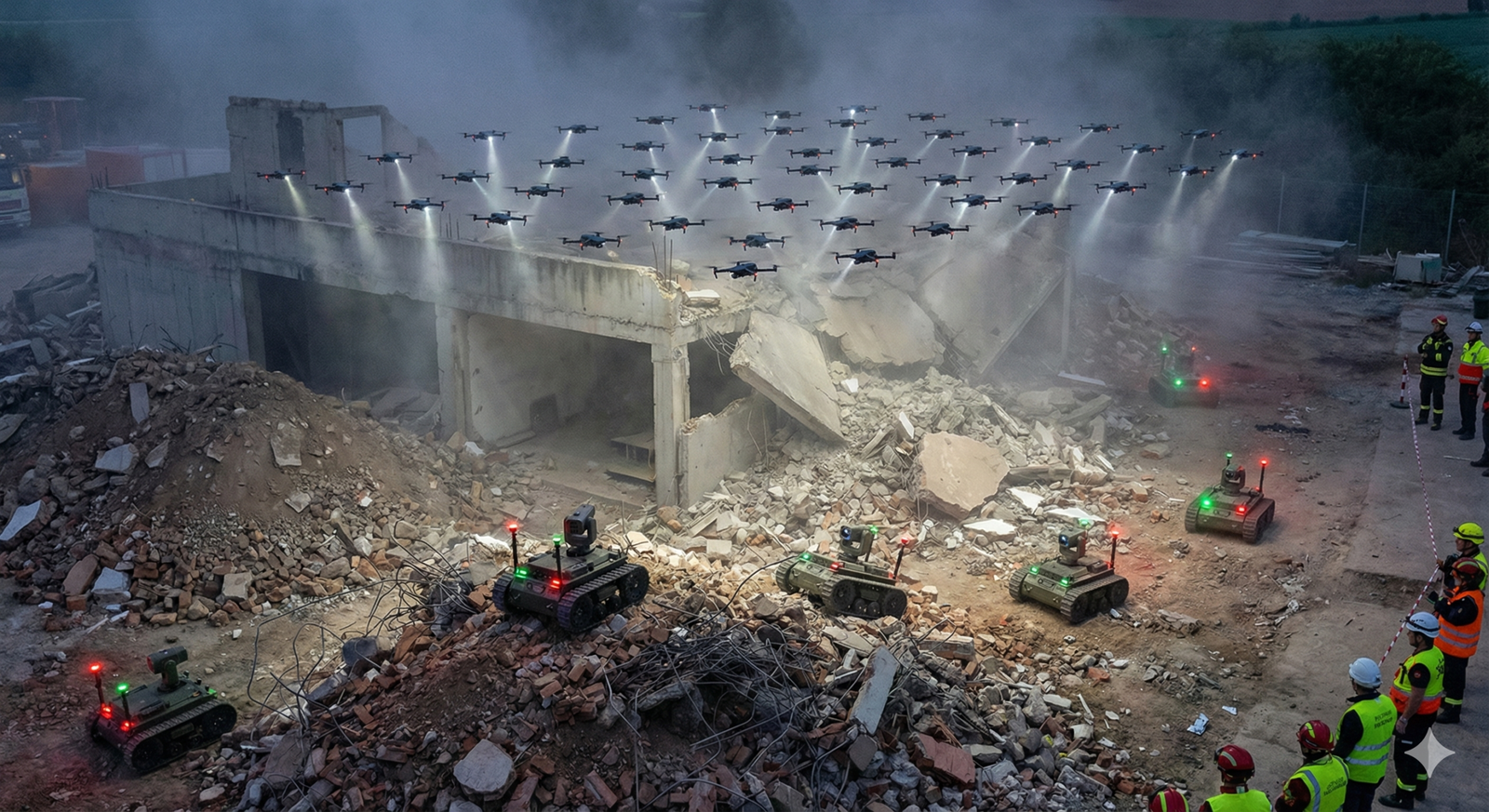
Swarm Robotics for Search and Rescue: The Future of Disaster Response
by
Claire Mitchell
January 31, 2026
AI
Robotics
Social Robots in Elder Care: A Comprehensive Guide to Therapy & Companionship
by
Camila Duarte
January 31, 2026
AI
Machine Learning
Semi-Supervised Learning: Maximizing Value from Small Labeled Datasets
by
Aurora Jensen
January 30, 2026
AI
Machine Learning
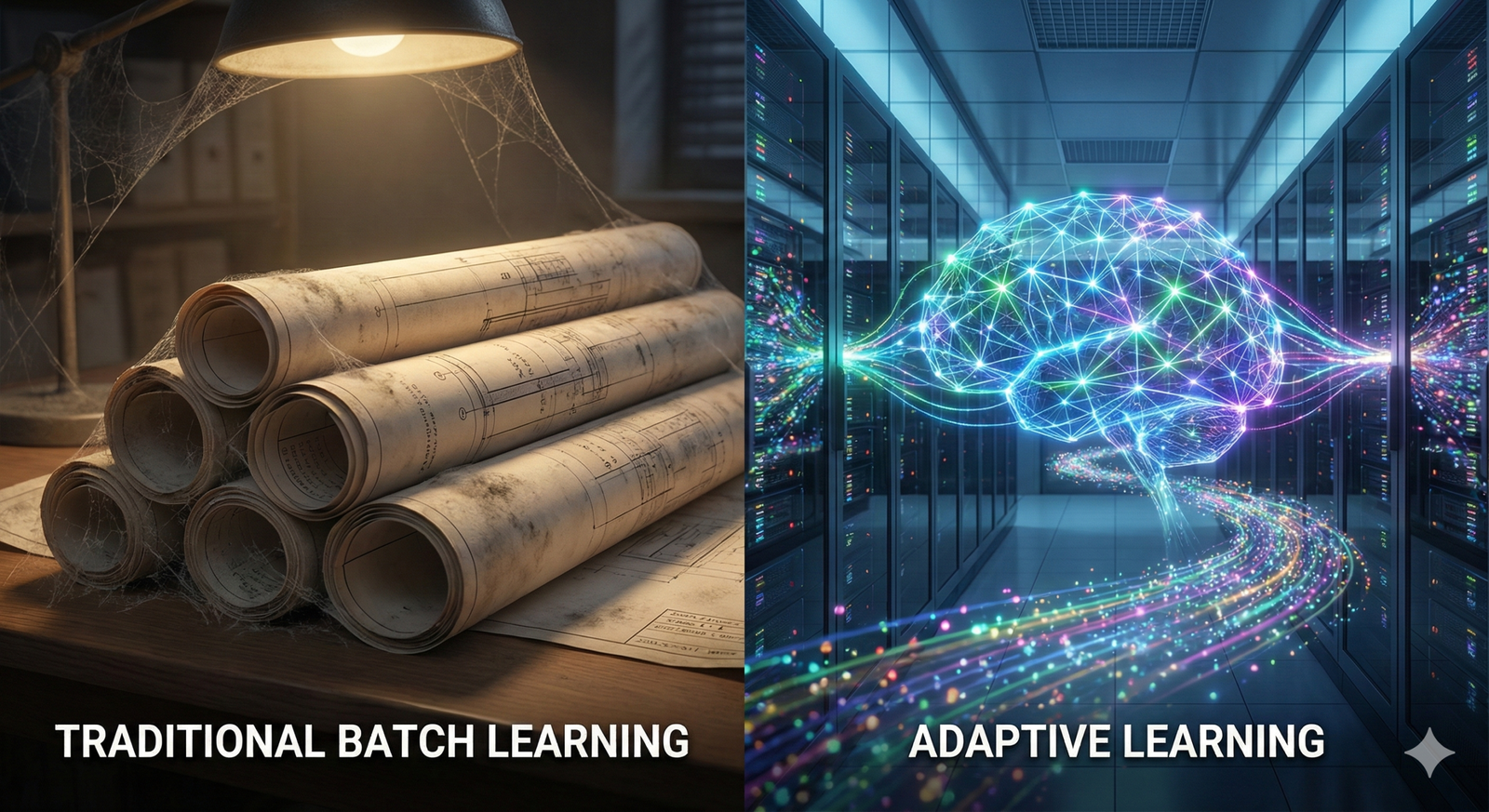
Adaptive Learning Algorithms: How Models Learn on the Fly
by
Ayman Haddad
January 30, 2026
AI
Machine Learning
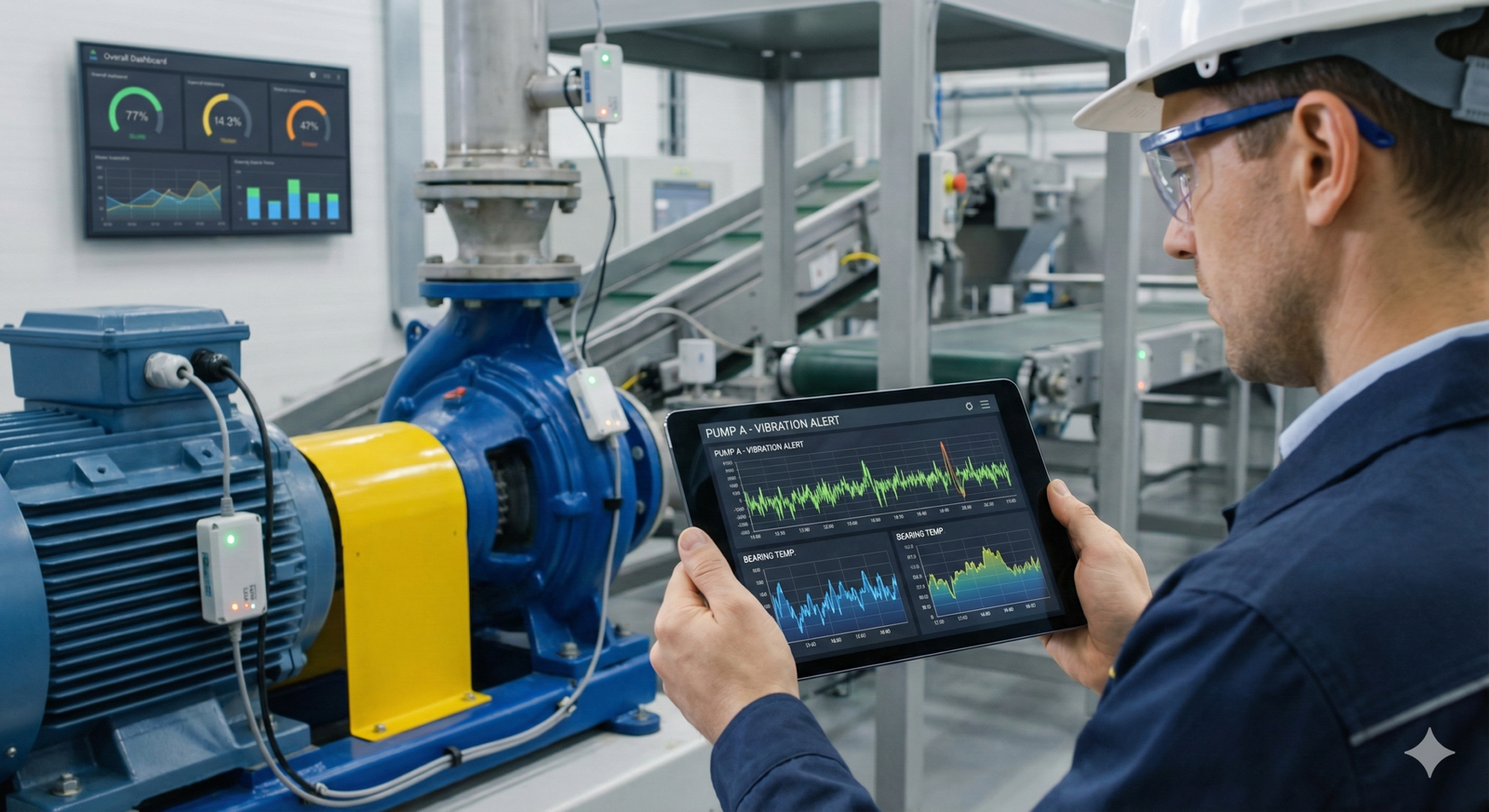
Predictive Maintenance Machine Learning: Anomaly Detection Guide
by
Amy Jordan
January 30, 2026
AI
Machine Learning
Explainable ML Dashboards for Business Users: A Strategic Guide
by
Zahra Khalid
January 30, 2026
AI
Machine Learning
ML Fairness Auditing and Tooling: A Guide to Ethical AI Models
by
Tomasz Zieliński
January 30, 2026
AI
Machine Learning
Causal Inference Guide: Understanding Cause vs. Correlation
by
Sophie Williams
January 29, 2026
AI
Machine Learning
Transfer Learning Across Domains: Bridging Vision and Text Models
by
Sofia Petrou
January 29, 2026
AI
Machine Learning
ML Model Governance and Lifecycle Management: A Complete Guide
by
Rafael Ortega
January 29, 2026
AI
Machine Learning
Federated Learning for Healthcare and Finance: Unlocking Data Silos Securely
by
Priya Menon
January 29, 2026
1
...
5
6
7
8
9
...
15
Table of Contents
×
Key Takeaways
Who This Is For (And Who It Isn’t)
What Are AI-Guided Drones?
The Core Tech Stack
How Computer Vision and Sensors Power Smart Farming
Multispectral Imaging and NDVI
Thermal Imagery for Water Management
RGB and Morphology Analysis
Key Applications in Modern Farming
1. Soil and Field Analysis
2. Crop Health Monitoring (Scouting)
3. Precision Spraying and Weeding
4. Yield Estimation
5. Livestock Management
The Workflow: From Flight Planning to Actionable Insights
Phase 1: Mission Planning
Phase 2: Data Acquisition
Phase 3: Processing and Stitching
Phase 4: AI Analysis and Prescription
Benefits of Integrating AI Drones
Increased Efficiency and Speed
Cost Reduction (Inputs)
Environmental Stewardship
Data-Driven Decisions
Challenges and Limitations
Battery Life and Flight Time
Data Volume and Connectivity
Weather Dependency
Complexity of Interpretation
Regulatory Landscape and Safety
United States (FAA)
European Union (EASA)
Safety Considerations
Cost Considerations and ROI Analysis
Hardware Costs
Software and Processing
Return on Investment (ROI)
Best Practices for Implementation
1. Start with the Problem, Not the Drone
2. Master Data Management Early
3. Integrate with Ground Machinery
4. Respect the Learning Curve
Future Trends: Swarms and Autonomy
Drone-in-a-Box (DiaB)
Swarm Technology
Hyper-Local Weather Modeling
Related Topics to Explore
Conclusion
FAQs
References
←
Table of Contents