Small Business Cybersecurity Checklist: 20 Controls That Cover 90 Percent of Risk
Ninety percent of small business cyber risk is closed by a short list of concrete controls, not by buying more security products. This


Ninety percent of small business cyber risk is closed by a short list of concrete controls, not by buying more security products. This

Security patrol robots measurably reduce incidents but raise real privacy questions. Deployment data shows 30 to 50 percent reductions in trespassing, theft, and
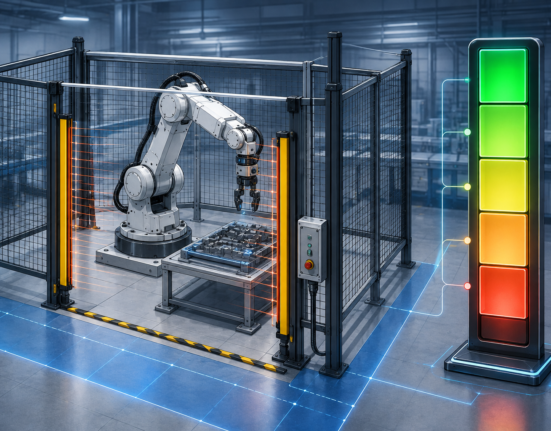
ISO 13849 grades the reliability of a robot’s safety-related control functions on a scale from Performance Level a to e, not the robot

AI is being woven directly into CI/CD pipelines to triage failures, decide on rollbacks, and draft release notes. Instead of only running scripted

AI rollouts fail on adoption, not technology. Effective ai change management addresses fear of replacement directly, trains for real workflows rather than generic

An ML platform team succeeds when it is chartered as a product organization, not a ticket queue. The first 90 days should focus

NIST AI RMF and ISO 42001 solve different problems and work best together, not as competitors. NIST AI RMF is voluntary, non-certifiable guidance

Instead of computing deterministically, a probabilistic computing chip uses controlled hardware randomness to run generative AI algorithms directly — and one 2025 design

Of the three ways to make several agents agree, voting is overused, debate is theater more often than substance, and adjudication by an

Neural systems recognise patterns and cannot guarantee rules. Symbolic systems guarantee rules and cannot handle ambiguity. Neuro-symbolic architectures assign each what it is

The MTEB authors benchmarked 33 models and found none dominated across all tasks. So leaderboard rank cannot pick your embedding model. Here is
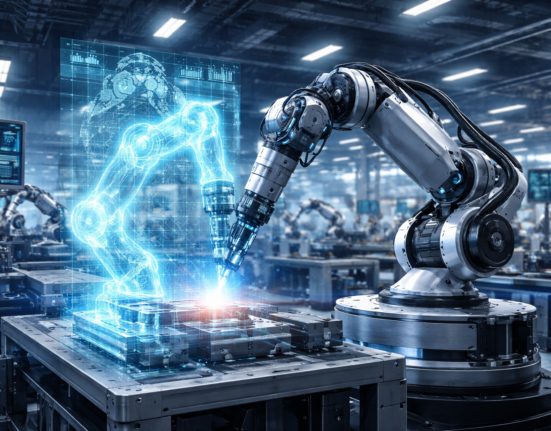
As of March 2026, the global industrial landscape is undergoing its most significant transformation since the steam engine. We are moving away from
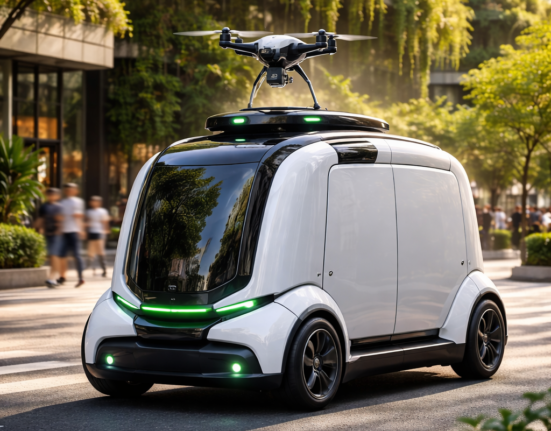
The logistics industry is currently navigating its most significant transformation since the invention of the shipping container. At the heart of this shift
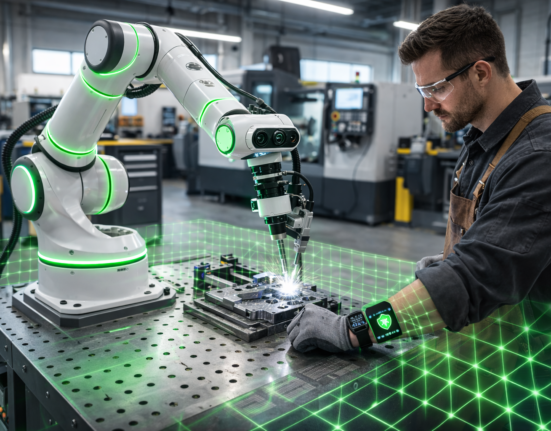
As of March 2026, the industrial landscape has shifted from “automation behind cages” to a fluid, integrated environment where humans and machines share

As of February 2026, the global corporate landscape has split into two distinct camps: those that use AI as a tool and those