Skip to content
November 21, 2026
The Tech Trends
The Tech Trends
The Tech Trends
The Tech Trends
AI
AI Ethics
Automation
Deep Learning
Generative AI
Machine Learning
Robotics
Culture
Creator Economy
Digital Nomads
Internet Culture
Remote Work
Tech Careers
Tech Events
Future Trends
5G/6G Networks
BioTech
Metaverse
Quantum Computing
Space Tech
Sustainable Tech
Innovation
AgriTech
EdTech
FinTech
Green Tech
HealthTech
Smart Cities
Gadgets
AR/VR Devices
Drones
Health Tech
Smart Home
Smartphones
Wearables
Software
App Development
Cloud Computing
Cybersecurity
Open Source
Productivity Tools
SaaS
Startups
Disruptive Ideas
Founder Stories
Funding News
Startup Trends
Tech Launches
Unicorn Watch
Web3
Blockchain
Cryptocurrency
DAOs
Decentralization
NFTs
Smart Cities
November 21, 2026
The Tech Trends
AI
AI Ethics
Automation
Deep Learning
Generative AI
Machine Learning
Robotics
Culture
Creator Economy
Digital Nomads
Internet Culture
Remote Work
Tech Careers
Tech Events
Future Trends
5G/6G Networks
BioTech
Metaverse
Quantum Computing
Space Tech
Sustainable Tech
Innovation
AgriTech
EdTech
FinTech
Green Tech
HealthTech
Smart Cities
Gadgets
AR/VR Devices
Drones
Health Tech
Smart Home
Smartphones
Wearables
Software
App Development
Cloud Computing
Cybersecurity
Open Source
Productivity Tools
SaaS
Startups
Disruptive Ideas
Founder Stories
Funding News
Startup Trends
Tech Launches
Unicorn Watch
Web3
Blockchain
Cryptocurrency
DAOs
Decentralization
NFTs
Smart Cities
×
AI
The Tech Trends
AI
AI
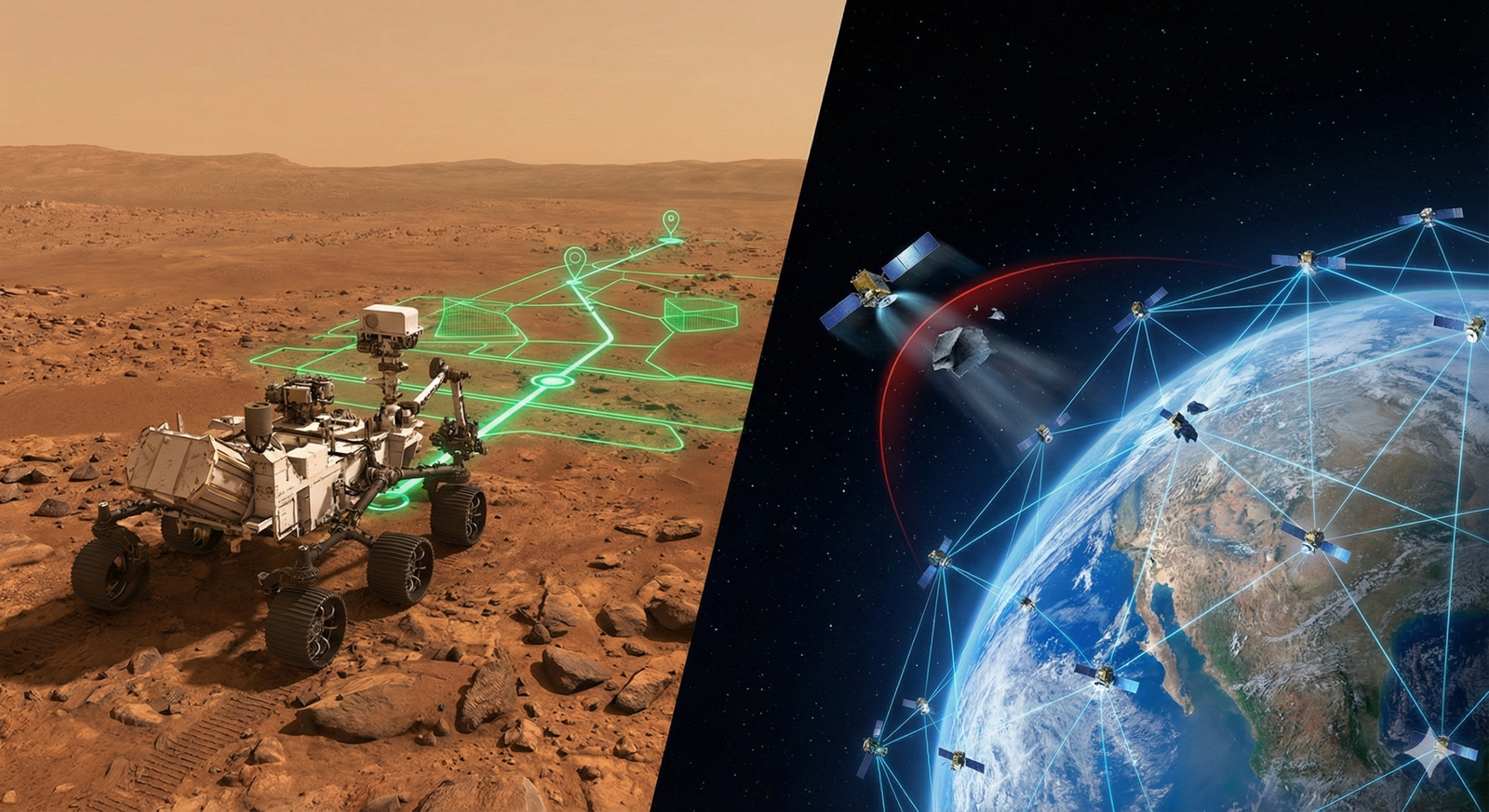
AI in Space Exploration: Autonomous Spacecraft & Satellite Management (2026)
by
Laura Bradley
January 23, 2026
AI
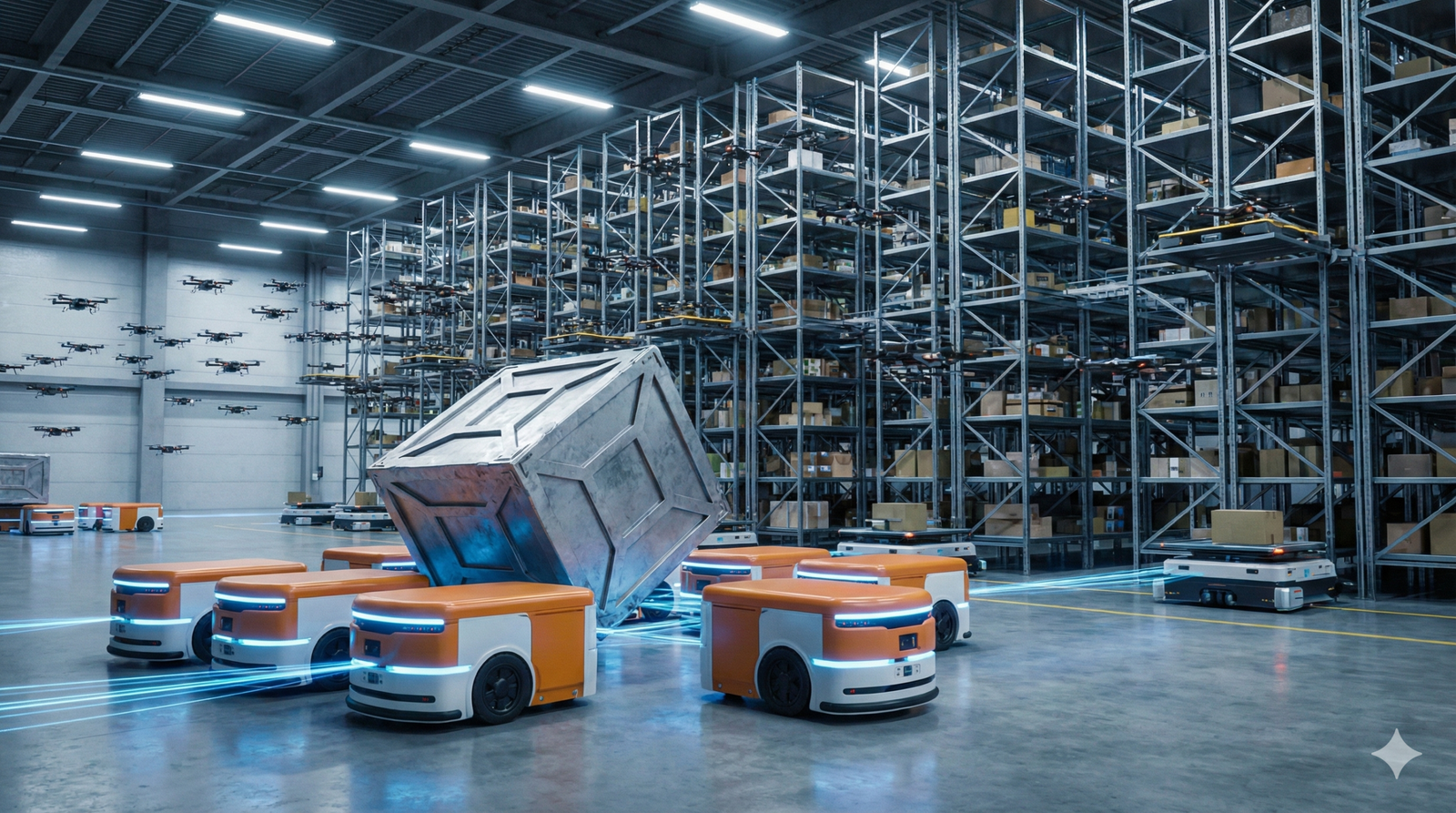
Multi-Agent Systems Collaborating in Complex Environments
by
Isabella Rossi
January 23, 2026
AI
The Future of Agentic AI Licensing: Who Owns and Controls AI Agents?
by
Hiroshi Tanaka
January 22, 2026
AI
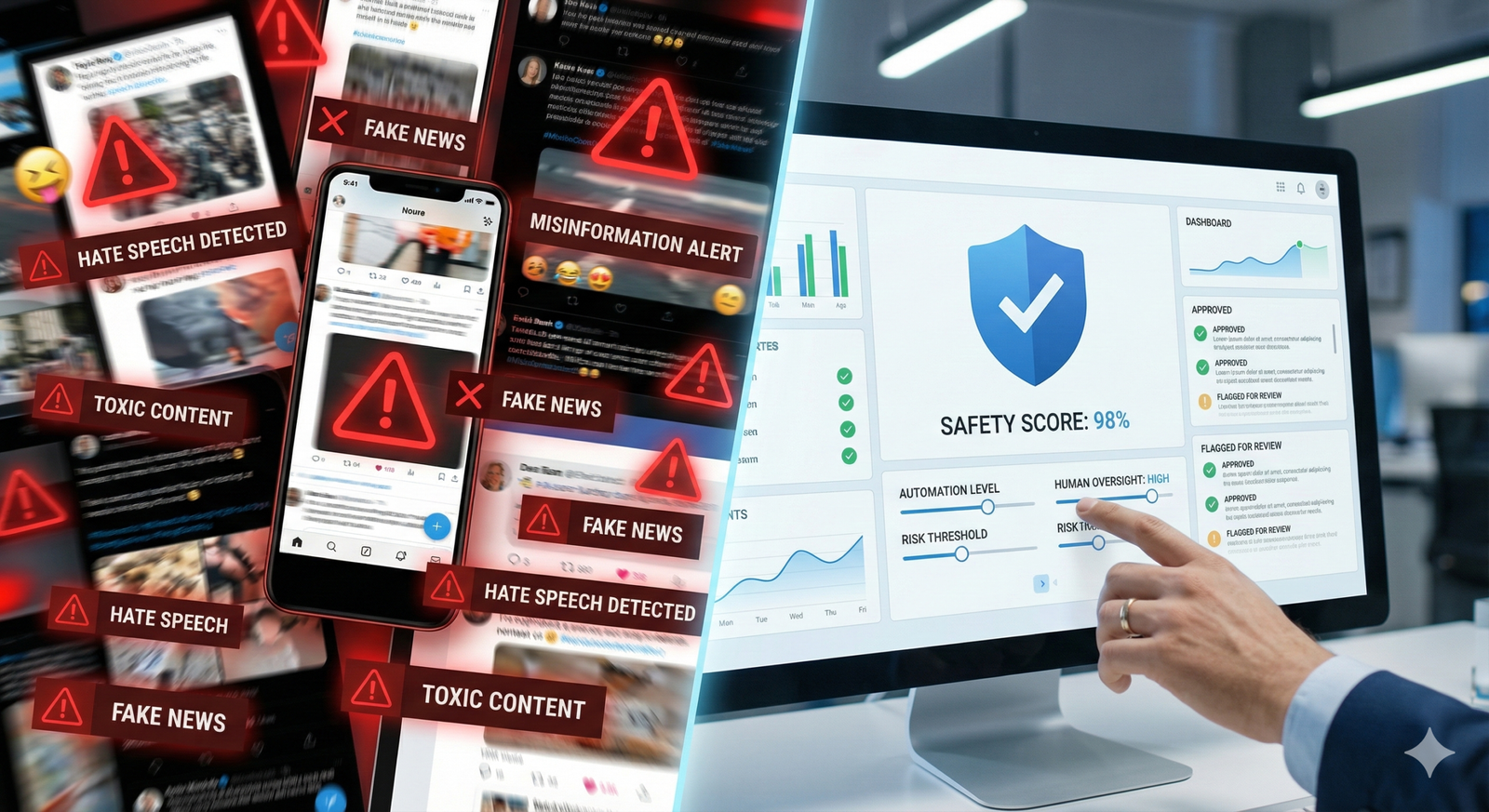
AI Content Moderation: Combating Misinformation and Toxic Speech
by
Emma Hawkins
January 22, 2026
AI
AI for Fraud Detection in Fintech: Real‑Time Adaptive Security
by
Daniel Okafor
January 22, 2026
AI
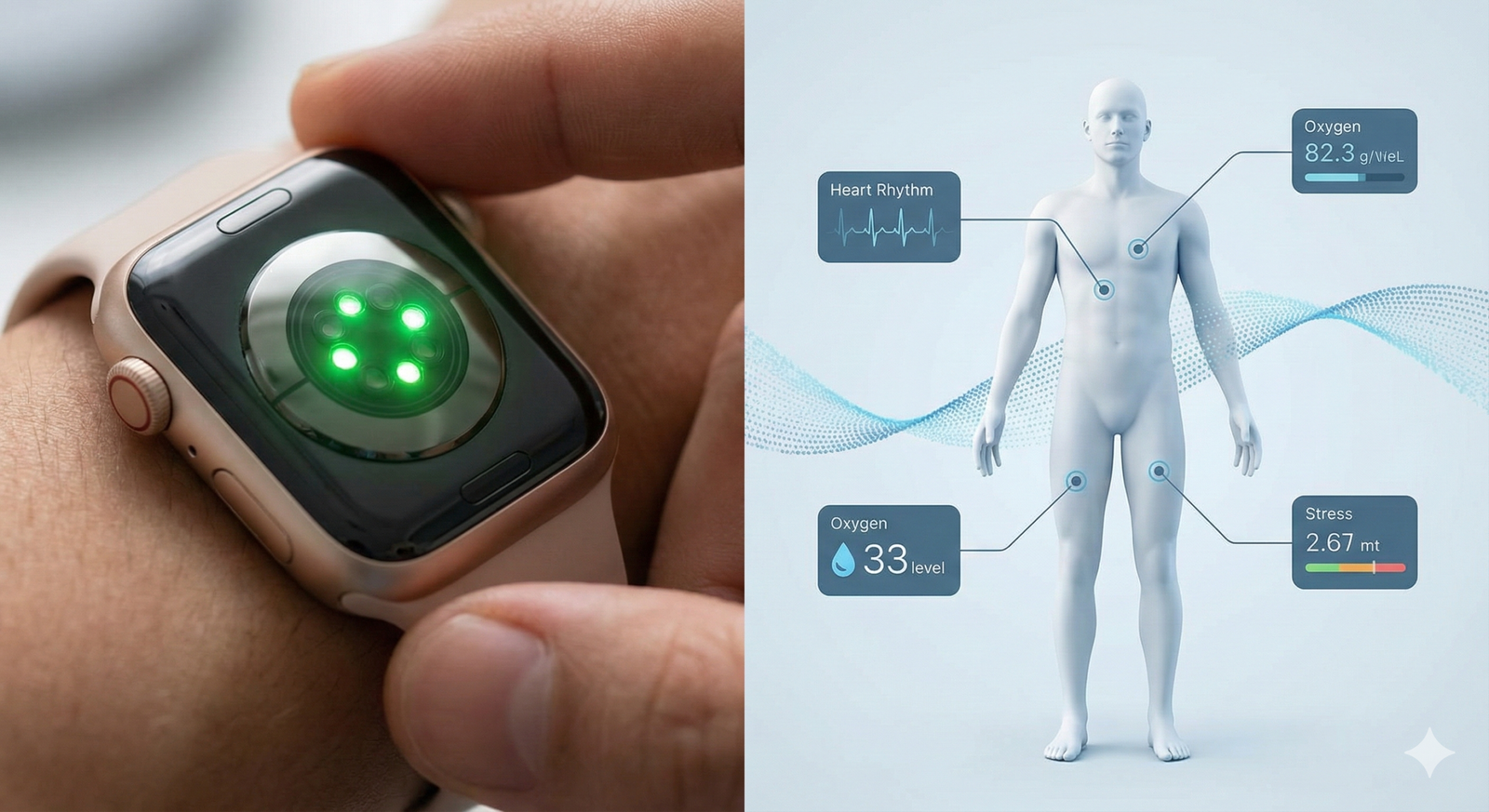
AI‑Enhanced Wearables and Health‑Monitoring Devices
by
Claire Mitchell
January 22, 2026
AI
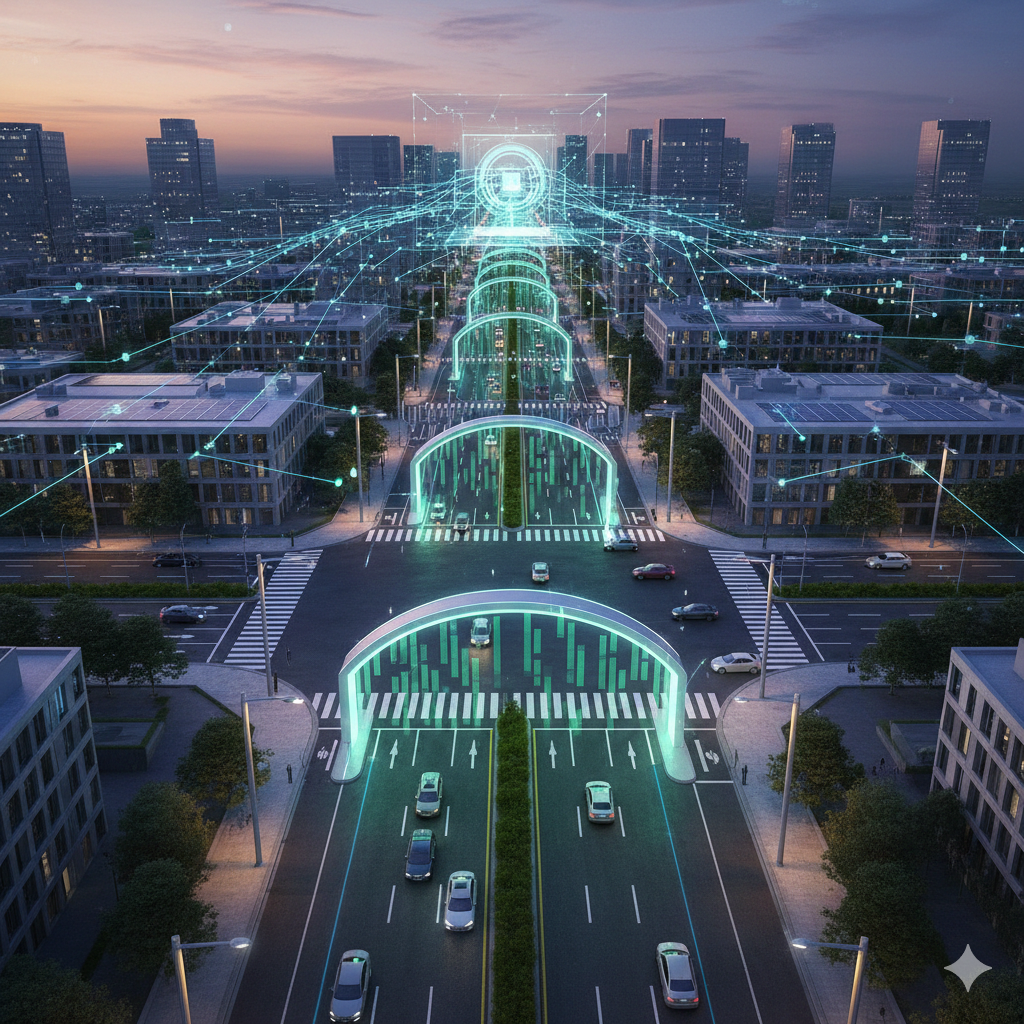
AI for Smart Cities: Traffic Management and Energy Optimization
by
Camila Duarte
January 22, 2026
AI
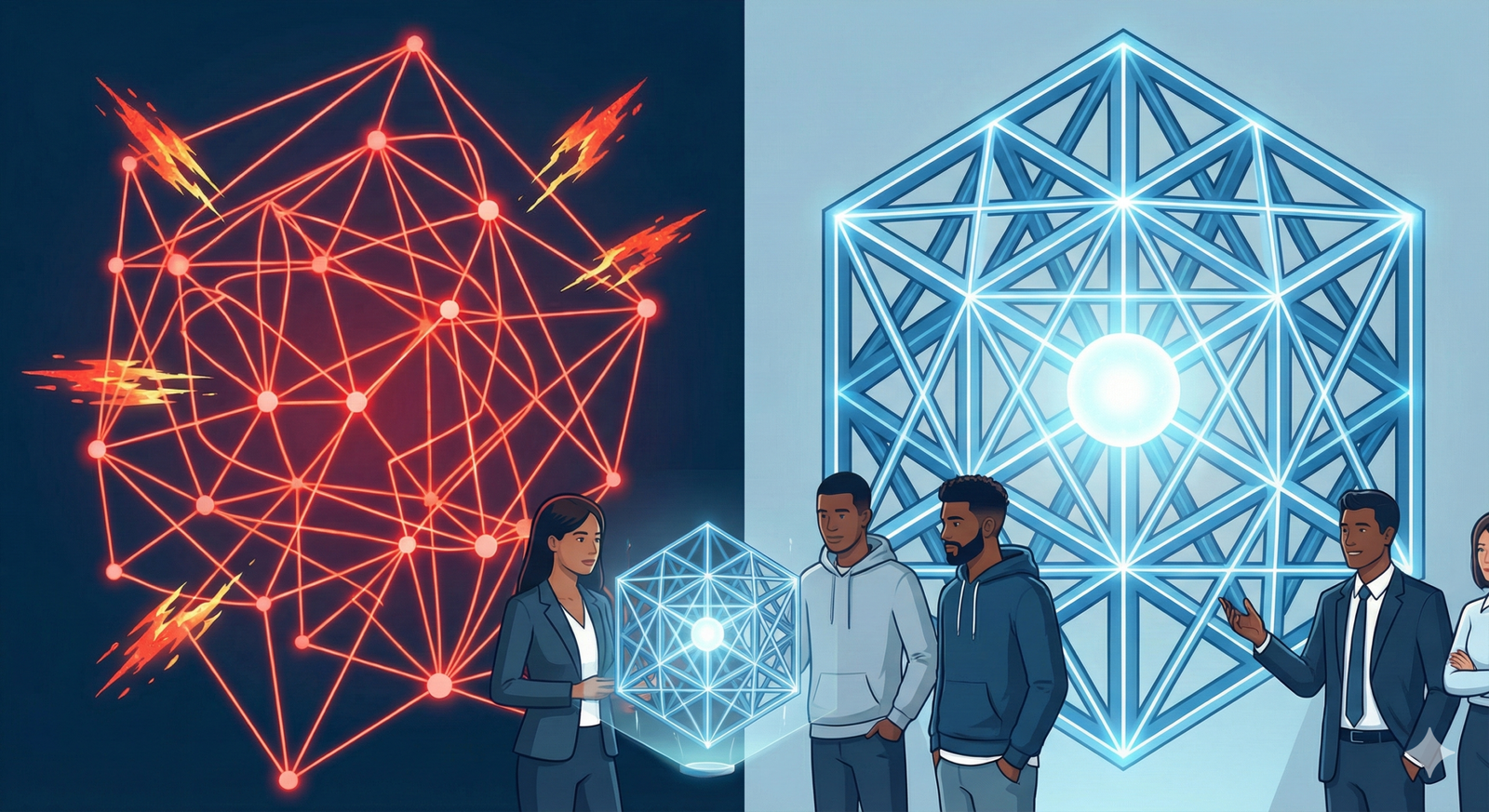
AI Governance Frameworks: Global Initiatives for Ethical AI
by
Ayman Haddad
January 21, 2026
AI
AI Chatbots in Education: Reducing Teacher Workload & Burnout (2026)
by
Aurora Jensen
January 21, 2026
AI
Adaptive Marketing: AI Personalizing Content at Scale
by
Amy Jordan
January 21, 2026
AI
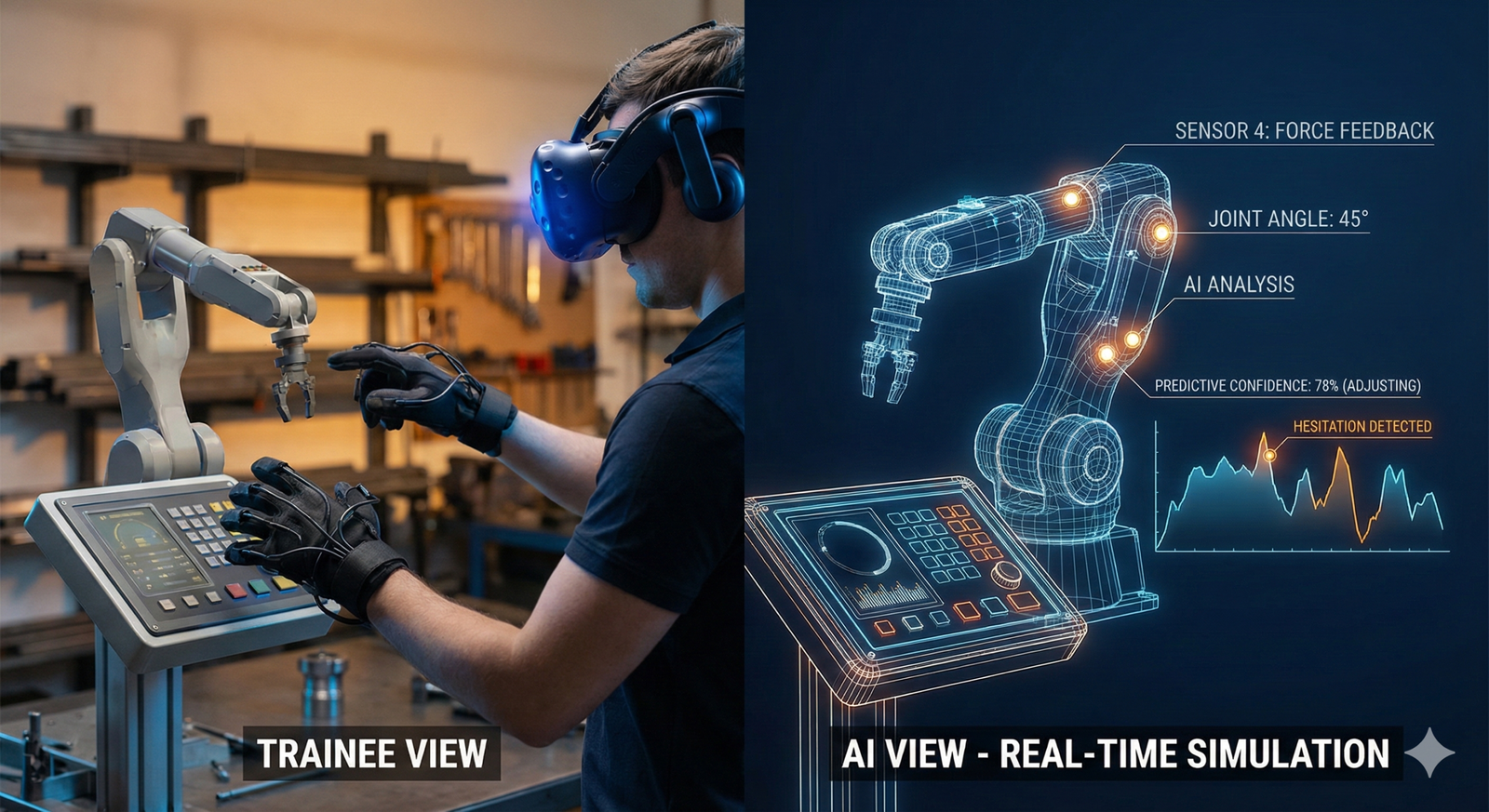
AI for Immersive Training: Revolutionizing Simulation and Skill Development
by
Zahra Khalid
January 21, 2026
AI
Human Skills in the AI Era: Creativity, Critical Thinking & Empathy
by
Tomasz Zieliński
January 21, 2026
AI
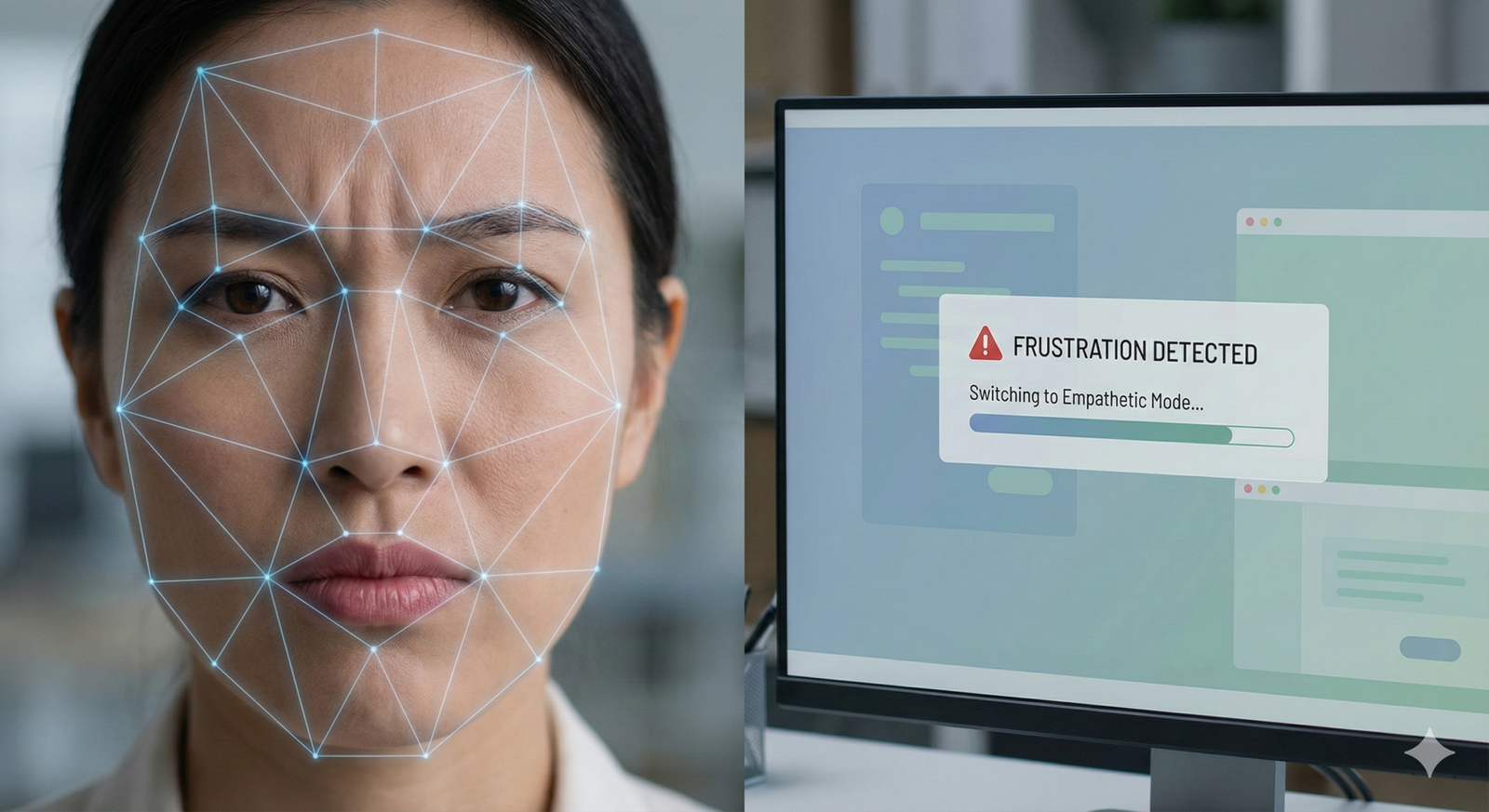
Emotion AI: Machines That Gauge Stress and Adapt to User Emotions
by
Sophie Williams
January 20, 2026
AI
Regulatory Sandboxes for AI Innovation
by
Sofia Petrou
January 20, 2026
AI
Edge AI: Processing Data On-Device to Reduce Latency and Protect Privacy
by
Rafael Ortega
January 20, 2026
1
...
9
10
11
12
13
...
16
Table of Contents
×
Key Takeaways
The Necessity of Autonomy: Why Humans Can’t Drive
The Latency Problem
The Data Bandwidth Bottleneck
Autonomous Spacecraft: How Robots Navigate the Unknown
Visual SLAM and Terrain Relative Navigation
Hazard Detection and Avoidance (HDA)
Satellite Management: AI Traffic Control in Low Earth Orbit
The Congestion Crisis
Autonomous Collision Avoidance
Formation Flying and Swarms
Space Debris Monitoring: Tracking the Invisible
Machine Learning for Object Detection
In-Orbit Debris Removal
On-Board Data Processing: Edge AI in Orbit
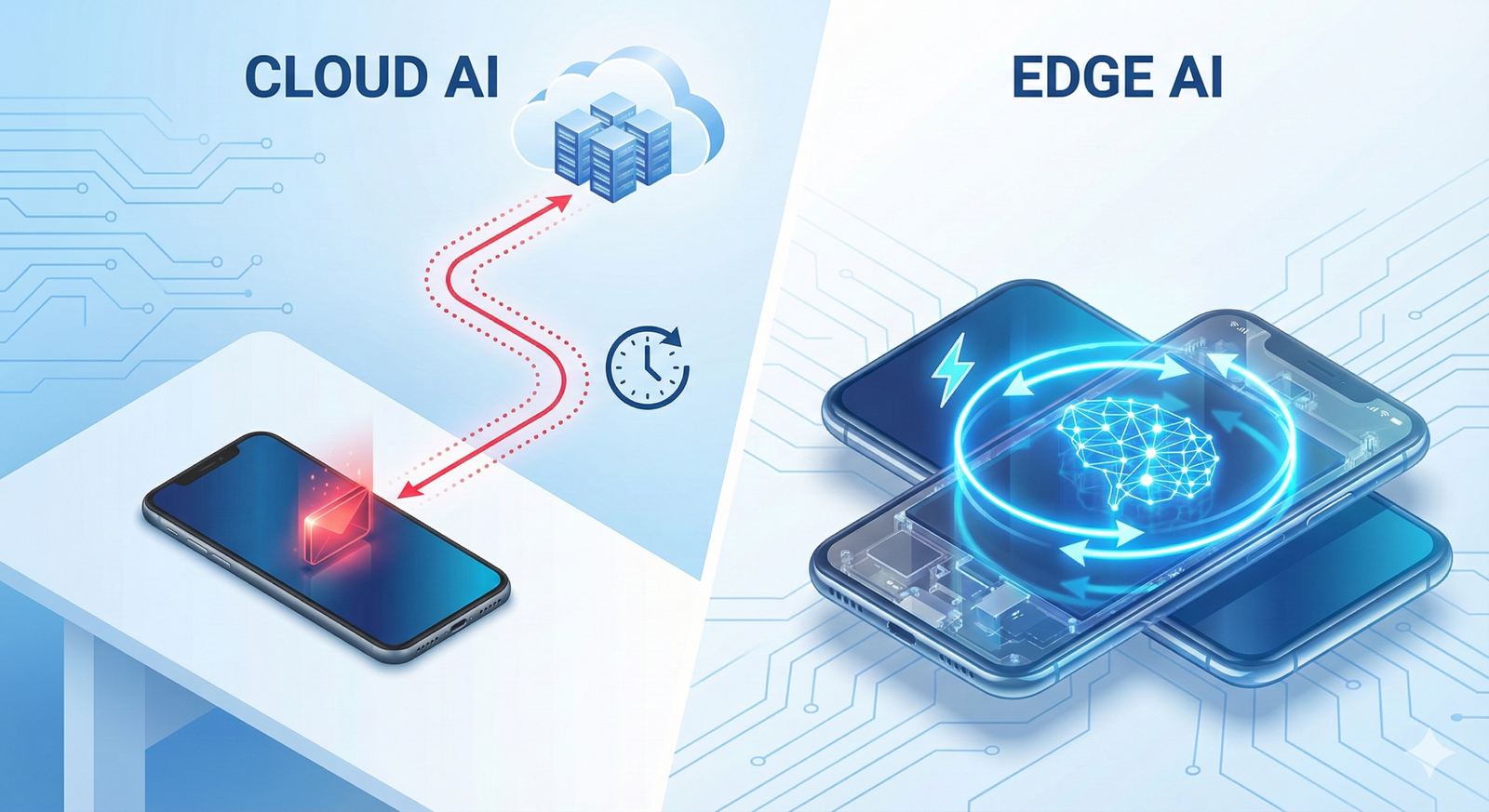
The Cloud vs. The Edge
Use Case: Earth Observation
ESA’s Φ-sat-1 Experience
NASA AI Initiatives and Global Efforts
NASA’s Cognitive Radio and Communications
The Search for Life (Exoplanets)
ESA’s “Digital Twin” Earth
Deep Space & Interstellar Concepts
The AI Astronaut Assistants
Self-Healing Systems
Common Mistakes and Misconceptions
1. “AI Controls Everything”
2. “Space AI is the same as Earth AI”
3. “AI removes the need for bandwidth”
Challenges and Risks
The Radiation Barrier
The “Black Box” Trust Issue
Power Constraints
Who This Is For (And Who It Isn’t)
How We Evaluated: The Technology Readiness
1. Autonomous Navigation (TRL 9)
2. On-Board Image Filtering (TRL 7-8)
3. Autonomous Swarm Control (TRL 4-5)
4. Semantic Communication (TRL 3-4)
Conclusion
FAQs
What is the primary role of AI in space exploration?
How does AI help with space debris?
Can AI replace astronauts?
Why is latency a problem for space missions?
What is Edge AI in satellites?
What computer languages are used for Space AI?
Is AI used in the search for extraterrestrial life?
How do satellites avoid crashing into each other?
What is the Deep Space Network?
Are there risks to using AI in space?
References
←
Table of Contents