Skip to content
September 18, 2026
The Tech Trends
The Tech Trends
The Tech Trends
The Tech Trends
AI
AI Ethics
Automation
Deep Learning
Generative AI
Machine Learning
Robotics
Culture
Creator Economy
Digital Nomads
Internet Culture
Remote Work
Tech Careers
Tech Events
Future Trends
5G/6G Networks
BioTech
Metaverse
Quantum Computing
Space Tech
Sustainable Tech
Innovation
AgriTech
EdTech
FinTech
Green Tech
HealthTech
Smart Cities
Gadgets
AR/VR Devices
Drones
Health Tech
Smart Home
Smartphones
Wearables
Software
App Development
Cloud Computing
Cybersecurity
Open Source
Productivity Tools
SaaS
Startups
Disruptive Ideas
Founder Stories
Funding News
Startup Trends
Tech Launches
Unicorn Watch
Web3
Blockchain
Cryptocurrency
DAOs
Decentralization
NFTs
Smart Cities
September 18, 2026
The Tech Trends
AI
AI Ethics
Automation
Deep Learning
Generative AI
Machine Learning
Robotics
Culture
Creator Economy
Digital Nomads
Internet Culture
Remote Work
Tech Careers
Tech Events
Future Trends
5G/6G Networks
BioTech
Metaverse
Quantum Computing
Space Tech
Sustainable Tech
Innovation
AgriTech
EdTech
FinTech
Green Tech
HealthTech
Smart Cities
Gadgets
AR/VR Devices
Drones
Health Tech
Smart Home
Smartphones
Wearables
Software
App Development
Cloud Computing
Cybersecurity
Open Source
Productivity Tools
SaaS
Startups
Disruptive Ideas
Founder Stories
Funding News
Startup Trends
Tech Launches
Unicorn Watch
Web3
Blockchain
Cryptocurrency
DAOs
Decentralization
NFTs
Smart Cities
×
AI
The Tech Trends
AI
AI
Multi-Agent Systems Collaborating in Complex Environments
by
Isabella Rossi
January 23, 2026
AI
The Future of Agentic AI Licensing: Who Owns and Controls AI Agents?
by
Hiroshi Tanaka
January 22, 2026
AI
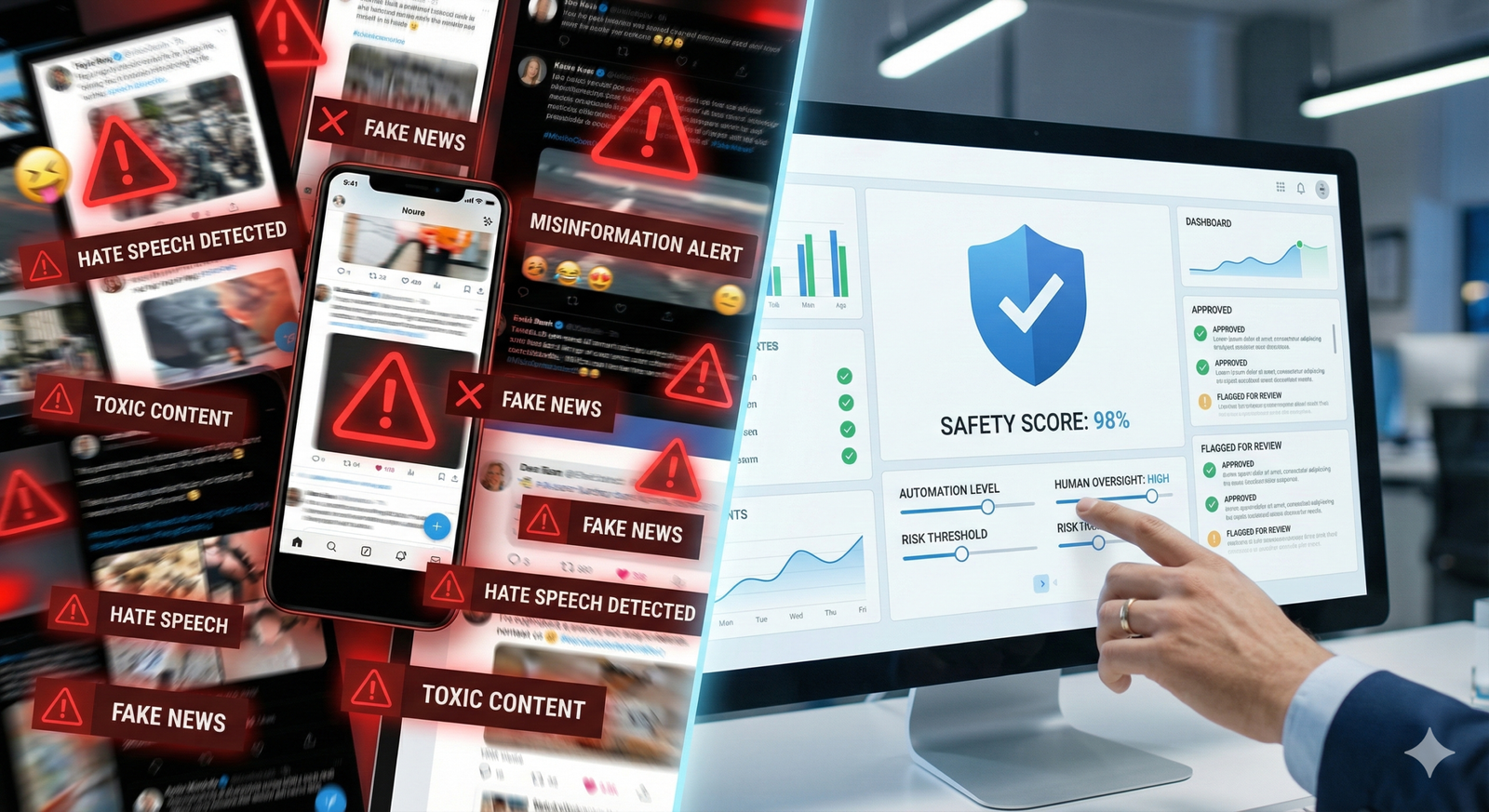
AI Content Moderation: Combating Misinformation and Toxic Speech
by
Emma Hawkins
January 22, 2026
AI
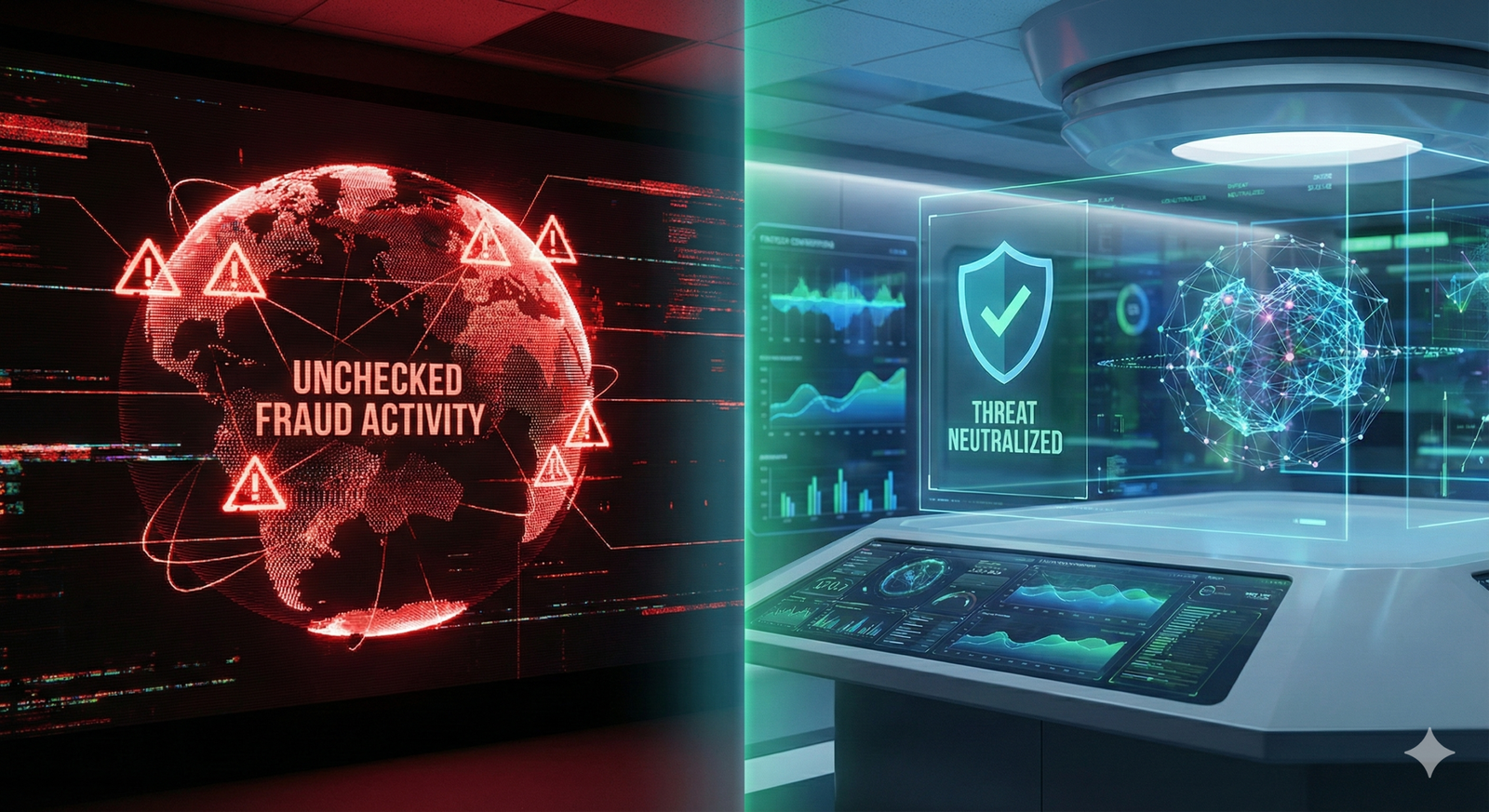
AI for Fraud Detection in Fintech: Real‑Time Adaptive Security
by
Daniel Okafor
January 22, 2026
AI
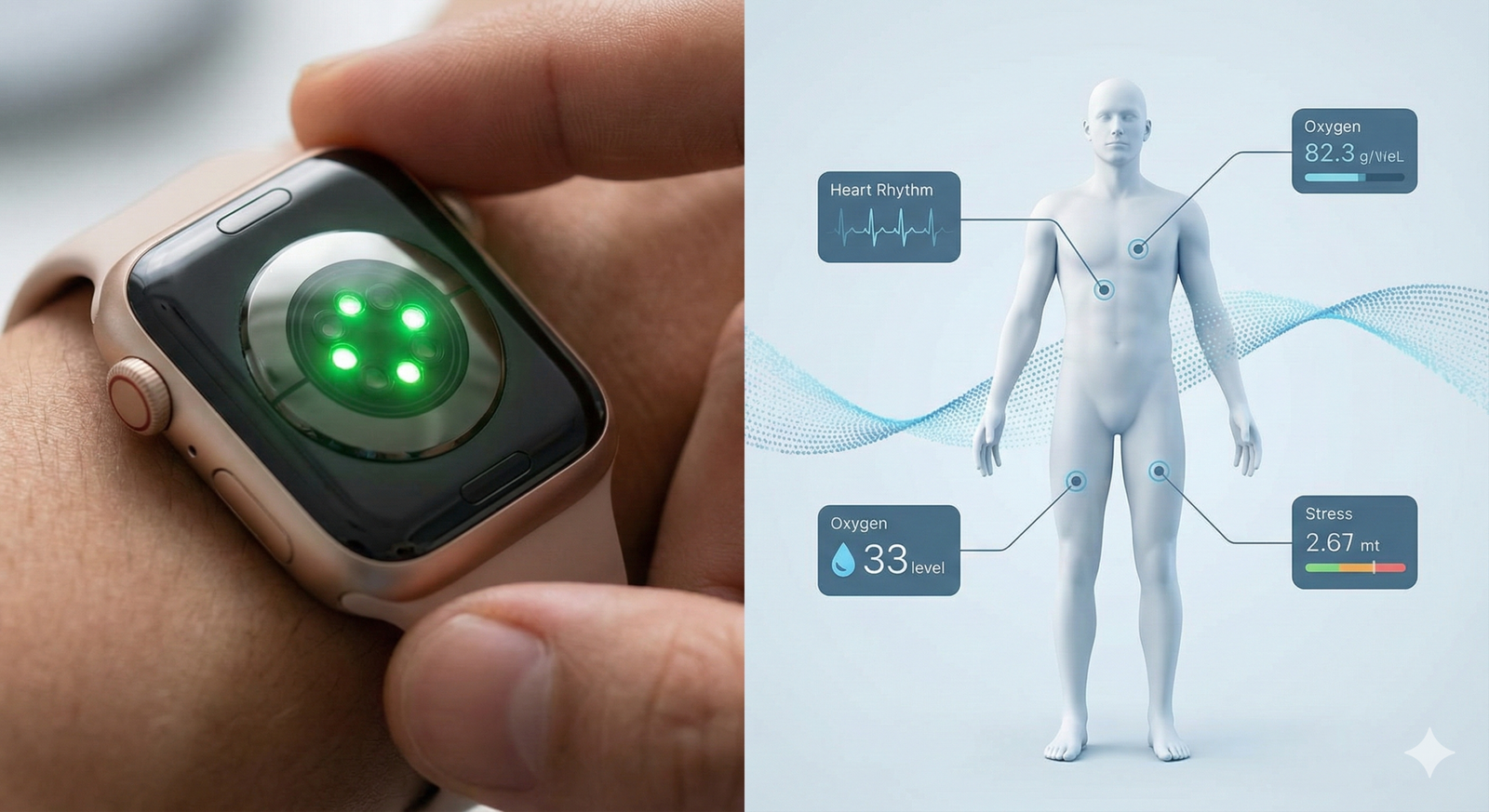
AI‑Enhanced Wearables and Health‑Monitoring Devices
by
Claire Mitchell
January 22, 2026
AI
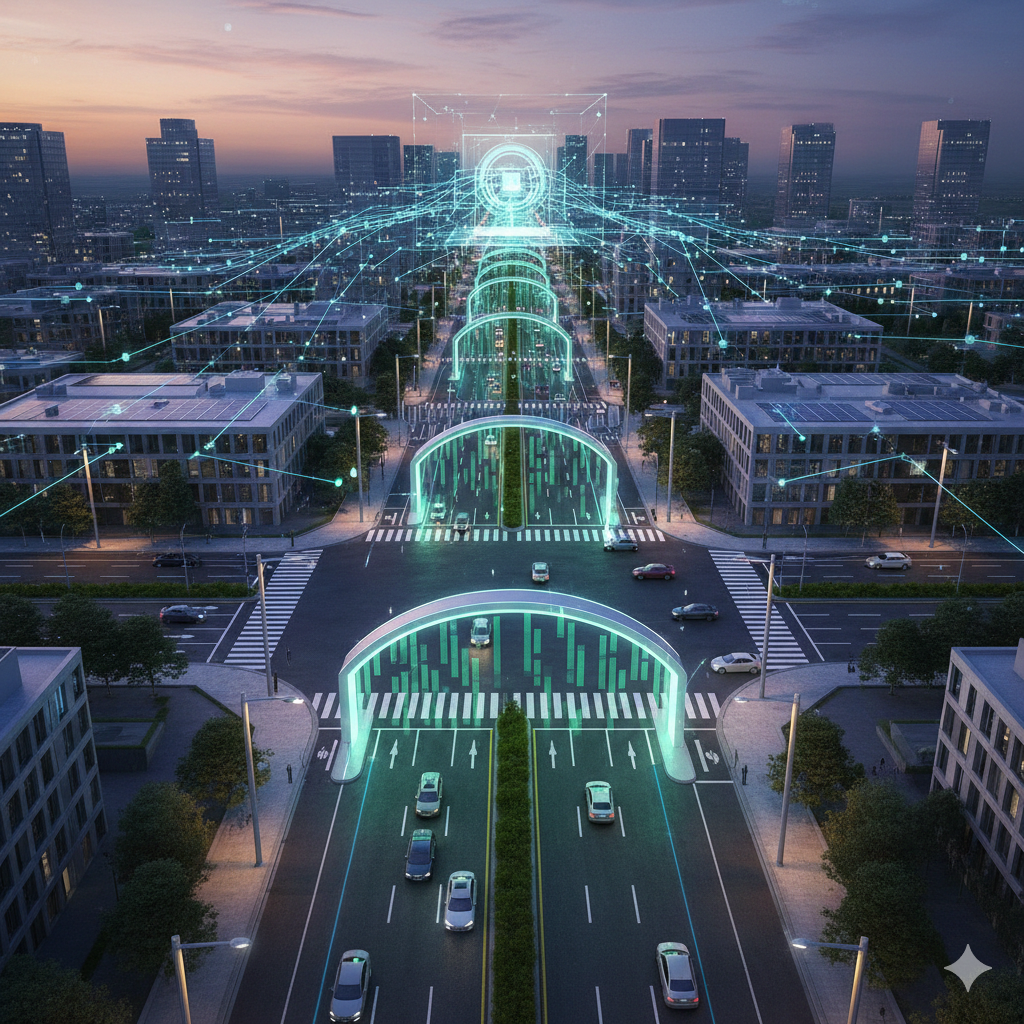
AI for Smart Cities: Traffic Management and Energy Optimization
by
Camila Duarte
January 22, 2026
AI
AI Governance Frameworks: Global Initiatives for Ethical AI
by
Ayman Haddad
January 21, 2026
AI
AI Chatbots in Education: Reducing Teacher Workload & Burnout (2026)
by
Aurora Jensen
January 21, 2026
AI
Adaptive Marketing: AI Personalizing Content at Scale
by
Amy Jordan
January 21, 2026
AI
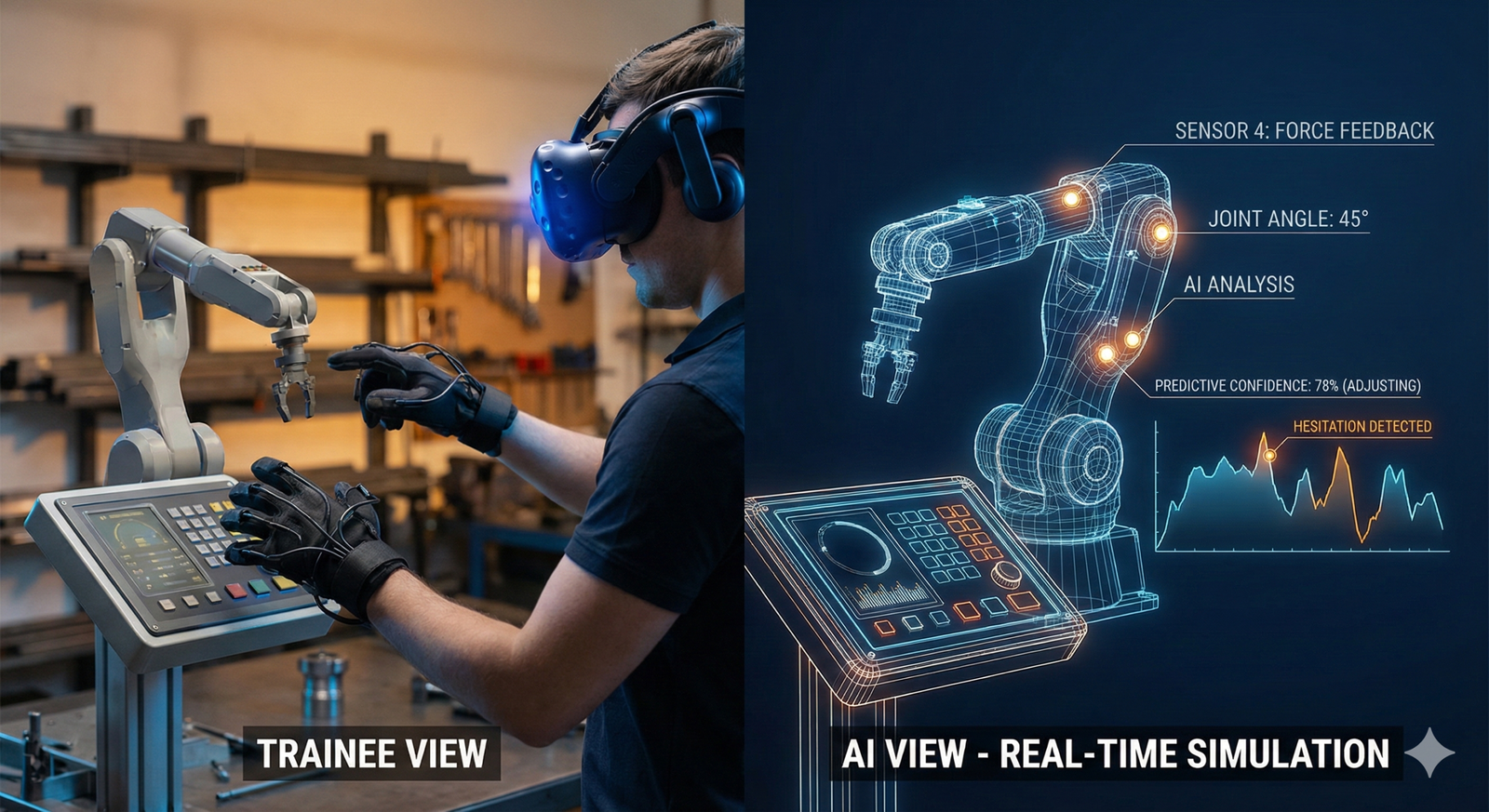
AI for Immersive Training: Revolutionizing Simulation and Skill Development
by
Zahra Khalid
January 21, 2026
AI
Human Skills in the AI Era: Creativity, Critical Thinking & Empathy
by
Tomasz Zieliński
January 21, 2026
AI
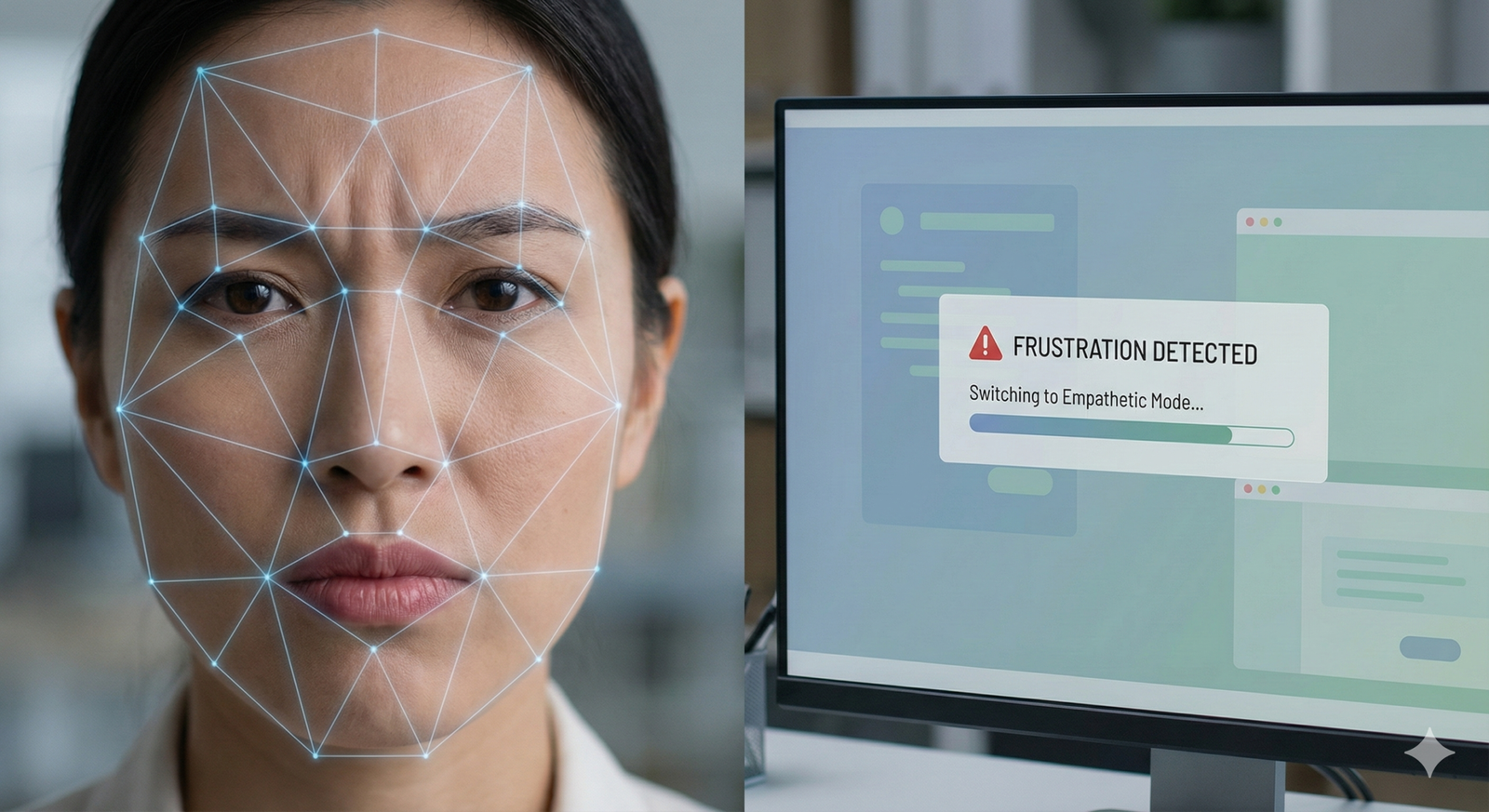
Emotion AI: Machines That Gauge Stress and Adapt to User Emotions
by
Sophie Williams
January 20, 2026
AI
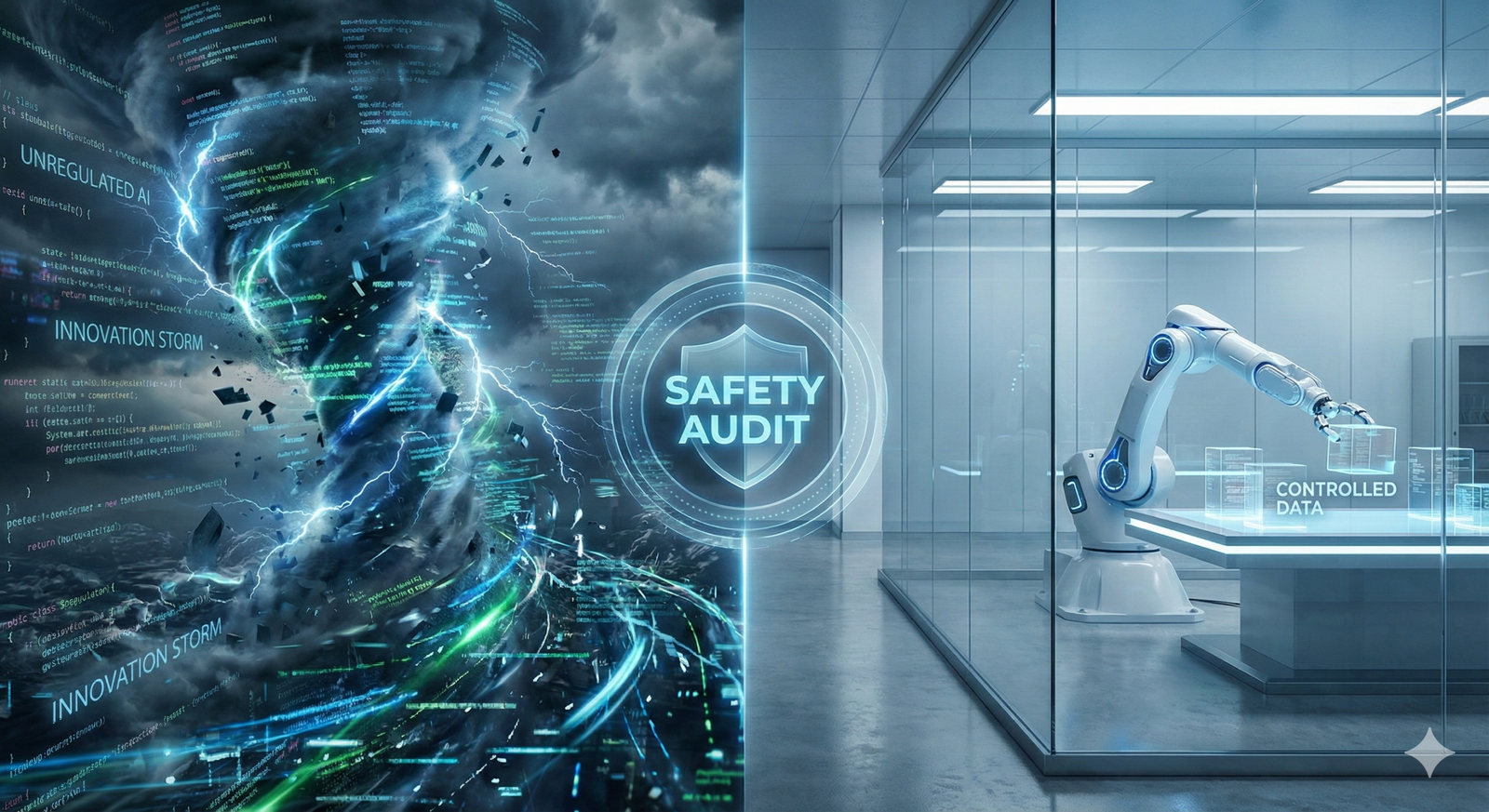
Regulatory Sandboxes for AI Innovation
by
Sofia Petrou
January 20, 2026
AI
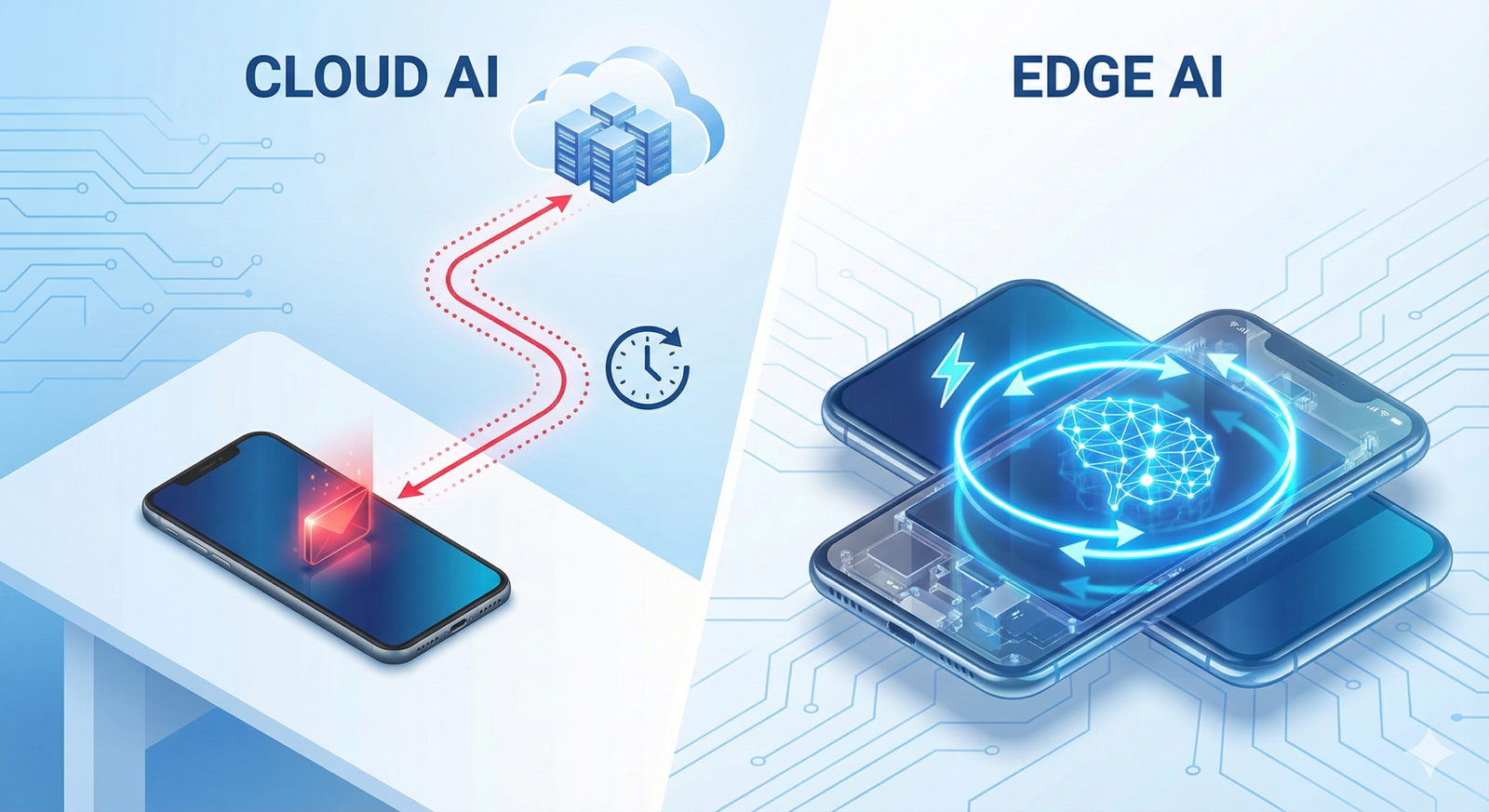
Edge AI: Processing Data On-Device to Reduce Latency and Protect Privacy
by
Rafael Ortega
January 20, 2026
AI
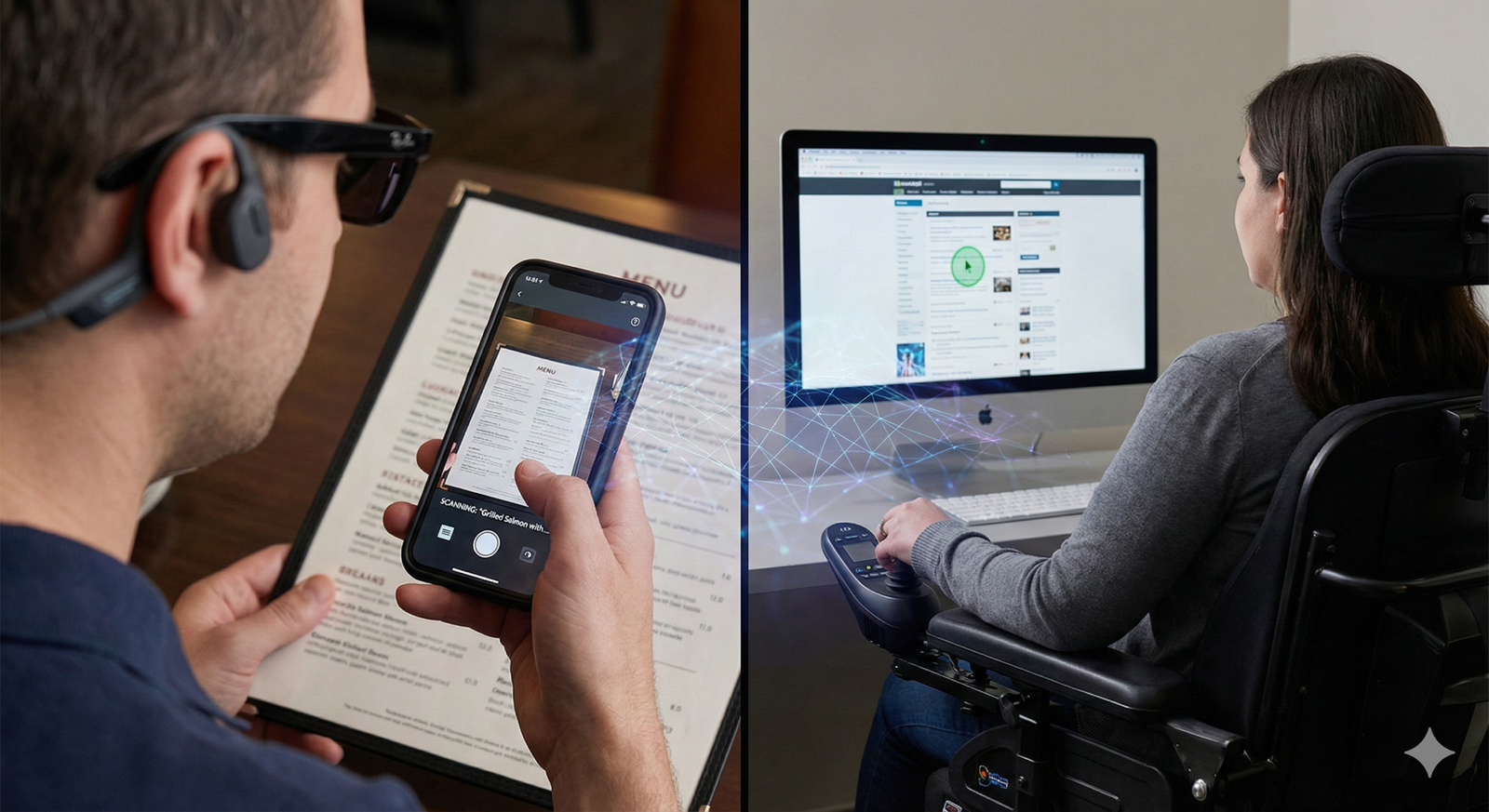
AI for Accessibility: Helping People with Disabilities
by
Priya Menon
January 20, 2026
1
...
8
9
10
11
12
...
15
Table of Contents
×
Key Takeaways
Who This Is For (And Who It Isn’t)
Defining Multi-Agent Systems (MAS)
What is an Intelligent Agent?
The Shift from Centralized to Distributed AI
What Makes an Environment “Complex”?
The Mechanics of Collaboration: How Agents Work Together
1. Communication Protocols
2. Coordination and Negotiation
3. Distributed Planning
Key Architectures for Multi-Agent Systems
Hierarchical Architecture
Holonic Architecture
Subsumption / Reactive Architecture
Belief-Desire-Intention (BDI)
Real-World Applications: MAS in Practice
1. Smart Grids and Energy Distribution
2. Supply Chain and Logistics (The “Physical Internet”)
3. Swarm Robotics and Search & Rescue
4. Traffic Management and Autonomous Vehicles
Multi-Agent Reinforcement Learning (MARL)
The Challenge of Non-Stationarity
Solutions in MARL
Common Mistakes and Pitfalls
1. The Communication Bottleneck
2. The “Lazy Agent” Problem (Free-Riding)
3. Emergent Instability
Future Trends: Human-Agent Teaming
Conclusion
Next Steps for Implementation
FAQs
What is the difference between Distributed Systems and Multi-Agent Systems?
Can multi-agent systems work without the internet?
What is the “Credit Assignment Problem” in MAS?
Are multi-agent systems safe?
How do agents handle conflicting goals?
Is Blockchain related to Multi-Agent Systems?
What programming languages are best for MAS?
How does MAS relate to “Swarm Intelligence”?
References
←
Table of Contents