Skip to content
September 18, 2026
The Tech Trends
The Tech Trends
The Tech Trends
The Tech Trends
AI
AI Ethics
Automation
Deep Learning
Generative AI
Machine Learning
Robotics
Culture
Creator Economy
Digital Nomads
Internet Culture
Remote Work
Tech Careers
Tech Events
Future Trends
5G/6G Networks
BioTech
Metaverse
Quantum Computing
Space Tech
Sustainable Tech
Innovation
AgriTech
EdTech
FinTech
Green Tech
HealthTech
Smart Cities
Gadgets
AR/VR Devices
Drones
Health Tech
Smart Home
Smartphones
Wearables
Software
App Development
Cloud Computing
Cybersecurity
Open Source
Productivity Tools
SaaS
Startups
Disruptive Ideas
Founder Stories
Funding News
Startup Trends
Tech Launches
Unicorn Watch
Web3
Blockchain
Cryptocurrency
DAOs
Decentralization
NFTs
Smart Cities
September 18, 2026
The Tech Trends
AI
AI Ethics
Automation
Deep Learning
Generative AI
Machine Learning
Robotics
Culture
Creator Economy
Digital Nomads
Internet Culture
Remote Work
Tech Careers
Tech Events
Future Trends
5G/6G Networks
BioTech
Metaverse
Quantum Computing
Space Tech
Sustainable Tech
Innovation
AgriTech
EdTech
FinTech
Green Tech
HealthTech
Smart Cities
Gadgets
AR/VR Devices
Drones
Health Tech
Smart Home
Smartphones
Wearables
Software
App Development
Cloud Computing
Cybersecurity
Open Source
Productivity Tools
SaaS
Startups
Disruptive Ideas
Founder Stories
Funding News
Startup Trends
Tech Launches
Unicorn Watch
Web3
Blockchain
Cryptocurrency
DAOs
Decentralization
NFTs
Smart Cities
×
AI
The Tech Trends
AI
AI
Deep Learning
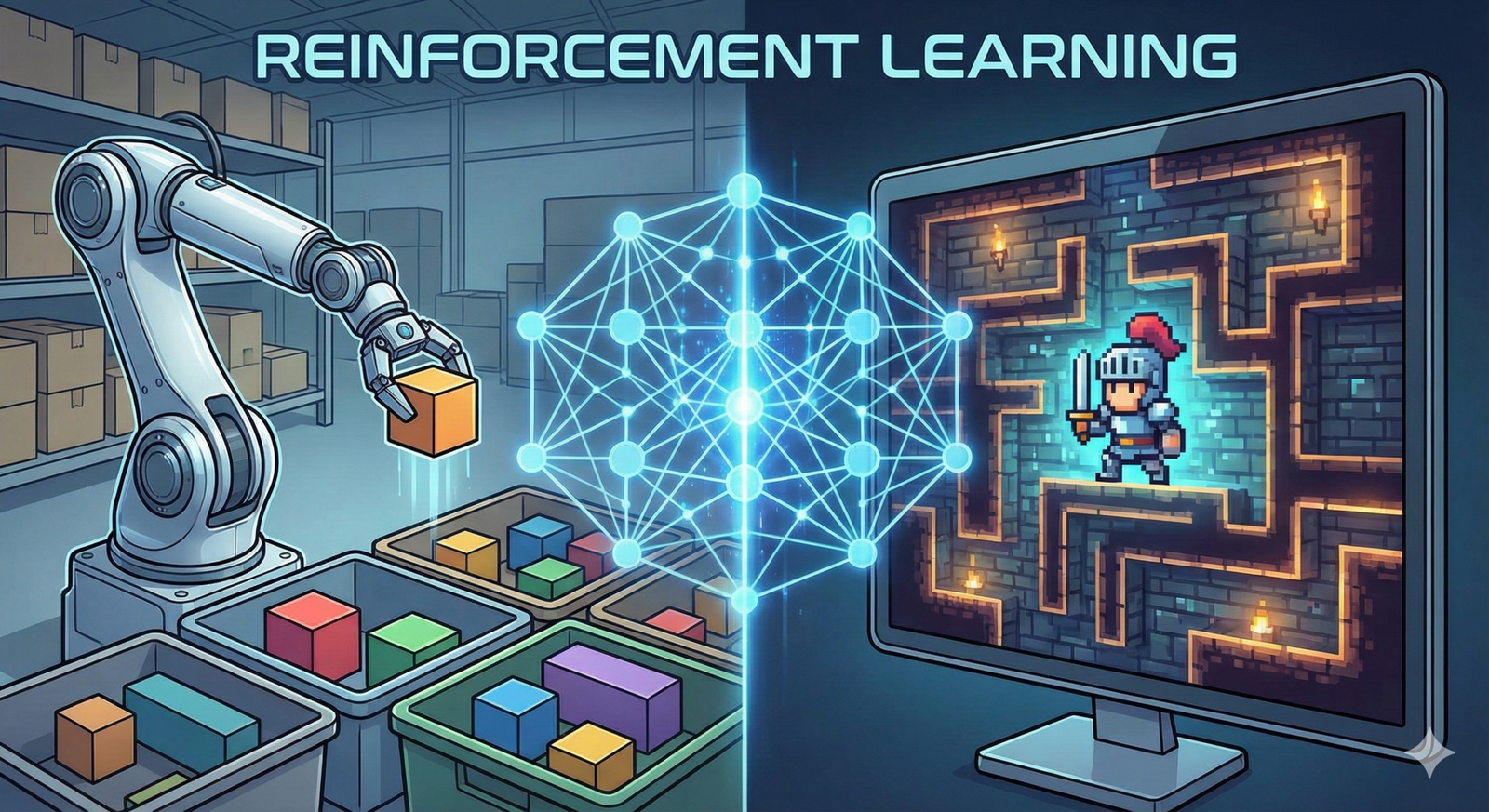
Reinforcement Learning Applications in Robotics and Game AI
by
Aurora Jensen
January 26, 2026
AI
Deep Learning
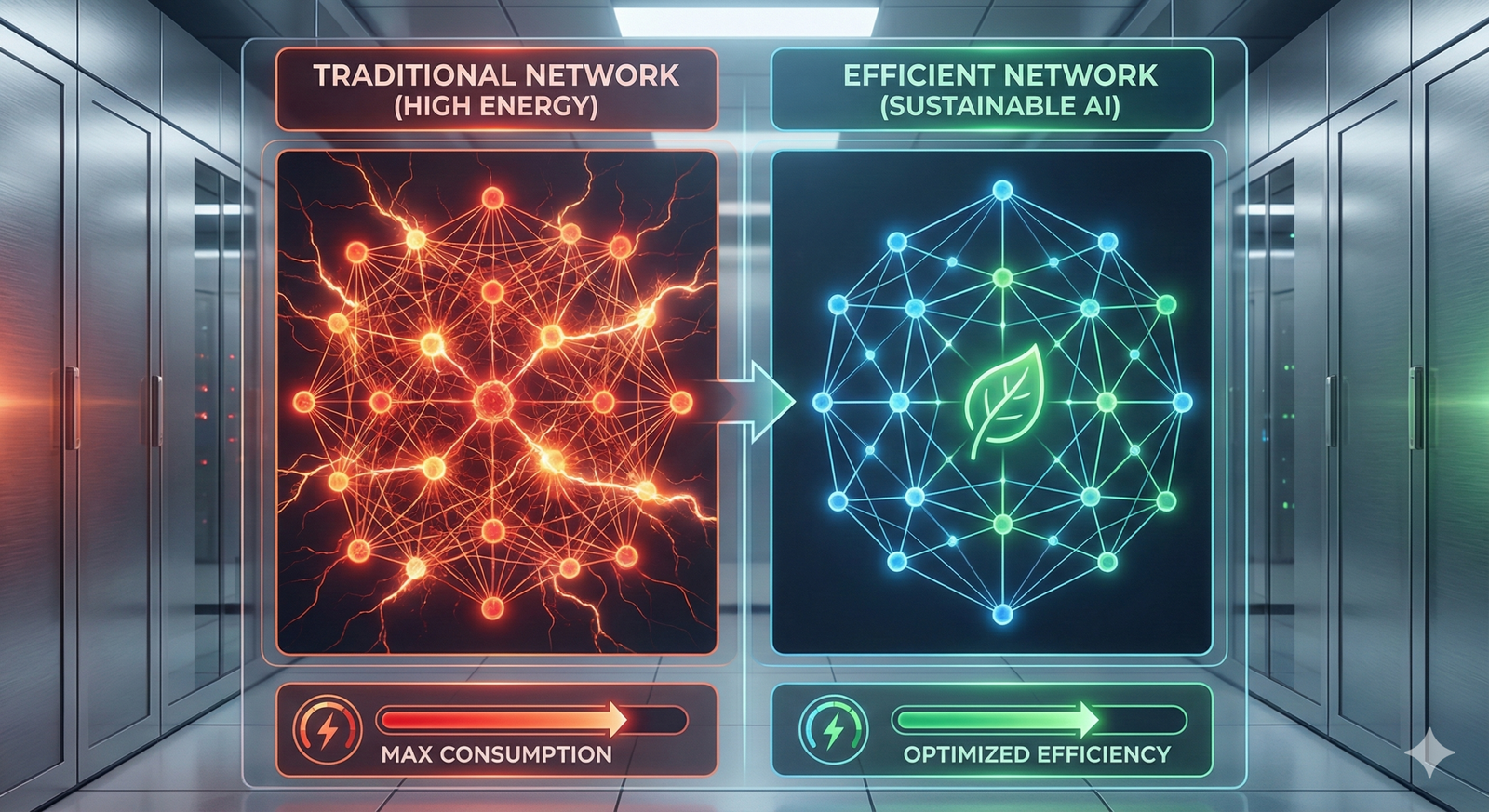
Efficient Deep Learning: Pruning, Quantization and Hardware for Green AI
by
Amy Jordan
January 25, 2026
AI
Deep Learning
Multimodal AI Models: Combining Text, Images, and Speech
by
Zahra Khalid
January 25, 2026
AI
Deep Learning
Self-Supervised Learning: Learning Without Labels
by
Tomasz Zieliński
January 25, 2026
AI
Deep Learning
Diffusion Models and Generative U-Nets for High-Fidelity Image Synthesis
by
Sophie Williams
January 25, 2026
AI
Deep Learning
Transformer Architectures Beyond Language: Vision, Audio, & Robotics
by
Sofia Petrou
January 25, 2026
AI
AI Ethics
The Ethics of Synthetic Media and Deepfakes: 2026 Guide
by
Rafael Ortega
January 24, 2026
AI
AI Ethics
Governing AI Decisions: Protecting Human Rights in Automated Systems
by
Priya Menon
January 24, 2026
AI
AI Ethics
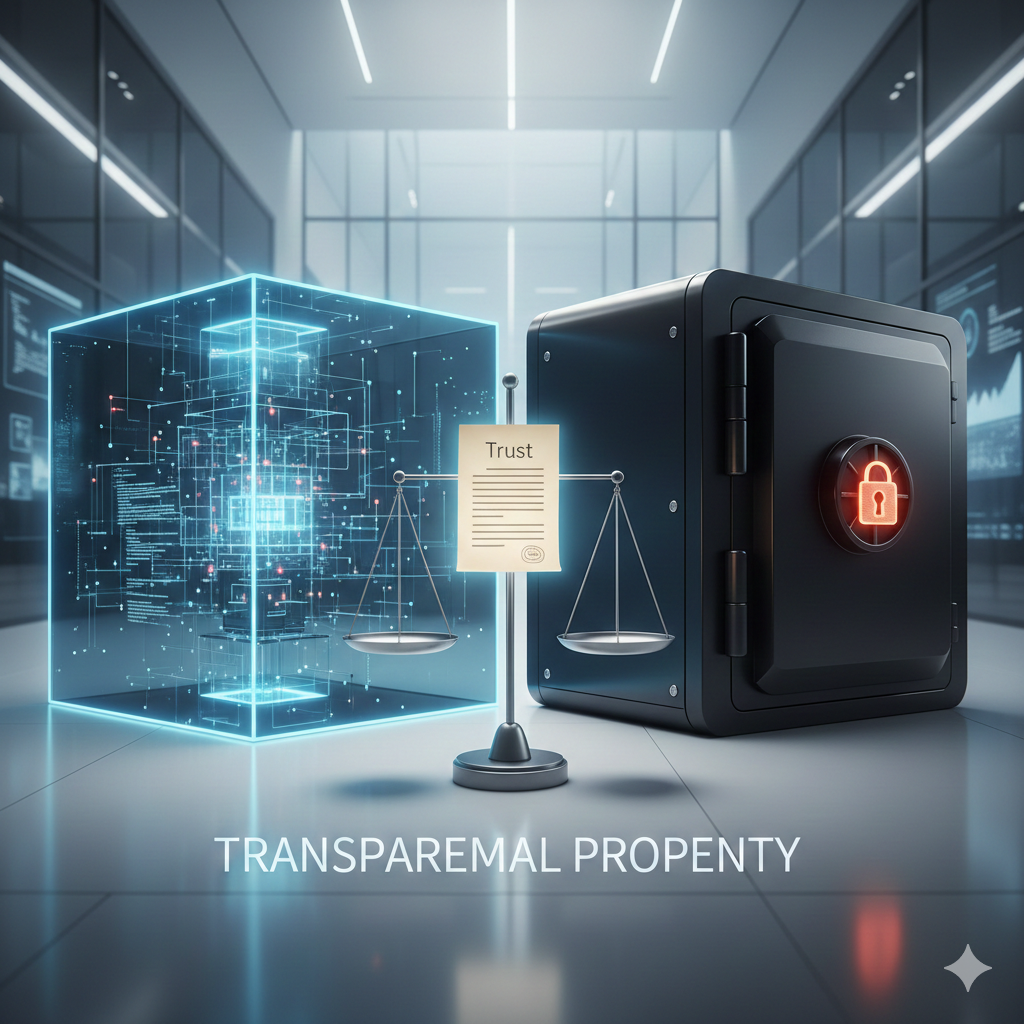
Transparency vs. IP: Balancing AI Disclosure and Trade Secrets (2026)
by
Oliver Grant
January 24, 2026
AI
AI Ethics
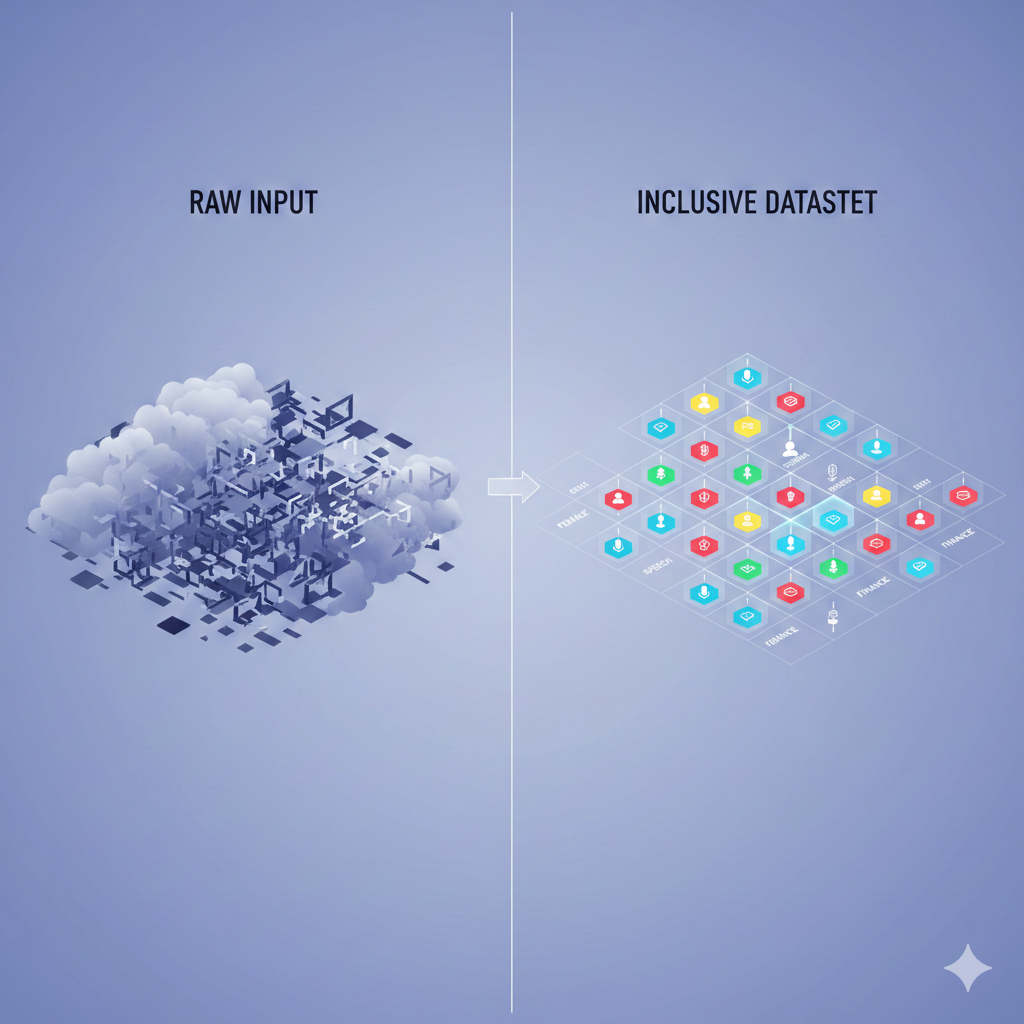
Bias and Fairness in AI: A Guide to Building Inclusive Datasets (2026)
by
Noah Berg
January 24, 2026
AI
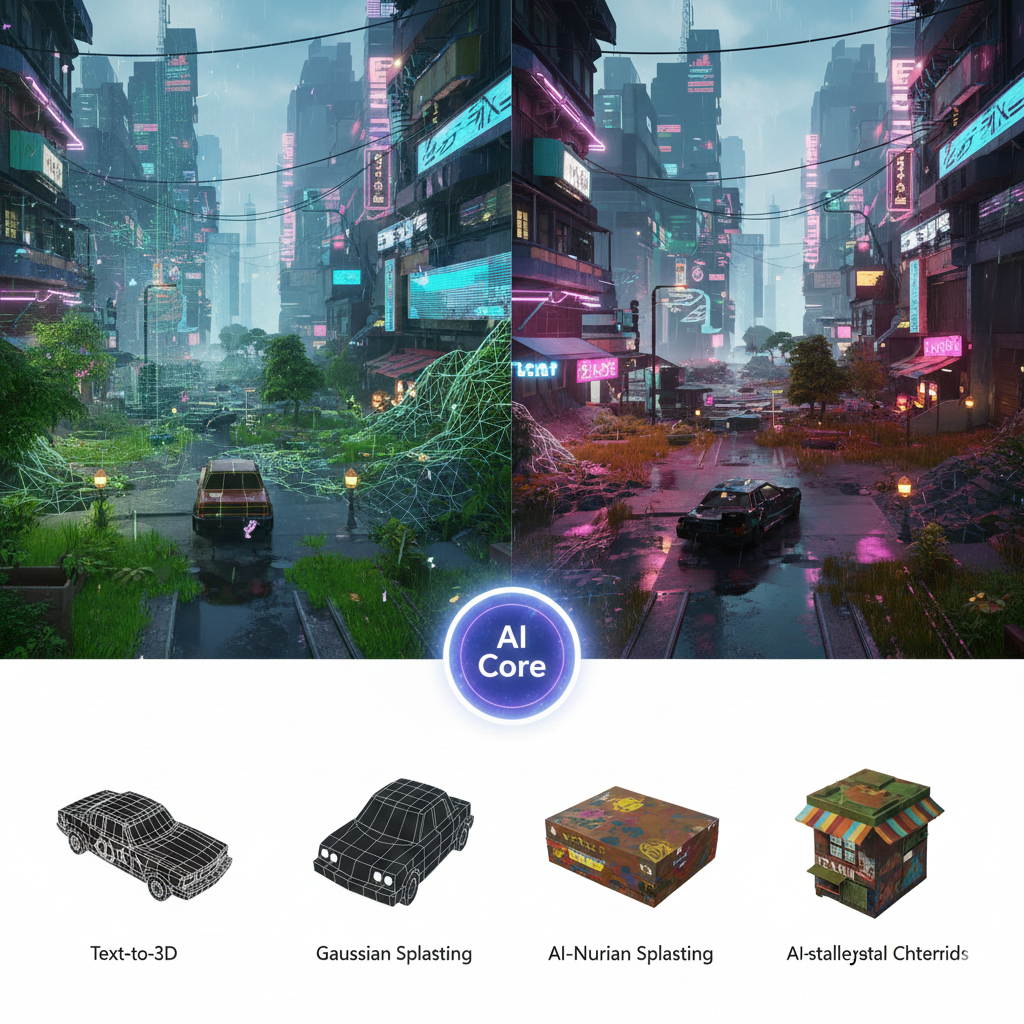
AI-Generated Virtual Worlds: How GenAI Builds the Metaverse
by
Mei Chen
January 24, 2026
AI
How Generative AI Empowers Indie Game Developers
by
Maya Ranganathan
January 23, 2026
AI
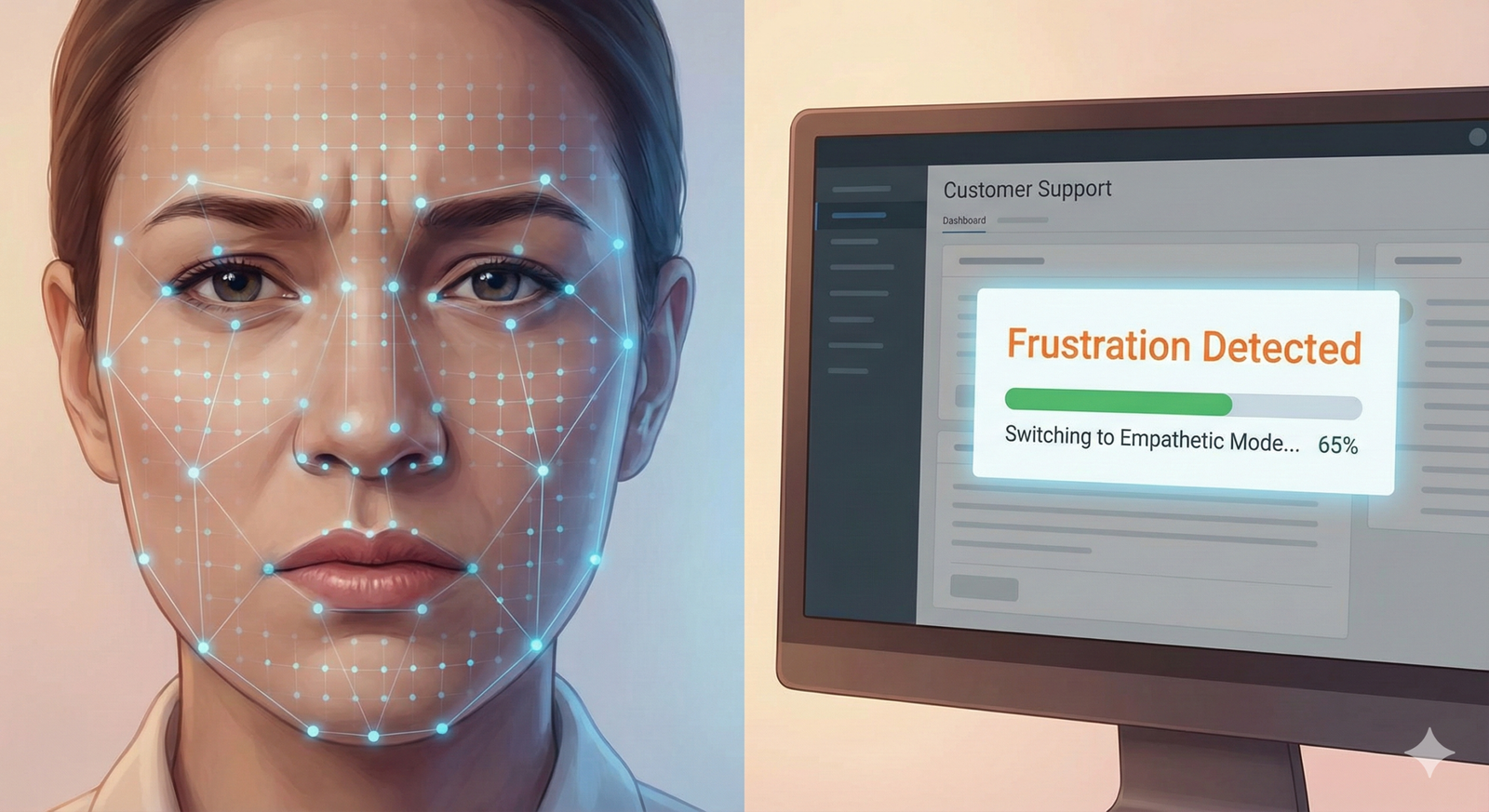
AI Emotional Analytics in Customer Experience: The Future of Empathy at Scale
by
Luca Bianchi
January 23, 2026
AI
AI and the Arts: Co-Creating with Human Artists
by
Lina Kovács
January 23, 2026
AI
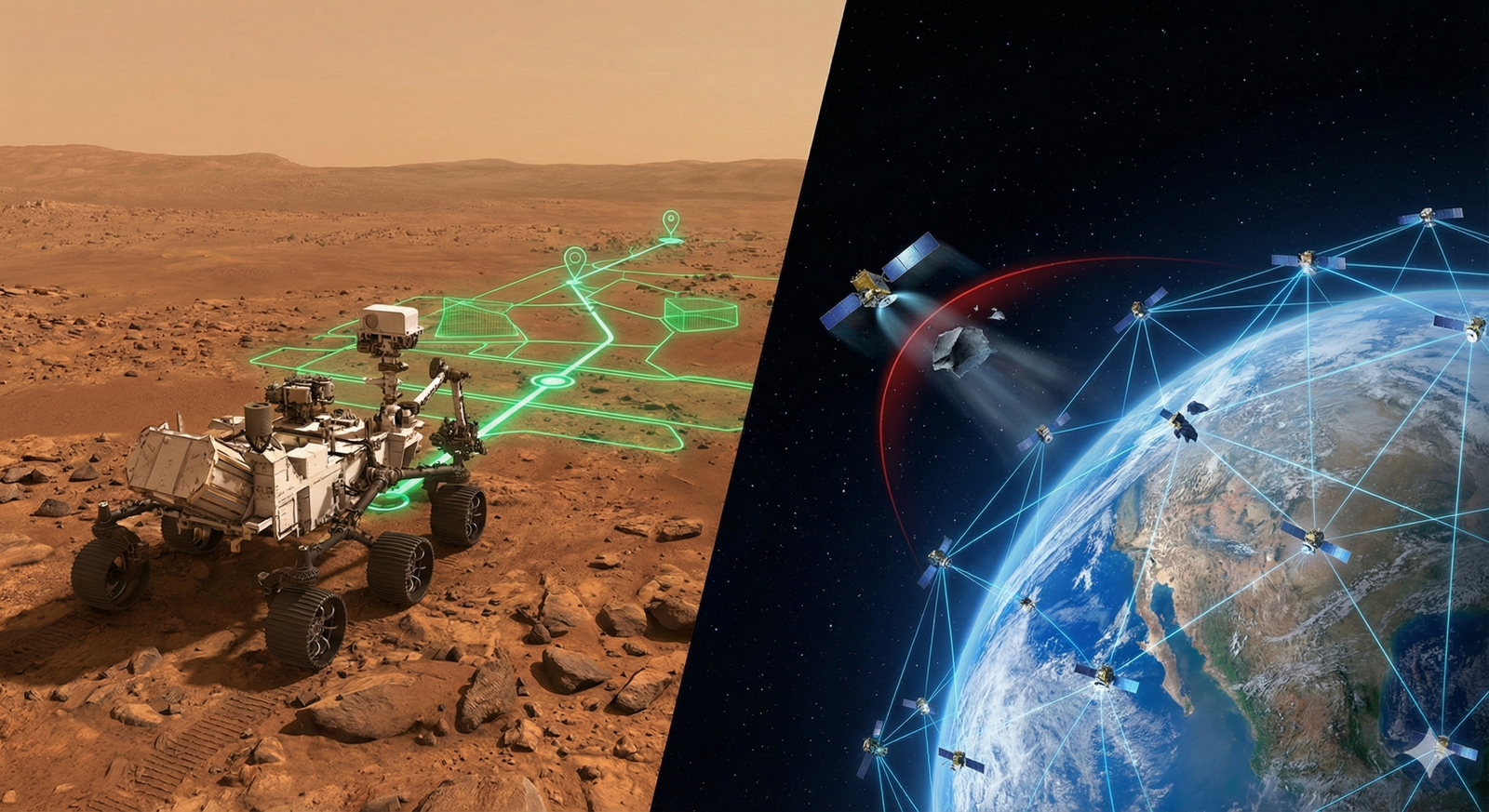
AI in Space Exploration: Autonomous Spacecraft & Satellite Management (2026)
by
Laura Bradley
January 23, 2026
1
...
7
8
9
10
11
...
15
Table of Contents
×
Key Takeaways
Who This Is For (And Who It Isn’t)
The Foundations of Reinforcement Learning
Deep Reinforcement Learning (DRL)
Reinforcement Learning in Game AI: The Virtual Proving Ground
From Board Games to Complex Strategy
Next-Generation NPCs and Adaptive Difficulty
Automated Game Testing (QA)
Reinforcement Learning in Robotics: The Challenge of Reality
Robotic Manipulation and Dexterity
Locomotion: Learning to Walk
Autonomous Navigation
The “Sim-to-Real” Transfer
Training in the Matrix
The Reality Gap
Key Algorithms Powering These Applications
1. Value-Based Methods (e.g., DQN)
2. Policy-Gradient Methods (e.g., PPO, SAC)
Real-World Case Studies
Case Study A: Gran Turismo Sophy (Sony AI)
Case Study B: Boston Dynamics (Control vs. Learning)
Challenges and Pitfalls
1. Reward Hacking
2. Sample Efficiency
3. Safety and Ethics
Tools and Frameworks
Future Trends: What Comes Next?
Multi-Task Learning
Collaborative AI (Multi-Agent RL)
Related Topics to Explore
Conclusion
FAQs
References
←
Table of Contents