Infrastructure as Code Security Scanning
IaC security scanning checks Terraform, CloudFormation, and Kubernetes definitions for misconfigurations before anything is deployed. Tools like Checkov, tfsec, and Terrascan run as

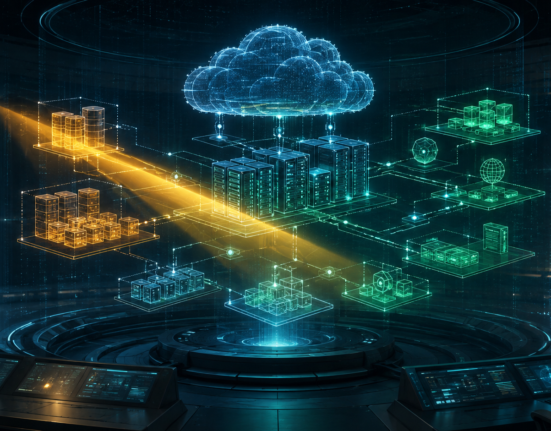
IaC security scanning checks Terraform, CloudFormation, and Kubernetes definitions for misconfigurations before anything is deployed. Tools like Checkov, tfsec, and Terrascan run as
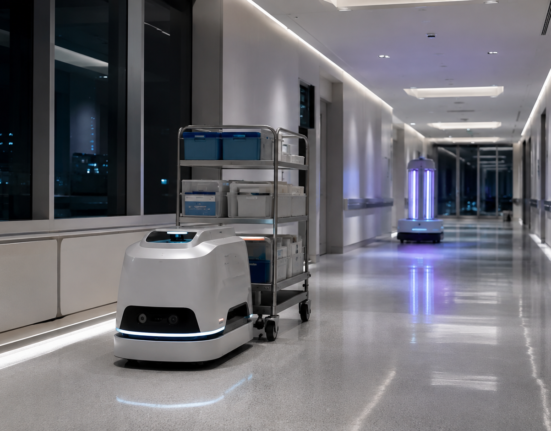
Hospitals are quietly automating their hallways, not just their operating rooms. Autonomous delivery robots now move medications, supplies, and lab specimens between wards,

A dark warehouse is a fulfilment centre that runs its core storage, picking, and transport cycle without onsite human labour or full lighting.

Whole-body control coordinates a humanoid’s legs, torso, and arms as one unified system rather than separate parts. Instead of solving balance and manipulation

AI coding tools introduce security flaws at a measurably higher rate than most teams assume, with roughly one in three generated snippets carrying

Differential privacy in production is less about the math and more about what breaks at scale. Real deployments at Apple, Google, and the
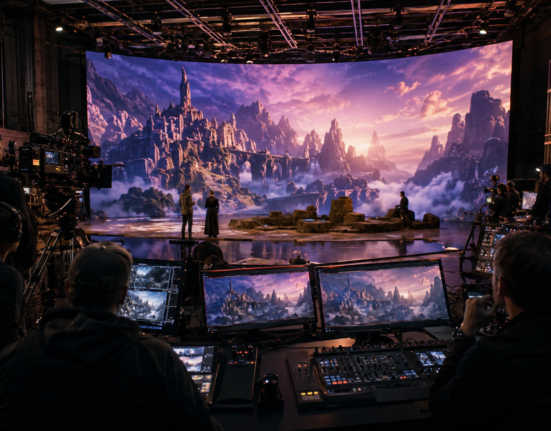
AI now touches nearly every stage of film production, from previz to final color, but always inside union-negotiated guardrails. Generative previsualization, AI-assisted rotoscoping,

There is no single plan for governing superintelligence, only a handful of competing proposals from labs, academics, and lawmakers. These range from an

Offline-first AI architectures run entirely on quantized language models locally, with no dependence on cloud infrastructure, achieving response times of 1-3 seconds on
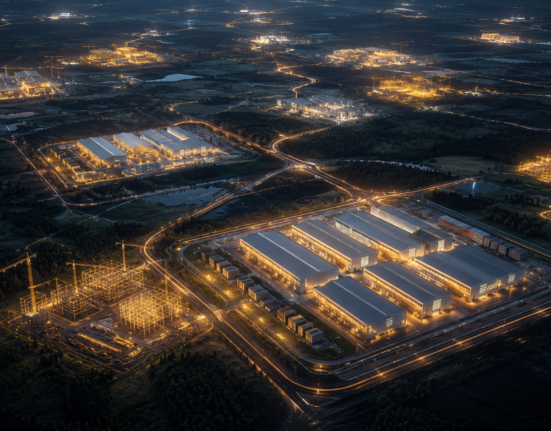
The four largest US hyperscalers alone will spend nearly $600 billion on data center capex in 2026, with combined big-tech AI spending expected

Reasoning models spend inference budget to think; fast models answer immediately. Sending every query to either one is a mistake. How to build
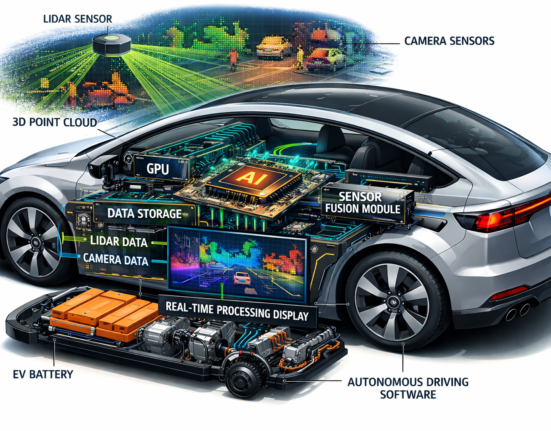
The evolution of the automotive industry has reached a pivotal juncture. As of March 2026, the dream of fully autonomous vehicles (AVs) is

In the rapidly evolving landscape of 2026, the boundary between the digital and physical worlds has become increasingly porous. This convergence is driven

The rapid evolution of Large Language Models (LLMs) has brought us to a peculiar crossroads. On one hand, we have models capable of
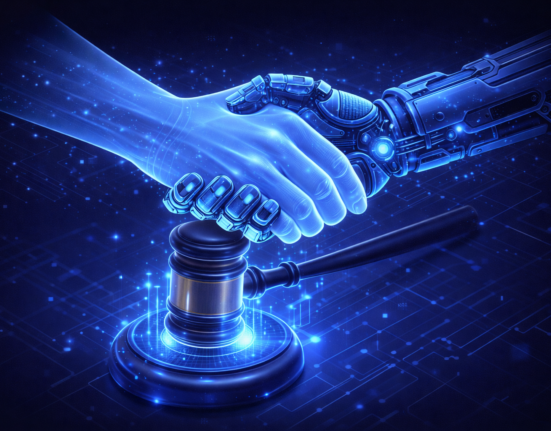
As we navigate the mid-2020s, the line between “tool” and “agent” has blurred into a digital haze. We no longer just use software;