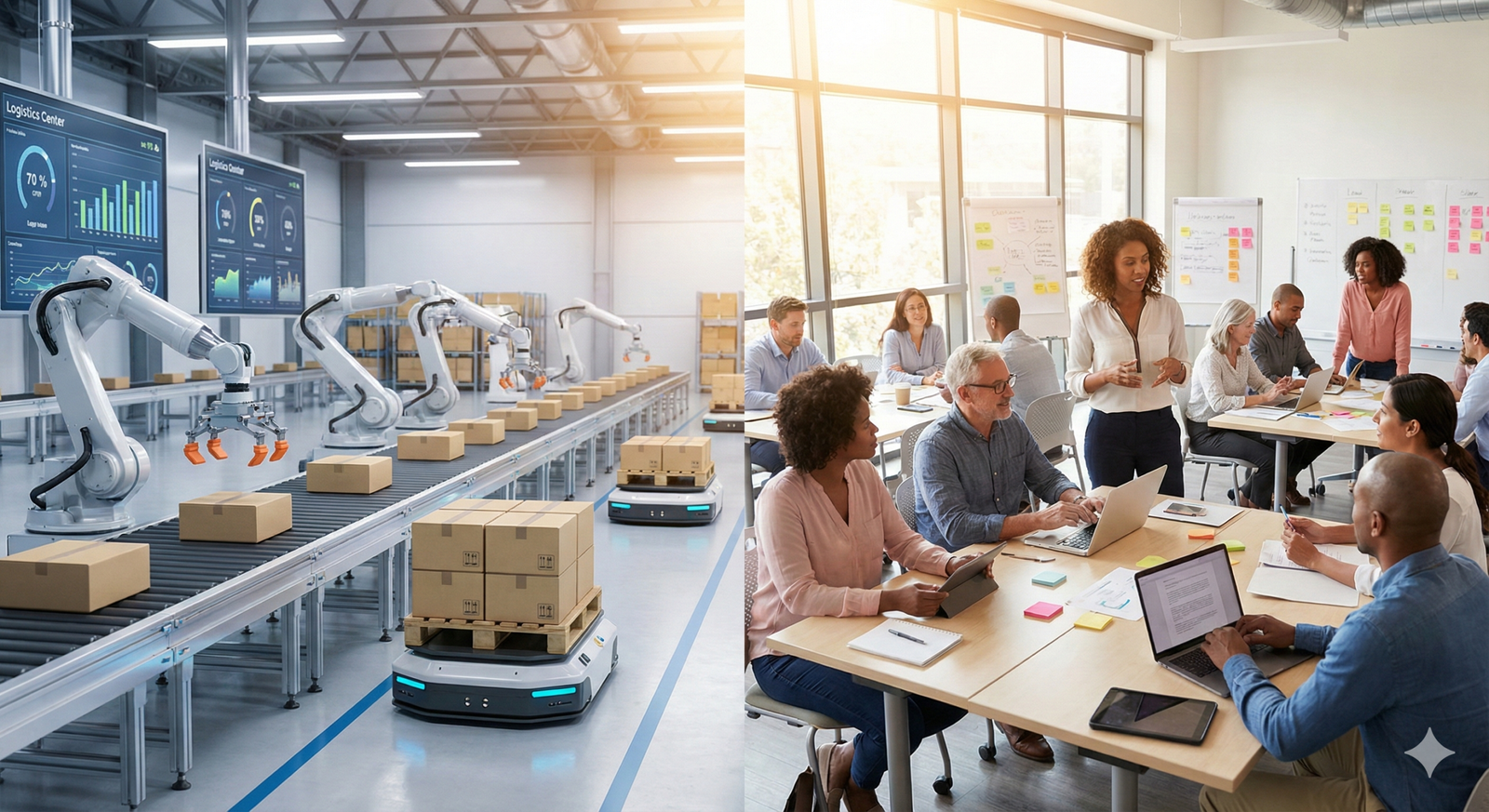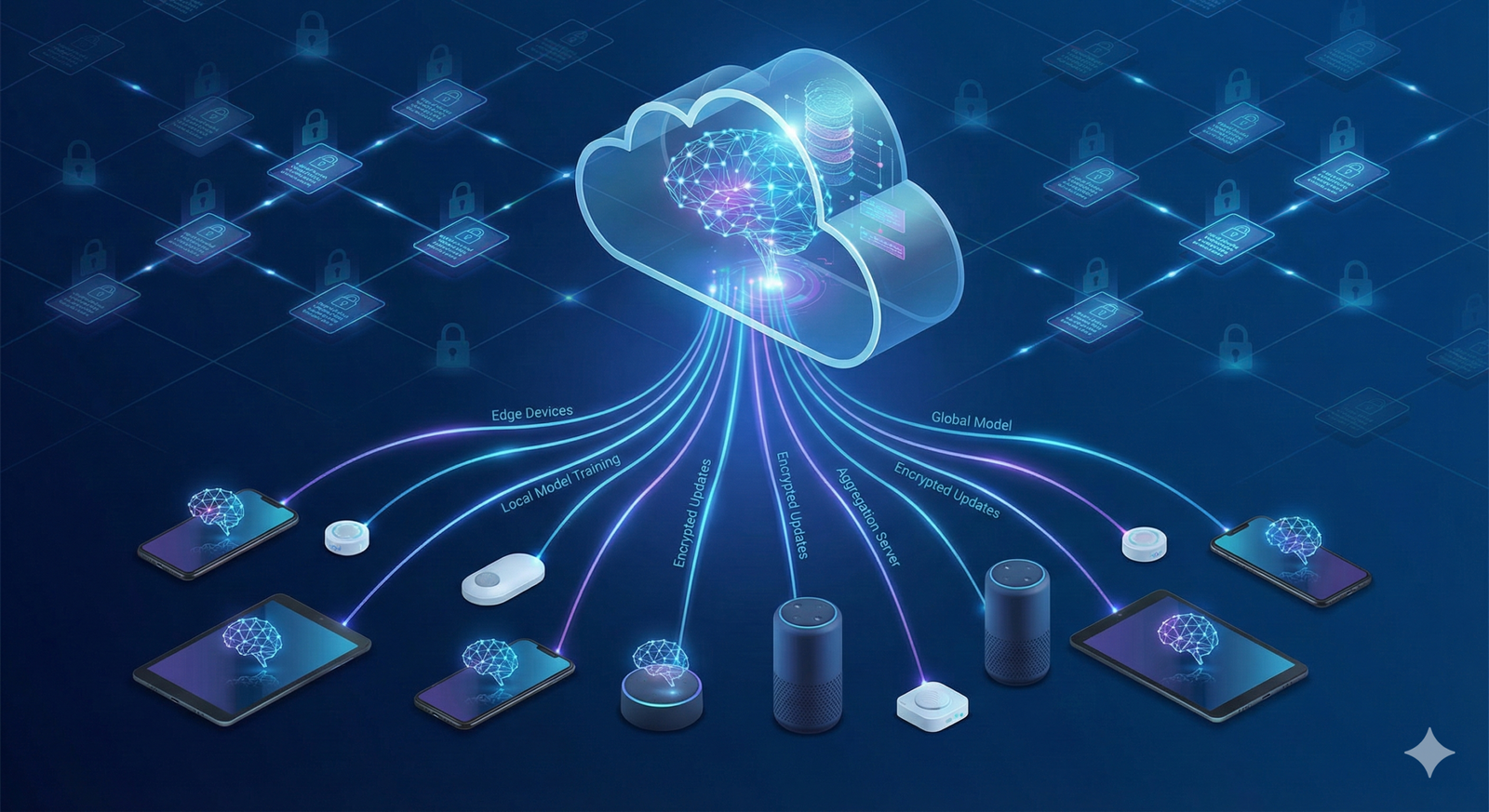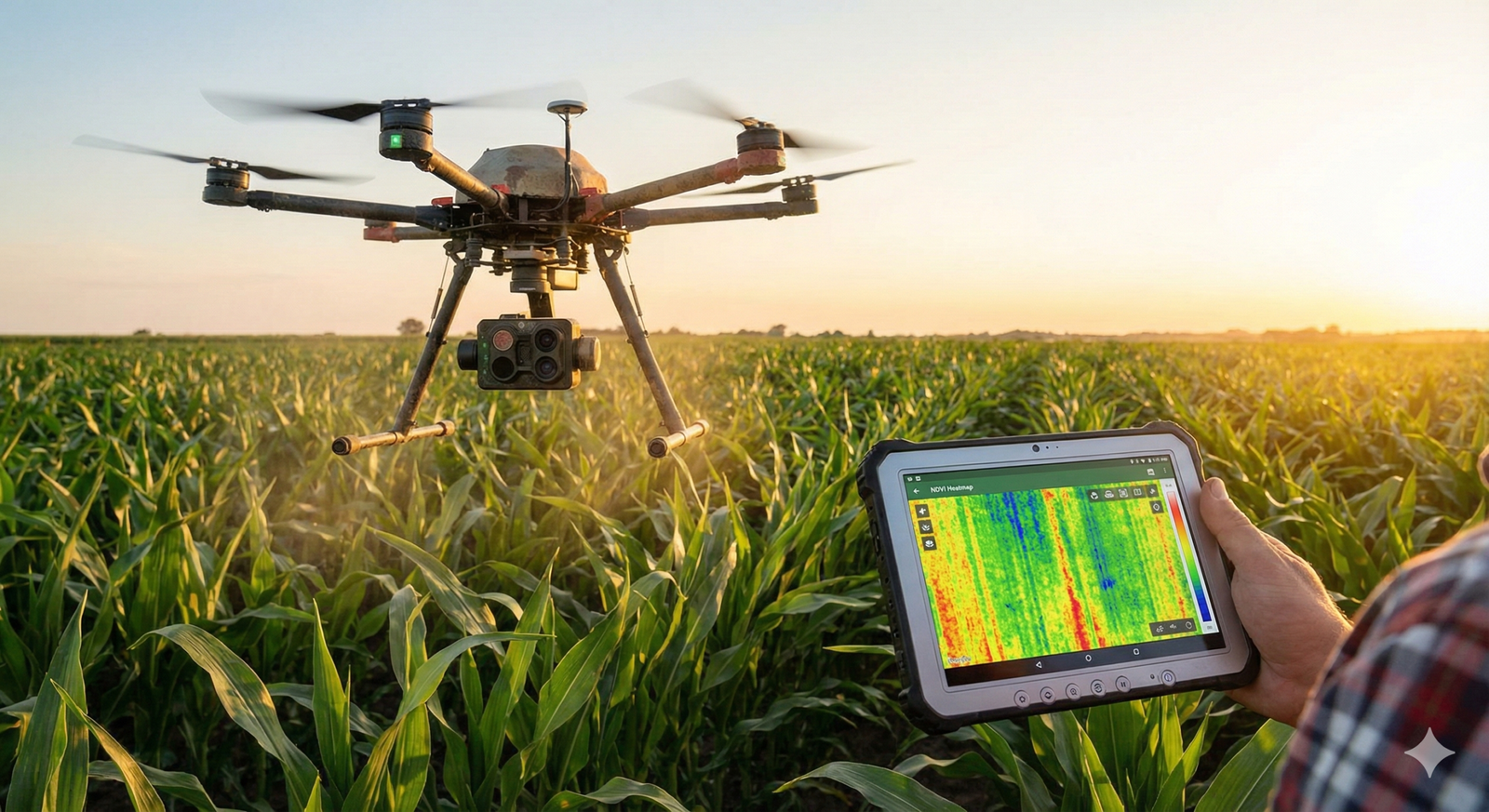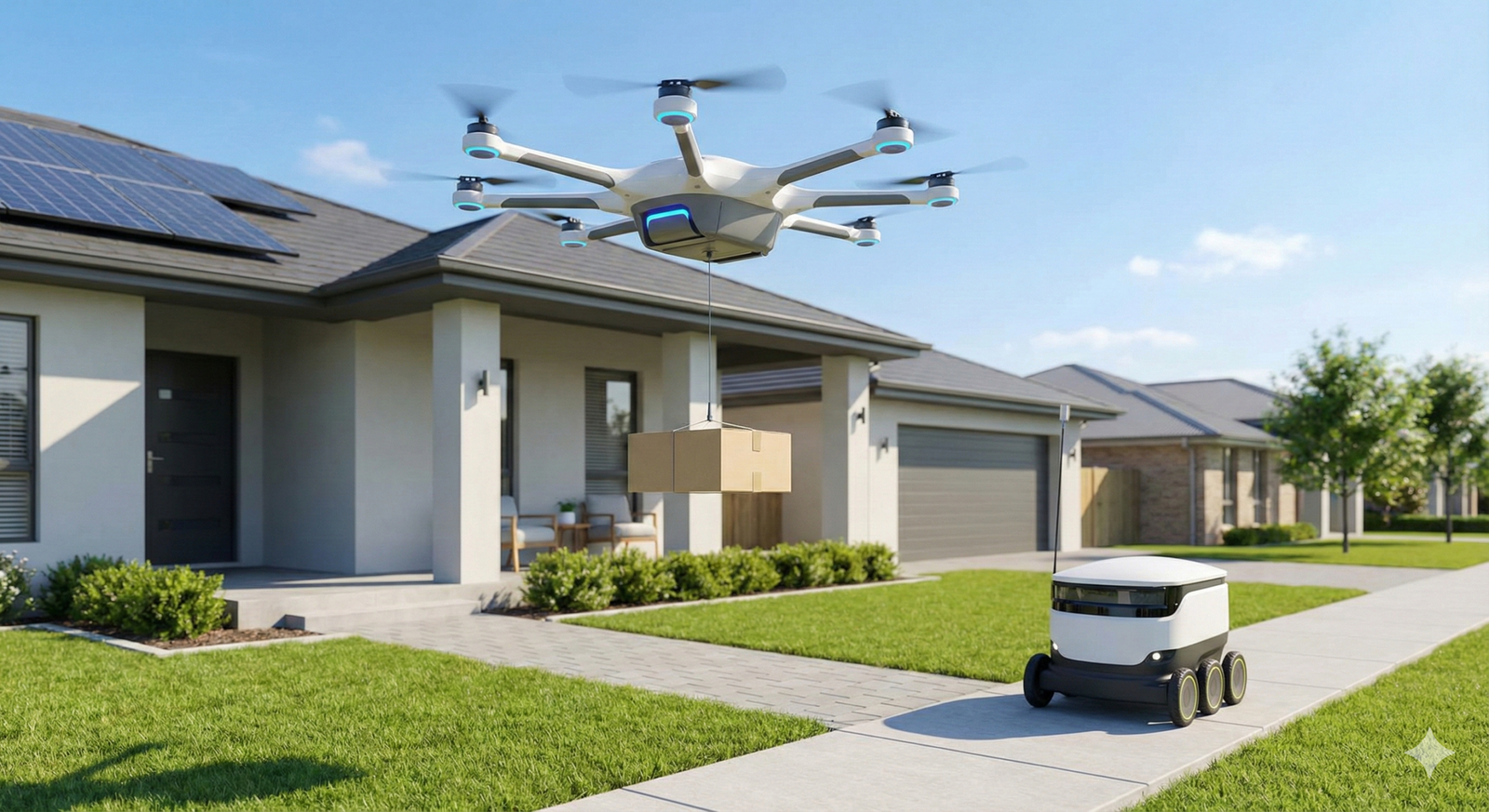
The promise of a package dropping from the sky minutes after you click “buy” has transitioned from science fiction to a burgeoning reality. As we navigate 2026, the logistics landscape is undergoing a radical transformation driven by the urgent need for speed, efficiency, and sustainability. Drones in last-mile delivery and automated ground vehicles are no longer just pilot projects; they are becoming integral components of the modern supply chain.
In this comprehensive guide, we explore the mechanisms, economics, regulations, and real-world applications of automated last-mile logistics. We will examine how these technologies work, the barriers they still face, and what businesses and consumers can expect in the coming years.
Key Takeaways
- Cost Reduction: Automated solutions target the “last mile,” which historically accounts for up to 53% of total shipping costs.
- Speed and Efficiency: Drones can bypass traffic congestion, offering delivery times as short as 15–30 minutes for local goods.
- Regulatory Shifts: As of January 2026, regulatory bodies like the FAA and EASA are slowly standardizing Beyond Visual Line of Sight (BVLOS) operations, though strict safety caps remain.
- Hybrid Models: The most successful implementations currently use a mix of aerial drones for urgent/light items and ground robots for heavier/local deliveries.
- Sustainability: Electrified autonomous delivery significantly reduces carbon footprints compared to traditional diesel delivery vans.
Who This Is For (And Who It Isn’t)
This guide is designed for logistics professionals, supply chain managers, business owners, and tech enthusiasts looking to understand the operational and strategic implications of automated delivery.
- It is not a technical engineering manual on how to build a drone.
- It is not a speculative sci-fi piece; we focus on technology and regulations available or in active testing as of early 2026.
The “Last-Mile” Problem: Why Automation Matters
To understand the rise of automation, we must first define the problem. The “last mile” refers to the final step of the delivery process—from a distribution hub to the customer’s doorstep. Despite being the shortest leg of the journey, it is disproportionately expensive, inefficient, and polluting.
The Cost of Convenience
In traditional logistics, a large truck moves goods cheaply between cities (the “middle mile”). However, once that truck reaches a local depot, packages must be sorted and loaded into smaller vans that stop at dozens of individual houses. This process is labor-intensive, fuel-inefficient, and plagued by urban congestion. Industry estimates suggest that the last mile comprises roughly 40% to 53% of the total cost of shipping.
The Human Constraint
Human drivers are essential but have limitations:
- Traffic: Drivers get stuck in gridlock.
- Parking: Finding legal parking in dense cities consumes time.
- Physical limits: Drivers need breaks and can only work certain hours (without overtime costs).
- Error rates: Misplaced packages or missed delivery windows occur due to human error.
Automated logistics aims to solve these friction points by removing the driver from the equation for specific types of deliveries, allowing for 24/7 operations and immunity to traffic jams (in the case of drones).
How Drones and Automated Logistics Work
Automation in the last mile generally falls into two physical categories: Uncrewed Aerial Systems (UAS), commonly known as drones, and Autonomous Ground Vehicles (AGVs), often called sidewalk robots or delivery bots.
1. Aerial Delivery Drones
These devices fly goods from a fulfillment center directly to a customer.
- Mechanism: Most delivery drones are multi-copters (using multiple propellers for stability) or fixed-wing hybrids (taking off vertically like a helicopter but flying forward like a plane for efficiency).
- Delivery Method:
- Tether Drop: The drone hovers 20–30 feet above the ground and lowers the package on a winch (used by Wing and others). This is safer as the drone never touches the ground.
- Land and Drop: The drone lands on a designated pad, releases the package, and takes off (used by Amazon Prime Air).
- Parachute: The drone releases the package with a parachute (used by Zipline).
- Navigation: They use GPS, computer vision, and LIDAR to navigate and avoid obstacles like trees, power lines, and birds.
2. Sidewalk Robots (AGVs)
These are small, cooler-sized boxes on wheels that travel on sidewalks at pedestrian speeds (3–4 mph).
- Mechanism: Six-wheeled electric rovers equipped with cameras and sensors.
- Operation: They are loaded at a hub or a retail store/restaurant. They drive autonomously to the destination. Upon arrival, the customer receives a notification and unlocks the robot’s lid via a smartphone app.
- Use Case: Best for ultra-local food delivery, groceries, and university campuses.
3. Autonomous Road Vehicles
Larger than sidewalk bots, these are essentially driverless vans or pods that operate on public roads.
- Mechanism: They function like autonomous cars (Waymo, Cruise tech) but are purpose-built for cargo.
- Operation: They can carry hundreds of packages. Some concepts involve a “mothership” van that releases smaller robots or drones once it enters a neighborhood.
Regulatory Landscape: The Key Enabler
Technology has outpaced regulation for years, but the gap is closing. As of January 2026, the regulatory environment is more permissive than in the early 2020s, but strict safety gates remain.
United States (FAA)
The Federal Aviation Administration (FAA) controls the national airspace. Key regulations include:
- Part 107: The baseline rule for commercial drone operators, which generally requires the pilot to keep the drone within visual line of sight (VLOS). This kills the business case for delivery.
- Part 135 Certification: This is the “air carrier” certification required for drone delivery companies to operate beyond visual line of sight (BVLOS) and carry property for compensation. Earning this certification is rigorous and expensive.
- BVLOS Waivers: As of 2026, the FAA has streamlined the waiver process for BVLOS operations, moving toward a standard rule. This allows approved operators to fly drones over populated areas without a human watcher for every mile, provided they have robust “detect-and-avoid” technology.
- Remote ID: All commercial drones must broadcast their identity and location, acting as a “digital license plate” for safety and accountability.
European Union (EASA)
The European Union Aviation Safety Agency (EASA) has established the “U-space” framework.
- U-space: A set of services and procedures designed to manage drone traffic safely and efficiently. It integrates drones into the broader airspace management system.
- Specific Category: Delivery operations usually fall into the “Specific” category, requiring a risk assessment (SORA) and operational authorization.
Asia-Pacific Trends
Countries like China and Japan have arguably moved faster in certain sectors.
- China: Extensive use of heavy-lift drones for rural logistics and food delivery in dense urban centers has been permitted under specific pilot zones.
- Japan: Facing an aging population and driver shortages, Japan has accelerated regulatory approvals for drone deliveries to rural islands and mountainous regions.
Benefits of Automation in Last-Mile Delivery
Why are companies investing billions into this technology? The return on investment (ROI) comes from three main areas.
1. Speed and Customer Satisfaction
In the on-demand economy, speed is currency. Drones can travel “as the crow flies,” ignoring stoplights and traffic jams. A 5-mile delivery that takes a van 25 minutes might take a drone 6 minutes. This makes instant delivery viable for:
- Hot food.
- Emergency medicine (epinephrine, blood, defibrillators).
- Urgent spare parts.
2. Reduced Operational Costs
While the upfront capital for drones is high, the variable cost per delivery is low.
- Energy: Moving a 2lb burrito in a 4,000lb gas-powered car is energetically wasteful. A 20lb drone uses a fraction of that energy.
- Labor: One human supervisor can monitor a fleet of 10–20 autonomous drones or robots, drastically reducing the labor cost per unit.
3. Sustainability and Carbon Footprint
Electrification is the standard for automated logistics.
- Emissions: Replacing diesel vans with electric drones and robots reduces local air pollution (NOx, particulate matter) and greenhouse gas emissions.
- Congestion: Taking delivery vans off the road reduces overall traffic, improving the flow for everyone else.
Challenges and Barriers to Adoption
Despite the progress, several hurdles prevent drones in last-mile delivery from becoming ubiquitous in every neighborhood.
1. Technical Limitations
- Battery Density: Flight time is limited by battery weight. Most delivery drones have a round-trip range of 10–15 miles carrying a light payload (under 5 lbs).
- Weather: Drones struggle in high winds, heavy rain, snow, or extreme heat. Ground robots can get stuck in snowbanks or struggle with icy sidewalks.
- Payload Capacity: You cannot deliver a sofa or a 50lb bag of dog food with a standard quadcopter. Automation is currently limited to small, light parcels.
2. Privacy and Noise Concerns
- Noise Pollution: The “buzz” of a drone is higher pitched and more annoying to the human ear than the low rumble of a truck. Companies are engineering quieter propellers, but a swarm of drones in a quiet suburb remains a point of contention.
- Surveillance: Citizens worry that delivery drones equipped with cameras are recording their backyards. Privacy laws (GDPR, CCPA) apply, but enforcement is complex.
3. Infrastructure and Urban Design
- Drop-off Zones: Where does the drone land? Apartment buildings lack front lawns. Balconies are unsafe.
- Vandalism: Sidewalk robots are prone to being kicked, tipped over, or stolen.
- Airspace Management: Managing thousands of drones in a city requires a sophisticated unmanned traffic management (UTM) system to prevent collisions.
Real-World Examples: Who is Doing It?
As of 2026, the market has moved beyond “concepts” to active operations.
Zipline
Originally famous for delivering blood in Rwanda, Zipline has expanded globally. Their “Platform 2” system uses a fixed-wing drone that hovers high up and lowers a “droid” (a small package container with its own propellers) on a tether. The droid maneuvers strictly to the landing spot. This allows for incredibly precise, quiet delivery even in tight suburban spaces.
Wing (Alphabet/Google)
Wing operates extensively in Australia, Finland, and parts of the US (like Texas). They utilize a tether-drop mechanism. Wing focuses heavily on integrating with local merchants—pharmacies, coffee shops, and fast food—turning local stores into fulfillment hubs.
Amazon Prime Air
Amazon has iterated through multiple drone designs. Their focus is on full integration with their massive fulfillment network. Their MK30 drone (announced previously and active in 2026) is designed to fly in light rain and is significantly quieter than previous models.
Starship Technologies
The leader in sidewalk robotics, Starship operates on hundreds of university campuses. Students order food via an app, and the robot meets them at their dorm. It has proven that ground-based automation is viable, safe, and socially accepted in controlled environments.
Safety and Security Protocols
Ensuring the safety of people and property on the ground is the primary directive for regulators and operators.
Redundancy
Aviation safety relies on redundancy. Delivery drones typically have:
- Multiple Motors: If one motor fails, the others can compensate to land safely.
- Parachutes: In a catastrophic failure, a ballistic parachute deploys to slow the descent.
- Geofencing: Digital boundaries prevent drones from flying into “no-fly zones” like airports or schools.
Cybersecurity
Automated logistics fleets are IoT (Internet of Things) devices. They are vulnerable to hacking, GPS spoofing, or jamming.
- Encryption: Command and control links are heavily encrypted.
- Failsafes: If a drone loses connection to the control center, it is programmed to return to base or land immediately at a safe designated spot.
The Economics: A Comparative Analysis
Is it actually cheaper? Let’s look at the numbers. Note that costs vary wildly by region and scale, but these are general industry benchmarks for 2026.
| Metric | Human Courier (Van) | Delivery Drone | Sidewalk Robot |
| Cost Per Delivery | $4.00 – $6.00 | $1.50 – $4.00 (at scale) | $0.80 – $2.00 |
| Speed | 10 – 60 mins (Traffic dependent) | 10 – 20 mins | 30 – 45 mins |
| Payload | High (100+ lbs) | Low ( < 5-10 lbs) | Low/Med (20-30 lbs) |
| Range | High (100+ miles) | Low (10-15 miles) | Low (2-4 miles) |
| Weather Impact | Low | High | Medium |
Analysis:
- Drones win on speed and cost for urgent, light items.
- Sidewalk Robots win on cost for short-range, non-urgent food/grocery items.
- Vans remain the king of heavy, bulk, and long-distance routes.
The “holy grail” for logistics companies is a multimodal approach: using vans for the bulk routes and deploying drones/bots only where they offer a specific mathematical advantage.
Social Impact and Labor Concerns
A common fear regarding drones in last-mile delivery is job displacement. If robots do the work, what happens to the drivers?
The Shift in Roles
Automation generally replaces tasks, not entire jobs.
- From Driver to Operator: Drivers may transition into roles monitoring fleet health, loading drones, or performing maintenance.
- New Jobs Created: The industry requires drone pilots, fleet managers, repair technicians, and remote support staff.
The “Gig Economy” Impact
The hardest hit sector may be gig economy drivers (UberEats, DoorDash). Sidewalk robots directly compete with human dashers for short-range food delivery. However, humans are still needed for:
- Complex drop-offs (climbing stairs to a 4th-floor apartment).
- Large catering orders.
- Interaction with restaurants (handling drinks, checking orders).
Automation in logistics is likely to alleviate the labor shortage in the trucking industry rather than cause mass unemployment, as the demand for shipping continues to grow faster than the available workforce.
Implementation Guide: Is Your Business Ready?
For retailers or logistics managers considering automated solutions, here is a checklist to assess readiness.
1. Product Suitability
- Are your items under 5 lbs? (85% of Amazon deliveries are under 5 lbs).
- Are your items time-sensitive (medicine, hot food)?
- Are they durable? (Can they withstand a winch drop?)
2. Location Analysis
- Are you in a dense urban environment (better for bikes/walkers) or a suburban sprawl (perfect for drones)?
- Does local zoning allow for a drone hive or robot charging station?
3. Integration Complexity
- Can your Order Management System (OMS) talk to a drone provider’s API?
- Do you have physical space for a “drone pad” or robot loading bay?
Common Mistakes and Pitfalls
When adopting automated logistics, companies often stumble on these issues:
Overestimating Weather Capabilities
Do not build a business model assuming 365 days of operation. In many climates, drones may be grounded 20–30% of the year due to wind or rain. You must have a backup ground fleet.
Ignoring Community Buy-In
Launching a drone program without engaging the local neighborhood is a recipe for disaster. Noise complaints can shut down pilot programs quickly. Community engagement sessions and noise demonstrations are vital.
Underestimating Insurance Costs
Insuring a fleet of autonomous flying objects carrying customer goods over people’s heads is expensive. Liability coverage for autonomous systems is a specialized and costly market.
Future Trends: What to Expect Beyond 2026
The technology is evolving rapidly. Here is where the industry is heading.
Heavy-Lift Drones
Companies are testing drones capable of carrying 50–500 lbs. These are not for doorstep delivery but for “middle-mile” logistics—moving goods from a central warehouse to a local retail store, bypassing highway traffic.
The “Mothership” Concept
Patented by several companies, this involves a delivery van acting as a mobile hive. The van drives to a neighborhood, releases 5 drones to drop packages at 5 nearby houses simultaneously, and then re-collects them. This combines the range of a van with the efficiency of a drone.
Subterranean Delivery
While not drones, some urban planners are looking at underground pipe networks (maglev pods) to move goods into cities to reduce surface congestion entirely.
Standardization of Vertiports
Just as we have bus stops, future cities may have designated “Vertiports” or drone lockers. Instead of dropping a package in your yard, the drone drops it at a secure locker block at the end of the street, which you unlock with a code. This solves the safety and noise issues of doorstep delivery.
Conclusion
Drones and automated logistics for last-mile delivery represent a fundamental shift in how we move physical goods. What began as a novelty is maturing into a scalable, sustainable, and economically necessary solution for the modern supply chain.
While we are not yet at the stage where every pizza is delivered by a robot, the trajectory is clear. As battery tech improves and regulations standardize, the sky above us and the sidewalks beside us will increasingly become arteries of commerce. For businesses, the question is no longer if automation will happen, but how to integrate it to stay competitive.
Next Steps
If you are a business owner, start tracking the SKU weight of your shipments. If the majority are under 5 lbs and local, you are a prime candidate for future drone integration. Keep an eye on local FAA/EASA waiver announcements in your region to see when pilot programs open up.
FAQs
1. Are delivery drones safe for pedestrians?
Yes, generally. Regulators like the FAA require extensive safety proof before allowing operations over people. Drones use “detect and avoid” sensors to prevent collisions, and most carry parachutes to ensure a slow, safe descent in the event of a total power failure.
2. How much weight can a delivery drone carry?
Most last-mile delivery drones in operation today (like Wing or Amazon Prime Air) are designed for small payloads, typically between 2.5 lbs to 5 lbs (1.1 to 2.3 kg). This covers everyday items like medications, small electronics, or a single meal. Heavy-lift drones exist but are used for industrial cargo, not residential delivery.
3. What happens if someone shoots down or steals a delivery drone?
Shooting down a drone is a federal crime in the US (drones are considered aircraft). Regarding theft, aerial drones are hard to steal as they don’t land (using tethers instead). Sidewalk robots are more vulnerable; however, they are equipped with multiple cameras, GPS trackers, and loud alarms, making theft difficult and risky for perpetrators.
4. Can drones deliver in the rain or snow?
It depends on the model. As of 2026, advanced models like Amazon’s MK30 are water-resistant and can handle light rain. However, heavy storms, high winds, and icing conditions generally ground drone fleets for safety reasons. Ground robots struggle in deep snow but can handle rain well.
5. Will drones replace delivery drivers entirely?
Unlikely. Drones are excellent for small, urgent, local deliveries. They cannot deliver furniture, appliances, or large bulk orders. Human drivers will remain essential for heavy cargo, complex delivery routes, and services requiring customer interaction. Automation will likely create a hybrid workforce.
6. How loud are delivery drones?
Early models were quite loud (resembling a swarm of bees). Newer generations use custom propeller designs to lower the decibel level and change the pitch to a lower frequency that blends better with background traffic noise. They are generally quieter than a diesel delivery truck but still audible.
7. How much does drone delivery cost the consumer?
Currently, many companies subsidize the cost during pilot phases, offering it for free or a low flat fee (e.g., $3–$5). As the technology scales, the cost is expected to be competitive with or lower than standard expedited shipping due to the lack of driver labor and lower energy costs.
8. What is “Beyond Visual Line of Sight” (BVLOS)?
BVLOS refers to flying a drone where the pilot cannot see it with their naked eye. This is crucial for delivery economics. Without BVLOS, a pilot would have to stand every mile to watch the drone, which is too expensive. Regulators are currently expanding approvals for BVLOS operations.
9. Do I need a special landing pad for drone delivery?
Usually, no. Most systems require a clear area roughly the size of a picnic table (like a driveway or backyard). Tether systems drop the package precisely, so a dedicated infrastructure isn’t strictly necessary, though some companies offer “drone mats” with QR codes to help the drone aim.
10. How do sidewalk robots cross the street?
Sidewalk robots use a combination of computer vision (cameras) and sensors to “see” traffic lights and crosswalks. They are programmed to wait for the “Walk” signal and check for oncoming traffic before crossing. In difficult situations, a remote human operator can take control to guide them safely.
References
- Federal Aviation Administration (FAA). (2025). UAS Data Exchange (LAANC) and Part 135 Certification Overview. United States Department of Transportation. https://www.faa.gov/uas
- European Union Aviation Safety Agency (EASA). (2025). Drone Rules: Specific Category and U-Space Implementation. https://www.easa.europa.eu/en/domains/civil-drones
- McKinsey & Company. (2024). The future of the last mile: How to win in the age of automated logistics. https://www.mckinsey.com/industries/travel-logistics-and-infrastructure/our-insights
- Wing. (2025). Wing Delivery Systems: Safety and Environmental Impact Report.
- Zipline. (2025). Platform 2 System Architecture and Acoustics. https://www.flyzipline.com/technology
- Amazon. (2025). Prime Air MK30 Specifications and Operations Guide.
- World Economic Forum. (2024). Governing the Future of Autonomous Last-Mile Delivery. https://www.weforum.org/reports
- Starship Technologies. (2025). 2025 Impact Report: 6 Million Deliveries Milestone.
- Serve Robotics. (2025). Level 4 Autonomy in Urban Sidewalk Delivery. https://www.serverobotics.com/technology
- United Nations Conference on Trade and Development (UNCTAD). (2024). Review of Maritime Transport and Logistics: Automation Chapter. https://unctad.org/topic/transport-and-trade-logistics