| Product Tier | Example | 2026 Price Range | Realistic Buyer Today |
|---|---|---|---|
| Narrow specialist | Robot vacuum and mop hybrids | Roughly 300 to 1,400 dollars | Nearly any household |
| Rolling companion device | Amazon Astro, SwitchBot Onero H1 | Roughly 1,500 to 1,600 dollars | Early adopters, invite-gated in some cases |
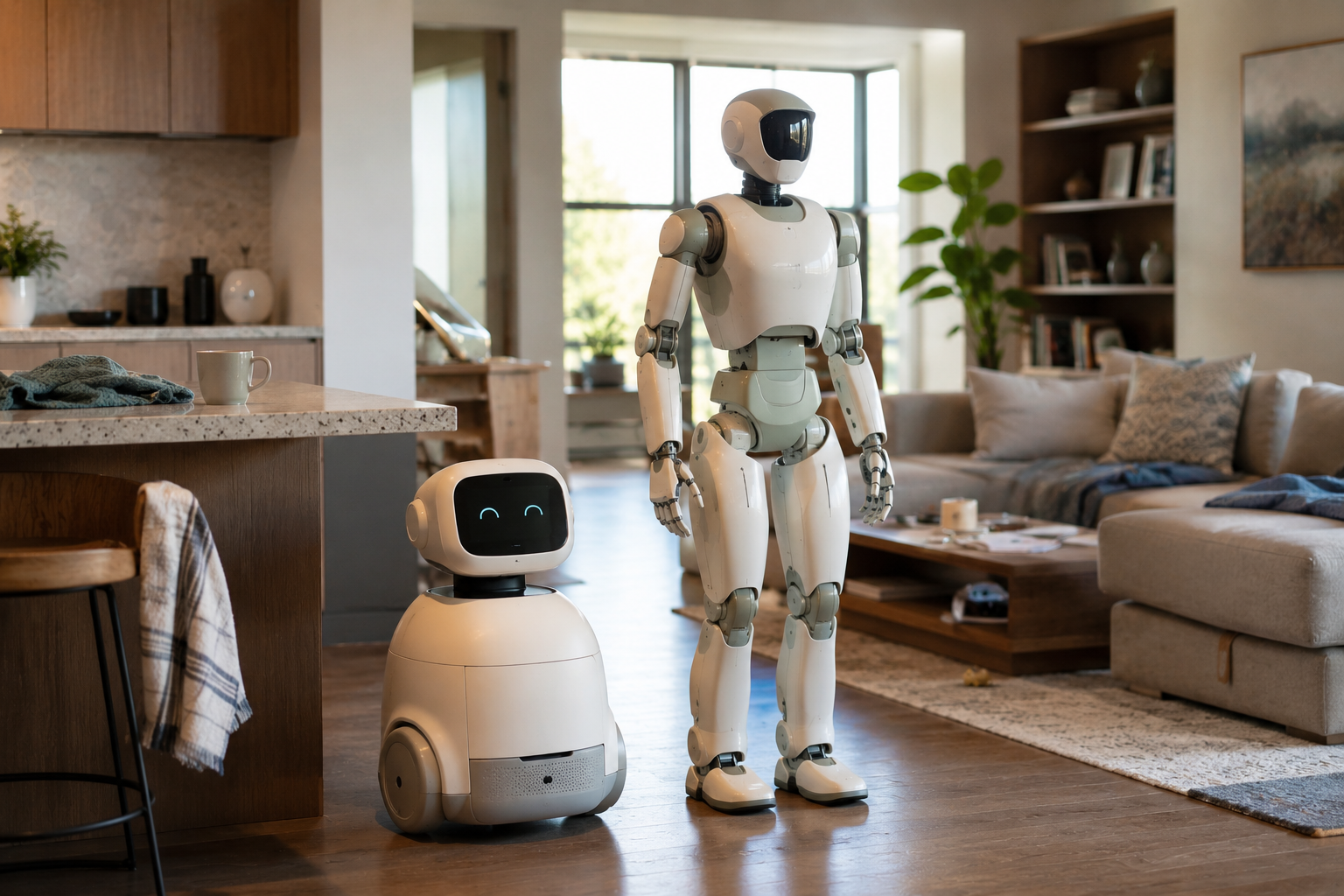
| Consumer humanoid, first generation | 1X NEO | 20,000 dollars or 499 dollars a month | Wealthy early adopters and pilot households |
| Research and developer-grade humanoid | Figure 03 class systems | Estimated 50,000 to 70,000 dollars | Not yet a consumer purchase |
Why “Personal Robot Assistant” Means Something Different in 2026 Than It Did in 2023
For most of the last decade, a personal robot assistant meant a voice-activated speaker or a robot vacuum, both of which stayed firmly in their lane: audio and floors. What has changed by 2026 is that a real, if narrow, category of mobile and even bipedal home robots has moved from lab demo to pre-order page. The clearest signal is 1X Technologies opening pre-orders for NEO, a human-sized robotic assistant designed for domestic life, with the company promising customer shipments in the United States and Canada in the second half of 2026. That is a genuinely new milestone: a humanoid robot with an actual consumer price tag and delivery date, not just a stage demo.
At the same time, this roadmap is not a straight line toward science-fiction butlers. It is better understood as three overlapping tracks moving at very different speeds: mature narrow-task robots that already work well, mid-tier rolling companions with limited manipulation, and early general-purpose humanoids that are real products but still functionally closer to expensive pilots than finished appliances.
Track One: What Is Actually Shipping and Working Now
The most honest starting point for any buyer’s framework is to separate hype from shipped, working hardware. As of 2026, personal robots are helping mostly in narrow, well-defined roles: they vacuum floors, mow lawns, and clean pools with increasing competence, and they do genuinely save time on those specific chores. This is not a small achievement. Robot vacuums have gone from a novelty to a category with real market weight, and the broader robotic vacuum cleaner market is estimated at roughly 7.05 billion dollars in 2026, growing at a compound annual rate near 13.5 percent toward an estimated 13.29 billion dollars by 2031.
Inside that market, competitive dynamics have shifted meaningfully. Roborock overtook the historical category leader iRobot, claiming roughly 16 percent of global robot vacuum market share in a recent quarter, while Ecovacs continues to command a dominant share in China specifically. Roborock’s own 2025 revenue reached an estimated 1.8 billion dollars, driven by rapid expansion across Asia, Europe, and North America. For a buyer, the practical takeaway is that the vacuum and mop tier of personal robotics is mature, competitive, and low risk: multiple credible manufacturers, established service networks, and years of iterative reliability improvements.
What Else Genuinely Works Today
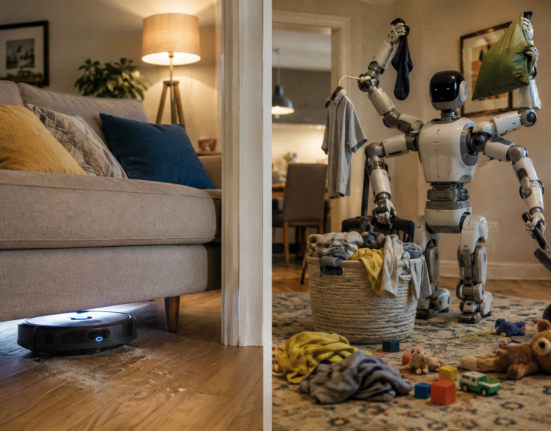
- Robot vacuum and mop hybrids with LiDAR mapping, obstacle avoidance, and auto-empty or auto-refill docking stations.
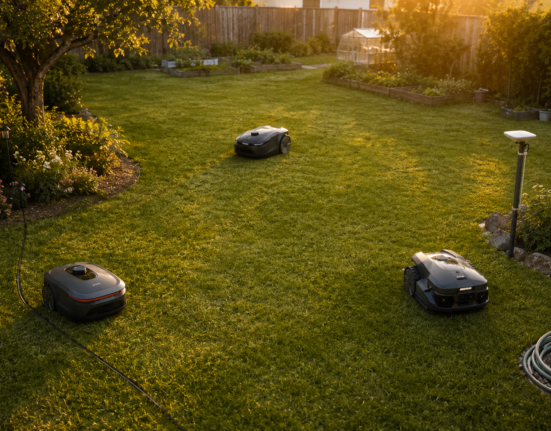
- Robot lawn mowers with boundary mapping that no longer require buried perimeter wires in most new models.
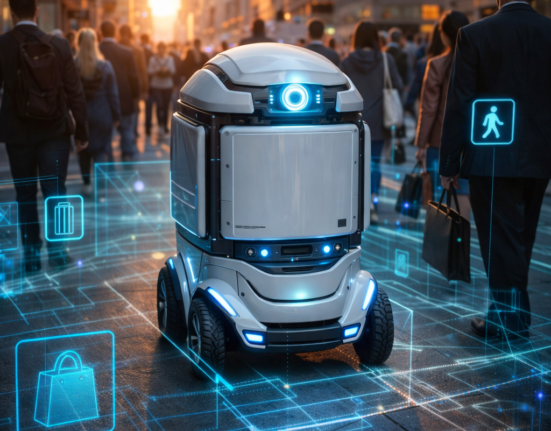
- Rolling home monitoring and companion devices, such as Amazon Astro, which remains available at 1,599 dollars behind an invite gate as the last surviving model in its line.
- Basic voice and screen-based household assistants that handle reminders, simple video calls, and smart home control, though these are not “robots” in the mobile or manipulation sense.
Track Two: What Is Real But Still Early
The second track is where most of 2026’s headlines live, and where buyers most need a reality check. 1X NEO is the clearest example: a humanoid robot with a genuine consumer pre-order page, priced at 20,000 dollars outright or 499 dollars a month, with a factory in Hayward, California that opened in April 2026 to begin producing units for research, internal home testing, and eventually paying customers. That is real progress. It is also, by the company’s own framing, an early-adopter product, not a mass-market appliance, and initial units reportedly rely on a meaningful amount of remote teleoperation support behind the scenes rather than fully autonomous task completion.
Samsung’s Ballie tells the opposite story. The rolling AI companion robot was shown at CES with a promised summer 2025 launch, then was conspicuously absent from CES 2026, and industry observers now describe it as effectively vaporware unless Samsung revives the project. This pattern, a splashy reveal followed by a quiet, unexplained slip, has repeated often enough in consumer robotics that it deserves its own line item in any buyer’s framework: treat every announced release date as provisional until the product is actually shipping to real households.
The Consumer Robot Adoption Curve
A simplified curve showing robot vacuums and mowers already past mainstream adoption, rolling companion devices like Astro sitting in an early-majority niche, first-generation humanoids like NEO occupying the innovator stage with real but limited shipments, and fully general-purpose household humanoids still sitting years to the right, past the current edge of the curve.
Track Three: What Remains Genuinely Years Away
The tasks that would make a personal robot assistant feel like the household help many buyers actually want, folding laundry, tidying clutter, loading a dishwasher, assisting an elderly relative with daily routines, remain aspirational for the overwhelming majority of households. Multi-purpose robots such as LG’s CLOi, Samsung’s Bot Handy concept, and Neura’s Aloha 2 are described even by generally optimistic industry coverage as promising but unproven in real-world conditions, with a recommendation to wait for independent reviews and at least one additional hardware generation before trusting them with real household responsibilities.
The blunt economic reality is captured well in one widely echoed observation: outside of floor cleaning, no home robot in 2026 reduces household labor enough to justify its cost, and the time saved by a robot that folds five shirts an hour at a multi-thousand-dollar price point simply does not add up compared to doing the task yourself or paying occasional help. This is not a permanent verdict, but it is the correct starting assumption for anyone shopping in 2026.
| Capability | Status in 2026 | Realistic Timeline to Mainstream |
|---|---|---|
| Floor vacuuming and mopping | Mature and mainstream | Already here |
| Lawn mowing without buried wire | Mature, rapidly improving | Already here |
| Basic object fetch and carry | Early, limited to simple flat objects | 1 to 2 years for narrow use cases |
| Laundry folding | Demoed, extremely slow in practice | 3 to 5 years for practical speed |
| General household tidying | Research stage | 5 or more years |
| Reliable elder care assistance | Pilot programs only | 5 or more years, plus regulatory work |
How-To: A Practical Buyer’s Framework for 2026 and 2027
Given this three-track reality, here is a step-by-step approach for evaluating whether, and what, to buy.
Step 1: Separate the Chore from the Fantasy
Write down the single specific task you want automated, such as “keep the kitchen floor clean” rather than “help around the house.” Specific, narrow tasks map to mature products; vague aspirations map to expensive disappointments.
Step 2: Match the Task to a Proven Tier
If the task is floor cleaning, lawn mowing, pool cleaning, or basic home monitoring, you are shopping in a mature, competitive market with multiple reliable manufacturers and real service history. Buy with confidence, focusing on brand reputation and app quality rather than novelty features.
Step 3: Treat Anything Involving Manipulation as a Pilot, Not a Purchase
If the task requires picking up, folding, or manipulating varied household objects, recognize that you are functionally beta-testing hardware, even if the company calls it a shipping product. Budget accordingly, expect firmware updates to change behavior significantly, and do not expect the robot to replace the labor it is marketed as replacing.
Step 4: Discount Every Announced Release Date
Given the Ballie precedent, assume any publicly announced consumer robot release date can slip by a year or more, or be quietly cancelled. Wait for confirmed shipping units and independent reviews rather than pre-order marketing copy before committing significant money.
Step 5: Price the Robot Against the Labor It Actually Replaces
Calculate realistic time saved per week and compare it honestly against the purchase price plus any subscription fee, such as NEO’s 499 dollars a month option. For most manipulation-heavy robots in 2026, this math still does not favor the robot over hiring occasional help or simply doing the task yourself.
Step 6: Watch the Foundation Model Layer, Not Just the Hardware
Companies such as Physical Intelligence are building general-purpose foundation models intended to power many different robot bodies, and this software layer, more than any single robot’s hardware generation, is likely to determine how quickly manipulation tasks improve. A hardware refresh paired with a genuinely better foundation model is a stronger signal of real progress than a hardware refresh alone.
Common mistake
Buying a general-purpose humanoid or multi-task home robot expecting it to replace a meaningful amount of household labor immediately. Even well-funded, well-reviewed 2026 products such as first-generation NEO units are early-adopter hardware that still depends on significant remote assistance and firmware maturation, not a finished labor-saving appliance.
What worked
Buyers who matched their expectations to the three-track model, mature narrow specialists for real chores, and treated humanoid and manipulation robots strictly as pilot hardware, reported far higher satisfaction than buyers who purchased a headline-grabbing humanoid expecting general household help on day one.
Frequently Overlooked Details in the Roadmap
- Teleoperation dependencySeveral first-generation consumer humanoids rely on remote human operators for a meaningful share of tasks during early deployment, which is rarely disclosed prominently in marketing materials.
- Subscription versus ownershipFinancing options like NEO’s monthly plan change the real cost comparison significantly compared to a one-time purchase, and buyers should model total cost over at least three years.
- Software-driven capability changesA robot’s abilities in 2027 may differ substantially from its abilities at purchase, since foundation model updates can add or change behaviors post-sale, for better or worse.
- Service and repair infrastructureMature categories like vacuums have wide repair and parts networks; early humanoid categories generally do not, raising the practical cost of any hardware failure.
- Regional availability gapsMany announced products, including invite-gated devices, roll out to limited regions first, and national or global availability often lags the initial announcement by a year or more.
- Data and privacy scopeMobile home robots with cameras and microphones collect substantially more household data than a stationary vacuum, and buyers should review data retention and sharing policies specifically for mobile, camera-equipped devices.
What This Means for the Next Two Years
The realistic near-term roadmap for personal robot assistants is not a single dramatic leap but a continued widening gap between two tracks: narrow specialists getting cheaper and more reliable every year, and general-purpose humanoids getting real pre-orders and factories but still needing several more hardware and software generations before they deliver on the household-help promise at a price most families can justify. Readers interested in the broader shift toward humanoid form factors should also see our companion coverage on why humanoid is becoming the preferred design choice across robotics categories, and readers weighing whether the current generation of home robots is worth buying at all should see our follow-up assessment of what home robots actually deliver beyond vacuuming heading into 2027.
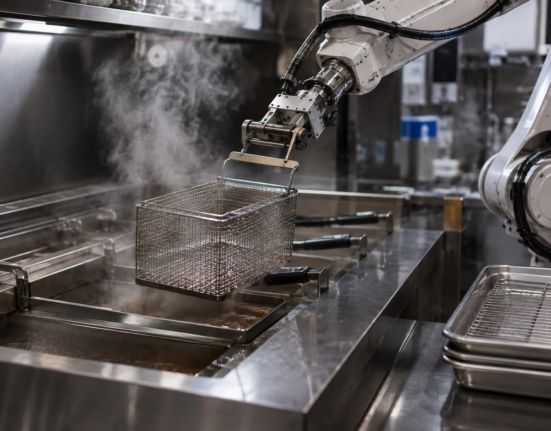
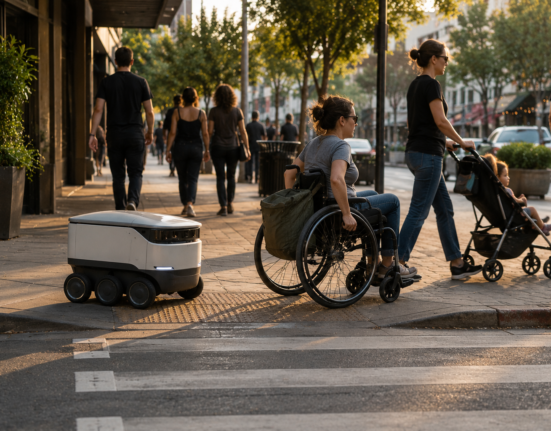
For households specifically interested in food-related automation, our reporting on kitchen and food service robotics covers a parallel consumer and commercial roadmap, while readers focused purely on outdoor chores may prefer our comparison of robot lawn mowers, one of the few fully mature categories discussed here. As these devices increasingly operate in shared spaces beyond the home, our piece on robot etiquette in shared public spaces is a useful companion read.
Key Takeaways
- Personal robot assistants in 2026 split into three tracks: mature narrow specialists, early rolling companions, and pre-order-stage humanoids.
- Robot vacuums and mowers are a genuinely mature, competitive, low-risk category worth buying today without hesitation.
- 1X NEO’s 20,000 dollar or 499 dollar monthly pre-order marks a real milestone, but early units still depend heavily on remote human assistance.
- Samsung’s Ballie going missing from CES 2026 after a promised 2025 launch is a cautionary tale for trusting announced release dates.
- Manipulation tasks like laundry folding and tidying remain unproven and uneconomical for nearly all households as of 2026.
- A sound buyer’s framework matches task specificity to product maturity and treats every manipulation robot purchase as pilot participation, not appliance ownership.
- Foundation model progress from companies like Physical Intelligence may matter more than any single hardware refresh for how fast real capability improves.
Glossary
- Foundation model (robotics)
- A general-purpose machine learning model trained to control many different robot bodies and tasks, intended to be adapted across manufacturers rather than built separately for each robot.
- Teleoperation
- Remote human control of a robot’s actions, often used during early deployments to handle tasks the robot’s autonomous software cannot yet reliably complete on its own.
- Rolling companion device
- A wheeled home robot, typically without arms, designed for monitoring, basic interaction, and light mobility rather than object manipulation.
- Consumer humanoid
- A bipedal or human-shaped robot marketed for direct home purchase or subscription, distinct from industrial or research-only humanoid platforms.
- Auto-empty or auto-refill dock
- A docking station that automatically empties a robot vacuum’s dustbin or refills and drains a mop’s water tank without user intervention between cleaning cycles.
FAQs
What personal robot assistants can I actually buy and rely on in 2026?
Robot vacuums and mops, robot lawn mowers, and basic rolling monitoring devices like Amazon Astro are mature and reliable today. These narrow-task robots have years of iteration behind them and represent the lowest-risk purchases in the personal robotics category.
How much does a home humanoid robot cost in 2026?
1X NEO is priced at 20,000 dollars outright or 499 dollars a month through a subscription option, with first customer deliveries expected in the second half of 2026. Research-grade platforms like Figure 03 are estimated at 50,000 to 70,000 dollars and are not yet sold directly to consumers.
Is Samsung Ballie still coming out?
As of 2026, Ballie’s status is unclear. It was promised for a summer 2025 launch, was absent from CES 2026, and industry observers now describe it as effectively vaporware unless Samsung formally revives the project with a new announcement.
Can any home robot fold laundry or tidy a room reliably?
Not yet at a practical, cost-justified pace. Demonstrated laundry-folding robots exist but work slowly, and multi-purpose tidying robots such as LG CLOi and Samsung Bot Handy remain unproven in real households, with independent reviewers recommending buyers wait for further generations.
Why do humanoid robots still need remote human operators?
Current autonomous software cannot yet reliably handle the full range of unpredictable situations in real homes, so companies use remote teleoperation to fill gaps during early deployment, improving the training data and reliability of the autonomous system over time.
Is it worth buying a first-generation consumer humanoid robot?
Only if you are comfortable being an early adopter participating in what is functionally a hardware and software pilot, understanding that capabilities, reliability, and even pricing may change significantly before the category matures into a true mass-market appliance.
How big is the robot vacuum market compared to humanoid home robots?
The robot vacuum cleaner market alone is estimated at roughly 7.05 billion dollars in 2026, a mature and highly competitive space, while consumer humanoid sales remain in the early thousands of units globally, reflecting the gap in market maturity between the two categories.
What should I prioritize when comparing personal robot assistant options?
Match the specific chore you want solved to a product tier that has already proven reliability for that exact task, discount announced release dates until independent reviews confirm shipping units, and calculate total cost including any subscription fees against realistic time savings.
References
- Standard Bots, “Best Robots in 2026: From Industry to Home Use”
- RobotShop Community, “Is NEO Your Next Robot Companion? The Arrival of Humanoids in Households Begins in 2026”
- Supertrends AG, “Personal Robots in 2026: Between Useful Appliances and Unfinished Dreams”
- The Gadgeteer, “Home Robots in 2026: What’s Shipping, What’s Vaporware”
- Global Brands Magazine, “1X NEO Humanoid Robot: A Bold 20K Dollar Bet on Robotics”
- ThePlanetTools.ai, “1X NEO: 20,000 Dollar Home Robot Lands End of 2026”
- RoboZaps Blog, “Humanoid Robot Price 2026”
- Mordor Intelligence, “Robotic Vacuum Cleaner Market Size, Growth Report”
- Spherical Insights, “Top 20 Companies in Global Robot Vacuum Cleaners Market”
Related reading: for more on why bipedal design is winning across robotics categories, see why humanoid is the preferred form factor for 2026. For the harder-edged verdict on which home robots actually deliver, see home robots in 2027: what actually works beyond vacuuming.