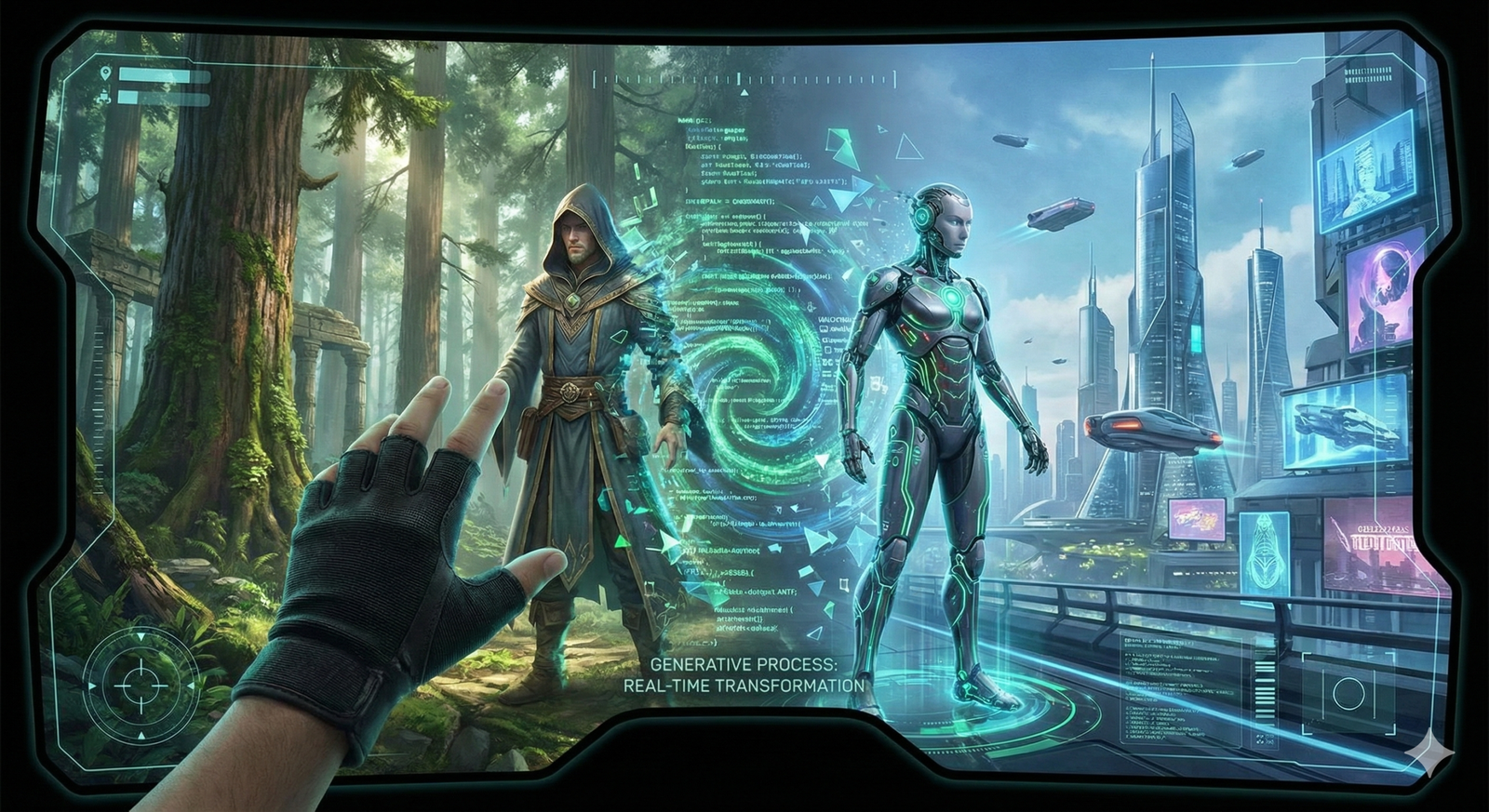
The landscape of the modern workplace is undergoing its most significant shift since the Industrial Revolution. As of February 2026, the conversation has moved past “Will AI replace us?” to a more sophisticated reality: “How do we work alongside our digital colleagues?” This transition is known as AI agent onboarding.
AI agent onboarding is the strategic process of integrating autonomous or semi-autonomous digital workers into an organization’s existing workflows, social structures, and cultural norms. Unlike traditional software installation, onboarding an AI agent requires a “human-first” approach that addresses psychological safety, role definition, and long-term collaboration. It is less about the code and more about the culture.
Key Takeaways
- Trust is the Foundation: Successful integration relies on transparency regarding what the AI can and cannot do.
- Augmentation over Replacement: Culture thrives when employees see AI agents as “force multipliers” rather than competitors.
- Phased Implementation: Start with low-stakes pilot programs to build internal confidence before scaling.
- Continuous Feedback Loops: AI agents, like humans, require “performance reviews” and cultural calibration.
Who This Is For
This guide is designed for Chief People Officers (CPOs), IT Directors, Change Management Consultants, and Team Leads who are tasked with bringing “Agentic AI” into their departments. Whether you are a mid-sized firm or a Fortune 500 enterprise, these principles apply to any organization looking to modernize without losing its soul.
Understanding the “Agent” in the Corporate Context
Before we dive into the “how,” we must define the “what.” In 2026, we distinguish between standard AI tools (like a basic chatbot) and AI Agents. An agent is characterized by its ability to plan, use tools, and execute multi-step tasks with minimal human intervention.
When you onboard an agent, you aren’t just adding a tab to a browser; you are adding a functional member to a team. This member might handle customer service inquiries, draft legal briefs, or manage complex supply chain logistics. Because these agents have a high degree of autonomy, their presence is felt more acutely by the human staff. If not introduced correctly, they can trigger “automation anxiety,” leading to decreased morale and productivity.
Pillar 1: Cultural Readiness and Psychological Safety
The biggest barrier to AI adoption isn’t technical debt; it’s emotional debt. Employees who fear for their jobs will subconsciously (or consciously) sabotage the integration of AI agents.
Assessing Your Culture
Before the first line of an AI agent’s code is deployed, leadership must conduct a cultural audit. Ask these questions:
- How has the company handled past technological shifts?
- Is there a high level of trust between management and staff?
- Do employees feel empowered to learn new skills, or are they overwhelmed by their current workload?
The “Safety First” Communication Strategy
Transparency is your most valuable asset. As of February 2026, leading firms are adopting “AI Transparency Manifestos.” These documents explicitly state that AI is being introduced to handle “drudgery” (repetitive, low-value tasks) to free up humans for “discovery” (creative, high-value work).
Pro-Tip: Avoid using the term “Efficiency Gains” in general meetings. While true for the bottom line, it translates to “Job Cuts” in the minds of employees. Instead, use “Capacity Expansion.”
Pillar 2: The Onboarding Framework (Step-by-Step)
To treat an AI agent like a team member, you must follow an onboarding path similar to a human hire.
Step 1: Role Definition (The Job Description)
Just as you wouldn’t hire a human without a job description, you shouldn’t deploy an AI agent without a clear scope.
- What is its name? Giving an agent a non-human but distinct name (e.g., “Nexus” or “The Research Assistant”) helps set boundaries.
- Who is its manager? Every AI agent needs a human “handler” responsible for its output and ethical behavior.
- What are its KPIs? Is the agent measured by speed, accuracy, or customer satisfaction?
Step 2: The “Welcome” Phase
Introduce the AI agent to the team it will be supporting. In a “human-first” culture, this involves a “Meet the AI” session. Show the team what the agent does, where its data comes from, and how it makes decisions. This demystifies the “black box” and begins the process of building trust.
Step 3: Shadowing and Calibration
During the first 30 days, the AI agent should operate in a “shadow mode.” It suggests actions, but a human must approve them. This period allows the human staff to “train” the agent on the nuances of the company’s specific culture—its tone of voice, its unique acronyms, and its unspoken rules.
Pillar 3: Upskilling the Human Workforce
Integrating AI agents into corporate culture is a two-way street. While the agent learns the business, the humans must learn “AI Literacy.”
From Doers to Reviewers
The most significant shift for employees will be moving from “doing the work” to “reviewing the work.” This requires a new set of skills:
- Prompt Engineering: Learning how to give clear, contextual instructions.
- Critical Evaluation: Developing the “eye” to spot hallucinations or biases in AI output.
- Strategic Oversight: Managing a fleet of digital agents to achieve a larger goal.
Continuous Learning Paths
As of 2026, the shelf life of technical skills is shorter than ever. Organizations must provide dedicated time—at least 10% of the work week—for employees to experiment with and learn about the evolving capabilities of their AI agents.
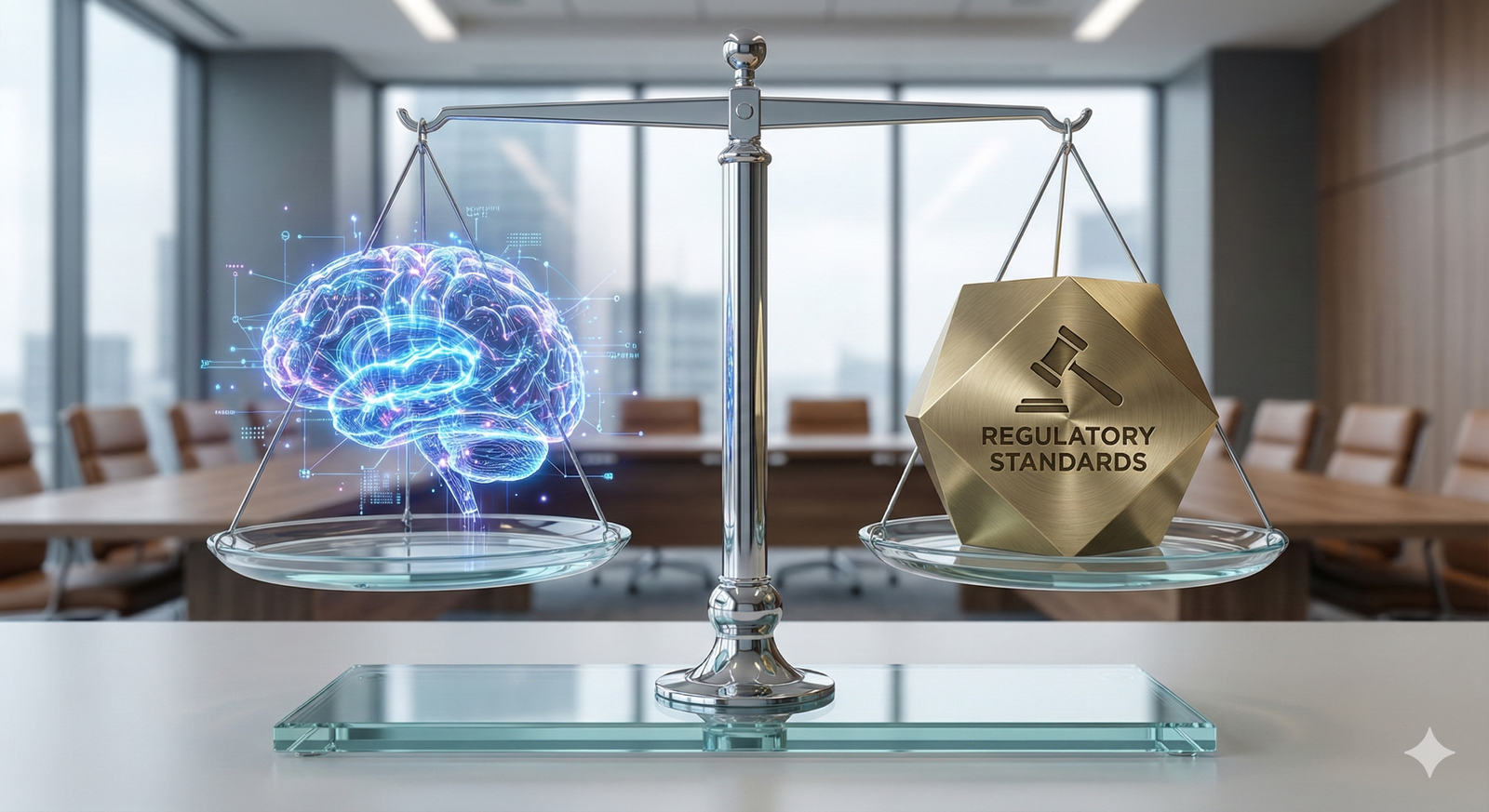
Pillar 4: Governance, Ethics, and the “Human-in-the-Loop”
A corporate culture is defined by its values. If an AI agent behaves in a way that contradicts those values, the culture suffers.
Ethical Guardrails
Your AI agent onboarding must include a rigorous governance framework. This covers:
- Data Privacy: Ensuring the agent isn’t “learning” from sensitive employee or client data without permission.
- Bias Mitigation: Regular audits to ensure the agent’s outputs are fair and inclusive.
- Accountability: If the AI agent makes a mistake that costs a client money, who is responsible? (Hint: It should always be a human leader).
The “Human-in-the-Loop” (HITL) Requirement
In a healthy corporate culture, AI never has the final say on high-stakes decisions. Whether it’s a hiring recommendation or a major financial pivot, the culture must mandate a “Human-in-the-Loop” protocol. This reinforces the idea that AI is a tool, and humans are the masters of the mission.
Common Mistakes in AI Agent Onboarding
Even with the best intentions, companies often stumble. Here are the most frequent pitfalls:
- The “Big Bang” Launch: Deploying a complex agent across the whole company at once. This leads to mass confusion and technical glitches that ruin trust.
- Lack of Feedback Channels: If an employee finds an AI agent’s output annoying or wrong, and they have no way to report it, they will simply stop using it.
- Ignoring the “Middle Manager” Gap: Senior leadership is excited about ROI, and entry-level staff are tech-savvy. Middle managers, however, often feel the most squeezed. They must be the primary focus of your onboarding support.
- Treating AI as “IT’s Problem”: AI agent onboarding is a People and Culture initiative, not just a software roll-out. If HR isn’t in the room, the integration will likely fail.
Measuring Success: Beyond the Bottom Line
How do you know if your AI agents are successfully integrated into your culture? Look at these “Human-Centric” KPIs:
- Employee Sentiment Scores: Are workers feeling more or less stressed since the agents arrived?
- Adoption Rate: Are employees actively using the agents, or are they finding workarounds to avoid them?
- Innovation Rate: Has the time saved by AI agents led to an increase in new ideas or projects launched by humans?
- Turnover Rates: High turnover following AI implementation is a red flag that your cultural integration has failed.
Case Study: The “Colleague” Approach (Hypothetical)
Consider a global marketing firm that introduced “Aria,” an AI agent designed to handle initial market research.
Instead of just giving staff a login, they gave Aria a “profile” on the company intranet. They held a “hiring” party where the head of research explained that Aria would handle the 40 hours of data scraping that previously bored the junior associates to tears.
The result? Junior associates began spending their time on creative strategy, and the firm saw a 30% increase in campaign performance within six months. Because the “why” was centered on employee happiness and high-level creativity, the culture embraced Aria as a teammate.
The Future of the “Agentic” Workplace
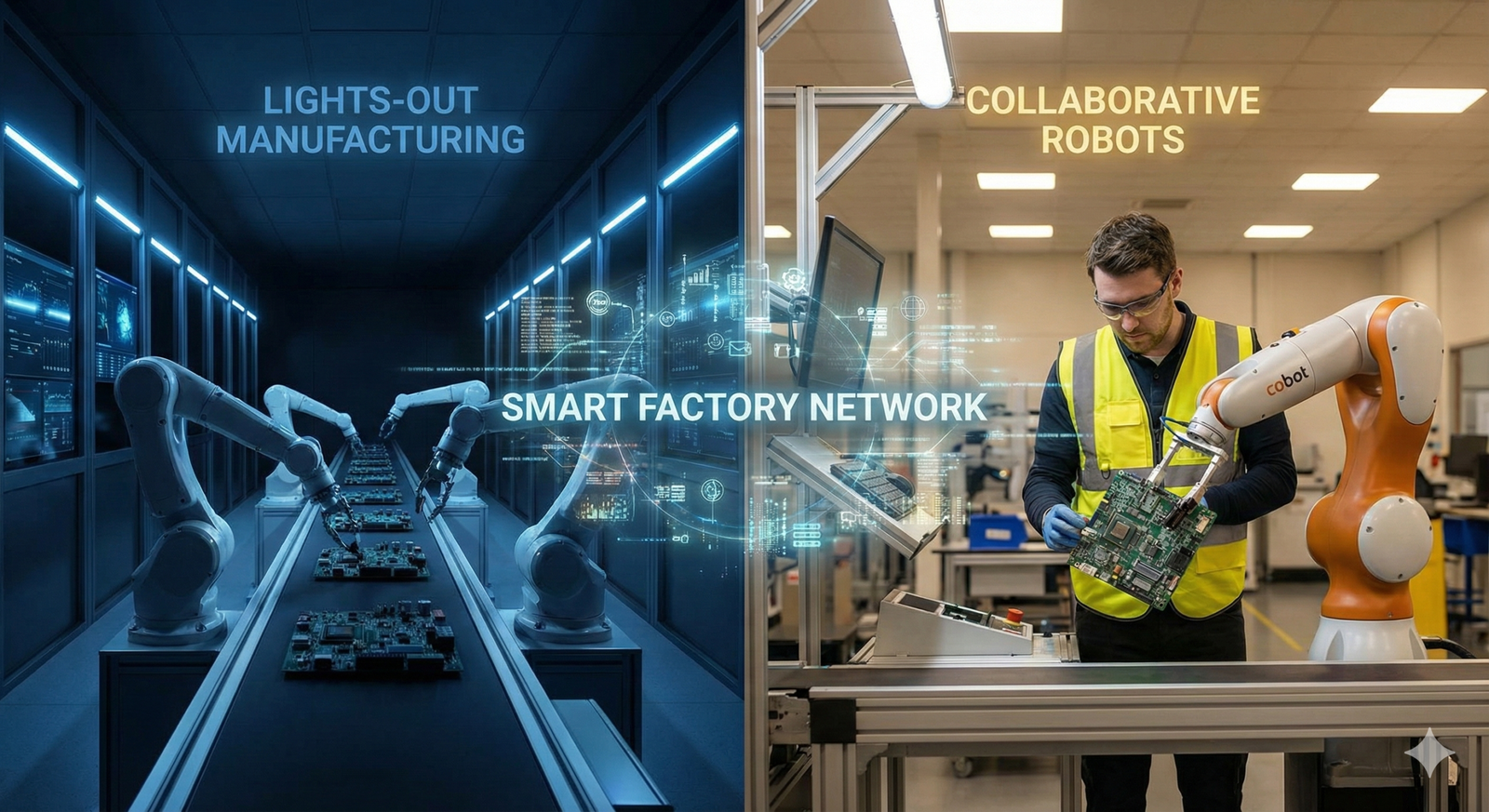
Looking toward the end of 2026 and into 2027, the distinction between “software” and “coworker” will continue to blur. We will see the rise of Multi-Agent Systems, where different AI agents collaborate with one another, overseen by human “Orchestrators.”
In this future, the companies that win won’t necessarily have the fastest AI; they will have the most cohesive cultures. A culture that can seamlessly blend human intuition with machine intelligence is a culture that cannot be disrupted.
Conclusion: Taking the First Step
Integrating AI agents into your corporate culture is not a weekend project. It is a long-term commitment to evolving the way you work. By focusing on psychological safety, clear role definitions, and robust upskilling, you can transform AI from a perceived threat into a powerful ally.
The goal is to create a “Cyborg Culture”—one where the strengths of humanity (empathy, ethics, creativity) are amplified by the strengths of machines (speed, scale, data processing).
Your next steps:
- Identify one “friction point” in your current workflow that an AI agent could solve.
- Form a cross-functional task force including HR, IT, and a “skeptical” department lead.
- Draft your AI Transparency Manifesto to communicate your intentions to the staff.
- Launch a 60-day pilot with a focus on gathering employee feedback rather than just technical metrics.
Would you like me to draft a sample AI Transparency Manifesto for your organization?
FAQs
What is the difference between an AI tool and an AI agent?
An AI tool is reactive (you ask, it answers); an AI agent is proactive (it can plan and execute multi-step tasks autonomously within a set of rules). Onboarding an agent is more complex because it occupies a functional “role” in the team.
How do we handle employees who are resistant to AI agents?
Address the resistance with empathy and data. Show them how the AI can remove the parts of their job they like the least. If the resistance persists, provide clear paths for upskilling into roles that are “AI-proof,” such as those requiring high-level emotional intelligence or physical dexterity.
Is AI agent onboarding expensive?
The initial cost involves software licenses and training time. However, the long-term cost of not onboarding agents is typically higher due to lost competitiveness and employee burnout from handling repetitive tasks.
Can AI agents have “personalities” in our corporate culture?
Yes, but with caution. Giving an agent a consistent tone of voice can make it more approachable. However, it should never “pretend” to be a human. Cultural integration relies on the clear distinction between digital assistants and human colleagues.
How often should we review our AI integration strategy?
In the current fast-moving environment of 2026, a quarterly review is recommended. This allows you to adjust to new technical capabilities and check the “pulse” of your organizational culture.
References
- Gartner (2025): “The Future of Work: Scaling Agentic AI in the Enterprise.”
- McKinsey & Company: “The Human Side of Generative AI: Transforming Culture.”
- Harvard Business Review: “Why AI Integration Fails Without Psychological Safety.”
- MIT Sloan Management Review: “Orchestrating the Human-AI Workforce.”
- OpenAI Enterprise Documentation: “Best Practices for Deploying Autonomous Agents.”
- IBM Institute for Business Value: “2026 CEO Guide to AI Ethics and Governance.”
- IEEE Standards Association: “Ethical Aligned Design for Autonomous Systems.”
- Society for Human Resource Management (SHRM): “AI in the Workplace: A Guide for HR Professionals.”