- 40%share of AI data centers Gartner projects will be power-constrained by 2027
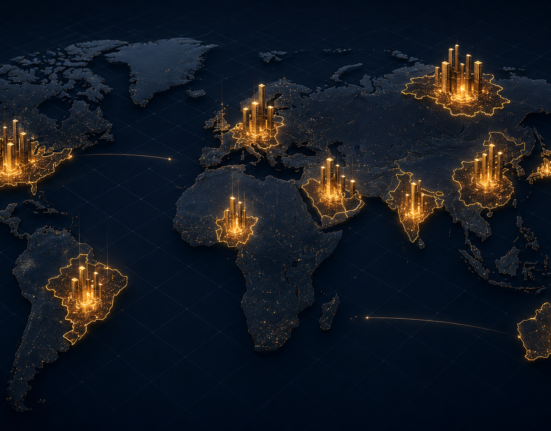
- 4-7 yearswait time for new high-capacity grid connections in major data center hubs (Northern Virginia, Dublin, Singapore, Amsterdam)
- ~11 GWdata center capacity anticipated for 2026 that remains stuck in the announced phase without construction underway
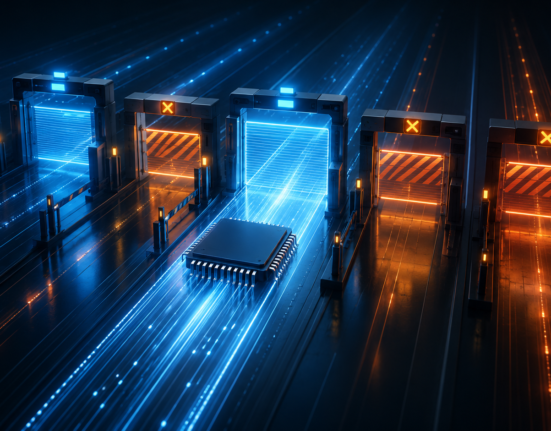
For most of the AI buildout’s history so far, the constraint everyone talked about was chip availability. That’s shifted. In 2026, the scarce resource reshaping where and how fast AI infrastructure gets built is the grid connection needed to actually power the GPUs once they arrive — a dramatic reversal from a market where chip supply was the headline bottleneck for years. This distinction matters because the two constraints resolve on completely different timelines: a chip shortage can ease within quarters as fab capacity expands, but a grid interconnection approval, once queued, often takes years regardless of how much capital or urgency is behind it.
How bad the interconnection delay actually is
Approval timelines for new grid capacity in major US and European markets now run 24 to 36 months just for the approval stage, and that’s before construction of the actual interconnection infrastructure begins. For genuinely new high-capacity connections in the hubs where data center demand is most concentrated — Northern Virginia, Dublin, Singapore, and Amsterdam — the real-world wait time stretches to four to seven years. Gartner’s own projection puts a number on the scale of the resulting problem: 40% of AI data centers are expected to be power-constrained by 2027, meaning capacity that exists on paper and in capex budgets simply can’t draw the electricity it needs to actually operate.
| Constraint stage | Typical timeline | What it blocks |
|---|---|---|
| Grid capacity approval (US/EU major markets) | 24-36 months | Regulatory sign-off before any physical interconnection work begins |
| New high-capacity connection (top hubs) | 4-7 years | Actual physical grid tie-in for Northern Virginia, Dublin, Singapore, Amsterdam-class demand |
| Equipment lead time (transformers, switchgear) | Compounds the above | High-voltage transformers and grid-tie batteries are themselves supply-constrained |
| Result by 2027 (Gartner projection) | Ongoing | 40% of AI data centers expected to be power-constrained |
Why capital can’t simply buy its way past this
This is the structural feature that distinguishes power constraints from every prior AI infrastructure bottleneck: money doesn’t compress a multi-year grid approval and construction timeline the way it can accelerate a chip fab’s output or a data center shell’s construction schedule. Roughly 11 gigawatts of data center capacity anticipated for 2026 reportedly remains stuck in the announced phase with no construction underway, and about half of global data center projects are facing delays specifically attributable to power limitations and grid equipment shortages — high-voltage transformers, switchgear, and grid-tie batteries are themselves supply-constrained commodities, adding another layer of delay on top of the regulatory approval timeline itself.
- 1. Demand outpaces grid capacityAI data center power demand grows faster than utilities can plan and permit new capacity.
- 2. Regulatory approval queueNew grid capacity requests take 24-36 months for approval alone in major US and EU markets.
- 3. Physical build-out lagActual high-capacity connections in top hubs take 4-7 years, compounded by transformer and switchgear shortages.
- 4. Operators bypass the gridHyperscalers increasingly build dedicated on-site power generation — “energy islands” — rather than wait on public grid timelines.
Why grid interconnection became the binding AI infrastructure constraint
The shift to on-site generation isn’t a preference — it’s a direct response to a regulatory and physical timeline that capital alone cannot compress.
The “energy island” response
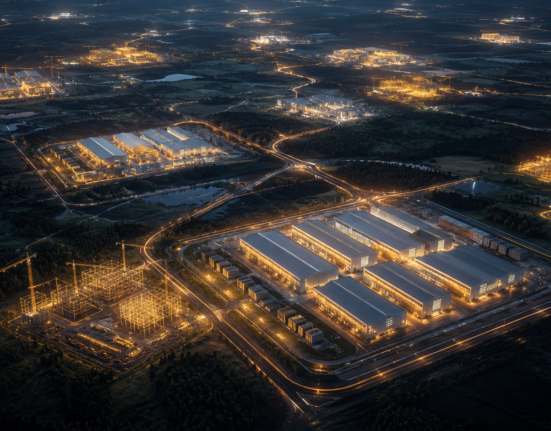
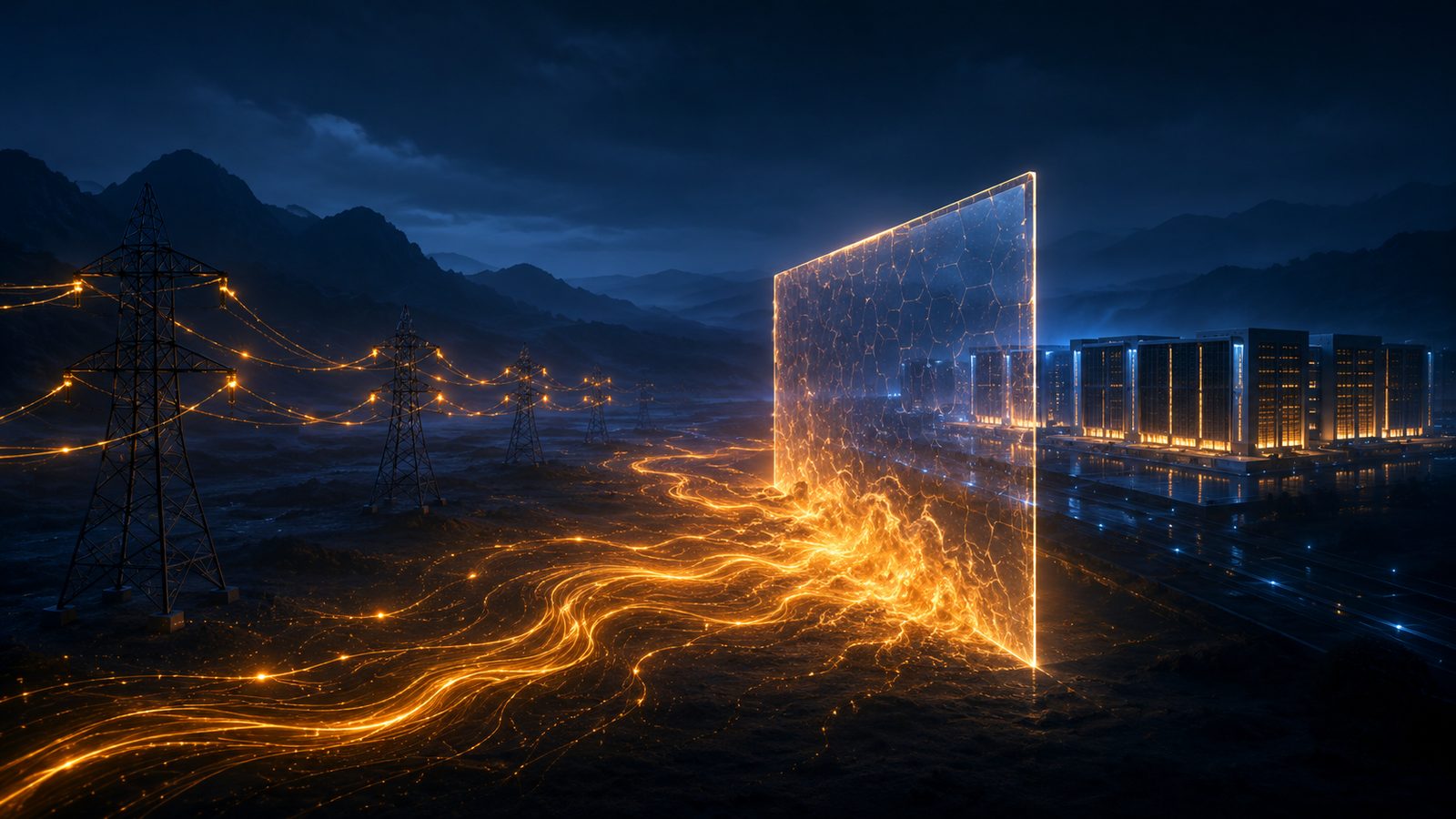
Faced with multi-year public grid delays, the industry’s response has been a strategic pivot away from sole reliance on grid-supplied electricity and toward direct investment in dedicated, on-site power generation — effectively building self-sufficient “energy islands” that bypass the public grid interconnection bottleneck entirely. This is a genuinely different capital allocation decision than simply paying more for a faster grid connection, because it shifts hyperscalers from being a customer of the power system into being power generators and operators in their own right, with all the regulatory, financing, and operational complexity that entails.
Build dedicated on-site generation Emerging default
Bypasses grid interconnection delays entirely, at the cost of taking on power generation as a core operational competency rather than a purchased utility service.
Queue for grid interconnection early and in parallel Still necessary
Given multi-year approval timelines, submitting grid interconnection requests years before capacity is actually needed is now a baseline planning requirement, not a formality.
Assume capex commitment guarantees operational timeline No longer holds
Roughly half of global data center projects face delays specifically from power limitations, meaning funded, announced capacity doesn’t reliably translate into a predictable go-live date.
Common mistakes
Common mistake
Treating a data center capex announcement as a reliable predictor of when capacity will actually come online. With roughly 11 GW of 2026-anticipated capacity stuck in the announced phase, and power-related delays affecting about half of global projects, the gap between funding and operation has widened significantly.
Common mistake
Submitting a grid interconnection request only after a data center’s construction timeline is otherwise finalized. Given 24-36 month approval timelines and 4-7 year waits for new high-capacity connections in top hubs, interconnection has to be queued in parallel with — often years ahead of — every other planning step, not after.
What worked
Operators that avoided the worst delays queued grid interconnection requests years in advance of anticipated need and simultaneously pursued on-site generation as a parallel track, rather than treating on-site power as a fallback only after grid delays became apparent.
Glossary
- Grid interconnection
- The regulatory approval and physical process of connecting a new facility to the public electricity grid, currently the binding constraint on new AI data center capacity in most major markets.
- Energy island
- A data center campus built with dedicated, on-site power generation designed to operate independently of the public grid, bypassing interconnection delays entirely.
- Power-constrained data center
- A facility with funded capex and physical construction complete or underway that cannot operate at full capacity because it lacks sufficient grid power allocation — the condition Gartner projects will affect 40% of AI data centers by 2027.
- Grid-tie equipment shortage
- Supply constraints on high-voltage transformers, switchgear, and grid-tie batteries that compound regulatory approval delays in bringing new data center power capacity online.
Key takeaways
- Power availability, not GPU supply, has become the binding constraint on AI data center growth in 2026, marking a reversal from prior years when chip availability was the primary bottleneck.
- Gartner projects 40% of AI data centers will be power-constrained by 2027, unable to operate at full capacity despite funded construction.
- Grid capacity approval alone takes 24-36 months in major US and European markets, with new high-capacity connections in top hubs like Northern Virginia and Dublin taking four to seven years.
- Roughly 11 gigawatts of data center capacity anticipated for 2026 remains stuck in the announced phase without construction underway, and about half of global projects face power-related delays.
- Unlike a chip shortage, grid interconnection delays don’t compress meaningfully with additional capital, since regulatory approval and physical build-out timelines are largely fixed regardless of spending.
- Hyperscalers are increasingly responding by building dedicated on-site power generation — “energy islands” — that bypass public grid interconnection constraints entirely.
- Equipment shortages for high-voltage transformers, switchgear, and grid-tie batteries compound regulatory delays, adding a second supply-constrained layer on top of the approval timeline.
FAQs
Is GPU supply or power the bigger constraint on AI data centers now?
Power has become the binding constraint in 2026, a reversal from previous years when chip availability was the primary bottleneck — Gartner projects 40% of AI data centers will be power-constrained by 2027.
How long does it take to get a new grid connection for a data center?
Approval alone runs 24-36 months in major US and European markets, and new high-capacity connections in the most in-demand hubs — Northern Virginia, Dublin, Singapore, and Amsterdam — can take four to seven years in total.
Why can’t hyperscalers just pay more to speed up grid connections?
Because regulatory approval and physical construction timelines for grid interconnection are largely fixed processes that additional capital doesn’t meaningfully compress, unlike chip manufacturing capacity which can expand faster with sufficient investment.
What is an “energy island” in the context of data centers?
It’s a data center campus built with its own dedicated, on-site power generation, designed to operate independently of the public electricity grid entirely, bypassing the multi-year interconnection delays that have become the industry’s binding constraint.
How much announced data center capacity is actually stuck without power?
Roughly 11 gigawatts of capacity anticipated for 2026 reportedly remains in the announced phase without construction underway, and about half of global data center projects face delays specifically attributable to power limitations and grid equipment shortages.
What other equipment shortages are contributing to the power bottleneck?
High-voltage transformers, switchgear, and grid-tie batteries are themselves supply-constrained, adding a second layer of delay on top of the regulatory approval timeline for new grid connections.
When should a data center operator start the grid interconnection process?
As early as possible and in parallel with every other planning step — given 24-36 month approval timelines and up to seven-year waits for new high-capacity connections in top hubs, interconnection needs to be queued years before capacity is actually needed.
Will the power constraint on AI data centers ease soon?
Not on a short timeline based on current projections — Gartner expects the share of power-constrained AI data centers to keep rising through 2027, and the underlying grid approval and construction timelines don’t compress quickly regardless of demand or capital.
References
- Spheron — “Power-Bound, Not GPU-Bound: AI Data Center Power Constraints Are the Real 2026 Bottleneck”
- Enki AI — “AI Data Center Power: Grid Limits Reshape Energy in 2026”
- Tech Plus Trends — “AI Data Center Power Requirements 2026: The Grid-to-Chip Guide”
Related reading on The Tech Trends: AI Data Center Buildout, Liquid Cooling for AI Racks, GPU Shortage Economics, and Sovereign AI Compute.