Skip to content
October 21, 2026
The Tech Trends
The Tech Trends
The Tech Trends
The Tech Trends
AI
AI Ethics
Automation
Deep Learning
Generative AI
Machine Learning
Robotics
Culture
Creator Economy
Digital Nomads
Internet Culture
Remote Work
Tech Careers
Tech Events
Future Trends
5G/6G Networks
BioTech
Metaverse
Quantum Computing
Space Tech
Sustainable Tech
Innovation
AgriTech
EdTech
FinTech
Green Tech
HealthTech
Smart Cities
Gadgets
AR/VR Devices
Drones
Health Tech
Smart Home
Smartphones
Wearables
Software
App Development
Cloud Computing
Cybersecurity
Open Source
Productivity Tools
SaaS
Startups
Disruptive Ideas
Founder Stories
Funding News
Startup Trends
Tech Launches
Unicorn Watch
Web3
Blockchain
Cryptocurrency
DAOs
Decentralization
NFTs
Smart Cities
October 21, 2026
The Tech Trends
AI
AI Ethics
Automation
Deep Learning
Generative AI
Machine Learning
Robotics
Culture
Creator Economy
Digital Nomads
Internet Culture
Remote Work
Tech Careers
Tech Events
Future Trends
5G/6G Networks
BioTech
Metaverse
Quantum Computing
Space Tech
Sustainable Tech
Innovation
AgriTech
EdTech
FinTech
Green Tech
HealthTech
Smart Cities
Gadgets
AR/VR Devices
Drones
Health Tech
Smart Home
Smartphones
Wearables
Software
App Development
Cloud Computing
Cybersecurity
Open Source
Productivity Tools
SaaS
Startups
Disruptive Ideas
Founder Stories
Funding News
Startup Trends
Tech Launches
Unicorn Watch
Web3
Blockchain
Cryptocurrency
DAOs
Decentralization
NFTs
Smart Cities
×
Physical AI
The Tech Trends
Physical AI
Physical AI
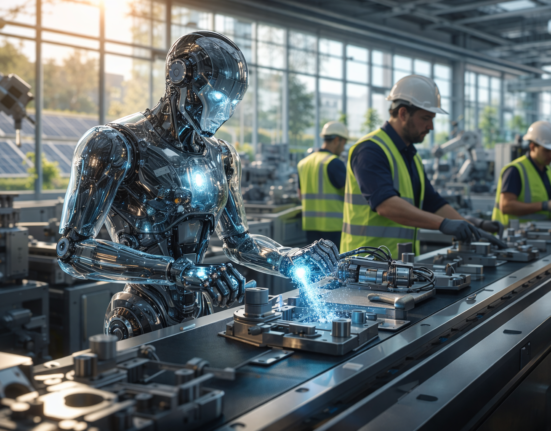
Why Physical AI is the Solution to the Global Labor Shortage
by
Daniel Okafor
March 15, 2026
Physical AI
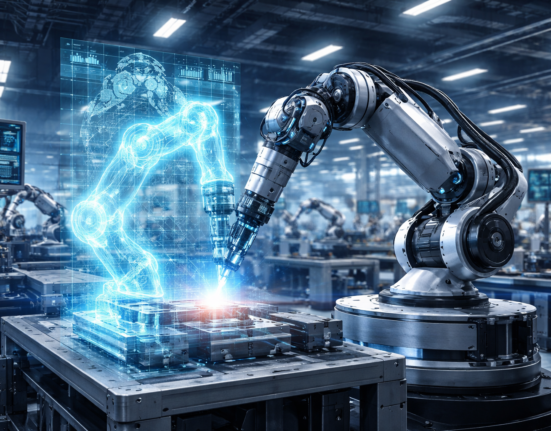
Why Physical AI is the Key to Sovereign Manufacturing
by
Priya Menon
March 10, 2026
Physical AI
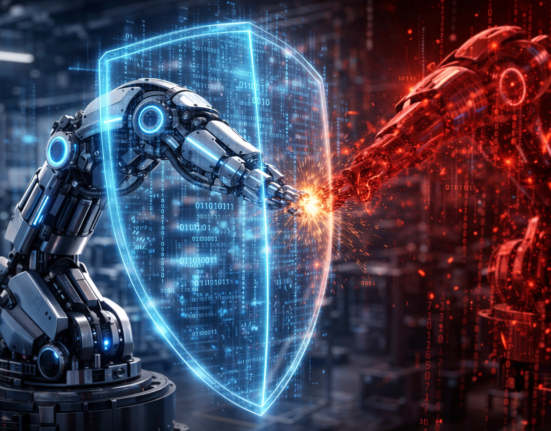
Cybersecurity of Physical AI: Protecting Against Robot-Jacking
by
Aurora Jensen
March 7, 2026
Physical AI
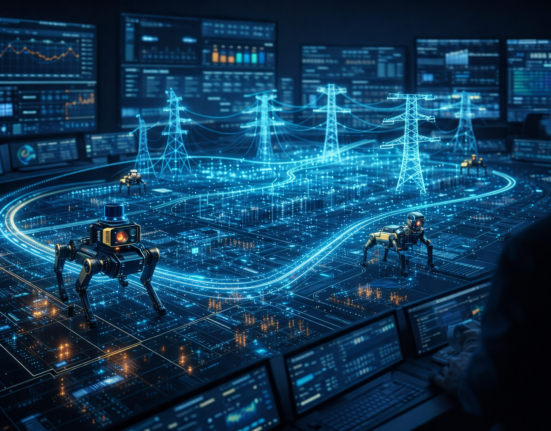
Physical AI for Critical Infrastructure Security: A Complete Guide
by
Oliver Grant
March 6, 2026
Physical AI
Physical AI: Why Intelligence is Finally Leaving the Screen
by
Tomasz Zieliński
March 3, 2026
Table of Contents
×
Definition of Physical AI
Key Takeaways
Who This Is For
The Anatomy of Physical AI: Why It’s Different This Time
The Integration of Large Behavior Models (LBMs)
Sensor Fusion and Real-Time Perception
The Demographic Crisis: Why We Need Physical AI Now
The “Silver Tsunami”
The Shift in Worker Expectations
Industry Deep-Dive: Where Physical AI is Winning
1. Manufacturing and Assembly
2. Logistics and Warehousing
3. Healthcare and Elder Care
The Technical Core: How Physical AI “Learns”
Simulation and Digital Twins
The Role of Edge Computing
Overcoming the “Uncanny Valley” and Human Friction
Collaborative Design
Reskilling the Workforce
Common Mistakes When Implementing Physical AI
The Economic Impact: ROI in 2026
Safety and Ethics: A Vital Disclaimer
The Future: Toward General Purpose Robotics
Conclusion
FAQs
What is the difference between Robotics and Physical AI?
Is Physical AI expensive to implement in 2026?
Can Physical AI work in outdoor environments?
How do I protect my company’s data when using Physical AI?
Will Physical AI replace my human workers?
References
←
Table of Contents