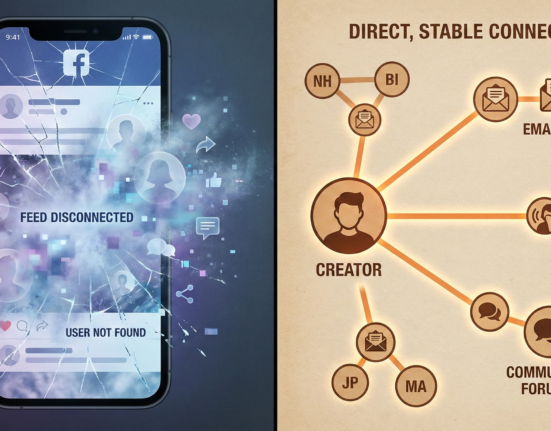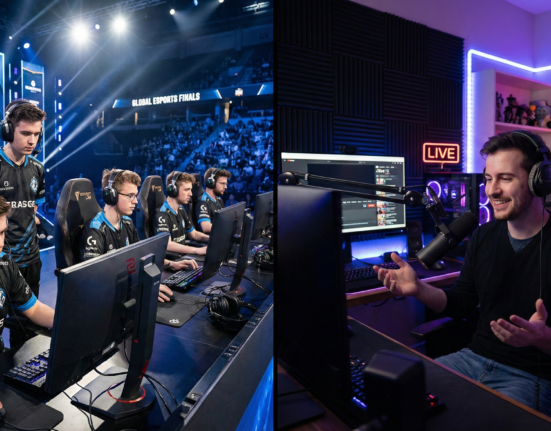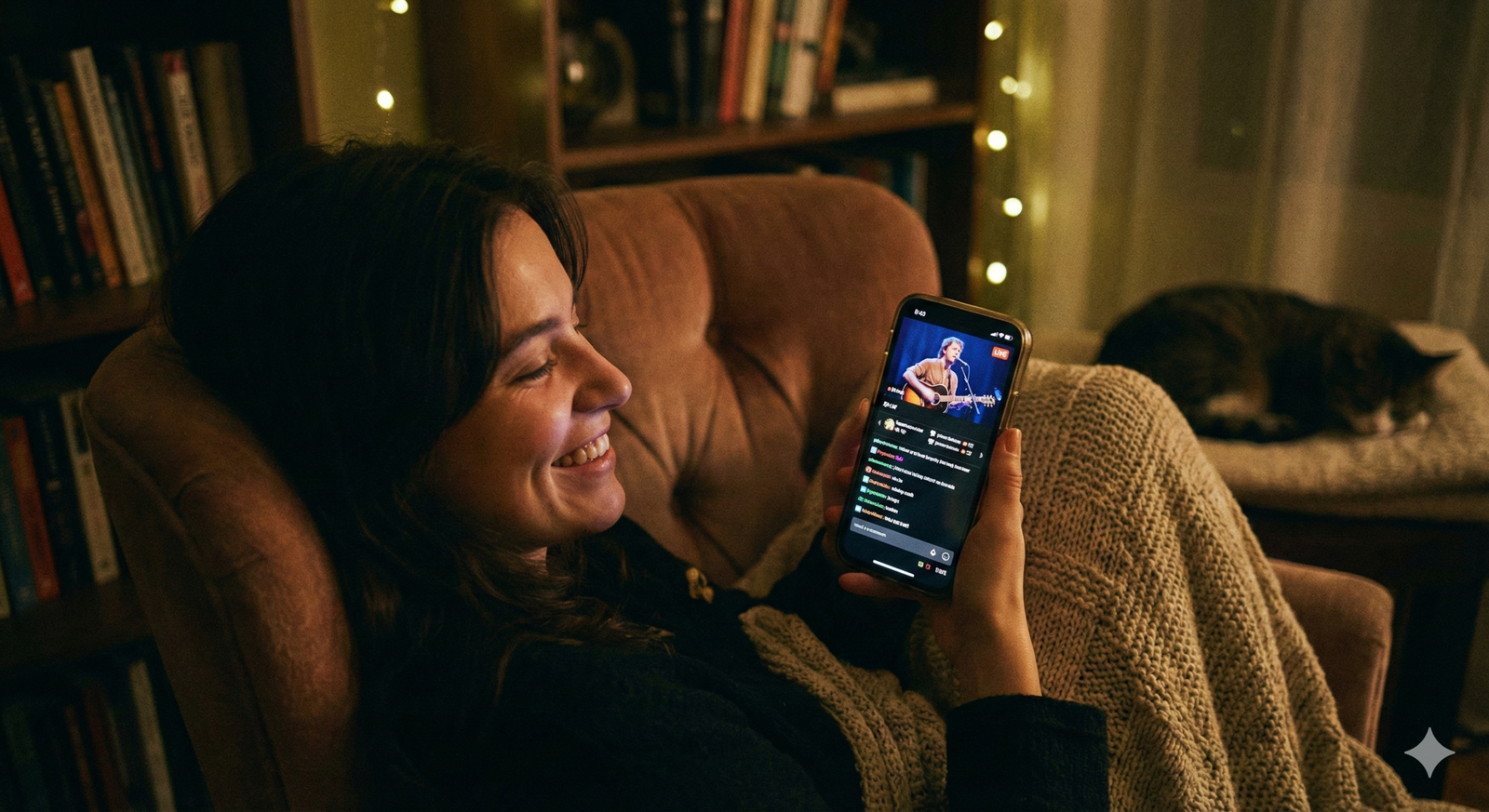
In the digital age, the line between “friend” and “stranger” has become increasingly blurred. You might find yourself genuinely worrying about a YouTuber who hasn’t posted in a week, feeling a swell of pride when a Twitch streamer hits a milestone, or experiencing a pang of betrayal when an influencer acts out of character. These emotions are real, valid, and intensely felt, yet they are directed at someone who likely does not know your name. This phenomenon is known as a parasocial relationship.
While the term was coined in the 1950s to describe the bond between television audiences and news anchors, the internet has supercharged these dynamics. Today, parasocial relationships are the engine of the creator economy, driving engagement, sales, and community building. However, they also present complex psychological challenges for both fans and creators, ranging from harmless admiration to toxic entitlement.
In this guide, “parasocial relationships” refers to the one-sided psychological bonds formed between an audience member and a media figure, where one party invests emotional energy and time while the other is completely unaware of the other’s existence.
Key Takeaways
- Definition: Parasocial relationships are one-sided psychological bonds where a viewer feels intimate with a media figure who does not know them.
- Evolution: Social media has transformed these relationships from distant admiration (TV stars) to simulated friendship (influencers/streamers).
- Psychology: These bonds fulfill genuine human needs for companionship, identity formation, and social belonging.
- The Spectrum: Fandom ranges from healthy community participation to pathological “stan” culture and obsession.
- Creator Impact: Creators often struggle with burnout, boundary invasion, and the pressure to perform authenticity.
- Future Trends: AI companions and virtual influencers are creating a new frontier of synthetic parasocial bonds.
1. What Are Parasocial Relationships?
To understand the modern landscape of fandom, we must first ground ourselves in the history and definition of the term. It is not a buzzword invented for the TikTok era; it is a well-documented psychological phenomenon.
Defining the Concept
The term “parasocial interaction” was first introduced by sociologists Donald Horton and R. Richard Wohl in 1956. They observed that television viewers often felt a sense of intimacy with talk show hosts and news anchors. The host would look directly into the camera—simulating eye contact—and speak in a conversational tone, creating an “illusion of intimacy.”
In the decades since, this concept has expanded. A parasocial relationship (PSR) is the enduring psychological attachment that forms after repeated parasocial interactions. Just as repeated real-life interactions build a friendship, repeated consumption of a creator’s content builds a PSR.
The Shift from Hollywood to the Home
Historically, PSRs were focused on distant figures: movie stars, musicians, and politicians. There was a clear, insurmountable wall between the fan and the star. You could write a fan letter, but you didn’t expect a reply.
The internet, and specifically the rise of social media and vlogging, dismantled that wall.
- Accessibility: Modern creators film in their bedrooms, not studios. They wear pajamas, not costumes.
- Frequency: Content is daily or weekly, creating a routine presence in the fan’s life.
- Reciprocity (Simulated): Unlike a movie star, a streamer might read your chat message. An influencer might “like” your comment. This variable reinforcement makes the relationship feel two-sided, even when it isn’t.
Who This Is For (and Who It Isn’t)
This guide is designed for:
- Fans and Consumers: People who enjoy online content and want to understand their own emotional responses to creators.
- Content Creators: Individuals building a personal brand who need to navigate community management and boundary setting.
- Marketers and Community Managers: Professionals looking to understand the mechanics of engagement and loyalty.
- Parents and Educators: Those seeking to understand the digital social lives of younger generations.
This guide is not a diagnostic tool for mental health conditions. While we discuss the psychology of obsession, severe behavioral issues should be addressed by mental health professionals.
2. The Psychology of Online Fandom
Why do our brains form deep attachments to strangers on a screen? The answer lies in how human evolution interacts with modern technology. Our brains are social organs, wired to connect. When we see a face, hear a voice, and witness emotional vulnerability, our primitive social circuitry lights up, regardless of whether the person is physically present.
The Illusion of Intimacy
Platforms like YouTube, TikTok, and Twitch are designed to foster intimacy. The “vlog style”—handheld camera, close-up shots, direct eye contact with the lens—mimics the physical proximity of a close friend.
- Self-Disclosure: Creators share personal struggles, mental health journeys, and relationship updates. This high level of self-disclosure triggers a psychological reciprocity rule: when someone shares with us, we feel closer to them and feel an urge to support them.
- Consistency and Reliability: In a chaotic world, a creator who uploads every Tuesday provides a sense of stability. They become a “safe base” for the viewer.
Social Surrogacy
For many, online fandom acts as social surrogacy. When real-life social connections are lacking—due to geographical isolation, social anxiety, or global events like pandemics—parasocial relationships fill the void.
- Belonging: Joining a fandom provides immediate membership to a group with shared language, inside jokes, and values.
- Loneliness Mitigation: Studies have shown that watching a favorite TV show or creator can buffer against drops in self-esteem and feelings of rejection. The creator essentially “keeps you company.”
Identity Construction
Fandom is a powerful tool for identity formation, especially for adolescents and young adults.
- Modeling: Fans look to creators as role models, mimicking their fashion, speech patterns, and political views to “try on” different identities.
- Validation: Seeing a creator who shares your niche interests or identity traits (e.g., LGBTQ+ creators, neurodivergent creators) provides validation that you are not alone.
3. The Mechanics of Digital Attachment
The architecture of social media platforms is not neutral; it is engineered to deepen parasocial bonds. Understanding these mechanics helps explain why online fandom feels so much more intense than traditional celebrity worship.
1. The Power of “Live” (Twitch and TikTok Live)
Live streaming is the strongest accelerant of parasocial relationships.
- Synchronicity: You are experiencing a moment at the exact same time as the creator. This shared temporality creates a powerful bond.
- Direct Acknowledgment: The possibility that a streamer might say your username creates a “lottery” effect. When it happens, the rush of dopamine is significant, validating the relationship.
- Co-creation: Chat participants feel they are influencing the content (e.g., telling the gamer where to go, voting on poll options), giving them a sense of ownership over the creator’s success.
2. Algorithmic Reinforcement
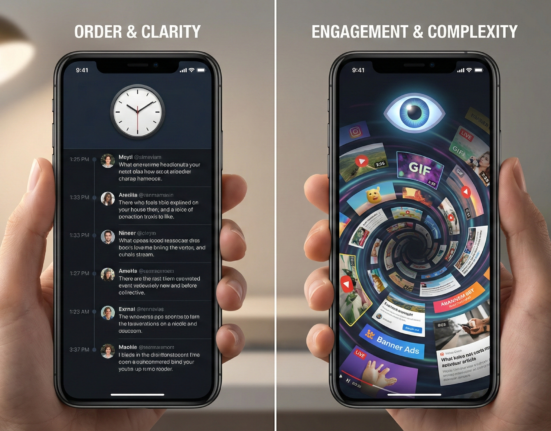
Algorithms are designed to maximize watch time. Once you show interest in a creator, the algorithm feeds you more of their content, plus content about them (fan edits, commentary videos).
- The Echo Chamber: You become surrounded by a community that reinforces the creator’s importance.
- High Frequency: You might see the creator’s face dozens of times a day across different apps, tricking the brain into categorizing them as a member of your inner circle.
3. Monetization of Friendship
The “creator economy” business model explicitly monetizes parasocial interaction.
- Patreon/Discord: Access to “private” communities is sold as a premium tier of friendship.
- Cameo: Fans can buy personalized messages, effectively purchasing a moment of simulated intimacy.
- Merchandise: Wearing a creator’s merch is a tribal signal, publicly declaring your allegiance to the parasocial group.
4. The Spectrum: From Healthy to Toxic
It is crucial to understand that parasocial relationships exist on a spectrum. They are not inherently bad; in fact, most are benign or positive. However, they can slide into toxicity.
The Green Zone: Healthy Fandom
In the healthy zone, the relationship adds value to the fan’s life without displacing real-world connections.
- Inspiration: The fan is motivated to pursue hobbies, fitness, or learning based on the creator’s example.
- Community: The fan makes actual friends with other fans. The creator is just the catalyst for real social interaction.
- Emotional Regulation: The content provides a healthy escape or comfort during stress.
- Boundaries: The fan understands the creator is a professional providing entertainment and does not expect personal reciprocity.
The Yellow Zone: Intense Attachment
Here, the lines begin to blur. The fan may start to prioritize the creator over real-life responsibilities or emotional well-being.
- Over-Identification: The fan feels the creator’s successes and failures as their own.
- Defensiveness: The fan reacts aggressively to mild criticism of the creator.
- Financial Strain: The fan spends beyond their means on subs, donations, or merch to get noticed.
The Red Zone: Toxic “Stan” Culture and Obsession
This is where parasocial relationships become pathological. “Stan” (a portmanteau of Stalker and Fan) culture represents the extreme end.
- Entitlement: The fan feels they “own” the creator. They demand to know why the creator hasn’t posted, dictate who the creator should date, or get angry if the creator changes their content style.
- Stalking and Doxxing: Fans investigate the creator’s private life, finding their address or family members.
- Harassment: If the creator disappoints them, the “love” instantly flips to hate. Alternatively, fans may harass others who criticize their idol.
- Erotomania: A delusion where the fan believes the creator is secretly in love with them or sending them coded messages through their content.
5. The Impact on Creators
The conversation around parasocial relationships often focuses on the fan, but the psychological toll on the creator is equally immense. Navigating the adoration—and the demands—of thousands of strangers creates a unique set of occupational hazards.
The Burden of Authenticity
Audiences crave “authenticity,” but maintaining a perfectly authentic persona is a performance in itself.
- Performance Pressure: Creators feel they must be “on” all the time. If they have a bad day, they have to hide it or risk alienating fans who rely on them for positivity.
- The Trap of Vulnerability: Sharing personal trauma gets high engagement (views/likes), enticing creators to overshare for growth. This is known as “trauma porn,” leaving the creator emotionally exposed and vulnerable to criticism about their actual life struggles.
Boundary Invasion
Creators often face a complete erosion of privacy.
- The “Always Available” Expectation: Because social media never sleeps, fans often expect 24/7 responsiveness.
- Trauma Dumping: Fans, viewing the creator as a friend/therapist, will send long, detailed messages about their own abuse, depression, or suicidal ideation. Creators, usually untrained in mental health care, carry the heavy burden of this vicarious trauma.
Fear and Safety
The shift from love to hate can be instant. Creators live with the low-level anxiety that one wrong word could trigger a “cancellation” or turning of the tide. In severe cases, this manifests as physical safety fears due to stalking.
6. Case Studies: What This Looks Like in Practice
To illustrate these dynamics, let’s look at generalized examples of common internet phenomena.
Example A: The “Beauty Guru” Apology Cycle
In the beauty community, creators often build brands based on being a “best friend” giving makeup advice. When a creator releases a subpar product, fans don’t just see it as a bad business move; they see it as a personal betrayal by a friend. This leads to the “Apology Video” trope—a raw, often tearful video that reinforces the parasocial bond by asking for forgiveness, further deepening the emotional investment of the audience.
Example B: The Twitch Streamer and the “Whale”
A “whale” is a fan who donates massive amounts of money. In a gaming stream, a viewer might donate $500. The streamer pauses the game, shouts out the donor, and expresses immense gratitude. The donor gets a dopamine hit and a feeling of power/status. Over time, the donor may feel they have “bought” influence over the streamer, leading to anger if the streamer ignores their advice or bans them for rule-breaking.
Example C: The “Shipping” Phenomenon
Fans often “ship” (relationships) two creators who collaborate, writing fan fiction and analyzing body language to prove they are dating. While often fun, this can destroy real-life friendships between creators who become uncomfortable with the constant sexualization and scrutiny of their platonic interactions.
7. How to Maintain Healthy Boundaries
Whether you are a fan consuming content or a creator making it, establishing guardrails is essential for mental health in the digital age.
For Fans: A Reality Check Checklist
If you suspect your attachment is becoming unhealthy, ask yourself these questions:
- Does my mood depend on them? If a creator’s hiatus ruins your week, step back.
- Am I spending money I don’t have? Financial support should be a tip, not a sacrifice.
- Do I feel entitled to their time? Remind yourself: Content is their job; I am the customer/audience, not the manager.
- Reciprocity Check: If I stopped watching today, would they know? If the answer is no, the relationship is parasocial. That’s okay, but it must be acknowledged.
Actionable Step: diversify your feed. Do not rely on one single creator for your entertainment or emotional regulation. Follow multiple creators with different viewpoints to dilute the intensity of the bond with any single one.
For Creators: Building Sustainable Communities
- Define Boundaries Early: State clearly what you will and won’t discuss (e.g., “I won’t talk about my dating life”).
- Don’t Feed the Trolls (or the Stans): Avoid rewarding obsessive behavior with attention.
- Moderate Ruthlessly: Use moderators to filter out trauma dumping or overly possessive comments. Protect the community tone.
- Separate Person from Persona: Create a distinction between “You” (the human) and “You” (the brand). Keep parts of your life offline to preserve your sanity.
8. The Future: AI and Synthetic Relationships
The next evolution of parasocial relationships moves beyond human creators entirely. We are witnessing the rise of AI companions and virtual influencers (VTubers).
AI Companions
Apps offering AI “girlfriends” or “boyfriends” utilize Large Language Models (LLMs) to create partners that listen, remember, and respond perfectly to the user’s needs.
- The Appeal: An AI never ghosts you, never argues, and is always available. It offers a “perfect” parasocial relationship with zero risk of rejection.
- The Risk: This creates a feedback loop of gratification that real human relationships cannot compete with. It may lead to severe social atrophy, where users prefer the compliant AI to the messy complexity of human interaction.
Virtual Influencers
Characters like Lil Miquela or VTubers (creators using anime avatars) add a layer of abstraction.
- Protection: The avatar protects the creator’s physical identity, potentially reducing stalking risks.
- Commercialization: Corporate-owned virtual influencers can be programmed to never have scandals, making them “safe” investments for brands, but potentially manipulative for audiences who form bonds with corporate mascots disguised as people.
9. Legal and Ethical Considerations
As parasocial relationships become more monetized, legal and ethical questions arise regarding disclosure and exploitation.
Financial Exploitation
Is it ethical for a creator to use “boyfriend/girlfriend roleplay” audio to solicit donations from lonely individuals? There is a fine line between entertainment and emotional manipulation. Regulators are increasingly looking at how “loot box” mechanics and “tipping” cultures exploit vulnerable consumers.
Disclosure of Sponsorships
Because PSRs are built on trust, undisclosed sponsorships are particularly damaging. When a “friend” recommends a product, we trust them more than a TV ad. If that recommendation is paid for but hidden, it is a betrayal of the parasocial trust. Regulations (like FTC guidelines) mandate disclosure, but the feeling of betrayal remains a high risk for creators who sell out too aggressively.
Conclusion
Parasocial relationships are a fundamental feature of the modern internet experience. They are not inherently pathological; they are how we connect, learn, and find belonging in a digital world. They turned the passive act of watching into an active experience of community.
However, as with any relationship, health is determined by boundaries. For fans, the key is self-awareness—enjoying the connection without losing sight of the screen that separates you. For creators, the key is sustainability—building a community that values your work, not your soul.
As technology evolves into AI and VR, these bonds will only become more immersive. Understanding the psychology behind them is no longer just niche academic knowledge; it is an essential skill for digital literacy.
Next Steps
If you found this exploration of digital psychology helpful, consider auditing your own social media usage. Look at the top 3 creators you interact with and ask: Is this relationship serving me, or am I serving the algorithm? For further reading on digital culture, check out our guide on “The ethics of AI-generated influencers.”
FAQs
1. Are parasocial relationships healthy? Generally, yes. For most people, they provide entertainment, community, and inspiration. They become unhealthy (yellow or red zone) only when they replace real-life relationships, cause financial distress, or lead to obsessive behaviors like stalking or harassment.
2. Can a parasocial relationship turn into a real relationship? It is extremely rare. While some fans do meet and befriend creators, the power dynamic is inherently unbalanced. Trying to force a real relationship often leads to rejection and being blocked. It is best to assume the relationship will remain parasocial.
3. What is “Celebrity Worship Syndrome”? This is a term proposed by researchers to describe an obsessive-addictive disorder where a person becomes overly involved with the details of a celebrity’s personal life. It ranges from entertainment-social (chatting with friends about the star) to borderline-pathological (believing they have a special bond).
4. How do I stop being so attached to a YouTuber/Streamer? Start by limiting your exposure. Turn off notifications. Diversify your content consumption so you aren’t watching just one person. Engage in offline hobbies that require physical focus. If the attachment feels overwhelming, consider speaking with a therapist about underlying loneliness or anxiety.
5. Why do I feel like I know a podcaster personally? Podcasts are an audio-only medium often consumed through headphones, which places the speaker’s voice essentially “inside your head.” This creates a high level of physical and psychological intimacy. The conversational, unscripted nature of podcasts also feels like eavesdropping on a friend’s chat.
6. Do creators actually care about their fans? Most creators appreciate their community and are grateful for the support. They may care about the community as a whole, but they cannot psychologically care for every individual fan personally—the cognitive load would be impossible (Dunbar’s number limits us to about 150 stable relationships).
7. How does “stan” culture differ from regular fandom? Regular fandom involves admiration and community participation. “Stan” culture is characterized by aggressive defense of the idol, harassment of critics, and a sense of collective identity that is often hostile to outsiders. It is a high-conflict, high-intensity version of fandom.
8. Is donating to streamers a waste of money? Not necessarily. If you view it as paying for entertainment—like buying a movie ticket—it is a valid transaction. It becomes problematic if you donate expecting special attention, friendship, or favors in return, or if you donate money you cannot afford to lose.
9. How does neurodivergence affect parasocial relationships? Some research suggests that neurodivergent individuals (e.g., those with ADHD or Autism) may find parasocial relationships particularly comforting because they offer social interaction without the complex, unpredictable demands of face-to-face communication. The predictability of content is a major safety factor.
10. What is a “breakup” with a creator? This occurs when a fan decides to stop following a creator, usually due to a change in content, a scandal, or simply outgrowing the content. It can feel surprisingly painful, similar to a real-life friendship drift, because the emotional investment was real, even if the friendship wasn’t.
References
- Horton, D., & Wohl, R. R. (1956). Mass Communication and Para-Social Interaction: Observations on Intimacy at a Distance. Psychiatry. (The foundational text defining the concept).
- Giles, D. C. (2002). Parasocial Interaction: A Review of the Literature and a Model for Future Research. Media Psychology. (Reviewing how the concept evolved from TV to modern media).
- Bond, B. J. (2016). Following Your “Friend”: Social Media and the Strength of Adolescents’ Parasocial Relationships with Media Personae. Cyberpsychology, Behavior, and Social Networking. (Analysis of how social media strengthens these bonds in youth).
- Tukachinsky, R. (2011). Para-Romantic Love and Para-Social Interaction with Soap Opera Characters. Journal of Media Psychology. (Exploration of romantic feelings toward media figures).
- Kowert, R., & Daniel, E. (2021). The One-and-a-Half Sided Relationship: Parasocial Relationships in Gaming. Frontiers in Psychology. (Specific focus on Twitch/gaming streamers).
- Abidin, C. (2018). Internet Celebrity: Understanding Fame Online. Emerald Publishing. (Comprehensive look at the influencer economy and fan dynamics).
- Psychology Today. (n.d.). Parasocial Relationships. Retrieved from https://www.psychologytoday.com/us/basics/parasocial-relationships
- Find A Helpline. (n.d.). International Mental Health Support. (General resource for those needing mental health support regarding obsession or loneliness). Retrieved from https://findahelpline.com/