As of February 2026, the traditional mandate of the Chief Information Officer (CIO)—maintaining uptime, managing SaaS sprawl, and securing the perimeter—has undergone a fundamental metamorphosis. We have entered the era of the AI Orchestrator.
The “AI Orchestrator” is not merely a rebranding of the CIO; it is a shift from managing static infrastructure to presiding over a dynamic, living ecosystem of autonomous agents, domain-specific models, and a “digital workforce” that operates alongside human employees. While the CIO of 2020 was a “Chief Integration Officer,” the leader of 2026 is a “Chief Intelligence Orchestrator.”
Key Takeaways
- From Systems to Workflows: The AI Orchestrator moves beyond owning software to owning the velocity and integrity of cross-departmental AI-driven workflows.
- The Multiagent Era: 2026 marks the tipping point where Multiagent Systems (MAS) have moved from pilot to production, requiring a new governance framework.
- Sovereign & Domain-Specific: General-purpose LLMs are being replaced or augmented by Domain-Specific Language Models (DSLMs) for higher accuracy and lower TCO.
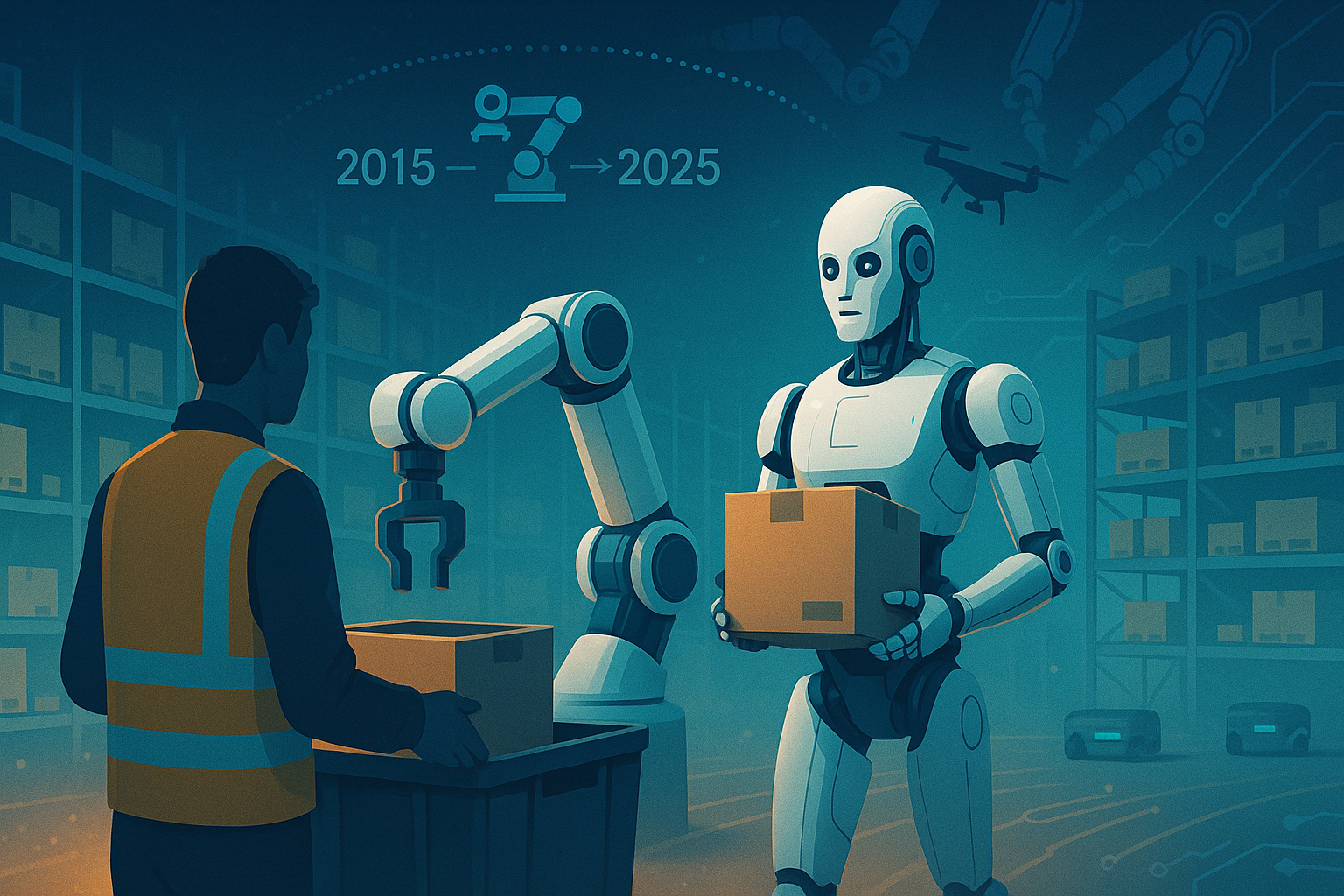
- The Digital Labor Gap: The CIO now partners with HR to define “digital labor,” managing how AI agents are onboarded, trained, and retired.
Who This Is For
This guide is designed for C-suite executives, IT Directors, and Enterprise Architects who are currently navigating the “scaling gap”—the space between successful AI pilots and enterprise-wide ROI. If you are responsible for the strategic direction of technology within your organization, this transition is no longer optional; it is the new standard of leadership.
1. The 2026 Reality: Why the “CIO” is No Longer Enough
In the early 2020s, the CIO’s primary AI challenge was “Shadow AI”—employees using unapproved tools like ChatGPT. By February 2026, the challenge has evolved into “Agentic Fragmentation.” According to recent industry benchmarks, the average enterprise now employs over 15 distinct AI agent frameworks across marketing, sales, and customer service.
The traditional CIO model, built on centralized control and slow-moving procurement, cannot keep pace with the speed of agentic evolution. The AI Orchestrator is the response to this volatility.
The Shift from Infrastructure to Intelligence
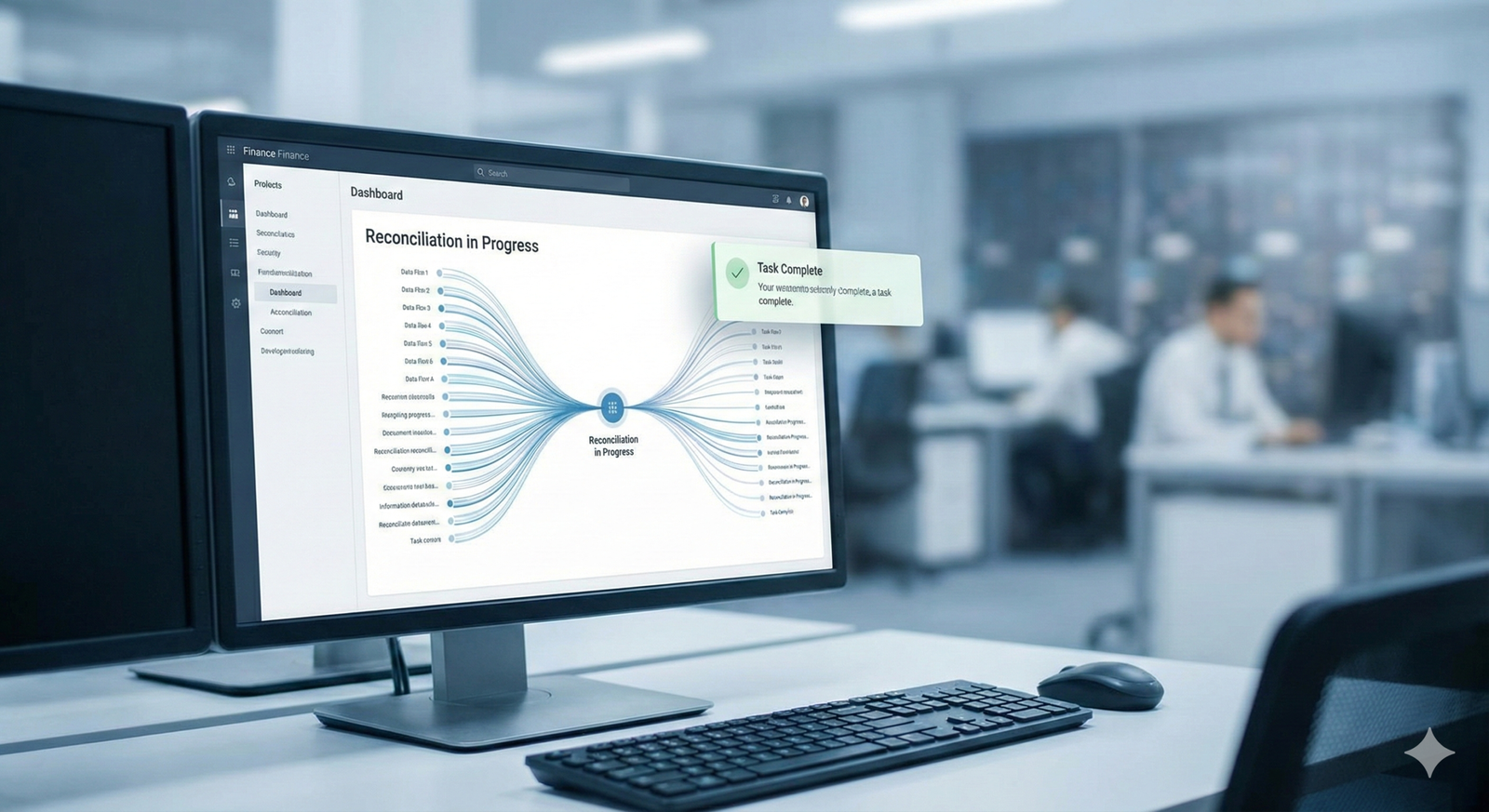
Previously, a CIO might have been judged on the successful rollout of a CRM. Today, the AI Orchestrator is judged on “Cycle Time Improvement”—how much faster a business process (like lead-to-cash or incident-to-resolution) becomes when orchestrated by a hybrid team of humans and AI agents.
Safety Disclaimer: The strategies discussed herein involve significant shifts in enterprise architecture and financial allocation. AI leadership decisions should be made in consultation with legal and compliance teams to ensure adherence to evolving regulations like the EU AI Act and local data sovereignty laws.
2. The Three Pillars of the AI Orchestrator: Architect, Synthesist, Sentinel
Gartner’s 2026 technology leadership framework categorizes the evolved CIO into three core personas. To successfully transition, you must master all three.
The Architect: Building the Agentic Backbone
The Architect focuses on the “Foundation Tier.” This involves moving away from “Cloud-First” to “AI-Native” infrastructure.
- Modular Architecture: Creating a plug-and-play environment where different LLMs (OpenAI, Anthropic, or open-source Llama variants) can be swapped based on performance and cost.
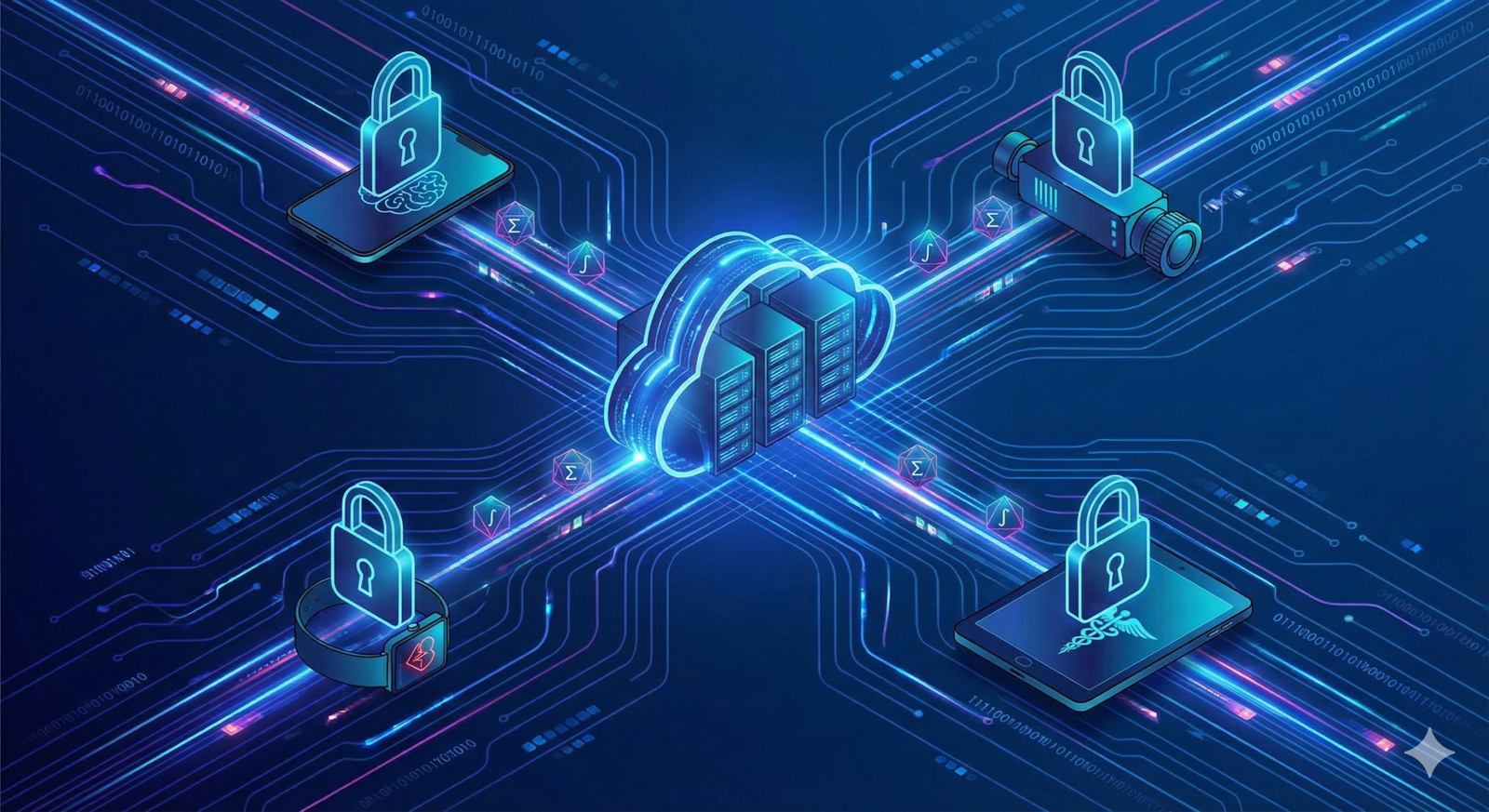
- AI Supercomputing: For many enterprises, this means managing hybrid compute environments—using on-prem GPUs for sensitive fine-tuning and the cloud for general inference.
The Synthesist: Harmonizing Human and Digital Labor
The Synthesist is perhaps the most “human-first” part of the role. This leader bridges the gap between technical capability and business outcomes.
- Workflow Redesign: Instead of “paving the cow path” by automating old, inefficient processes, the Synthesist uses a “zero-based” approach to redesign work around what AI can actually do.
- Agent Onboarding: Treating AI agents as employees—assigning them specific IDs, permissions, and performance KPIs.
The Sentinel: Leading on Responsible AI (RAI)
As the Sentinel, the AI Orchestrator is the final word on ethics and security.
- Predictive Cybersecurity: Using AI to hunt for threats created by other AIs.
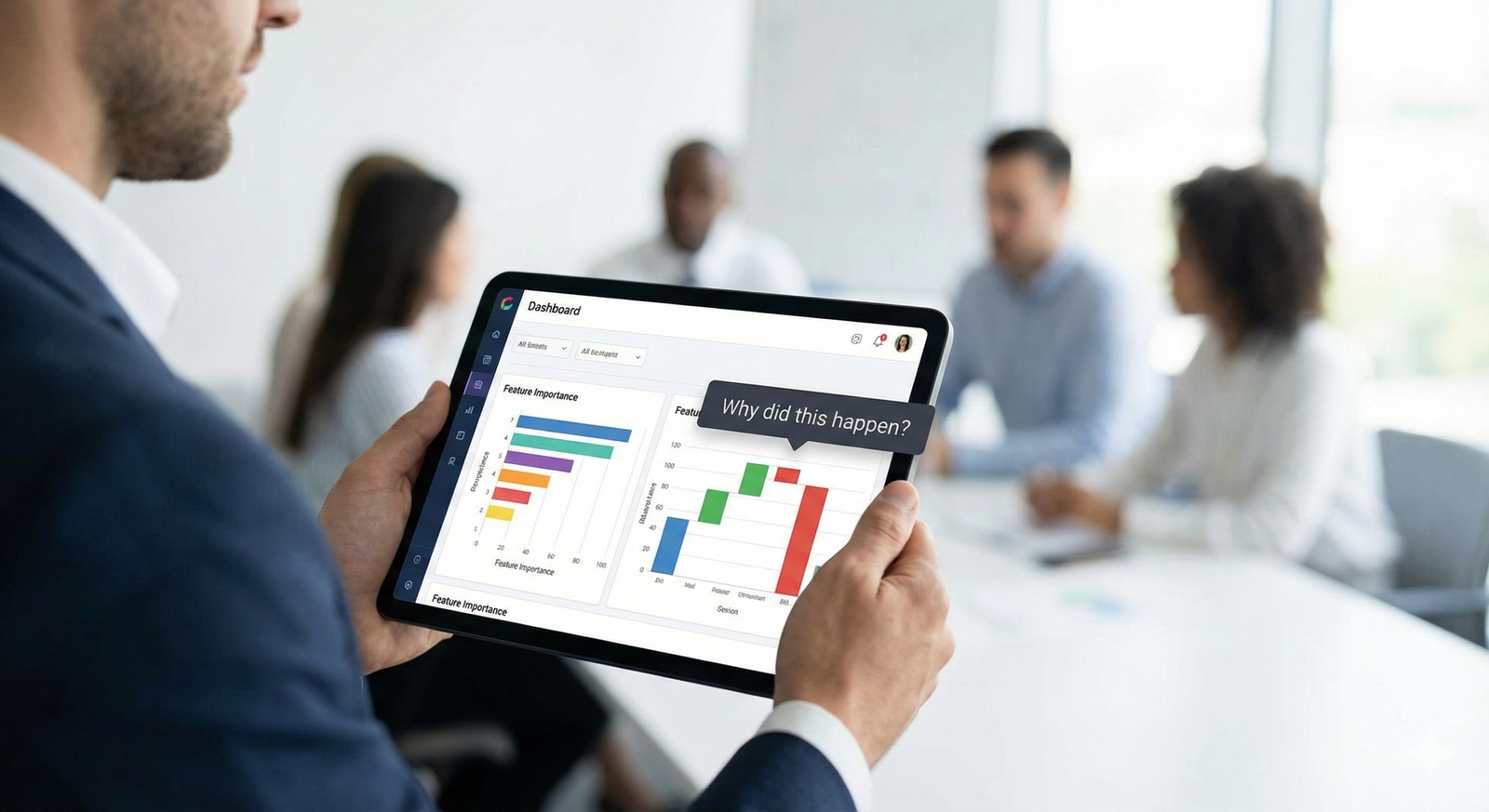
- Digital Provenance: Implementing tools to verify the origin and integrity of data used in training, ensuring that the organization isn’t liable for copyright or bias issues.
3. Mastering the Technology Stack: Beyond the General LLM
By 2026, the “one model to rule them all” philosophy has died. The AI Orchestrator must now navigate a complex hierarchy of intelligence.
Domain-Specific Language Models (DSLMs)
Generic models often fail at specialized tasks—medical coding, legal discovery, or precision manufacturing. The AI Orchestrator prioritizes DSLMs. These models are trained on industry-specific data, leading to:
- Lower Latency: Smaller, optimized models run faster.
- Increased Accuracy: They understand jargon and nuances that general models miss.
- Cost Efficiency: Specialized models often require 70% less compute power than frontier models for the same task.
Multiagent Systems (MAS)
The next level of orchestration is managing systems where AI agents “talk” to each other. For example:
- A Research Agent gathers data.
- An Analysis Agent creates a report.
- A Reviewer Agent checks for hallucinations.
- A Compliance Agent ensures the report meets legal standards.
Orchestrating this “conversation” requires a specialized middleware layer—often called an AI Gateway—that the CIO must now procure and manage.
4. The Financial Shift: Measuring AI ROI in 2026
One of the greatest points of friction for the modern CIO is the “Scaling Gap.” While 88% of organizations use AI in some capacity, only a fraction report significant profit improvements. The AI Orchestrator must move from “experimental spend” to “value-based budgeting.”
The New Financial Metrics
- TCO of Intelligence: Moving beyond SaaS seat-based pricing to “Token Economics.” How much does it cost the business to generate a specific outcome (e.g., a customer resolution)?
- Return on Efficiency (ROE): Measuring the reduction in human “toil”—the repetitive, non-value-adding tasks—and tracking whether that saved time is reinvested into innovation.
- AI Technical Debt: Identifying legacy “AI wrappers” that were built in 2024 but are now obsolete and expensive to maintain.
Common Mistake: The “Bolt-On” Trap
Many CIOs fail by trying to “bolt on” AI to existing legacy systems. The AI Orchestrator knows that true value comes from deep integration—where the AI has read/write access to the core database and can act autonomously within set guardrails.
5. Governance and the “Digital Workforce”
In 2026, we no longer just manage software; we manage Digital Labor. This requires a radical partnership between the CIO and the Chief Human Resources Officer (CHRO).
The AI Agent Lifecycle
The AI Orchestrator must establish a formal lifecycle for digital workers:
- Recruitment: Selecting the right model/agent framework for the job.
- Training: Fine-tuning the agent on corporate-specific data.
- Governance: Setting “Stopgap” permissions—for example, an agent can draft an invoice but cannot send it without human approval if it exceeds $5,000.
- Retirement: Decommissioning agents as models become obsolete or as business needs change.
Managing Shadow AI 2.0
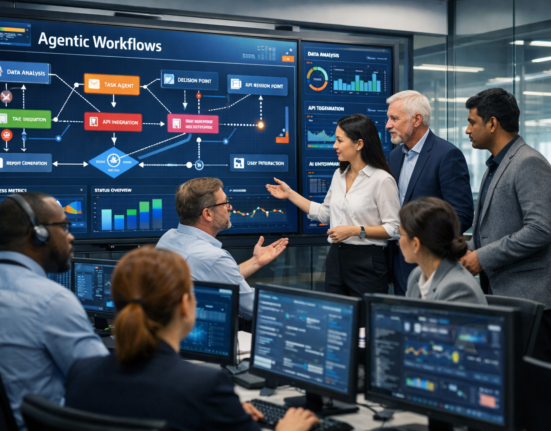
Shadow AI has evolved. It’s no longer just an employee using an unapproved chatbot; it’s a department head deploying their own “Agentic Workflow” without IT oversight. The AI Orchestrator combats this not with bans, but with Platform Enablement—providing a secure “AI Playground” where departments can build their own agents using pre-approved, governed tools.
6. Practical Implementation: A 12-Month Transition Roadmap
Transitioning from a traditional CIO to an AI Orchestrator doesn’t happen overnight. Here is a tactical plan for the next year.
| Timeline | Focus Area | Key Objective |
| Months 1–3 | Audit & Governance | Map all existing AI “pilots.” Establish an Enterprise AI Council including Legal, HR, and Finance. |
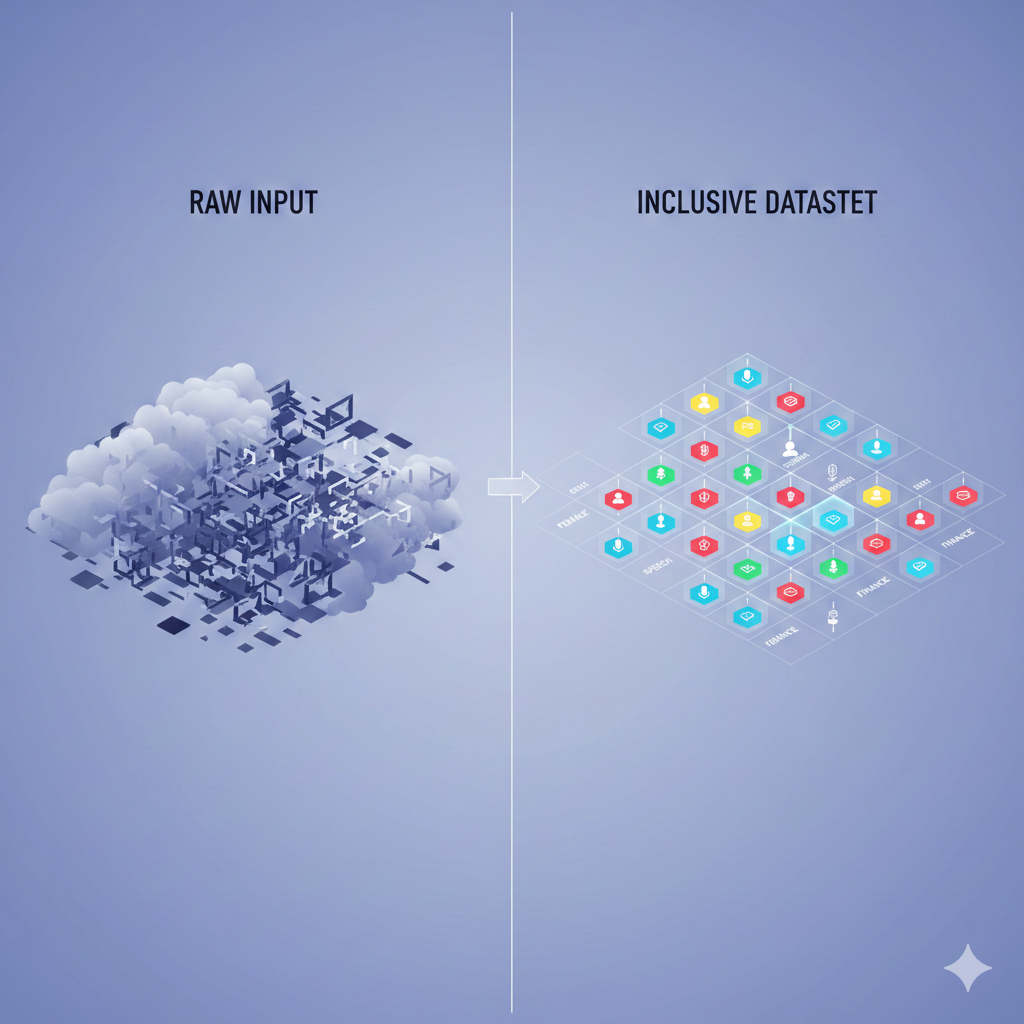
| Months 4–6 | The Data Foundation | Move from siloed data to “Data Products.” Ensure data is clean, labeled, and accessible via secure APIs. |
| Months 7–9 | Orchestration Layer | Deploy an AI Gateway to manage multiple LLMs and track token usage/cost. |
| Months 10–12 | Scale & Redesign | Select one core business process (e.g., Supply Chain) and redesign it as a Multiagent Workflow. |
7. Common Mistakes to Avoid
- The “AI for AI’s Sake” Fallacy: Deploying a complex multiagent system when a simple heuristic or automation script would suffice.
- Neglecting the “Human in the Loop”: Designing autonomous systems that exclude human judgment, leading to catastrophic errors when the AI encounters an “out-of-distribution” scenario.
- Ignoring Technical Debt: Letting departmental AI agents proliferate without a central registry, creating a “spaghetti mess” of integrations that will break during the next model update.
- Underestimating the Skills Gap: Assuming your current IT staff can transition to “Prompt Engineers” or “Agentic Architects” without significant upskilling.
Conclusion: The New Mandate of Leadership
The rise of the AI Orchestrator marks the end of IT as a support function. In 2026, technology is the business. The leaders who succeed will be those who can move past the technical specifications of an LLM and focus on the orchestration of value.
Transitioning the CIO role requires a unique blend of technical foresight, ethical grounding, and organizational empathy. You are no longer just the keeper of the keys to the data center; you are the conductor of a global, hybrid symphony of intelligence. The complexity is daunting, but the potential to reshape how humanity works is unprecedented.
Your Next Steps:
- Conduct an “Agent Audit”: Identify how many autonomous or semi-autonomous tasks are already running in your organization.
- Draft your “Digital Labor” Policy: Work with HR to define the rights, responsibilities, and oversight of AI agents.
- Invest in “Bilingual” Talent: Hire or train leaders who speak both “Business ROI” and “Agentic Architecture.”
FAQs
What is the difference between a CIO and an AI Orchestrator?
The traditional CIO manages information systems, hardware, and software licenses. The AI Orchestrator manages the interactions between those systems, human employees, and autonomous AI agents, focusing on workflow velocity and intelligence integrity rather than just uptime.
Do I need a Chief AI Officer (CAIO) in addition to an AI Orchestrator?
Ideally, the roles are combined. If a company has both, the CAIO often focuses on AI innovation and product development, while the AI Orchestrator (the evolved CIO) focuses on the enterprise-wide integration, governance, and scaling of those AI capabilities into core business operations.
How do I handle the high cost of GPU compute?
The AI Orchestrator adopts a “Cloud-Smart” and “Model-Right” approach. This involves using expensive frontier models (like GPT-5) only for complex reasoning, while offloading routine tasks to smaller, domain-specific models or open-source variants running on cost-optimized infrastructure.
Is “Shadow AI” still a threat in 2026?
Yes, but it has changed. It now takes the form of “Rogue Agents”—departments deploying autonomous bots that may bypass security protocols or make unauthorized financial decisions. Centralized orchestration is the only way to gain visibility into these “invisible” workflows.
How does the AI Orchestrator role impact IT staffing?
IT headcounts are shifting from “Operators” (those who keep things running) to “Architects” and “Orchestrators” (those who design and govern systems). There is a rising demand for “AI Ethicists” and “Agentic Designers” within the IT organization.
References
- KPMG International (Feb 2026): From IT leader to AI orchestrator: The CIO’s moment of reinvention.
- Gartner (Oct 2025): Top Strategic Technology Trends for 2026: The Rise of Multiagent Systems.
- McKinsey & Company (Feb 2026): The State of AI 2025/2026: Closing the Scaling Gap.
- Forrester Research (Oct 2025): Predictions 2026: Tech Leadership and the Rise of the Digital Workforce.
- MIT Sloan Management Review (Aug 2025): 3 Keys to Tech Leadership in an AI-First World.
- Deloitte (Dec 2025): State of AI in the Enterprise: The Transition to Sovereign AI.
- CIO.com (Feb 2026): The CIO Steps Up as Chief Intelligence Orchestrator.
- Harvard Business Review (Jan 2025): The Evolving Role of the CIO in the Age of Generative AI.
- BCG (Feb 2025): The CIO’s Role in AI Transformation and Productivity.
- Salesforce (Sept 2025): The New CIO/CTO Agenda: Orchestrating Digital Business.