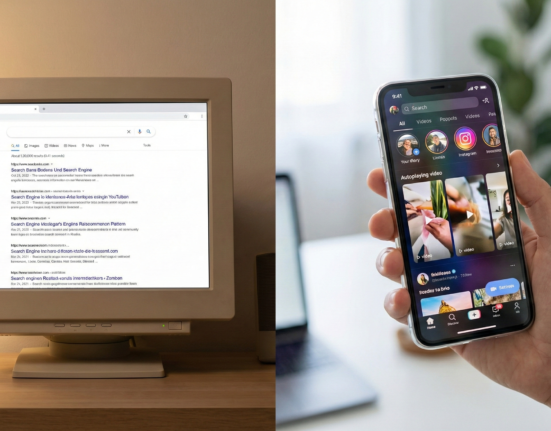
For over a decade, the dominant philosophy of the social web was “real names, real faces.” Platforms like Facebook and LinkedIn were built on the premise that connecting your offline identity to your online presence created accountability and trust. We curated our lives into highlight reels, meticulously editing photos and filtering thoughts to present a polished, identifiable brand to family, friends, and employers.
However, a significant shift has occurred. As we move through 2026, we are witnessing a massive resurgence and evolution of anonymous and pseudonymous social media platforms. Users are increasingly exhausted by the performance of public identity. The pressure to maintain a perfect image, coupled with fears of “cancel culture,” data surveillance, and professional blowback, has driven millions toward digital spaces where they can mask their legal identities.
This guide explores this cultural pivot. We will examine why people are hiding their faces to share their true selves, the platforms leading this charge, the mechanics of modern pseudonymity, and the complex ethical landscape of interacting without a name tag.
In this guide, anonymity refers to platforms where no persistent identity is required (like ephemeral posting), while pseudonymity refers to platforms where users maintain a consistent digital persona (handle/avatar) that is not linked to their real-world legal identity.
Key Takeaways
- The Fatigue of Curation: Users are trading the “perfect” aesthetic of Instagram for the “raw” honesty of anonymous text-based communities.
- Contextual Privacy: Modern platforms often verify what you are (e.g., an employee of Google) without revealing who you are, creating trusted but anonymous environments.
- The Professional Shift: Apps like Blind have revolutionized salary transparency and workplace whistleblowing by decoupling professional insight from career risk.
- Safety vs. Expression: The “Online Disinhibition Effect” cuts both ways, allowing for deep vulnerability and support, but also toxicity and harassment.
- Decentralization: Future trends point toward cryptographic proof of personhood, allowing users to prove they are real humans without sharing biometric or legal data.
The Great Migration: Why We Are Leaving “Real Names” Behind
To understand the rise of these platforms, we must first understand the problem they solve. The “Real Name” internet, originally pitched as a safer, more civil place, has inadvertently created a surveillance panopticon.
1. The Collapse of Context
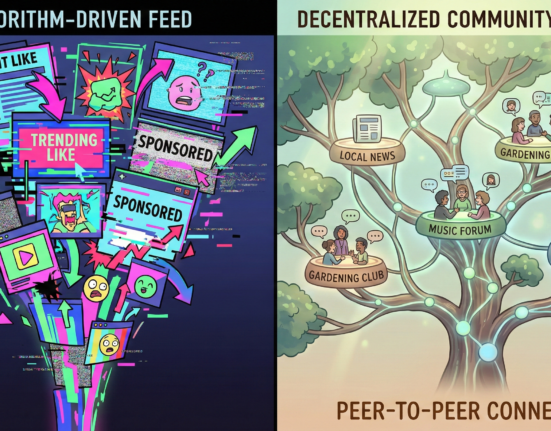
Social scientists call this “context collapse.” On a platform like Facebook, your audience includes your grandmother, your drinking buddies, your high school teacher, and your current boss. When you post, you must subconsciously sanitize your content to be acceptable to the “lowest common denominator” of that group. This stifles authentic expression. Anonymous platforms restore context. On Reddit, you can speak to a gardening community as a gardener, and five minutes later speak to a support group about anxiety, without those two identities colliding.
2. Fear of Professional Retribution
In an era where a decade-old tweet can derail a career, users are hyper-aware of their digital footprint. Professionals have realized that discussing salary negotiations, toxic management, or burnout under their real names is career suicide. Pseudonymity provides a shield, allowing workers to organize, compare compensation, and seek advice without fear of HR retaliation.
3. Algorithmic Exhaustion
Mainstream platforms are driven by visual algorithms that reward high-engagement, often polarized or hyper-aesthetic content. Text-first anonymous platforms tend to reward relevance and value. On Reddit or Hacker News, a post goes viral because the community votes it up based on the quality of the thought, not the attractiveness of the poster or their follower count.
Anonymity vs. Pseudonymity: Understanding the Distinction
While often used interchangeably, these terms represent different user behaviors and platform architectures.
Pure Anonymity
In a purely anonymous system, there is no persistent history. A user posts a message, and it stands alone. If they post again ten minutes later, no one knows it is the same person.
- Examples: Whisper, legacy Yik Yak (in its original form), certain 4chan boards.
- Pros: Total freedom from reputation; encourages ephemeral, spur-of-the-moment sharing.
- Cons: Extremely difficult to build community; high risk of toxicity as there are no consequences for bad behavior.
Pseudonymity (The “Handle” Economy)
Pseudonymity is the middle ground. You have a username (e.g., TechNinja99). You build a reputation, karma, and a post history attached to that name, but that name is not linked to John Smith, Accountant from Ohio.
- Examples: Reddit, Discord, Twitter (alt accounts), Mastodon.
- Pros: accountability within the community; ability to build long-term relationships; protection of offline safety.
- Cons: If the handle is doxxed (linked to real identity), the entire history is exposed.
Verified Anonymity (The Hybrid Model)
This is the fastest-growing sector in 2026. Platforms verify a specific attribute about you—such as your employment, your university, or your location—but allow you to interact anonymously within that verified group.
- Examples: Blind, Fishbowl, Fizz.
- Mechanism: You sign up with a work email (john@google.com). The platform sends a verification link. Once clicked, the link creates a hashed, anonymized token. The system knows “User X is verified as a Google employee,” but it (theoretically) deletes the link to john@google.com.
The Landscape of Anonymous Platforms in 2026
The market has segmented into distinct categories serving different human needs.
1. The Professional Confessionals: Blind and Fishbowl
Blind has become the de facto “watercooler” for the tech and finance industries. By requiring a work email for access but anonymizing the user, it creates a unique environment where a junior engineer can debate a VP (without knowing who the VP is, only that they work at the same company).
- How it works: Users are tagged with their company name.
- The Content: Deeply specific discussions on total compensation (TC), layoffs before they are announced, and unfiltered reviews of company culture.
- Impact: It has forced companies to be more transparent about pay bands. If a company claims to pay market rate, but 50 verified employees on Blind say otherwise, the internal narrative collapses.
2. The Community Giants: Reddit and Discord
Reddit remains the “front page of the internet,” proving that pseudonymity can scale. Its structure of “subreddits” allows for micro-governance. What is acceptable in r/RoastMe is banned in r/WholesomeMemes. Discord began as a gamer chat app but has morphed into a series of semi-private “third places.” Unlike the public square of Twitter, Discord servers are often invite-only or gated pseudonymous spaces where users hang out in audio/video channels. It mimics the feeling of a private living room rather than a public stage.
3. The Hyper-Local & Student Sphere: Fizz and Yik Yak
Fizz and the revived Yik Yak target university campuses. They use geolocation or .edu email verification to create a closed loop for students at a specific college.
- The Vibe: Hyper-local memes, complaints about dining hall food, and spotting crushes.
- The Risk: These platforms struggle immensely with bullying. When anonymity is combined with a tight geographic circle, “anonymous” comments often target specific, identifiable students, leading to severe harassment issues.
4. NGL (Not Gonna Lie) and Ask-Me-Anything Integrations
This category rides on top of existing social networks. Apps like NGL allow users to post a link on their Instagram Story asking for anonymous questions.
- The Psychology: It taps into the ego. We want to know what people really think of us.
- The Criticism: These apps are often accused of using bots to send fake “anonymous” questions to stimulate engagement when real users aren’t interacting.
The Psychology of the Mask: The Online Disinhibition Effect
Why do we act differently when no one knows who we are? Psychologist John Suler coined the term Online Disinhibition Effect, which manifests in two ways:
Toxic Disinhibition
This is the dark side. Without eye contact or reputation at stake, users may display rude, critical, hateful, or threatening behavior they would never exhibit in person. The “mask” removes the social feedback loop (seeing someone look hurt) that typically regulates human empathy.
Benign Disinhibition
This is the benevolent side. Anonymity allows for:
- Unusual Acts of Kindness: Generosity without seeking credit.
- Deep Vulnerability: Sharing struggles with addiction, sexual identity, or mental health issues.
- Honesty: Asking “stupid questions” without fear of judgment.
Example in Practice: Consider a user struggling with significant debt. On Facebook, they might post photos of a vacation to keep up appearances. On a pseudonymous finance forum, they might post: “I have $50k in credit card debt and I’m drowning. Help.” The anonymity allows them to receive tactical, life-saving advice that they would be too ashamed to ask for under their real name.
Privacy Architecture: How “Safe” Are You Really?
If you are using these platforms for sensitive communication (whistleblowing, political dissent), you must understand the technology underpinning them. Not all anonymity is created equal.
The “Trust Me” Model
Most apps (Reddit, Twitter, Instagram burners) operate on a standard database model. They verify your email or phone number and store it. They promise not to show it to the public, but they have the data.
- Risk: If law enforcement serves a subpoena, or if the platform is hacked, your identity can be revealed.
The Hashing/Tokenization Model
Platforms like Blind use one-way hashing. When you enter your work email, it is converted into a cryptographic string. The platform stores the string, not the email.
- Risk: While safer, metadata (IP addresses, timestamps) can still potentially be used to triangulate a user’s identity if the platform logs this data aggressively.
The Zero-Knowledge Proof (ZKP) Model
This is the gold standard emerging in high-tech privacy platforms. ZKPs allow you to prove a statement is true without revealing the data behind it.
- Analogy: Imagine a cave with a door that opens only with a password. You want to prove to me you know the password without telling it to me. You walk into the cave, I wait outside, and you emerge from the other side. You have proven you have the “key” without handing me the key.
- Application: In the future, you could prove you are over 18, or a US citizen, or a verified employee, using a ZKP credential, without the platform ever seeing your birthdate or name.
Challenges: Moderation and Harassment
The biggest hurdle for anonymous platforms is moderation. When users can create infinite accounts (sybil attacks), banning a bad actor is like playing Whac-A-Mole.
The Approaches to Moderation
- Community Moderation (The Reddit Model): Deputize users to moderate content. This scales well but creates “fiefdoms” where moderators enforce their own biases. It relies on the labor of volunteers.
- Device Fingerprinting: Platforms ban the phone or the browser, not just the account. This prevents a banned user from simply creating a new email and logging back in. However, this raises privacy concerns regarding the data the app scrapes from your device.
- Shadowbanning: The user can still post, and they see their own posts, but no one else can. This prevents the toxic user from realizing they are banned and creating a new account immediately.
- AI Sentiment Analysis: As of 2026, Large Language Models (LLMs) are the first line of defense. They scan text for hate speech, doxxing, and harassment patterns in real-time, flagging content before it is posted. While efficient, these systems still struggle with nuance, sarcasm, and reclaimed slurs used within minority communities.
Economic Models: How Do They Make Money?
If “you are the product” on Facebook because they sell your demographic data, how do anonymous platforms survive?
1. Contextual Advertising
Because anonymous platforms organize users by interest rather than demographic, they sell contextual ads. If you are browsing a subreddit about mechanical keyboards, the platform serves you ads for keyboard switches. They don’t need to know your name or age; they just need to know what you are looking at right now.
2. Recruitment and B2B Data
Platforms like Blind monetize by selling recruitment access to companies. Recruiters pay top dollar to post jobs to a verified pool of Google and Amazon engineers. They also sell aggregated sentiment data—companies pay to know, “What are engineers saying about our new return-to-office policy?”
3. Premium Subscriptions & Virtual Goods
Discord makes money through “Nitro” subscriptions that offer cosmetic upgrades (better emojis, higher quality video). Reddit sells “Gold” and awards. This “patronage” model relies on users loving the community enough to support it directly, freeing the platform from predatory data harvesting.
Navigating the Legal Landscape: Copyright and Disclosure
Even anonymously, legal rules apply. A common misconception is that anonymity grants immunity from copyright laws or FTC disclosure rules.
Copyright Traps
If a pseudonymous user posts a copyrighted image or leaks proprietary code, the copyright holder can file a DMCA subpoena. This legal instrument compels the platform to turn over identifying information (IP address, email) of the uploader. Anonymity is not a shield against intellectual property theft.
Sponsorship Disclosure
Influencers using avatars (VTubers) or pseudonyms must still disclose paid partnerships. The FTC (in the US) and similar global bodies require clear ” #ad” disclosures regardless of whether the influencer is a real person or a digital avatar.
Who This Is For (and Who It Isn’t)
This landscape is for you if:
- You need honest professional advice: You want to know if a company’s culture is toxic before accepting an offer.
- You belong to a marginalized group: You need a safe space to discuss identity or health issues without judgment.
- You are tired of the “Clout Game”: You want to discuss ideas, hobbies, or news without worrying about likes, followers, or your personal brand.
This landscape is NOT for you if:
- You struggle with thin skin: Even in well-moderated anonymous spaces, bluntness is the default currency. The feedback is raw.
- You require total accountability: If you cannot trust information unless you know exactly who said it, pseudonymous advice will be frustrating.
- You are looking for traditional networking: While you can network anonymously, eventually, you usually have to “dox” yourself (reveal your identity) to take a connection offline or get a job referral.
Looking Ahead: The Future of Digital Identity
As we look toward 2030, the binary between “Real Name” and “Anonymous” will likely blur into Self-Sovereign Identity (SSI).
We are moving toward a wallet-based login future (Web3 logic, regardless of crypto prices). Users will carry a digital wallet containing “credentials”—verified badges that prove they are a university graduate, a citizen of a specific country, or over 21. They will use these badges to access platforms without giving up their name.
The future is not about hiding who we are; it is about selectively revealing only what is necessary for the context. We will treat our data like we treat our bodies: clothed by default, revealing skin only when we choose, to whom we choose.
Conclusion
The rise of anonymous and pseudonymous platforms is a direct response to the over-exposure of the last decade. It represents a collective desire to reclaim privacy, separate our work selves from our private selves, and find community based on shared interests rather than shared geography.
While these platforms carry inherent risks of toxicity, they also offer the profound relief of dropping the mask of perfection. Whether you are a whistleblower holding a corporation accountable, a student seeking support, or a professional negotiating a raise, pseudonymity offers a toolset that the “Real Name” web simply cannot provide.
Next Step: If you are feeling digital fatigue, try auditing your social media usage. Consider replacing one “doom-scroll” session on a curated platform with a visit to a topic-specific pseudonymous forum to see if the engagement feels more authentic to you.
FAQs
1. Is it illegal to use a pseudonym on social media? No, using a pseudonym is generally legal in most democratic countries. However, using a pseudonym to commit fraud, impersonate a specific individual for harm, or evade bans can violate laws or terms of service. Some jurisdictions are debating “real name” laws, but as of 2026, they are not the global standard.
2. Can anonymous apps really track who I am? Yes. Unless the app uses end-to-end encryption with zero-knowledge architecture, they likely log your IP address, device ID, and the email/phone number you used to sign up. This data can be handed over to law enforcement if a warrant is issued.
3. What is the difference between Blind and LinkedIn? LinkedIn is a professional networking site based on your real identity, resume, and connections. It is optimized for career growth and recruiting. Blind is an anonymous community based on verified employment. It is optimized for honest discussions about salary, company culture, and internal grievances.
4. How do I stay safe on anonymous platforms? Never share Personally Identifiable Information (PII) like your home address or phone number. Use a unique password and, if possible, a burner email address. Be wary of users trying to move the conversation to a different, less secure app. Utilize the block and report features liberally.
5. Are anonymous apps safe for teenagers? Generally, experts advise caution. Apps like Yik Yak or NGL have high incidents of cyberbullying because the social consequences of bullying are removed. If teenagers use these apps, active parental dialogue about how to handle negative comments is crucial.
6. Why are people moving away from Instagram and Facebook? Users cite “performance fatigue”—the exhaustion of constantly curating a perfect life. There is also a desire for “community” over “audience.” On Facebook, you perform for an audience; on Reddit or Discord, you participate in a community.
7. Can I get fired for what I post on Blind? It is rare, but possible. If you post specific trade secrets, threaten violence, or post details so specific that only you could have known them, your company could launch an internal investigation or subpoena the platform (though Blind fights these vigorously to protect user trust).
8. What is a “throwaway account”? A throwaway account is a temporary username created for a single post or short-term use, usually to share a specific secret or ask a sensitive question without linking it to the user’s main pseudonymous account (which might have years of history).
9. How does “doxxing” happen on anonymous platforms? Doxxing usually happens through “context clues.” A user might mention their city in one post, their age in another, their job title in a third, and a picture of their dog in a fourth. A dedicated sleuth can piece these crumbs together to identify the real person.
10. What are Zero-Knowledge Proofs (ZKPs)? ZKPs are cryptographic methods that allow one party to prove to another that a statement is true (e.g., “I am over 21”) without revealing any other information (like the actual birthdate or name). This is considered the future of private but verified online identity.
References
- Electronic Frontier Foundation (EFF). (2024). Anonymity and Privacy: A Guide to Digital Rights. https://www.eff.org
- Pew Research Center. (2025). The Future of Digital Identity and Social Media Usage Trends. https://www.pewresearch.org
- Team Blind. (2025). The Blind Community Guidelines and Privacy Architecture. https://www.teamblind.com
- Suler, J. (2004). The Online Disinhibition Effect. CyberPsychology & Behavior. (Foundational academic paper provided for context on psychological theories).
- Discord. (2025). Safety Center: Transparency Report. https://discord.com/safety
- Federal Trade Commission (FTC). (2025). Disclosures 101 for Social Media Influencers. https://www.ftc.gov
- Reddit. (2026). Reddit Transparency Report 2025. https://www.redditinc.com/policies/transparency
- Signal Foundation. (2025). Technology and Privacy Documentation. https://signal.org/docs/