The romanticized image of the “digital nomad”—hopping from a Parisian cafe to a Thai beach every few days—is rapidly colliding with the reality of burnout, loneliness, and diminishing productivity. As remote work matures from a pandemic necessity into a permanent lifestyle choice, a significant shift is occurring in how location-independent professionals approach travel. The era of “fast travel” is ceding ground to mid-term stays, typically defined as staying in one location for one to three months.
This approach, often dubbed “slomadism” or “slow travel,” is not merely about seeing fewer places; it is a strategic decision to optimize for mental health, professional output, and financial stability. By choosing a “base” rather than a stopover, remote workers are finding they can deepen their cultural understanding of a place while maintaining the routine necessary for high-level career performance.
In this guide, “mid-term stay” refers to a rental period of 1 to 3 months—long enough to bypass tourist pricing and tourist visas in many regions, but short enough to maintain the freedom of a nomadic lifestyle. We will explore why this shift is happening, how to select the right base for your specific needs, and the practicalities of transitioning from a backpacker mindset to a resident mindset.
Key Takeaways
- Burnout Mitigation: Moving every week creates a cognitive load that kills productivity; staying 1–3 months allows for a stabilizing routine.
- Cost Efficiency: Monthly rental discounts on platforms like Airbnb often range from 30% to 50%, significantly lowering the Cost of Living (COL).
- Community Depth: Meaningful relationships rarely form in three days; a base allows you to join gyms, coworking spaces, and local circles.
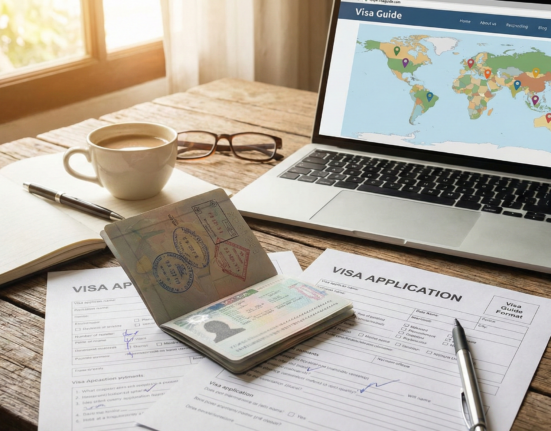
- Visa Strategy: Many tourist visas allow 30 to 90 days, making this timeframe the “sweet spot” for legal stays without complex paperwork.
- Market volatility: As of early 2026, many cities are tightening short-term rental regulations, making mid-term leases a safer and more compliant option.
The Economics of Staying Put: Why Fast Travel is Expensive
While fast travel might seem exciting, it is mathematically inefficient for anyone balancing a full-time workload. The financial argument for mid-term stays is one of the strongest drivers of this trend.
The “Monthly Discount” Phenomenon
The most immediate financial benefit of a mid-term stay is the reduction in accommodation costs. Short-term rentals (1–6 nights) are priced to cover high turnover costs: cleaning fees, vacancies between guests, and administrative overhead. However, once a booking crosses the 28-day threshold, most platforms (including Airbnb, Flatio, and Vrbo) trigger a “monthly stay” algorithm.
In practice, this often results in:
- 30–50% discounts off the nightly rate.
- Waived or reduced service fees on certain platforms.
- Exemption from tourist taxes in specific jurisdictions that only tax stays under 30 days.
For example, a studio apartment in Lisbon might list for €100 per night. For a 3-night stay, the cost is €300. However, for a month, that same host might list the property for €1,500 total, bringing the effective nightly rate down to €50. This arbitrage allows nomads to live in higher-quality housing for less money compared to constant hopping.
Food and Lifestyle Arbitrage
Fast travelers rely heavily on restaurants and convenience food because they lack the time to locate grocery stores or the kitchen equipment to cook meals. When you establish a base for a month or more, you unlock “resident pricing”:
- Grocery Shopping: You learn where locals shop, avoiding the “tourist tax” of convenience stores.
- Cooking: You have time to stock a pantry with spices and staples, lowering the per-meal cost significantly compared to buying new ingredients for every location.
- Transportation: Instead of paying for expensive airport transfers and daily Ubers, you can purchase monthly public transit passes or rent a scooter/bike for a fraction of the daily rate.
The Hidden Cost of Context Switching
There is also a “soft cost” to fast travel: lost billable hours. Every time you move, you lose roughly 1–2 days to packing, transit, unpacking, troubleshooting new WiFi, and figuring out where to find coffee. If you move every week, you are losing up to 30% of your potential work month to logistics. By staying for three months, you incur this “setup cost” only once per quarter, reclaiming dozens of hours for work or leisure.
The Psychology of the “Slomad”: Mental Health and Routine
Beyond the wallet, the shift to mid-term stays is largely driven by mental health. The psychological toll of constant novelty—often called “travel fatigue”—is a well-documented phenomenon among long-term travelers.
The Cognitive Load of Novelty
The human brain consumes significant energy processing new environments. When you arrive in a new city, your brain is on high alert mapping the geography, decoding cultural norms, and ensuring safety. While exhilarating in short bursts (vacations), sustaining this state for months leads to cognitive exhaustion.
A base allows you to automate the basics of life. You know where the gym is. You know how the washing machine works. You know which cafe has the best WiFi. This automation frees up mental bandwidth for:
- Deep Work: Complex professional tasks require focus that is impossible when you are worried about check-out times.
- Creativity: Boredom and routine are often precursors to creative breakthroughs; constant stimulation can actually stifle deep thought.
Combating the “Loneliness Epidemic”
Loneliness is consistently cited as the number one downside of the digital nomad lifestyle. Fast travel limits social interactions to surface-level introductions: “Where are you from?”, “What do you do?”, “How long are you here?”
Mid-term stays allow for the “mere exposure effect”—a psychological phenomenon where people tend to develop a preference for things (and people) merely because they are familiar with them.
- Recurring Interactions: Seeing the same barista, the same coworking members, or the same neighbors builds a sense of belonging.
- Shared Hobbies: You can sign up for a 6-week pottery class, a month-long Muay Thai membership, or a language course. These structured activities are the primary vectors for making friends as an adult.
How to Evaluate a Potential Base: A Decision Framework
Choosing a location for a 3-day trip is easy; if it’s bad, you leave. Choosing a home for 3 months requires distinct due diligence. A poor choice can trap you in a lease with bad internet or an isolating environment.
Here is a comprehensive framework for evaluating a potential mid-term base.
1. The Internet Infrastructure Test
“Good WiFi” is a subjective term. For a mid-term stay, you need reliable, high-bandwidth internet.
- Don’t trust the listing: Hosts often say WiFi is “fast” if it can load Netflix. That doesn’t mean it can handle a Zoom call with screen sharing.
- Ask for a screenshot: Before booking a month-long stay, ask the host to run a speed test (fast.com or speedtest.net) from the working area of the rental and send you a screenshot.
- Backup plan: Does the city have a robust 4G/5G network? Can you buy a local SIM card with unlimited data to tether if the fiber goes down?
2. Time Zone Alignment
Your base must align with your clients or team. Living in Bali while working New York hours (a 12-hour difference) is physically sustainable for a week or two, but over three months, it creates social isolation and sleep deprivation.
- The “Golden Corridors”:
- The Americas Corridor: (UTC-3 to UTC-8). Ideal for nomads working with US/Canada clients. Popular bases: Mexico City, Medellin, Buenos Aires.
- The EMEA Corridor: (UTC+0 to UTC+3). Ideal for working with Europe. Popular bases: Lisbon, Cape Town, Canary Islands.
- The APAC Corridor: (UTC+7 to UTC+10). Ideal for working with Asia/Australia or async work. Popular bases: Chiang Mai, Da Nang, Tokyo.
3. Cost of Living (COL) vs. Quality of Life
A cheap city is not always a good base. You are looking for value arbitrage—high quality of life for a lower cost than your home country.
- Use Numbeo: Check the “Cost of Living” index for rent, groceries, and restaurants.
- Factor in “Nomad Inflation”: Prices in nomad hubs (like Canggu, Bali or Condesa, Mexico City) are often 30-50% higher than the local average. Budget accordingly.
4. Safety and Geopolitics
Safety requirements vary by individual, but for a mid-term stay, you need to feel safe walking home after dinner or carrying a laptop to a cafe.
- Geopolitical Stability: As of 2025/2026, rapid shifts in visa rules or civil unrest can happen. Check government travel advisories, but also consult real-time forums like Reddit or Nomad List for “on the ground” sentiment.
5. Visa Accessibility
Can you legally stay for the duration without a visa run?
- The 90-Day Standard: The Schengen Zone (Europe) and many other countries (Japan, South Korea, Colombia) offer 90 days visa-free for many passports. This naturally structures the “3-month base.”
- Visa Extensions: Some countries (Thailand, Indonesia) offer 30 or 60 days on arrival but allow for in-country extensions. Knowing this process before you arrive is critical to avoid wasting days at an immigration office.
Accommodation Strategies: Finding the Perfect Mid-Term Rental
Finding a rental for 1–3 months is a unique market segment—it falls between the cracks of short-term vacation rentals and long-term annual leases.
Platform Strategy
- Airbnb/Vrbo: The easiest but most expensive route. Use filters to search for “monthly stays” to see discounted rates.
- Flatio / Spotahome: These platforms specialize in mid-term rentals (1–12 months), particularly in Europe. They often require a deposit but have lower fees than Airbnb.
- Facebook Groups: Search for “[City Name] Housing,” “[City Name] Expat Rentals,” or “[City Name] Short Term Rentals.” This is where you find the best deals, often direct from owners. Warning: Never wire money without seeing the apartment or having a verified contract.
- Dedicated Coliving: Companies like Selina or Outsite offer monthly packages. You pay a premium for community and guaranteed WiFi, but the rooms are often small.
The “Boots on the Ground” Tactic
For the best deal, book a hotel or Airbnb for your first 3–5 days. Once you arrive:
- Walk the neighborhoods to get a feel for the vibe (noise levels, hills, proximity to grocery stores).
- Look for “For Rent” signs (which often have local pricing, not tourist pricing).
- Message Airbnb hosts of properties you like and ask if they would consider a direct booking or a discounted rate for an extended stay now that you are in town and can meet them.
Evaluating the Workspace
If you work from home, the “laptop-friendly workspace” filter on Airbnb is insufficient. It usually just means “a table exists.”
- The Chair: Look at photos specifically for the chair. Is it a dining chair? A kitchen stool? If you will sit there for 8 hours, this matters.
- Lighting: Is the apartment a basement unit? Natural light is crucial for mental health during a long stay.
- Ergonomics: Consider traveling with a portable laptop stand (like a Roost stand) and a Bluetooth keyboard/mouse. This allows you to turn any dining table into a viable workstation.
Community Integration: Moving Beyond the “Bubble”
One of the criticisms of the digital nomad lifestyle is the creation of “nomad bubbles”—enclaves where foreigners interact only with each other, driving up prices and failing to engage with the local culture. A mid-term stay offers the opportunity to break this cycle.
The “Third Place” Strategy
Sociologist Ray Oldenburg coined the term “third place” to describe social surroundings separate from the two usual social environments of home (“first place”) and the workplace (“second place”). For a nomad, establishing a third place is vital.
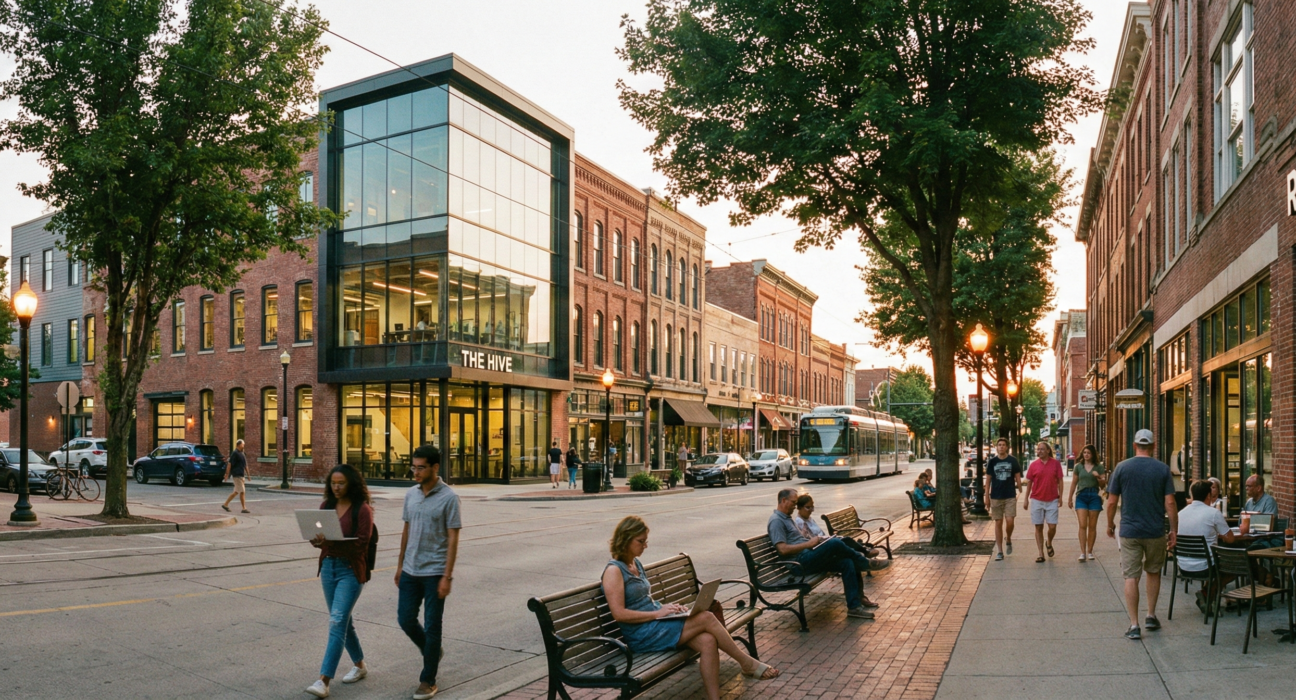
- Coworking Spaces: Don’t just work from your living room. A coworking membership is an investment in mental health. Look for spaces that host community lunches or skill-shares.
- The “Regular” Spot: Pick a cafe or restaurant and go there three times a week. Tipping well and learning the staff’s names creates a micro-community interaction that grounds you in the neighborhood.
Learning the Language
You cannot learn a language fluently in 3 months, but you can learn enough to show respect.
- The “Survival 50”: Learn the 50 most common words (greetings, numbers, food ordering, gratitude).
- Language Exchanges: Apps like Tandem or local “intercambio” meetups are excellent ways to meet locals who want to practice English (or your native language) while helping you with the local tongue.
Volunteering and Skill Sharing
Using your professional skills to give back can be a powerful way to integrate.
- Local NGOs: Many organizations need help with websites, social media, or basic IT.
- Workshops: Offer a free workshop on your area of expertise at a local community center or innovation hub.
Practical Logistics: Insurance, Taxes, and Banking
When you move fast, you can often fly under the radar. When you stay for months, logistics matter more.
Health Insurance
Standard travel insurance (like World Nomads) is designed for emergencies during vacations. It often does not cover routine care or preventive checkups.
- Nomad Insurance: Providers like SafetyWing (Nomad Insurance 2.0) or Genki offer coverage specifically designed for indefinite travel. They often work on a subscription model (monthly payments) rather than a fixed-trip duration.
- Medical Evacuation: Ensure your policy covers medical evacuation. If you are in a remote base with limited healthcare infrastructure, getting to a major hospital can cost $50,000+ without insurance.
Tax Residency and Compliance
Disclaimer: This is information, not financial advice. Tax laws vary wildly by citizenship and destination.
- The 183-Day Rule: In many countries, becoming a tax resident is triggered after staying 183 days in a tax year. Staying 1–3 months usually keeps you clear of becoming a tax resident of that specific country.
- Home Country Domicile: Most nomads remain tax residents of their home country unless they formally sever ties.
- The Digital Nomad Visa (DNV) Factor: DNVs often have specific tax implications. Some (like Croatia) offer tax exemptions for nomads; others (like Spain’s Beckham Law) offer reduced rates. If you enter on a DNV, check the specific tax liability, as it might trigger even on a shorter stay depending on the jurisdiction.
Banking and Currency
- ATM Fees: Over 3 months, ATM fees add up. Use cards that reimburse global ATM fees (e.g., Charles Schwab in the US) or multi-currency accounts like Wise or Revolut.
- Cash Economy: In many ideal nomad bases (parts of Latin America and SE Asia), cash is still king. Don’t rely solely on Apple Pay.
The Emotional Cycle of a Mid-Term Stay
Anticipating the emotional rhythm of a 3-month stay helps you navigate it successfully.
Phase 1: The Honeymoon (Weeks 1–2) Everything is new and exciting. You explore the tourist sites, try new foods, and feel high energy. Productivity might dip as you prioritize exploration.
Phase 2: The Integration (Weeks 3–6) The novelty wears off. You encounter minor frustrations (a leak in the apartment, a language barrier issue, a bout of illness). This is the “dip.” However, this is also when you start to build a routine. You find your gym, your grocery store, and your rhythm. Productivity usually peaks here.
Phase 3: The Deepening (Weeks 7–10) You have local friends. You know shortcuts through the city. You feel less like a tourist and more like a resident. You might feel a sense of boredom, but it is a comfortable boredom—the feeling of being at home.
Phase 4: The Departure Anxiety (Weeks 11–12) You realize you have to leave. You rush to do the things you missed. You have to say goodbye to new friends. This phase can be bittersweet and stressful as you plan the logistics for the next base.
Top Global Regions for Mid-Term Bases (As of 2026)
While trends shift, certain hubs remain perennial favorites due to infrastructure, cost, and community.
1. Southeast Asia (The Budget King)
- Top Bases: Chiang Mai (Thailand), Da Nang (Vietnam), Bali (Indonesia).
- Pros: Extremely low cost of living, high-speed internet, massive nomad communities, incredible food.
- Cons: Time zone issues for US workers, humid climate, occasional visa complexity (though improving).
2. Southern Europe (The Lifestyle Choice)
- Top Bases: Lisbon/Madeira (Portugal), Canary Islands/Valencia (Spain), Bansko (Bulgaria).
- Pros: Safe, walkable, excellent healthcare, cultural richness, GDPR-level data privacy.
- Cons: Higher cost of living (especially in summer), winter can be damp (except Canaries), bureaucracy.
3. Latin America (The Time Zone Haven)
- Top Bases: Medellin (Colombia), Mexico City (Mexico), Buenos Aires (Argentina).
- Pros: Perfect time zone alignment for US/Canada, vibrant culture, warm weather, affordable.
- Cons: Safety concerns in specific neighborhoods, language barrier (Spanish is necessary), variable internet reliability.
Pitfalls to Avoid
Even with the best planning, mid-term stays can go wrong. Here are common mistakes:
- Over-committing too early: Booking a non-refundable 3-month stay before seeing the city. Solution: Book 1 week, then extend if you like it.
- Ignoring Seasonality: Arriving in Chiang Mai during “burning season” (Feb-April) or in London during November without realizing the gloom. Solution: Check weather averages and local pollution indexes before booking.
- Underestimating Isolation: Assuming that because a city is a “nomad hub,” you will instantly have friends. Solution: Be proactive. Join the WhatsApp groups and attend the meetups immediately upon arrival.
- Visa Drift: Accidentally overstaying a visa by one day. In some countries, this results in a small fine; in others (like Indonesia), it can mean detention and blacklisting. Solution: Set a calendar alert for 1 week before your visa expires.
Conclusion: The Future is Slow
The shift toward mid-term stays marks a maturation of the remote work lifestyle. It acknowledges that while travel is about breadth, living is about depth. By choosing a base for 1–3 months, you stop being a perpetual observer passing through and start becoming a participant in the places you visit.
This “slomad” approach offers a sustainable path forward—one that protects your bank account, preserves your mental health, and allows you to perform at your best professionally. In a world where you can work from anywhere, the greatest luxury isn’t moving constantly; it’s the freedom to stay long enough to feel at home.
Next Steps
If you are ready to transition to a mid-term stay model:
- Pick your region based on your work time zone.
- Run a speed test on your potential apartment before paying.
- Join a local community group (Facebook or Slack) for your target city today to start asking questions.
Frequently Asked Questions (FAQs)
1. What is the difference between a digital nomad and a slomad? A digital nomad is a broad term for anyone working remotely while traveling. A “slomad” (slow nomad) is a sub-category of nomad who prefers staying in one location for longer periods (typically 1–6 months) rather than moving frequently, prioritizing routine and community over sightseeing.
2. Do I need a Digital Nomad Visa for a 3-month stay? Not always. Many countries allow tourists to stay for up to 90 days on a standard tourist entry (visa-free or visa-on-arrival). However, if you plan to stay longer than the tourist limit, you will need a specific Digital Nomad Visa or another long-term residency permit. Always check the specific entry requirements for your passport.
3. Is it cheaper to book an Airbnb for a month? Yes, almost always. Most Airbnb hosts offer a significant “monthly discount” (ranging from 10% to 50%) to attract longer-term tenants, as it guarantees them income and reduces their workload regarding cleaning and check-ins.
4. How do I handle taxes if I move every 3 months? Generally, you remain a tax resident of your home country (or wherever your permanent domicile is) unless you spend more than 183 days in a new country. However, tax laws are complex and vary by citizenship. It is crucial to consult with a tax professional who specializes in expat or nomad taxation.
5. What should I look for in a mid-term rental workspace? Look beyond “laptop friendly.” Verify internet speed (ask for a screenshot of a speed test), check for an ergonomic chair (not a kitchen stool), ensure there is adequate natural lighting, and check if the workspace is separated from the sleeping area to help with work-life balance.
6. How do I make friends when staying for only a few months? Be proactive. Join local coworking spaces, attend “meetups” found on apps like Meetup.com or local Facebook groups, join a gym or hobby class, and look for “expat” or “digital nomad” WhatsApp groups specific to that city.
7. Can I break a mid-term lease if I don’t like the city? It depends on how you booked. Platforms like Airbnb have strict cancellation policies for long-term stays (often requiring you to pay for 30 days even if you leave early). Direct bookings with landlords might be more flexible but offer less consumer protection.
8. What is the best travel insurance for mid-term stays? Look for “travel medical insurance” designed for nomads, such as SafetyWing, Genki, or World Nomads. Ensure the policy covers you for the full duration of your stay and includes coverage for riding scooters/motorbikes if you plan to do so, as this is a common exclusion.
9. Are mid-term stays safe for solo female travelers? Safety varies by location, not stay duration. However, staying longer allows you to learn the safe and unsafe areas of a city, build a local support network, and become less of a target than a confused tourist. Research neighborhoods carefully before booking.
10. What are the best platforms for finding monthly rentals besides Airbnb? Aside from Airbnb, check out Flatio (Europe-focused), Spotahome, Selina (coliving), and localized Facebook groups (e.g., “Lisbon Housing” or “Bali Villa Rentals”). TrustedHousesitters is another option if you are willing to care for pets in exchange for accommodation.
References
- Nomad List. (n.d.). Best Places to Live for a Digital Nomad. Nomad List. https://nomadlist.com/
- Numbeo. (n.d.). Cost of Living Around the World. Numbeo. https://www.numbeo.com/cost-of-living/
- Airbnb. (2023). Airbnb Travel Trends: The Rise of Long-Term Stays. Airbnb Newsroom. https://news.airbnb.com/
- MBO Partners. (2023). State of Independence in America 2023: The Rise of the Digital Nomad. MBO Partners. https://www.mbopartners.com/state-of-independence/
- SafetyWing. (n.d.). Nomad Insurance Policy Documentation. SafetyWing. https://safetywing.com/nomad-insurance
- European Commission. (2024). Schengen Area Visa Rules. European Union. https://home-affairs.ec.europa.eu/policies/schengen-borders-and-visa/visa-policy_en
- Oldenburg, R. (1989). The Great Good Place. Da Capo Press. (Context on “Third Places”).
- Buffer. (2023). State of Remote Work 2023. Buffer. https://buffer.com/state-of-remote-work/2023