In the early days of the internet, a meme was often dismissed as a trivial distraction—a funny picture of a cat with a caption, or a dancing baby animation shared via email. Today, that assessment could not be further from the truth. We are living in an era of deep memetic culture, a sociological shift where the primary currency of communication, persuasion, and identity is the meme.
Memes have transcended humor to become the foundational language of the digital age. They are the vehicles through which political ideologies are distilled and spread, and the mechanism by which brands build (or destroy) loyalty with younger generations. For politicians, memes are weapons of information warfare. For brands, they are a high-stakes tightrope walk between relevance and embarrassment.
This guide explores the mechanics of memetic culture, analyzing how “internet jokes” have evolved into a powerful force that shapes our voting behaviors, our purchasing decisions, and our collective reality.
Key Takeaways
- Definition beyond humor: Memetic culture is not just about laughter; it is a mode of communication based on remixing, referencing, and participatory sharing.
- Political impact: Memes simplify complex policies into shareable emotional triggers, serving as powerful tools for both grassroots activism and propaganda.
- Brand necessity: Modern brand identity relies on “speaking the language” of the internet, requiring a shift from polished corporate aesthetics to lo-fi, authentic engagement.
- The speed of culture: The lifecycle of a meme is accelerating, requiring brands and political actors to react in real-time or risk irrelevance.
- Risks involved: Context collapse and “cringe” are constant threats; misusing a meme can alienate the exact community you intend to reach.
1. What is Memetic Culture?
To understand how memes shape politics and business, we must first define what we mean by memetic culture.
From Biology to Bytes
The term “meme” was coined by evolutionary biologist Richard Dawkins in his 1976 book, The Selfish Gene. Dawkins described a meme as a unit of cultural transmission—a tune, an idea, a catchphrase, or a fashion trend—that spreads from person to person by imitation. He argued that memes, like genes, undergo natural selection: those that are best at getting themselves replicated survive, while others die out.
In the digital context, this definition has evolved. Internet memes are not just ideas that spread; they are multimodal artifacts (text, images, video) that are:
- Volitional: Shared on purpose, not by accident.
- Remixable: Altered by each user to fit a new context.
- Intertextual: They reference other memes, pop culture moments, or niche internet history.
Memetic culture, therefore, is a culture where society processes events through these artifacts. When a major news event occurs—a celebrity trial, a presidential debate, or a sporting final—the immediate public reaction is not to write a long-form essay, but to create a meme. This reaction serves as a collective mechanism for coping, analyzing, and establishing a consensus on what just happened.
The Shift from Passive to Participatory
Traditional media culture (TV, Radio, Print) was passive. You watched the news, and you absorbed the information. Memetic culture is participatory.
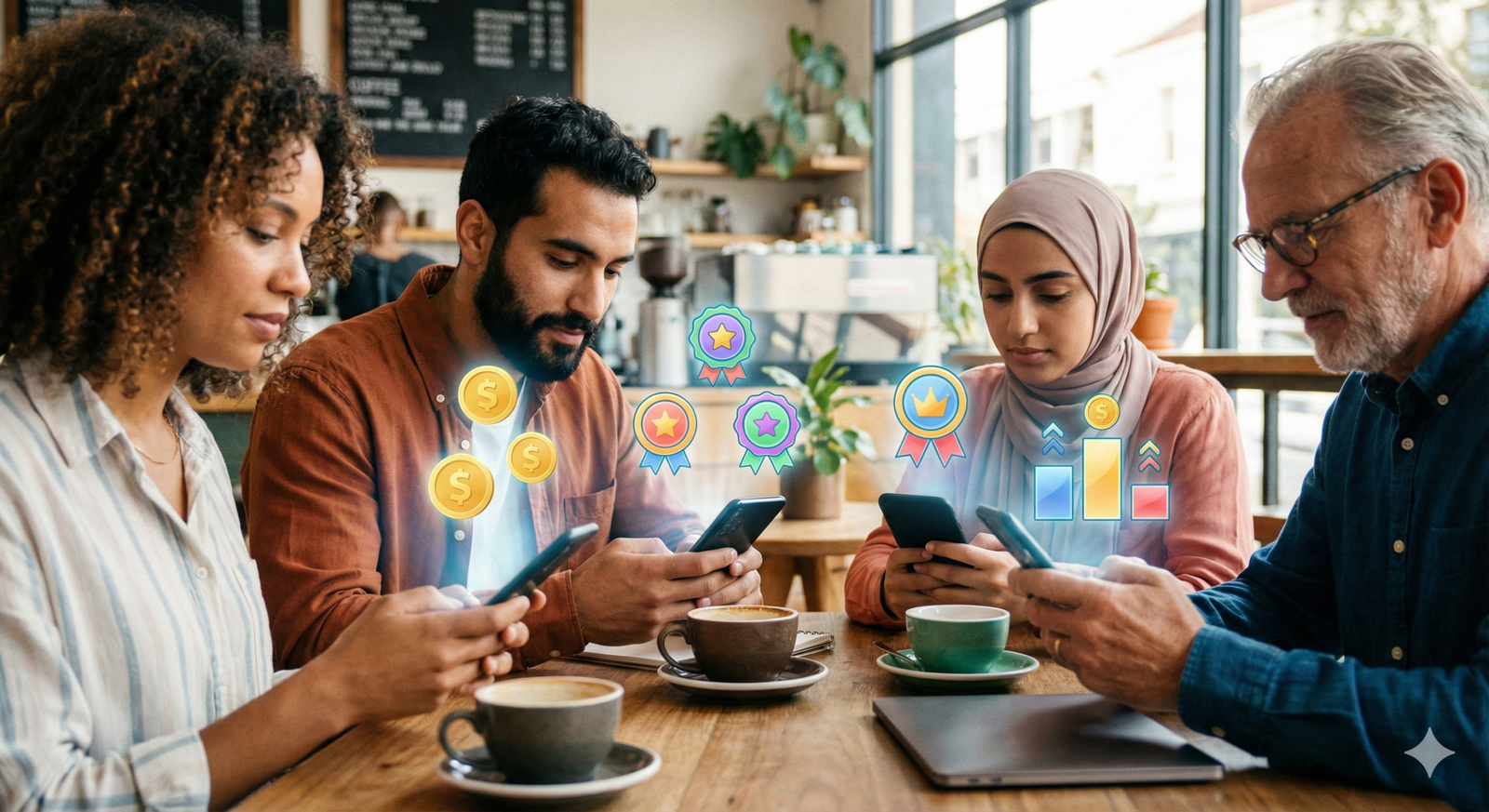
In this ecosystem, you are not just a consumer; you are a potential creator. The barrier to entry is zero. A teenager with a smartphone can remix a political speech into a viral TikTok sound that reaches more people than the speech itself. This shift has democratized influence, stripping power away from traditional gatekeepers (news editors, ad agencies) and handing it to the “hive mind” of the internet.
Scope of This Guide
In this guide, memetic culture refers to the sociological and economic impact of internet memes on serious institutions.
- IN SCOPE: The use of memes in elections, corporate marketing strategies, crisis communication, and community building.
- OUT OF SCOPE: A history of specific image macros (e.g., the history of “Pepe” or “Doge” specifically), or technical tutorials on how to edit video.
2. The Psychology of Sharing: Why Memes Work
Why do memes dominate our feeds? The answer lies in human psychology. Memes trigger specific cognitive mechanisms that make them superior vehicles for information in an attention-economy world.
Cognitive Ease and Pattern Recognition
The human brain prefers “cognitive ease”—information that is easy to process. Memes rely on established templates. When you see the “Distracted Boyfriend” image, your brain instantly understands the relationship between the three labeled elements (the ignored stable option, the distractor, and the distracted subject). You don’t have to parse the image; you only have to parse the text. This allows for rapid-fire communication of complex analogies.
Tribalism and Social Signaling
Sharing a meme is a social signal. It says, “I am part of this group.”
- In-Group Signaling: Niche memes (like those about coding, specific video games, or local politics) reinforce bonds within a community. If you get the joke, you are “one of us.”
- Out-Group Exclusion: If you don’t understand the meme, you are an outsider. This mechanism is powerful in politics, where memes are used to mock the opposition in ways that only the base will fully appreciate.
Emotional Regulation
Memetic culture often leans into nihilism, absurdity, or self-deprecation. For younger generations (Millennials, Gen Z, and Gen Alpha), memes are a coping mechanism for global anxieties—climate change, economic instability, and political unrest. By turning a terrifying news headline into a meme, the threat becomes manageable. It transforms fear into communal laughter.
3. Memetic Politics: The New Battleground
Politics has always utilized slogans and cartoons, but memetic culture has fundamentally altered the speed and nature of political discourse. It is no longer about the 30-second TV spot; it is about the 6-second soundbite and the image macro.
The “Meme Warfare” Phenomenon
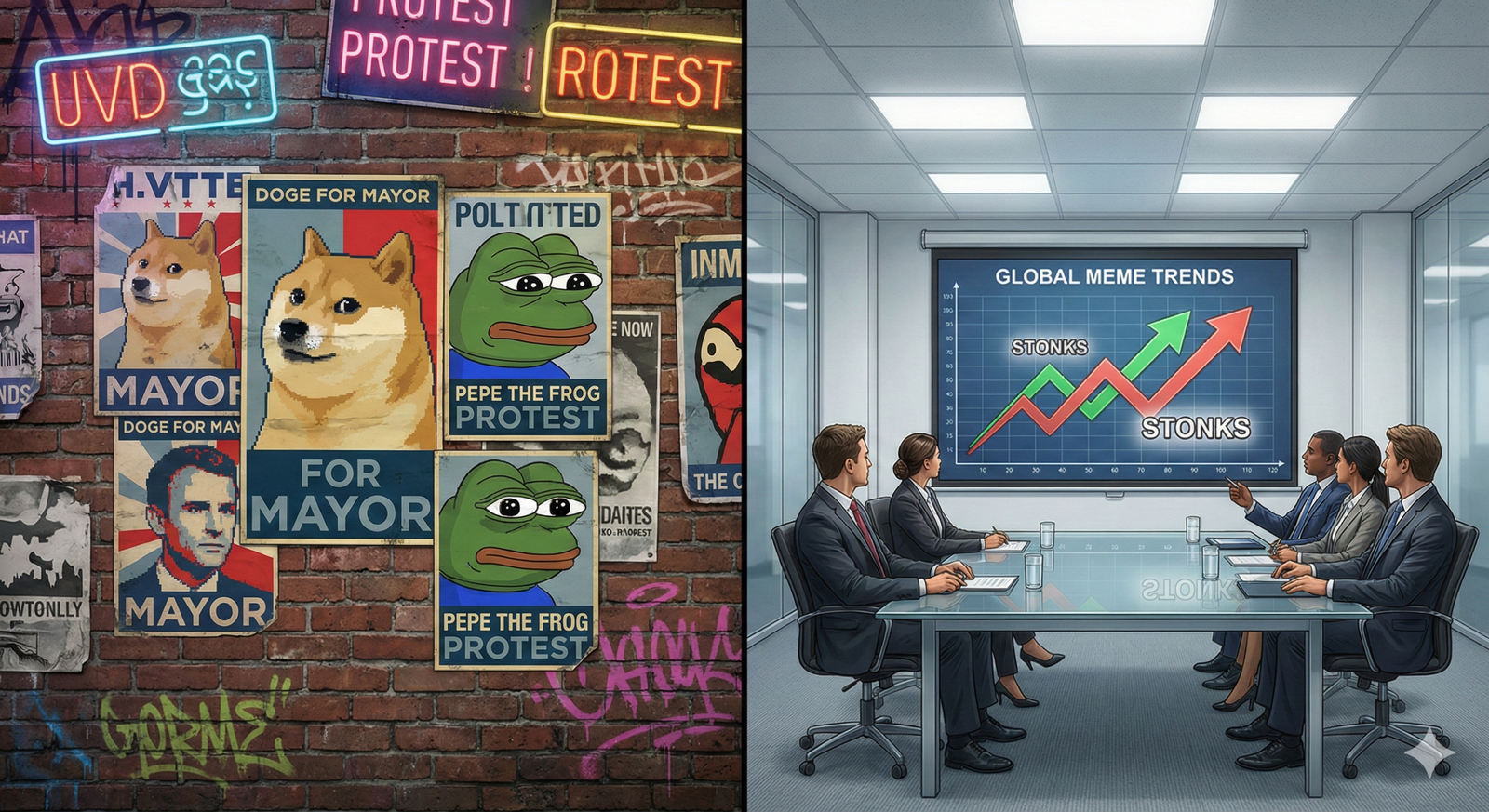
“Meme warfare” refers to the coordinated effort to use memes to influence public opinion, disrupt opposing narratives, and mobilize voters. This is not limited to fringe groups; major political parties globally now employ “meme lords” and digital strategists whose sole job is to monitor trends and deploy content.
1. Simplification as a Weapon
Political issues are complex. Memes are simple. A 500-page economic policy is difficult to sell to a disengaged voter. However, a meme depicting the opponent as a “Soyjak” (a character used to mock perceived weakness) and the candidate as a “Chad” (representing strength) conveys an immediate, visceral hierarchy.
- Pro: It makes politics accessible to the masses.
- Con: It strips away nuance, reducing policy debates to binary “good vs. evil” visuals.
2. The “Bernie Mittens” Effect: Humanization
Memes humanize politicians. When a photo of Senator Bernie Sanders wearing oversized mittens went viral, it wasn’t about his policy; it was about his vibe—grumpy, practical, relatable. The internet remixed him into historical photos, movie scenes, and album covers.
For a politician, becoming a meme is a double-edged sword. It grants massive visibility (earned media worth millions), but it removes control over the narrative. The politician becomes a character in the internet’s story, not their own.
3. Grassroots vs. Astroturfing
Memetic culture thrives on authenticity. Genuine grassroots movements often produce the most effective political memes because they arise organically from the frustration or joy of the electorate.
However, political campaigns often attempt “astroturfing”—creating fake grassroots memes. The internet is remarkably good at detecting this. When a campaign forces a meme that feels inauthentic, the backlash is often swift and brutal, resulting in “ratioing” (where negative replies outnumber likes) and mockery.
The Dark Side: Radicalization
Because memes rely on humor and irony, they can act as a “Trojan Horse” for extremist ideologies. A hateful message wrapped in a joke is harder to censor and easier to defend (“I was just kidding”). This allows fringe groups to introduce radical concepts to mainstream audiences, slowly shifting the “Overton Window” (the range of policies acceptable to the mainstream population) through repetition and desensitization.
4. Brand Identity in the Age of “Brainrot”
If politics is the battlefield, the marketplace is the playground. Brands have realized that traditional advertising—slick, polished, highly produced—is often invisible to consumers trained to scroll past ads. To capture attention, brands must enter the memetic culture.
From Corporate Polish to “Unhinged” Authenticity
A major trend in the 2020s is the rise of the “unhinged” brand account. This strategy involves corporate accounts (like Duolingo, Wendy’s, or Ryanair) acting less like businesses and more like chaotic internet users.
- The Strategy: By breaking the “fourth wall” of professionalism, brands signal that they understand the culture. They use slang, engage in petty feuds with other brands, and post low-quality images (lo-fi) that look like they were made in MS Paint.
- The Goal: Parasocial interaction. Brands want consumers to view them as a “friend” or a “character” rather than a faceless entity selling a product.
Trendjacking: The Need for Speed
In memetic culture, timing is everything. The lifespan of a meme can be as short as 48 hours.
- Day 1: The trend starts (e.g., a specific dance, a soundbite from a show).
- Day 2: Early adopters and creators remix it.
- Day 3: It hits peak saturation.
- Day 4: Brands arrive.
- Day 5: The meme is considered “dead” or “cringe.”
Brands that require three weeks of legal approval to post a tweet will always miss the boat. To succeed, companies are restructuring their marketing teams to allow for rapid-fire, decentralized decision-making.
Sonic Branding and TikTok
The rise of TikTok has introduced “audio memes” to the mix. A brand’s identity is no longer just its logo or color palette; it is also how it utilizes trending audio. Brands that successfully identify a trending sound and adapt it to their product before it peaks gain massive organic reach. This requires social media managers who are culturally immersed, spending hours a day scrolling to spot the next wave.
The “Fellow Kids” Risk
The term “How do you do, fellow kids?” originates from a 30 Rock meme featuring Steve Buscemi trying to blend in with teenagers. It is the label applied to any brand that uses a meme incorrectly, too late, or too corporately.
Failure in memetic culture results in immediate mockery. If a bank tries to use a meme about being broke to sell loans, the disconnect between the medium (humor/relatability) and the message (corporate profit) creates a backlash. Authenticity is the ultimate currency.
5. The Lifecycle of a Meme
Understanding the lifecycle of a meme is crucial for anyone attempting to leverage it.
| Phase | Description | Key Players | Brand Opportunity |
| 1. Origin | The initial image, video, or text appears. Usually obscure. | Niche communities (Reddit, 4chan, Discord). | None. Too risky/unknown. |
| 2. Spread | The format is recognized and templates are created. | Twitter (X), TikTok early adopters. | High Risk/High Reward. Only for the “edgy” brands. |
| 3. Mainstream | The meme is everywhere. Variations are endless. | Instagram, LinkedIn, Facebook. | Prime Window. Safe for most agile brands. |
| 4. Decline | The meme becomes repetitive. | Traditional Media, Late-night talk shows. | Avoid. Posting now looks out of touch. |
| 5. Irony/Zombie | The meme is used ironically to mock its own overuse. | Gen Z, Gen Alpha. | Niche. specific brands can play here if self-aware. |
6. Case Studies: Successes and Failures
To illustrate the power of memetic culture, we can look at generalized examples of how this plays out in the real world.
The “Barbenheimer” Phenomenon (Success)
In the summer of 2023, the simultaneous release of two diametrically opposed movies (Barbie and Oppenheimer) created a massive organic meme event.
- The Meme: The visual contrast between the bright pink aesthetic of Barbie and the dark, gritty aesthetic of Oppenheimer.
- The Result: Instead of competing, the internet decided consumers should see both.
- The Lesson: Neither studio created this. It was a user-generated narrative. The studios’ success lay in leaning into it rather than fighting it. They allowed the memetic culture to drive the marketing, resulting in record-breaking box office numbers for both.
The “Generic Brand Tweet” (Failure)
A common failure mode is when a brand simply posts a popular meme image with a caption that says “Buy our product.”
- The Mistake: This violates the rule of transformative work. A meme requires a remix or a clever twist. Simply pasting a logo onto a meme is seen as lazy extraction of value without contributing to the culture.
- The Consequence: The brand is labeled as “cringe,” and the algorithm often suppresses the content due to low engagement or negative sentiment.
7. Ethical Considerations and Risks
While memes are effective, they operate in a legal and ethical grey area.
Copyright and IP
Technically, most memes use copyrighted imagery (screenshots from movies, photos of celebrities). While usually protected under “Fair Use” (parody/commentary) for individuals, the water gets murky for brands using them for commercial gain. While lawsuits are rare (bad PR), they are a risk. Brands often prefer using “original” memes or recreating formats with their own assets to be safe.
The Human Cost
Many memes feature real people—often caught in embarrassing or vulnerable moments. “Bad Luck Brian” or “Star Wars Kid” were real people whose lives were impacted by their likeness becoming a global joke. Brands engaging with memetic culture must be wary of “punching down” or exploiting individuals who did not consent to becoming a meme.
Context Collapse
A meme that is funny on Twitter might be offensive on LinkedIn. A meme that is acceptable in the US might be confusing or insulting in Japan. The internet is global, but culture is local. Brands and politicians risk “context collapse,” where a message intended for a specific in-group is seen by an out-group that misinterprets it, leading to a PR crisis.
8. How to Navigate Memetic Culture: A Framework
If you are a marketer, a campaign manager, or a creator, how do you survive in this environment?
1. Hire Culturally Literate Teams
You cannot teach someone memetic fluency in a seminar. It requires genuine immersion. Hire people who already spend time in the digital spaces you want to reach. Trust their instincts when they say a trend is “over” or “too risky.”
2. The 70/20/10 Rule
- 70% Safe Content: Standard, high-value content that informs or entertains without high risk.
- 20% Trend Adaptation: Participating in established, safe memes that fit your brand voice.
- 10% Experimental/Edgy: Pushing the boundaries to try and initiate a viral moment.
3. Don’t Try Too Hard
The internet smells desperation. If a meme doesn’t naturally fit your candidate or your product, skip it. It is better to sit out a trend than to force a connection that makes you look out of touch.
4. Speed over Perfection
A rough video shot on an iPhone that is posted today is worth 10x more than a polished 4K video posted next week. Memetic culture values immediacy and raw authenticity over production value.
Conclusion
Memetic culture is not a fad; it is the evolution of language in a hyper-connected world. It has dissolved the lines between high culture and low culture, between the boardroom and the basement, and between the politician and the voter.
For brands, the challenge is to move from “broadcasting” to “participating.” For political entities, the challenge is to harness the emotional power of memes without sacrificing the seriousness of governance. In both cases, the power dynamics have shifted. The audience is no longer just watching; they are remixing, replying, and rewriting the narrative in real-time. To succeed today, you don’t just need a message; you need a meme.
FAQs
1. What is the difference between a viral post and a meme?
A viral post is simply content that is viewed by many people rapidly. A meme is content that is replicated and remixed. If people are just watching a video, it’s viral. If people are making their own versions of the video or using a screenshot from it as a template for new jokes, it has become a meme.
2. Can memes actually change election results?
While difficult to quantify exactly, experts agree that memes influence voter enthusiasm, narrative framing, and candidate likeability. They are particularly effective at defining a candidate’s character (e.g., “weak,” “energetic,” “out of touch”) in the minds of undecided or younger voters who may not watch traditional debates.
3. Is it safe for B2B brands to use memes?
Yes, but the tone must be appropriate. B2B memes often focus on shared professional frustrations (e.g., “Excel spreadsheets crashing” or “endless Zoom meetings”). Platforms like LinkedIn have seen a surge in “professional memes” that build community through shared industry pain points.
4. How do I know if a meme is dead?
If you see it being used in a traditional TV commercial or by a brand that is notoriously slow (like a utility company), the meme is likely in its “zombie” phase. Tools like Google Trends or simply searching the meme on TikTok and filtering by “last 24 hours” can help gauge if it’s still active.
5. What is “Millennial” vs. “Gen Z” humor in memes?
Broadly speaking, Millennial meme humor tends to be self-deprecating but structured (e.g., “Adulting is hard”). Gen Z humor tends to be more absurdist, surreal, and visual (e.g., distorted audio, deep-fried images, nonsense humor). Understanding this distinction is vital for targeting the right demographic.
6. Do I need to pay royalties for using a meme?
Generally, brands do not pay royalties for standard meme templates due to the decentralized nature of internet culture and Fair Use defenses. However, using a specific person’s likeness (like “Success Kid”) for a major ad campaign usually requires a licensing agreement to avoid “right of publicity” lawsuits.
7. How can I track memetic trends?
Manual monitoring is best. Regularly checking the “Trending” tabs on TikTok and X (Twitter), browsing subreddits relevant to your industry, and using social listening tools can help. However, having a team member who is genuinely part of the culture is the most reliable tracking method.
8. What happens if a brand gets “ratioed”?
If a brand’s meme backfires, the best strategy is usually to assess the damage. If it’s just mockery, it often blows over in 24 hours. If it’s offensive, a sincere apology is needed. Deleting the post often triggers the “Streisand Effect,” drawing more attention to the mistake. Sometimes, rolling with the punches and laughing at yourself is the best recovery.
References
- Shifman, L. (2013). Memes in Digital Culture. MIT Press. (Foundational academic text on the definition and sociology of memes).
- Dawkins, R. (1976). The Selfish Gene. Oxford University Press. (Source of the original definition of “meme”).
- Jenkins, H. (2006). Convergence Culture: Where Old and New Media Collide. NYU Press. (Regarding participatory culture).
- Google Trends. (n.d.). Search Interest Data. Retrieved from https://trends.google.com/ (For analyzing the lifecycle and peak popularity of specific memes).
- Know Your Meme. (n.d.). Internet Meme Database. Retrieved from https://knowyourmeme.com/ (The primary archive for tracking meme origins and spread).
- Miltner, K. M. (2014). “There’s no place for lulz on LOLCats: The role of genre, gender, and group identity in the interpretation and enjoyment of an internet meme.” First Monday. (Academic analysis of in-group signaling).
- Burgess, J., & Green, J. (2018). YouTube: Online Video and Participatory Culture. Polity. (Insight into video-based memetic transmission).