In the last few years, telemedicine technology has changed a lot because of new digital health platforms, AI, and ways to connect. Healthcare systems around the world are dealing with rising costs, an aging population, and the need for fair access. Telemedicine is a powerful solution because it brings care directly to patients’ homes. Telemedicine today is not just about replacing in-person visits; it’s also about creating a hybrid continuum of care that is more personalized, predictive, and preventive. This includes things like video calls that happen at the same time and data exchange that happens at different times.
This article lists the seven most recent advances in telemedicine technology. It gives healthcare leaders, doctors, and people who love digital health a close look at the new technologies that will change virtual care in 2025. Every section goes into detail about an important area of technology, showing how it is used in the real world, what the clinical outcomes are, and what experts think. This full guide has everything you need to know to stay ahead of the game, whether you’re a policymaker looking at the future of telehealth rules or a hospital administrator looking into remote monitoring options.
1. AI-driven diagnostics and virtual health assistants
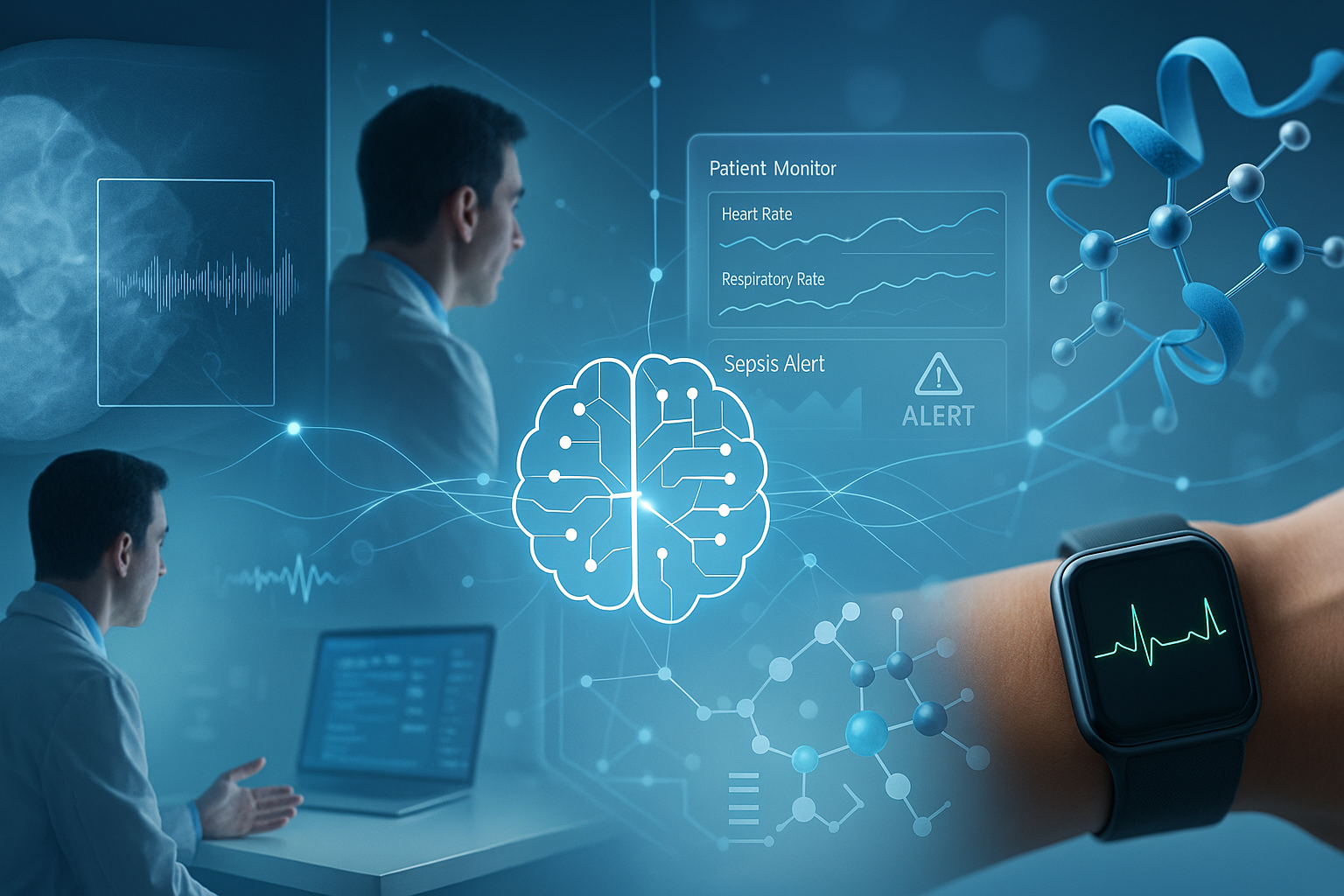
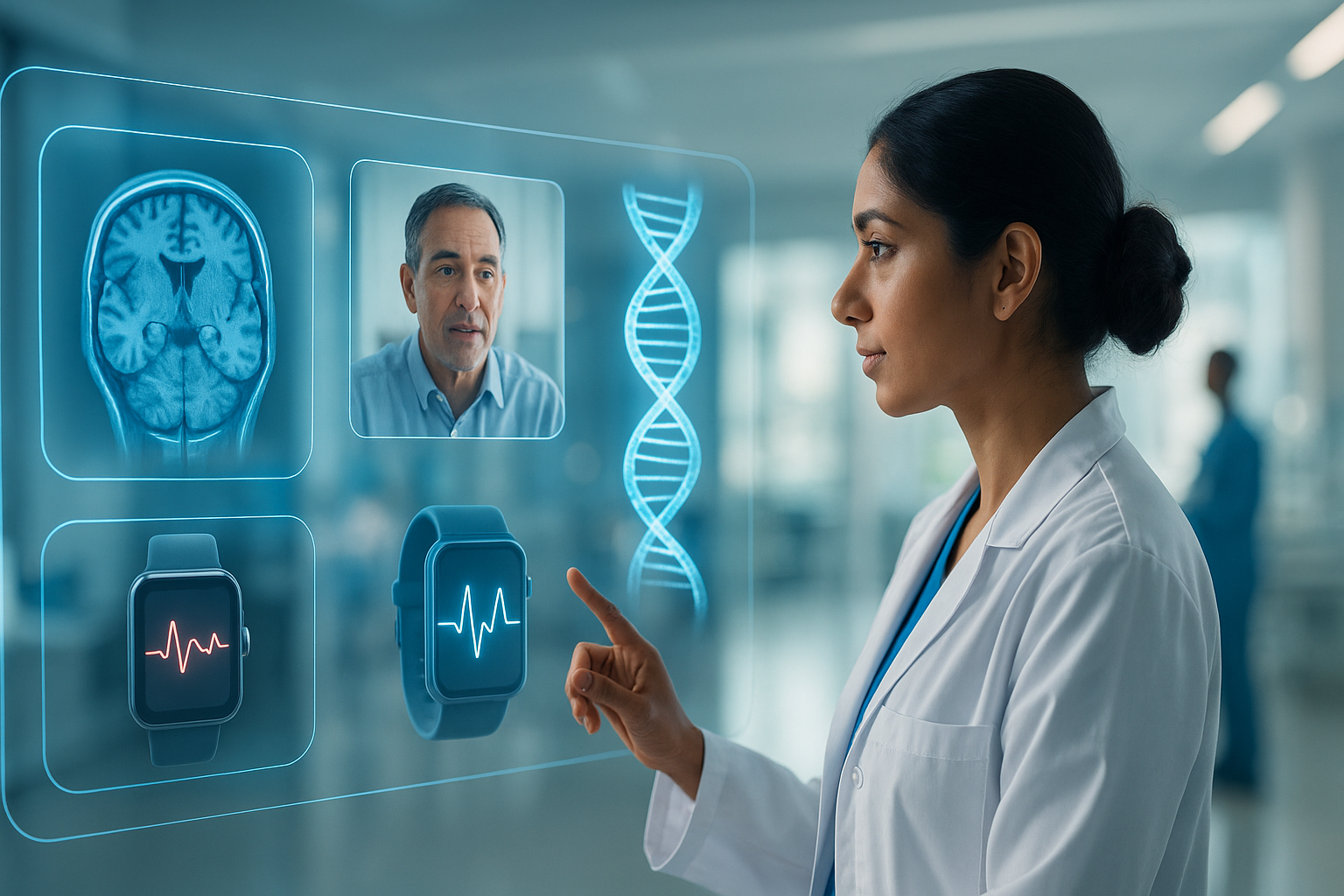
AI is what makes telemedicine processes easier and faster. Generative AI models now act like virtual health assistants, helping with tasks like organizing patients, summarizing clinical notes, and making initial diagnoses. For example, AI algorithms can look at symptoms reported by patients and electronic health record (EHR) data to find possible conditions, like cardiac arrhythmias or diabetic retinopathy, before a doctor even looks at the case.
Telehealth platforms are also using large language models (LLMs) to help people talk to each other in real time. These AI assistants can answer patient questions, set up follow-up appointments, and send medication reminders, which makes things much easier for providers. A recent poll found that 87% of healthcare leaders plan to spend more on AI in telehealth by 2025 because they know it can help with clinical decision support and make diagnoses more accurate.
Clinical trials are going on to test AI-assisted diagnostics in telecardiology, where machine learning models look at electrocardiograms (ECGs) sent from wearable devices. Initial findings indicate a 30% decrease in diagnostic latency relative to conventional workflows, thereby improving the capacity to identify acute events remotely. As regulators make rules for AI-assisted care better, telemedicine platforms that use strong validation protocols will be seen as useful and reliable.
2. More remote patient monitoring and the use of wearable devices together
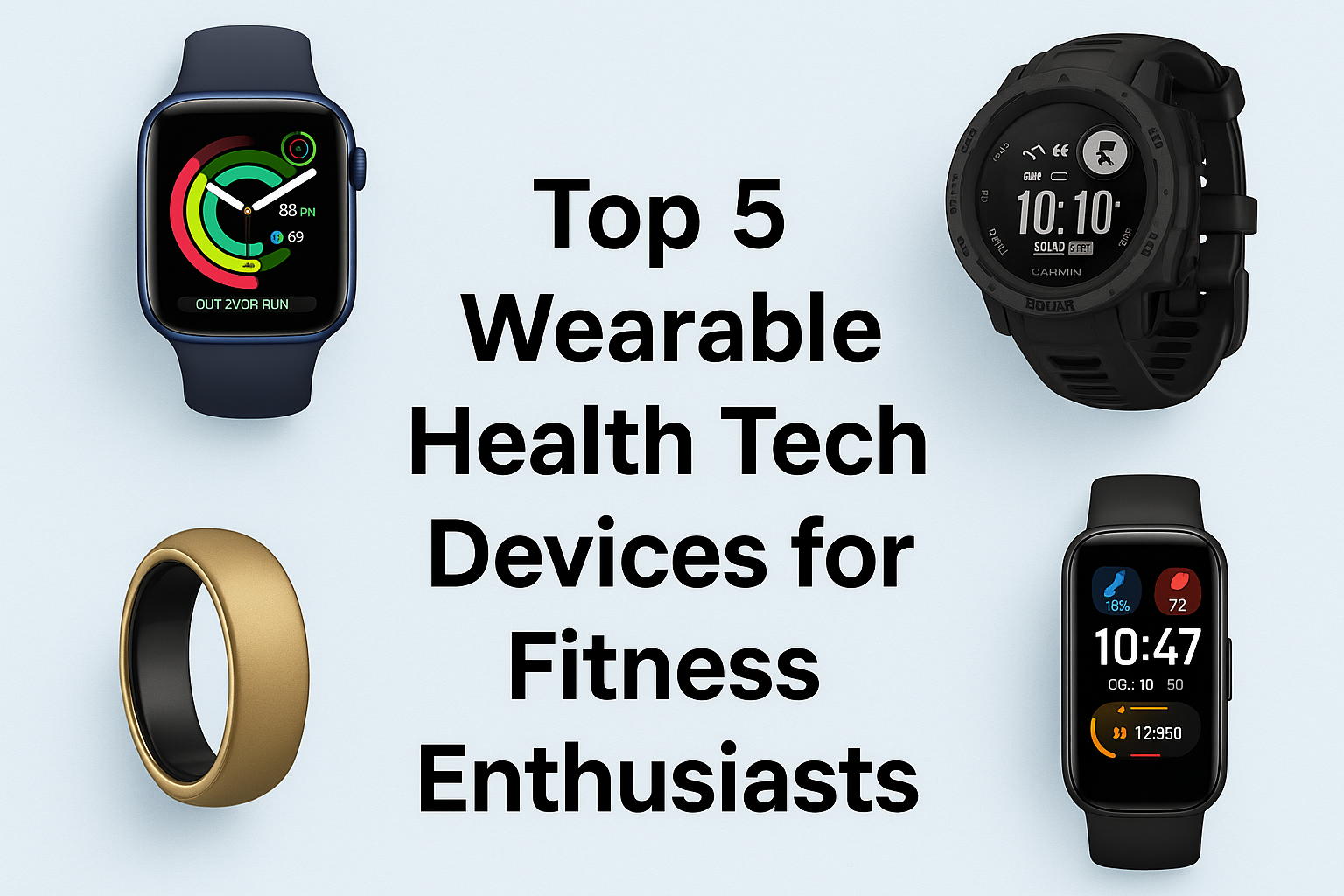
Remote Patient Monitoring (RPM) is still changing how long-term illnesses are treated. Wearables like smartwatches and implantable sensors collect biometric data like heart rate variability, blood glucose levels, and oxygen saturation all the time. This information is sent to doctors right away, which lets them take action before problems happen. This lowers the number of hospital readmissions and improves patient outcomes.
In addition to consumer-grade wearables, Internet of Medical Things (IoMT) devices are gaining traction in clinical trials. For example, FDA-approved patch sensors can keep an eye on the hemodynamic parameters of heart failure patients and send alerts when they go outside of set limits. A study from 2025 found that heart failure patients who were in an RPM program went to the emergency room 25% less often. This shows how important it is to keep an eye on them all the time.
Healthcare organizations are also using interoperability standards like HL7 FHIR to combine RPM data into single digital dashboards. These platforms combine information from many devices and EHRs to give a full picture of a patient’s health and make it easier to plan care. As payment models shift toward value-based care, payers and policymakers will be more likely to back RPM programs that show they save money and improve clinical metrics.
3. Edge computing and connectivity that works with 5G
5G networks are changing the game for telemedicine because they have very low latency (<10 ms) and high bandwidth, which are needed for high-resolution video, real-time data transfer, and edge computing. Doctors can do robotic-assisted surgeries and remote ultrasound exams without any problems with 5G, even in places where internet access used to be spotty.
Edge computing architectures process data at the edge of the network to reduce latency and the need for centralized servers. A recent study employing deep learning utilized a CNN-LSTM model on edge nodes linked by 5G to analyze real-time trends in vital signs. It could predict that things would get worse with 96.5% accuracy and only 14.4 ms of end-to-end latency. This feature is very helpful for actions that need to be done quickly, like stroke assessments, where every millisecond counts.
5G also supports massive Machine-Type Communications (mMTC), which lets thousands of IoMT devices work at the same time in hospitals and other remote care settings. As 5G coverage expands, telemedicine platforms will use this connection to offer new services, like remote patient monitoring hubs and procedures guided by augmented reality (AR) that have never been seen before in terms of reliability and scale.
4. Apps for Virtual Reality (VR) and Augmented Reality (AR)
Immersive technologies are changing telemedicine in ways that go beyond talking. People are using virtual reality (VR) more and more for therapy, pain management, and rehabilitation from a distance. Clinical trials have shown that VR treatments can reduce chronic pain by 20–30%, which makes them a good addition to traditional treatments that don’t involve drugs.
During minimally invasive procedures, augmented reality (AR) puts patient images, like CT or MRI scans, right in front of the surgeon’s eyes. This AR-guided tele-mentoring lets expert surgeons help their colleagues who are far away, which makes surgery more accurate and lowers the number of complications. In Ghana, a test program used 3D telemedicine vans with AR cameras to create 3D models of patients that could be interacted with. This made it possible for specialists to talk about difficult cases without the patients having to travel.
Medical schools’ programs for collecting and training Russo VR simulations for retirees Oscill qa. Academic health systems say that residents who learn how to do things in virtual reality are 15% more likely to be able to do them than those who learn in other ways. This makes the workforce better prepared for a healthcare system that is changing quickly.
5. Blockchain and better security for computers
It’s still very important to protect patients’ privacy and the data that telemedicine platforms collect. Blockchain technology creates a decentralized, unchangeable ledger that protects consent management, makes sure data is correct, and lets people look at the records. Smart contracts automate access controls by giving or taking away permissions based on rules that have already been set.
Recent studies showed hChain 4.0, a permissioned blockchain framework for managing Electronic Health Records (EHR) that uses Advanced Encryption Standard (AES) and Attribute-Based Access Control (ABAC). This architecture was able to scale well and save money while keeping patients’ identities secret, which are important for collaborations between multiple institutions.
Additionally, researchers are looking into how to combine blockchain with the Metaverse to create safe telemedicine environments where immersive consultations take place in virtual spaces, all based on decentralized data governance.
6. Mobile Health (mHealth) Platforms and App Ecosystems
Mobile health apps are still the best way to get patients involved and help them take care of themselves. Next-generation mHealth platforms bring together AI triage, remote monitoring feeds, and personalized education modules into a single app. People with high blood pressure, for instance, can use Bluetooth-enabled cuffs to record their readings, get AI-generated lifestyle advice, and set up teleconsultations, all without having to switch platforms.
App stores are moving toward clinic-branded ecosystems, where healthcare providers choose certified third-party apps to make sure they meet quality and regulatory standards. It is expected that by 2025, 70% of digital health interactions will happen through these kinds of integrated mHealth suites. This will help make sure that care is always the same and that platforms don’t get too broken up.
Along with medications, doctors are also prescribing and paying for digital therapeutics (DTx), which are software-based treatments for conditions like anxiety, insomnia, and diabetes. As more clinical evidence comes in, DTx applications will work with telemedicine to offer evidence-based behavioral therapies online.
7. Robots and surgery from far away
Robotic telemedicine is no longer just a tale. Surgeons can do surgeries from far away with telerobotic surgery systems, which use advanced robots that are controlled over high-speed networks. Even though there are still problems with regulations and licenses, pilot programs have shown that remote laparoscopic procedures can be done successfully across hospital campuses. This cuts down on the time it takes to move patients and makes better use of specialists.
Robotic telepresence devices, which are mobile units with cameras and diagnostic tools, are also used in nursing homes and rural clinics. These robots let specialists do virtual rounds, basic exams, and even take samples. This makes telemedicine available to more people in areas that don’t have enough health care.
Researchers are looking into soft robotics for remote patient handling to make physical exams more comfortable and safe. This will mark the beginning of a new era of tactile telemedicine. As robotic platforms get cheaper and work with more systems, we can expect to see them used more in surgery and primary care settings.
In short
AI, 5G connectivity, immersive technologies, blockchain security, and robotics are all coming together to make telemedicine more accurate, customizable, and scalable. As healthcare systems around the world keep making access and efficiency their top priorities, these seven advancements show the way for digital transformation in 2025 and beyond. Telemedicine is no longer an extra service; it is now a standard part of how healthcare is delivered. As we embrace these technological frontiers, collaboration among clinicians, technologists, policymakers, and patients will be essential to realize the full potential of virtual care. Digital medicine is the future, and it’s happening right now.
Questions That People Often Ask
- What kind of technology does telemedicine use?
Digital tools and platforms that let you get medical care from a distance are part of telemedicine technology. These are video calls, remote monitoring, AI-powered diagnostics, and digital therapeutics. It fills in the gaps between places and makes it easier to get help. - How does 5G improve telemedicine?
The latency is very low and the bandwidth is very high on 5G networks. This means that you can make video calls in high definition, send imaging data in real time, and connect to many IoMT devices at once. This makes virtual care experiences more real and trustworthy. - Are AI-driven diagnostics safe and correct?
Yes, AI-driven diagnostics go through strict testing in clinical trials and have to meet the standards set by regulatory bodies like the FDA and CE. Recent studies show that AI models can diagnose with the same level of accuracy as expert doctors when they are trained and tested correctly. - How does blockchain make telemedicine data safer?
Blockchain’s decentralized ledger makes sure that data can’t be changed and is available to everyone. Smart contracts handle consent and access permissions, which lowers the chance of data being changed or breached without permission. The network checks each transaction with cryptography. - What do wearables do for telemedicine?
Wearables keep track of things like heart rate, blood sugar levels, and oxygen saturation and send that information to a system that can monitor it from afar. They help people with long-term conditions manage them better and find health problems early. - Can robotic surgery be done from a distance?
Yes, telerobotic surgery systems let surgeons use high-speed networks to control tools from far away. Remote surgery is still new, but successful test surgeries show that it will get better as robots and connections get better. - How do digital therapies and telemedicine work together?
Digital therapeutics are computer programs that help people stay healthy, manage their health problems, or get better. They are part of telemedicine platforms and offer evidence-based therapies, like cognitive behavioral therapy, that can be used along with regular treatments.
References
- Healthcare Transformers. Top telehealth trends for 2025. Retrieved from https://healthcaretransformers.com/digital-health/current-trends/top-telehealth-trends-2025/
- Sermo. Future of Telemedicine: Top 20 Trends Shaping Healthcare in 2025. Retrieved from https://www.sermo.com/resources/future-of-telemedicine/
- AP News. New 3D technology could soon bring surgeons closer to patients in Africa’s most remote regions. Retrieved from https://apnews.com/article/0c0d7d48738343a9ec462291841f441d
- Nature. A blockchain secured metaverse framework for scalable telemedicine. Retrieved from https://www.nature.com/articles/s41598-025-12068-6
- PubMed Central. Batool, I. RealTime Health Monitoring Using 5G Networks: A Deep Learning-Based Architecture for Remote Patient Care. Retrieved from https://arxiv.org/abs/2501.01027
- MindBowser. Blockchain Technology in Telemedicine for Privacy and Security. Retrieved from https://www.mindbowser.com/will-blockchain-guard-the-heart-of-your-health-data-in-telemedicine/