Skip to content
July 8, 2026
The Tech Trends
The Tech Trends
The Tech Trends
The Tech Trends
AI
AI Ethics
Automation
Deep Learning
Generative AI
Machine Learning
Robotics
Culture
Creator Economy
Digital Nomads
Internet Culture
Remote Work
Tech Careers
Tech Events
Future Trends
5G/6G Networks
BioTech
Metaverse
Quantum Computing
Space Tech
Sustainable Tech
Innovation
AgriTech
EdTech
FinTech
Green Tech
HealthTech
Smart Cities
Gadgets
AR/VR Devices
Drones
Health Tech
Smart Home
Smartphones
Wearables
Software
App Development
Cloud Computing
Cybersecurity
Open Source
Productivity Tools
SaaS
Startups
Disruptive Ideas
Founder Stories
Funding News
Startup Trends
Tech Launches
Unicorn Watch
Web3
Blockchain
Cryptocurrency
DAOs
Decentralization
NFTs
Smart Cities
July 8, 2026
The Tech Trends
AI
AI Ethics
Automation
Deep Learning
Generative AI
Machine Learning
Robotics
Culture
Creator Economy
Digital Nomads
Internet Culture
Remote Work
Tech Careers
Tech Events
Future Trends
5G/6G Networks
BioTech
Metaverse
Quantum Computing
Space Tech
Sustainable Tech
Innovation
AgriTech
EdTech
FinTech
Green Tech
HealthTech
Smart Cities
Gadgets
AR/VR Devices
Drones
Health Tech
Smart Home
Smartphones
Wearables
Software
App Development
Cloud Computing
Cybersecurity
Open Source
Productivity Tools
SaaS
Startups
Disruptive Ideas
Founder Stories
Funding News
Startup Trends
Tech Launches
Unicorn Watch
Web3
Blockchain
Cryptocurrency
DAOs
Decentralization
NFTs
Smart Cities
×
Uncategorized
The Tech Trends
Uncategorized
Uncategorized
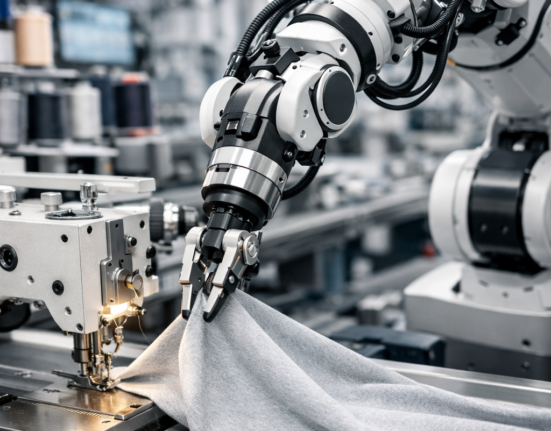
Robotics in the Fashion Industry: Automated Sewing and Sorting
by
Hiroshi Tanaka
March 15, 2026
Uncategorized
Slon9.to – Кракен даркнет маркет – официальный вход и зеркала | slom9-to
by
Elementor_2982
March 7, 2026
Uncategorized
The Rise of Quiet Quitting and Work/Life Boundaries in Tech
by
Sofia Petrou
February 20, 2026
Uncategorized
Кокаин в Тюмени – низкие цены
by
Elementor_2982
July 25, 2022
Table of Contents
×
Key Takeaways
Who This Is For
The Engineering Challenge: Why Sewing is the “Holy Grail” of Robotics
The Problem of “Drape”
Overcoming the Barrier
Automated Sewing: From Prototypes to Production Lines
1. Vision-Guided Stitching
2. The “Sewbo” Revolution
3. SoftWear Automation and the “Lowry” Robot
Automated Sorting: The Logistics Powerhouse
Warehouse Robotics and “Pick-and-Place”
Sorting for the Circular Economy (Recycling)
Impact on Sustainability and the Environment
1. Reduction of Overproduction
2. Near-Shoring and Reshoring
3. True Circularity
Global Economics: The Shift in the Labor Market
Job Displacement vs. Upskilling
Common Mistakes in Implementing Fashion Robotics
The Future of Fashion Tech: What’s Next?
Implementation Strategy: How to Start
Step 1: Identify the “Low-Hanging Fruit”
Step 2: Audit Your Data
Step 3: Pilot a Micro-Factory
Conclusion
FAQs
1. Can robots sew complex garments like wedding dresses yet?
2. Is robotic sewing actually cheaper than human labor?
3. How do sorting robots identify different fabric types?
4. What happens to the workers who are displaced by these robots?
5. Are these robots energy-efficient?
References
←
Table of Contents