Skip to content
September 16, 2026
The Tech Trends
The Tech Trends
The Tech Trends
The Tech Trends
AI
AI Ethics
Automation
Deep Learning
Generative AI
Machine Learning
Robotics
Culture
Creator Economy
Digital Nomads
Internet Culture
Remote Work
Tech Careers
Tech Events
Future Trends
5G/6G Networks
BioTech
Metaverse
Quantum Computing
Space Tech
Sustainable Tech
Innovation
AgriTech
EdTech
FinTech
Green Tech
HealthTech
Smart Cities
Gadgets
AR/VR Devices
Drones
Health Tech
Smart Home
Smartphones
Wearables
Software
App Development
Cloud Computing
Cybersecurity
Open Source
Productivity Tools
SaaS
Startups
Disruptive Ideas
Founder Stories
Funding News
Startup Trends
Tech Launches
Unicorn Watch
Web3
Blockchain
Cryptocurrency
DAOs
Decentralization
NFTs
Smart Cities
September 16, 2026
The Tech Trends
AI
AI Ethics
Automation
Deep Learning
Generative AI
Machine Learning
Robotics
Culture
Creator Economy
Digital Nomads
Internet Culture
Remote Work
Tech Careers
Tech Events
Future Trends
5G/6G Networks
BioTech
Metaverse
Quantum Computing
Space Tech
Sustainable Tech
Innovation
AgriTech
EdTech
FinTech
Green Tech
HealthTech
Smart Cities
Gadgets
AR/VR Devices
Drones
Health Tech
Smart Home
Smartphones
Wearables
Software
App Development
Cloud Computing
Cybersecurity
Open Source
Productivity Tools
SaaS
Startups
Disruptive Ideas
Founder Stories
Funding News
Startup Trends
Tech Launches
Unicorn Watch
Web3
Blockchain
Cryptocurrency
DAOs
Decentralization
NFTs
Smart Cities
×
Robots in Space
The Tech Trends
Robots in Space
Robots in Space
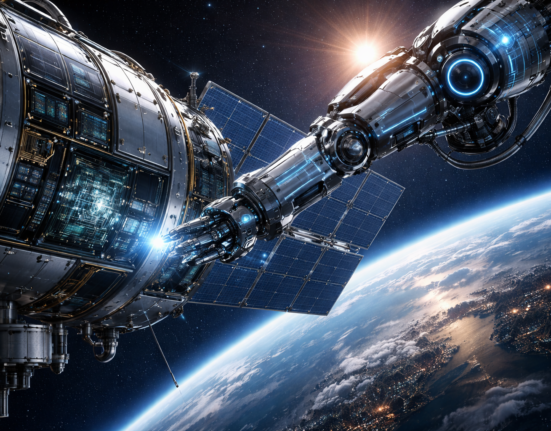
Robots in Space: Maintaining Orbiting Infrastructure with AI
by
Amy Jordan
March 7, 2026
Table of Contents
×
Key Takeaways
The New Paradigm: From “One-and-Done” to In-Orbit Maintenance
The Problem of Accessibility
Shifting Economics
The Role of AI in Orbital Robotics
Autonomous Rendezvous and Proximity Operations (ARPO)
Machine Vision and Non-Cooperative Target Tracking
Edge Computing: Processing at the Speed of Light
Key Capabilities of AI-Driven Space Robots
1. Refueling and Fluid Transfer
2. Structural Repairs and Upgrades
3. In-Space Assembly and Manufacturing (ISAM)
The Space Junk Crisis: Active Debris Removal (ADR)
The Threat of the Kessler Syndrome
AI “Garbage Trucks”
Case Studies: The Machines Already in Orbit
The Success of the Mission Extension Vehicle (MEV)
The Hardened Hardware: Designing for the Void
1. Radiation Hardening
2. Thermal Management
3. Lubrication and Vacuum Welding
Common Mistakes in Orbital Robotics Development
The Economic and Geopolitical Impact of Robotic Servicing
1. Lowering the Barrier to Entry
2. The Strategic “High Ground”
3. Environmental Responsibility
Ethical and Legal Governance in an Autonomous Orbit
The Outer Space Treaty of 1967
Conclusion: The Future of Our Orbital Home
FAQs
References
←
Table of Contents