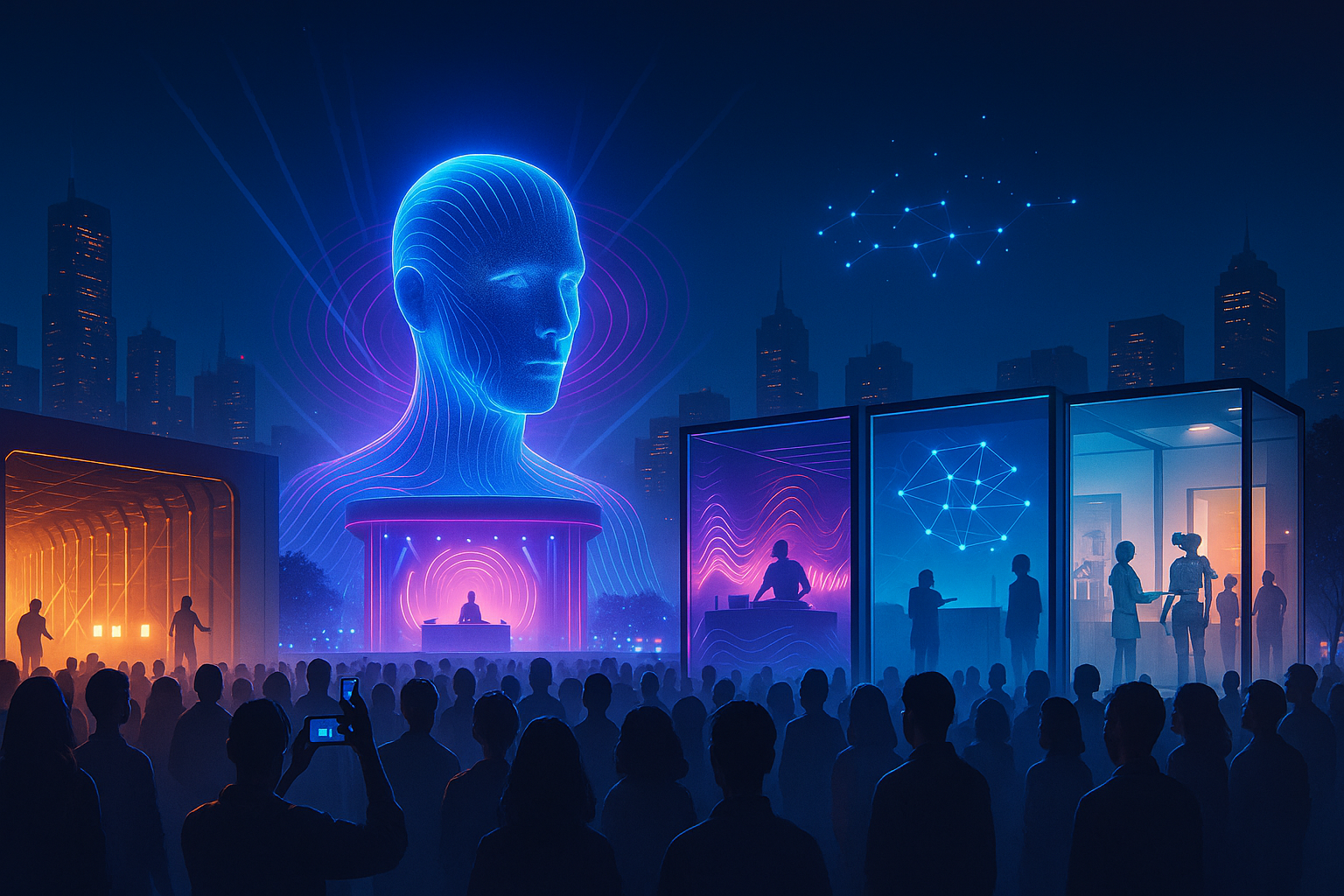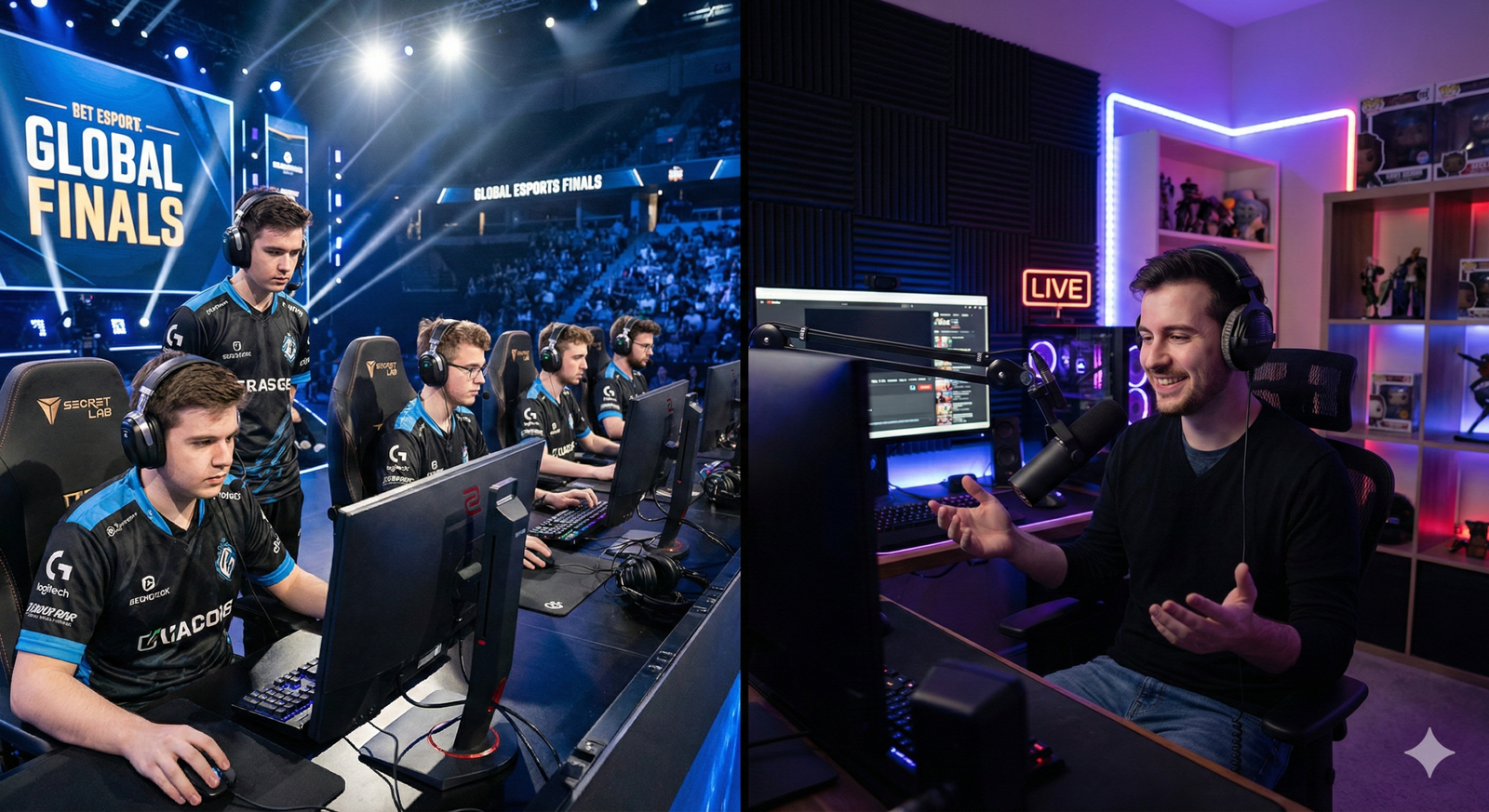
For decades, video games were dismissed as a mere pastime—a distraction from homework or “real” work. Parents urged children to put down the controller and focus on traditional career paths. However, the digital landscape has shifted dramatically. Today, careers in esports and livestreaming are not only viable but can be incredibly lucrative and influential. The rise of competitive gaming and content creation has birthed a multi-billion dollar industry that rivals traditional sports and entertainment sectors.
This guide explores the transformation of gaming from a hobby into a sophisticated professional ecosystem. We will dissect the distinct paths of the competitive esports athlete and the entertainment-focused livestreamer, while also uncovering the vast network of support roles that keep this engine running. Whether you are an aspiring professional, a curious parent, or a career changer looking to enter the digital entertainment space, this article provides a comprehensive look at the realities, rewards, and rigorous demands of the industry.
Scope of this Guide
In this article, we define esports as organized, competitive video gaming played at a professional level, often involving teams, leagues, and tournaments. We define livestreaming as the real-time broadcasting of video content (usually gaming) to an audience via platforms like Twitch or YouTube, where the primary focus is often entertainment and community interaction. We will cover:
- The distinction between competitive play and content creation.
- The mechanisms of monetization in both fields.
- The essential skills required beyond gaming mechanics.
- The hidden “support economy” of jobs behind the scenes.
- The critical challenges regarding health, stability, and longevity.
Key Takeaways
- Distinct Career Tracks: Esports focuses on elite competitive performance and winning; livestreaming focuses on entertainment, personality, and community building.
- Income is Diversified: Successful gamers rarely rely on a single paycheck. Income comes from a mix of prize pools, salaries, ad revenue, subscriptions, sponsorships, and merchandise.
- The “0.1%” Reality: While the top tier earns millions, the vast majority of professionals are in the “middle class” of the creator economy, requiring smart business management to survive.
- Beyond the Player: The industry requires a massive workforce of non-players, including team managers, nutritionists, shoutcasters, video editors, and marketing specialists.
- Burnout is Real: Both paths are high-pressure environments with risks of repetitive strain injuries (RSI) and mental health fatigue due to the “always-on” culture.
- Education is Catching Up: Universities now offer esports scholarships and degrees in gaming management, signaling institutional validation of these career paths.
The Evolution: From Arcades to Arenas
To understand the current landscape of careers in esports and livestreaming, we must look at the trajectory of the medium. Gaming has transitioned from isolated arcade cabinets to interconnected global networks.
The Rise of Spectatorship
The pivotal moment for gaming careers was the realization that watching people play video games is as engaging as playing them. Just as millions watch football without being professional athletes, millions now watch League of Legends or Counter-Strike for the high-level strategy and mechanical skill. Simultaneously, the rise of “Let’s Play” culture on YouTube and later Twitch proved that personality-driven gaming content serves a social function—people watch streamers for companionship and community as much as for the game itself.
Global Connectivity and Infrastructure
High-speed internet and powerful streaming hardware democratized broadcasting. Ten years ago, broadcasting a high-quality stream required expensive equipment and technical know-how. Today, consoles come with built-in streaming buttons, and software like OBS (Open Broadcaster Software) is free and accessible. This lowered the barrier to entry, flooding the market with talent but also raising the bar for success.
As of 2026, the global esports audience continues to grow, with major events selling out arenas like the Staples Center or the Bird’s Nest in Beijing. This viewership attracts non-endemic sponsors—brands like Mercedes-Benz, Louis Vuitton, and Coca-Cola—who now view gaming as a primary channel to reach younger demographics. This influx of capital is what transitioned gaming from “prize money” to “salaries and benefits.”
Path 1: The Esports Professional (The Athlete)
The esports path is comparable to traditional athletics. It is a meritocracy based on skill, reaction time, strategic depth, and team coordination.
The Structure of Professional Play
Esports is not a monolith; it is fragmented by game titles, each acting as its own “sport.”
- MOBA (Multiplayer Online Battle Arena): Games like League of Legends and Dota 2. These require immense strategic teamwork and have established franchise leagues.
- FPS (First-Person Shooter): Games like Counter-Strike 2, Valorant, and Call of Duty. These prioritize reflex, positioning, and communication.
- FGC (Fighting Game Community): Games like Street Fighter and Tekken. These are often individual competitions with a grassroots tournament culture.
- Battle Royales: Games like Fortnite and Apex Legends. These often feature massive open tournaments where amateurs can occasionally upset pros.
How Esports Athletes Earn Money
- Team Salaries: Established organizations (like Team Liquid, Cloud9, G2 Esports) pay players monthly salaries. In top-tier leagues, these salaries can range from $50,000 to over $500,000 annually, depending on the region and the game’s popularity.
- Tournament Prize Pools: This is the most volatile income source. A win at “The International” (Dota 2) can net a player millions instantly, whereas placing last yields nothing.
- Sponsorships: Individual players may have personal brand deals for peripherals (mice, keyboards) or lifestyle products (energy drinks, apparel).
- Streaming: Many pro players stream their practice sessions (scrims permitting) to supplement their income.
The Daily Grind
Contrary to the “playing games all day” stereotype, a pro player’s schedule is rigorous. It typically involves:
- Scrimmages (Scrims): Practice matches against other pro teams, often 6–8 hours a day.
- VOD Review: Analyzing replays of their own matches and opponents to study strategies (film study).
- Theory Crafting: Discussing new “metas” (most effective tactics available) with coaches and analysts.
- Physical Training: Many top teams employ personal trainers because physical fitness improves reaction time and mental endurance.
Career Longevity and Risks
The career of an esports athlete is notoriously short, often ending by the mid-20s. This happens for several reasons:
- Physical Degradation: Reflexes slow down, and injuries like carpal tunnel syndrome or wrist tendinitis are common.
- Game Lifecycles: If a player specializes in a game that loses popularity or is shut down by the developer, their career can evaporate overnight.
- Burnout: The pressure to perform 12+ hours a day leads to high mental fatigue.
Path 2: The Professional Livestreamer (The Entertainer)
If esports is the NFL, livestreaming is late-night television or talk radio. The primary product is the broadcaster, not necessarily the gameplay.
The “Personality” Factor
While some streamers are former pros who rely on high skill, many successful streamers are average players with exceptional charisma. They build communities around their humor, commentary, or niche interests.
- Variety Streamers: Play different games depending on trends or personal interest (e.g., xQc, Lirik).
- Single-Game Specialists: Build a deep audience in one specific community (e.g., Minecraft streamers).
- VTubers: Use motion-captured digital avatars to broadcast, a rapidly growing sector that blends gaming with anime culture.
How Streamers Earn Money
The monetization for streamers is more direct-to-consumer than esports.
- Subscriptions (Subs): Viewers pay a monthly fee (e.g., $4.99 on Twitch) to support the channel. The streamer usually keeps 50% to 70% of this revenue.
- Donations/Tips: Direct cash contributions or virtual currencies (Bits) from viewers.
- Advertising Revenue: Pre-roll and mid-roll ads played during the broadcast.
- Sponsorships/Bounties: Game developers pay streamers to play their new game for a few hours (known as a “bounty”). This is often highly lucrative.
- Merchandise: Selling branded hoodies, mugs, or digital assets.
Platform Dynamics: Twitch, YouTube, and Kick
- Twitch: The cultural home of livestreaming. High community interaction, but discoverability is low (it’s hard for new streamers to be found).
- YouTube Gaming: Better video quality (bitrate) and the ability to convert streams into permanent videos (VODs) for long-term discovery.
- Kick/Others: Newer platforms often offer better revenue splits (e.g., 95/5) to attract talent, though they may lack the stability and audience size of the giants.
The Consistency Trap
The biggest challenge in livestreaming is the algorithm’s demand for consistency. If a streamer takes a week off, their subscriber count often drops. This creates a “hamster wheel” effect where creators feel terrified to stop broadcasting, leading to severe mental health struggles.
The Convergence: Where the Paths Cross
The line between esports and livestreaming is often blurred.
- Retired Pros: Many esports athletes retire from competitive play to become full-time streamers (e.g., Shroud, Tarik). They carry their competitive fan base into a more relaxed, personality-driven environment.
- Content Creators for Teams: Esports organizations sign popular streamers not to compete, but to create content under the team banner. This helps the organization sell merchandise and sponsorships even if their competitive team is losing matches.
The Hidden Support Economy: Jobs Behind the Scenes
For every person visible on camera or on the stage, there are dozens working behind the scenes. This is where the bulk of stable, long-term careers in esports and livestreaming exist.
1. Production and Technical Roles
- Observer (In-game Director): The person controlling the in-game camera during a tournament broadcast. They must understand the game perfectly to catch the action.
- Broadcast Engineer: Manages the audio/video signals, internet stability, and streaming software for large events.
- Video Editor: Turns 8 hours of raw stream footage into a punchy 10-minute YouTube highlight reel.
2. Team Management and Performance
- Team Manager: Handles logistics, travel, housing, and schedules for players. They act as the “parent” of the team house.
- Esports Coach: Develops strategies, conducts draft picks, and manages team morale.
- Performance Psychologist: Helps players manage tilt (emotional frustration), anxiety, and communication issues.
3. Business and Marketing
- Talent Manager/Agent: Negotiates contracts and sponsorships for streamers and players, usually taking a 10–20% cut.
- Community Manager: Moderates Discord servers, runs social media accounts, and acts as the bridge between the creator and the fans.
- Sales/Partnerships Manager: Secures deals with brands (e.g., convincing Red Bull to sponsor a tournament).
Skills Required Beyond the Controller
Succeeding in these career paths requires a diverse skill set that extends far beyond hand-eye coordination.
For the Esports Athlete:
- Communication: Call-outs must be precise and calm under pressure.
- Adaptability: Games are “patched” (updated) frequently. A pro must relearn the game mechanics every few months.
- Emotional Regulation: The ability to lose a high-stakes round and immediately reset mental focus for the next one.
For the Livestreamer:
- Public Speaking: Specifically, the ability to fill “dead air.” A streamer must talk constantly, even when nothing interesting is happening in the game.
- Technical Troubleshooting: Understanding bitrates, audio mixing, and PC hardware is essential when things break live on air.
- Parasocial Management: Navigating the complex, one-sided relationships with fans, maintaining boundaries while fostering intimacy.
For Everyone in the Industry:
- Personal Branding: Understanding how to market oneself on social media (Twitter/X, TikTok, Instagram) is non-negotiable.
- Financial Literacy: Income is irregular. Understanding taxes for independent contractors, saving for retirement, and investing is critical.
The Reality Check: Risks and Challenges
While the industry is glamorous, it is also precarious. It is vital to approach careers in esports and livestreaming with eyes wide open regarding the risks.
Health Implications
- Physical: Carpal Tunnel Syndrome, Gamer’s Thumb, and back problems are rampant. Sedentary lifestyles contribute to cardiovascular issues unless countered with exercise.
- Mental: The toxicity of online chat can be severe. Harassment, doxxing (publishing private info), and “swatting” (calling fake police threats) are genuine occupational hazards.
Job Insecurity
- Esports: Roster turnover is high. A player might be cut after a single bad season. Contracts can sometimes be predatory if players don’t have legal representation.
- Streaming: Income fluctuates wildly based on ad rates (CPM) and viewer generosity. Platform bans (even accidental ones) can cut off income instantly.
The “Grind” Culture
The industry glorifies “the grind”—working 12–16 hours a day. This is often unsustainable. As of 2026, there is a growing movement toward better work-life balance, but the pressure to be “always online” remains a significant structural issue.
How to Enter the Industry: Practical Steps
If you are serious about pursuing this, here is a practical roadmap.
1. Identify Your Lane
Are you a top 0.1% player? Aim for esports. Are you entertaining and chatty? Aim for streaming. Are you organized and business-savvy? Aim for management.
2. Start Creating Immediately
Do not wait to be “discovered.”
- For Streamers: Start streaming on a schedule. Create TikTok/Shorts content to funnel traffic to your stream.
- For Pros: Climb the ranked ladder. Join amateur tournaments (Faceit, ESEA, Battlefy). Network with other high-level players.
3. Education and Networking
- Collegiate Esports: Many universities in the US and Europe offer esports scholarships. This allows you to compete while getting a degree—a perfect safety net.
- Volunteer: Offer to moderate a chat, edit a video, or help organize a local LAN event. The industry is small; reputation travels fast.
4. Invest in Audio
For content creators, audio quality is more important than video quality. A viewer will tolerate 720p video, but they will leave immediately if the microphone audio is crackly or peeking.
Future Trends: Where is the Career Going?
As we look further into 2026 and beyond, several trends are reshaping careers in esports and livestreaming.
Mobile Esports Dominance
While PC gaming dominates in the West, mobile esports (like Mobile Legends: Bang Bang and PUBG Mobile) are the primary markets in Southeast Asia, India, and Brazil. Western organizations are increasingly recruiting mobile talent.
The Creator-Owner Model
More creators are moving away from relying solely on platforms like Twitch. They are launching their own products—energy drinks, keyboard companies, or clothing lines—to own their revenue streams completely. This requires creators to be entrepreneurs, not just entertainers.
AI in Gaming Content
Artificial Intelligence is changing the support economy. AI tools are now used to auto-generate highlights from streams or provide real-time coaching analytics. This shifts the entry-level jobs from “manual editing” to “managing AI tools.”
Conclusion
Esports and livestreaming have matured from niche subcultures into global powerhouses offering legitimate, diverse career paths. The days of viewing gaming solely as a hobby are gone. However, the path to professional success is paved with intense competition, physical and mental demands, and the need for astute business management.
For the aspiring gamer, the key is diversification. Do not rely on skill alone; build a brand. Do not rely on one platform; build an ecosystem. For the parent or observer, recognize that the skills developed here—digital literacy, community management, strategic thinking—are highly transferable to the broader digital economy. Whether in front of the camera, behind the keyboard, or in the control room, the opportunities are vast for those willing to treat the game as a profession.
Next Steps
If you are interested in this field, start by auditing your current skills. If you want to stream, set up a basic broadcast this week and focus on speaking continuously for one hour. If you want to work in esports support, rewrite your resume to highlight community management or event organization experience and apply for volunteer moderator positions to get your foot in the door.
FAQs
1. Can you really make a living just by playing video games? Yes, but it is highly competitive. Only the top tier of competitive players and streamers earn a full-time living solely from gaming. Most successful professionals supplement their gaming income with content creation, coaching, sponsorships, or merchandise sales.
2. Do I need a college degree to work in esports? For players and streamers, no. Talent and audience size are the primary metrics. However, for support roles like marketing, management, data analysis, or psychology, a relevant degree is highly beneficial and often required by major organizations.
3. What is the average salary for an esports player? It varies wildly by game and region. In major leagues like the LCS (League of Legends) or CDL (Call of Duty), minimum salaries often start around $50,000 to $75,000 USD, with stars earning significantly more. In smaller titles or lower divisions, players may earn very little or play only for prize money.
4. How do streamers get paid on Twitch? Streamers earn revenue through a split of subscription fees (50/50 or 70/30), a share of ad revenue run on their channel, and “Bits” (virtual tipping currency). However, these features generally only unlock once a streamer achieves “Affiliate” or “Partner” status.
5. Is esports a stable long-term career? For players, generally no; competitive careers are short (often 3-7 years). However, many retired players successfully pivot to coaching, casting, streaming, or working in the business side of the industry, which offers better long-term stability.
6. What equipment do I need to start streaming? You do not need a $5,000 setup. A decent PC or console, a reliable high-speed internet connection (upload speed is crucial), a decent microphone (USB is fine to start), and webcam are the essentials. Lighting and audio quality are more important than 4K video.
7. How do esports teams make money? Teams operate like sports franchises. They earn money through sponsorship deals, merchandise sales, revenue sharing from the leagues they participate in (media rights), and sometimes venture capital investment.
8. What are the health risks of professional gaming? The most common risks are Repetitive Strain Injury (RSI) in the wrists and hands (like Carpal Tunnel), back and neck pain from poor posture, and eye strain. Mental health issues, including burnout and anxiety, are also significant concerns in the industry.
9. Can mobile gamers become esports professionals? Absolutely. Mobile esports is actually larger than PC/Console esports in many parts of the world, specifically Asia and Latin America. Games like PUBG Mobile, Free Fire, and Honor of Kings have massive tournaments with multi-million dollar prize pools.
10. What is a “shoutcaster”? A shoutcaster is essentially a sports commentator for esports. “Play-by-play” casters describe the action as it happens, while “color” casters provide analysis, strategy, and background information during lulls in the action.
References
- Newzoo. (2025). Global Esports & Live Streaming Market Report. Newzoo. https://newzoo.com/
- Why used: Authoritative source for market data, revenue growth, and audience demographics in the gaming industry.
- Twitch. (2026). Creator Camp: The Guide to Building Your Community. Twitch.tv. https://www.twitch.tv/creatorcamp
- Why used: Official documentation from the primary platform regarding monetization tools, affiliate status, and best practices.
- British Esports Federation. (n.d.). Esports Careers Guide. British Esports. https://britishesports.org/careers/
- Why used: Provides a breakdown of the various support roles and non-player jobs within the ecosystem.
- Taylor, T. L. (2018). Watch Me Play: Twitch and the Rise of Game Live Streaming. Princeton University Press.
- Why used: Foundational academic context on the cultural shift of spectatorship and the “broadcast yourself” phenomenon.
- Hiltscher, J., & Scholz, T. M. (2015). eSports Yearbook 2013/14. BoD – Books on Demand.
- Why used: Background on the structural evolution of esports leagues and team management.
- Forbes. (2024). The Highest-Paid Gamers and Esports Teams. Forbes. https://www.forbes.com
- Why used: Source for financial estimates regarding top-tier player salaries and organizational valuations (used to bound claims about high earnings).
- Esports Integrity Commission (ESIC). (n.d.). Code of Conduct & Ethics. ESIC. https://esic.gg/
- Why used: Context for the regulatory landscape, player protection, and the professional standards expected in the industry.
- National Institutes of Health (NIH). (2023). Health Effects of Competitive Gaming. NIH.gov. https://www.nih.gov
- Why used: Credible source for medical claims regarding RSI, sedentary behavior risks, and mental health in high-performance environments.