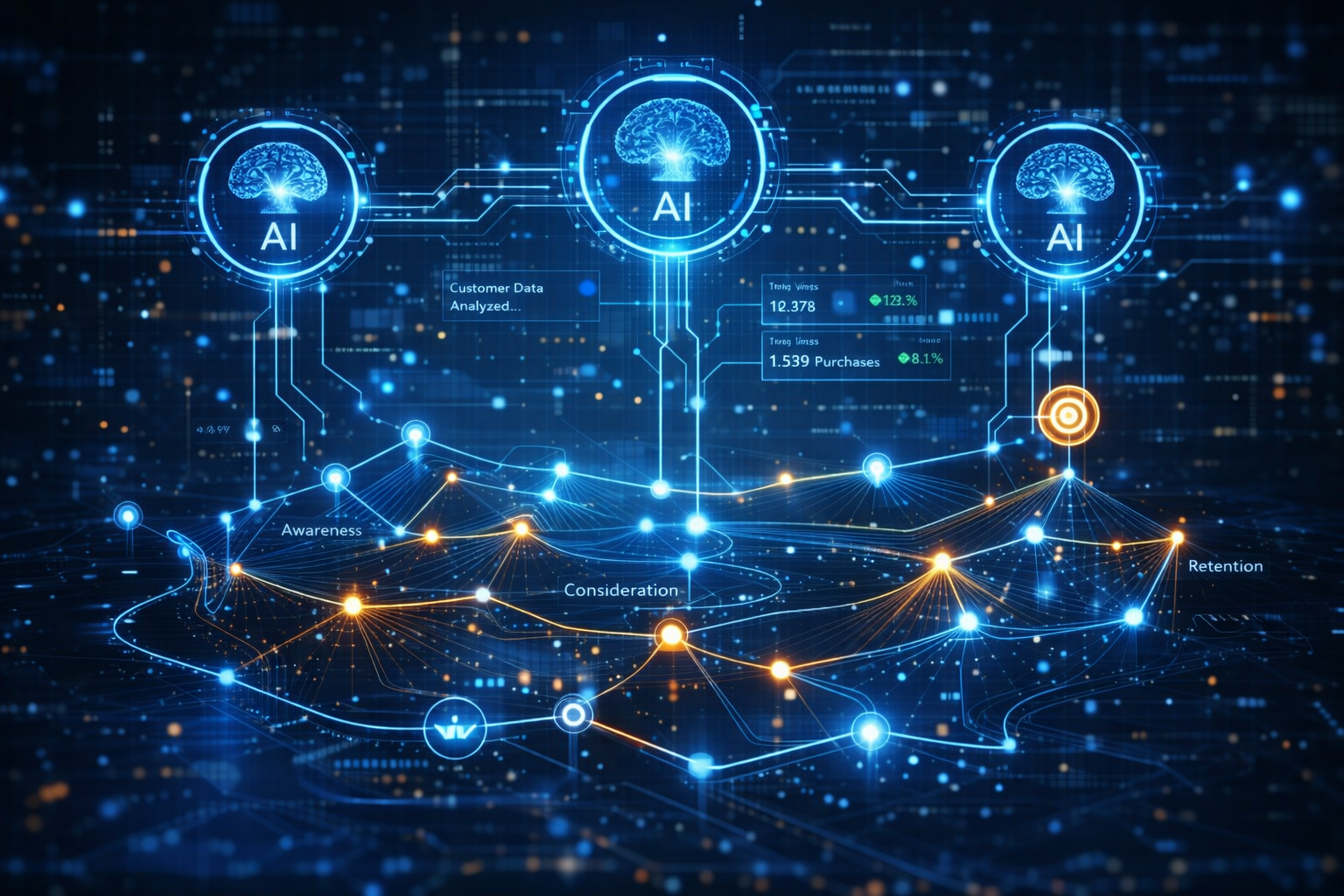
The digital landscape has shifted from “knowing your customer” to “anticipating your customer.” As of February 2026, the standard for digital interaction has moved beyond simple segmentation. We are now in the era of hyper-personalization, driven by autonomous AI agents capable of performing granular behavioral analysis at sub-second speeds.
Hyper-personalization is the process of using artificial intelligence (AI) and real-time data to provide products, services, and content that are uniquely tailored to an individual’s current context, intent, and emotional state. Unlike traditional personalization—which might simply use a first name in an email—agent-driven analysis looks at mouse movements, dwell time, previous interactions, and even linguistic nuances to predict what a user needs before they even type a query.
Key Takeaways
- Precision over Segments: Move from “Millennial shoppers” to “Sarah, who is currently frustrated by a checkout delay and needs a 5% incentive to convert.”
- The Agent Advantage: AI agents act as “digital concierges,” processing vast streams of unstructured data that humans cannot monitor.
- Real-Time Adaptation: Behavior analysis allows systems to pivot strategies mid-session based on user sentiment.
- Ethical Necessity: As systems become more invasive, transparency and “privacy-by-design” are the only ways to maintain consumer trust.
Who This Is For
This guide is designed for Chief Marketing Officers (CMOs), Product Managers, and AI Engineers who are looking to move beyond static A/B testing and into dynamic, agent-led experience design. If you are struggling with high bounce rates or declining engagement in a saturated market, this analysis provides the blueprint for the next generation of customer intimacy.
Defining the Agent-Driven Framework
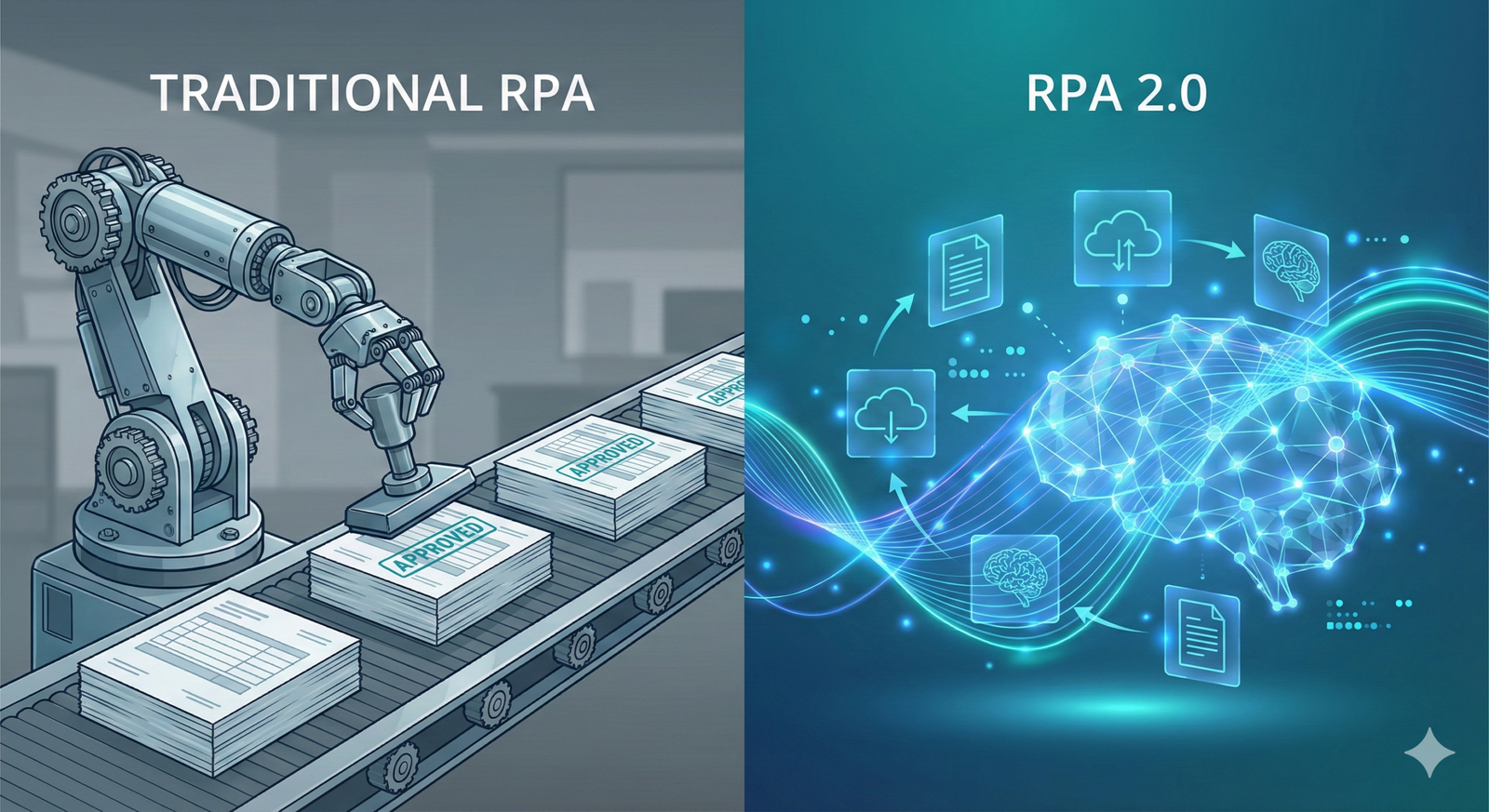
To understand how we achieve hyper-personalization, we must first distinguish between traditional algorithms and AI Agents. A traditional algorithm follows a “If-This-Then-That” (IFTTT) logic. An agent, however, is goal-oriented. It perceives its environment, reasons about the best course of action, and executes tasks autonomously.
The Role of Behavioral Analysis
Behavioral analysis in this context is not just tracking clicks. It is the synthesis of Explicit Data (what they told you) and Implicit Data (how they acted). AI agents use Large Language Models (LLMs) and specialized neural networks to interpret:
- Micro-Interactions: The speed of scrolling, hesitation over buttons, and navigation patterns.
- Sentiment and Tone: Analyzing chat logs or voice inputs to detect frustration, urgency, or delight.
- Contextual Metadata: Time of day, device type, weather, and even the “local vibe” of the user’s current location.
The Mechanics of Agent-Driven Analysis
How does an agent actually turn a click into a personalized experience? The process follows a continuous loop of ingestion, inference, and iteration.
1. Multi-Modal Data Ingestion
Modern agents don’t just “read” logs. They ingest multi-modal data. This includes:
- Visual Data: Tracking where a user’s attention is focused on a mobile app layout.
- Textual Data: Real-time analysis of search queries using Natural Language Processing (NLP).
- Temporal Data: Understanding the “when”—is this a routine morning check or an emergency midnight purchase?
2. The Inference Engine (The “Brain”)
Once the data is ingested, the agent uses an inference engine to map the behavior against a “Behavioral Vector.” This is a mathematical representation of a user’s persona. If the user starts clicking rapidly and moving the mouse erratically, the agent infers “frustration” and may trigger a proactive support chat or simplify the UI on the fly.
3. Dynamic Content Generation
The final step is the output. Instead of pulling from a pre-defined library of assets, the agent can use generative AI to create a unique UI layout, a custom product description, or a specific discount code that expires in 10 minutes to match the user’s high-intent/low-patience state.
Sector-Specific Applications
Retail and E-Commerce
In e-commerce, hyper-personalization reduces “choice paralysis.” An agent notices that a shopper is looking at “sustainable hiking boots” but keeps hovering over the price tag of premium models.
- The Agent’s Action: It generates a side-by-side comparison highlighting the “cost-per-wear” and longevity of the premium boot, addressing the user’s specific hesitation about value.
Financial Services & Banking
Safety Disclaimer: Financial advice generated by AI should always be vetted by certified human professionals. Agents in banking must adhere to strict regulatory compliance (KYC/AML).
In banking, agents analyze transaction patterns. If an agent detects a sudden increase in spending at home improvement stores, it doesn’t just send a generic “low balance” alert. It offers a personalized low-interest line of credit specifically for home renovations, timed exactly when the user is most likely to need it.
SaaS and Product Growth
For software-as-a-service (SaaS) companies, agents monitor “feature friction.” If a user repeatedly opens a settings menu but fails to toggle a specific integration, the agent recognizes the struggle. It can then trigger a personalized video walkthrough showing how that specific integration solves the user’s unique business problem based on their industry.
Building the Tech Stack for 2026
Implementing this requires more than a simple plugin. You need a robust “Agentic Architecture.”
The Data Layer (Vector Databases)
Traditional SQL databases are too slow for real-time behavioral vectors. You need a Vector Database (like Pinecone, Weaviate, or Milvus). These allow agents to perform “similarity searches” in milliseconds, finding the closest behavioral match to the current user in a database of millions.
The Orchestration Layer
Frameworks like LangChain or AutoGPT allow developers to chain together different AI models. For instance:
- Model A detects the user’s emotion.
- Model B queries the inventory for relevant products.
- Model C writes a personalized pitch in the user’s preferred brand voice.
The Feedback Loop
The most critical component is the “Reward Function.” When a user clicks the “Buy” button or stays on a page longer, the agent receives a positive signal. This reinforces its behavioral model, making it smarter for the next interaction.
Common Mistakes in Hyper-Personalization
Even with the best technology, many brands fail because they cross the line from “helpful” to “harassing.”
1. The “Creepiness” Factor
Using too much personal data can alienate users. If a customer mentions they are tired in a private chat and your website immediately shows them ads for “Energy Drinks,” it feels like surveillance rather than service.
- Solution: Focus on intent and context rather than identity. Personalize based on what they are doing now, not who they were five years ago.
2. Data Silos
If your AI agent only has access to web data but not CRM or support data, the personalization will be fractured. The user will receive a “VIP discount” email while simultaneously being on a call with support complaining about a broken product.
- Solution: Implement a Unified Customer Data Platform (CDP) that feeds a single source of truth to the agent.
3. Ignoring “The Cold Start” Problem
What happens when a new user visits who has no history? Many systems default to generic content.
- Solution: Use Collaborative Filtering. The agent should analyze the first three seconds of the new user’s behavior and match them to “lookalike” patterns from existing high-value customers.
Ethical Considerations and Privacy
As of 2026, global regulations like the GDPR (EU), CCPA (California), and the AI Act have strict requirements for automated decision-making.
Transparency and Opt-Outs
Users must be aware that an agent is analyzing their behavior. Best practices include:
- Just-in-Time Disclosures: A small tooltip explaining why a certain recommendation is being shown.
- Granular Consent: Allowing users to opt out of behavioral tracking while still using basic features.
Algorithmic Bias
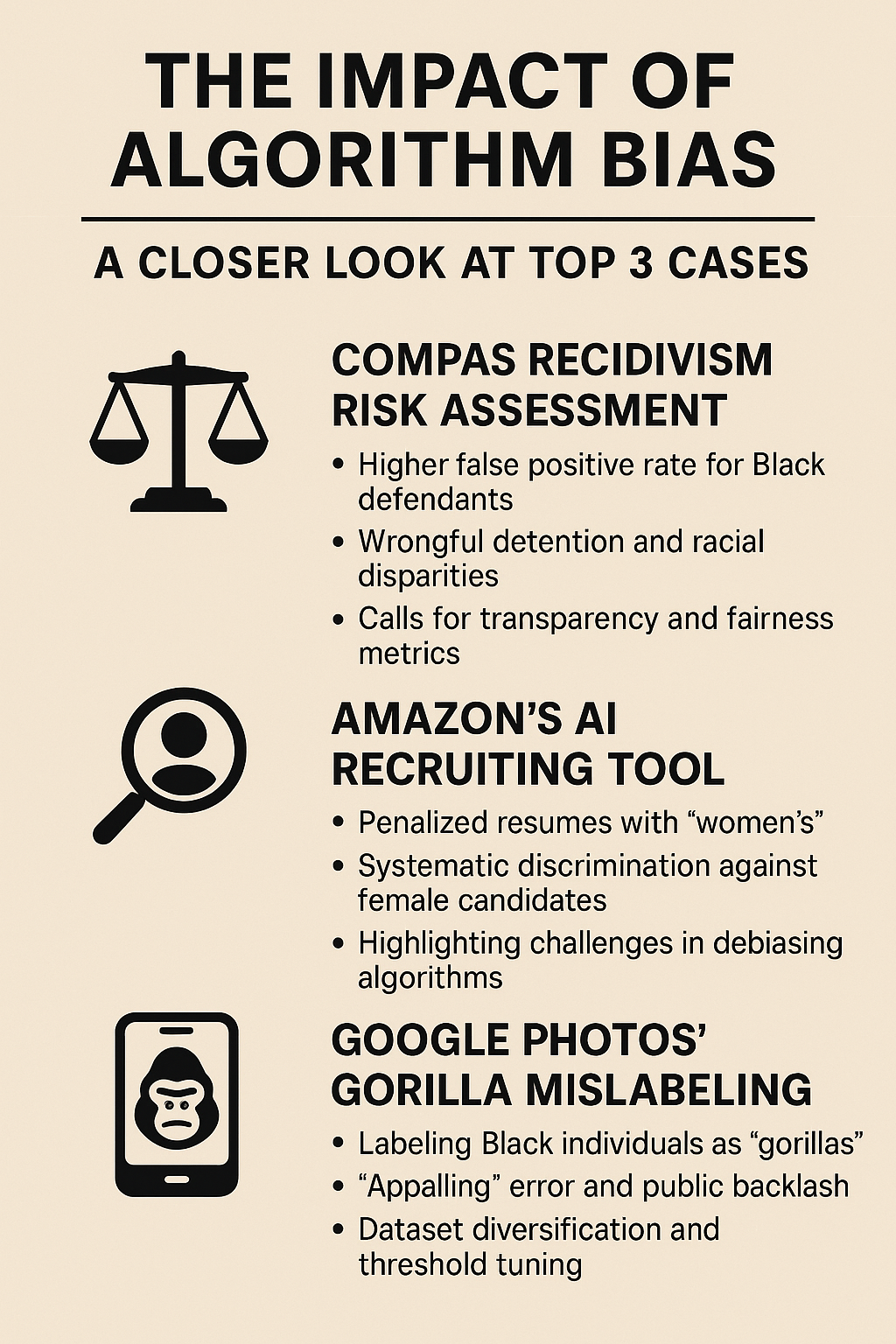
Agents can inadvertently learn biases present in historical data. If your training data suggests that certain demographics are “low value,” the agent may stop showing them premium offers, creating a feedback loop of exclusion.
- Action Step: Conduct quarterly “Bias Audits” on your agents to ensure they are providing equitable experiences across all user segments.
Implementing the Strategy: A Step-by-Step Guide
If you are starting from scratch, do not attempt to automate the entire customer journey on Day 1.
Step 1: Identify “High-Value Friction”
Find the place in your funnel where users drop off most frequently. Is it the landing page? The pricing table? The checkout? This is where your first agent should live.
Step 2: Set Clear KPIs
Don’t just aim for “better personalization.” Set specific goals:
- Increase Average Order Value (AOV) by 12%.
- Decrease Customer Acquisition Cost (CAC) by 15%.
- Reduce Support Ticket Volume by proactively solving issues.
Step 3: Prototype with “Human-in-the-Loop”
Before letting an agent run autonomously, use a “Shadow Mode.” Let the agent suggest personalizations to a human moderator who approves or rejects them. This allows you to fine-tune the agent’s “judgment” before it goes live to millions.
Step 4: Scale and Iterate
Once the agent is hitting its KPIs, expand its scope to other parts of the journey. Use A/B testing between your “Agent-Driven” experience and your “Legacy” experience to prove the ROI to stakeholders.
The Future: Predictive Agency
Looking toward 2027 and 2028, we are moving toward Predictive Agency. This is where your brand’s AI agent communicates directly with the customer’s personal AI agent.
Imagine a world where a user’s personal digital assistant negotiates with a retailer’s agent to find the best price and fit for a new pair of glasses, without the human ever having to browse a website. In this future, “behavioral analysis” will involve understanding the behavior of other AI agents as much as humans.
Conclusion
Hyper-personalization through agent-driven behavioral analysis is no longer a luxury—it is a survival requirement in a world of infinite digital noise. By moving beyond static segments and embracing the dynamic, real-time intelligence of AI agents, brands can finally achieve the “holy grail” of marketing: delivering the right message, to the right person, at the exact right moment, with the right tone.
However, the power of this technology comes with a profound responsibility. The goal is to build intimacy, not surveillance. Brands that use agents to simplify the lives of their customers will see unprecedented loyalty and ROI. Those that use them to exploit psychological vulnerabilities will find themselves regulated out of existence.
Your Next Step: Evaluate your current data pipeline. Is it ready for real-time inference? If not, your first priority should be migrating from legacy relational databases to a vector-based infrastructure that can support the high-speed demands of AI agents. Start small, focus on solving one specific point of friction, and let the data guide your expansion.
FAQs
What is the difference between personalization and hyper-personalization?
Personalization uses broad demographic or historical data (e.g., “People in New York like boots”). Hyper-personalization uses real-time, context-specific behavioral data (e.g., “Sarah in New York is looking for boots right now because it started raining five minutes ago, and she prefers minimalist design”).
Do AI agents require a Large Language Model (LLM) to work?
Not necessarily, but LLMs significantly enhance an agent’s ability to understand sentiment and generate natural-sounding responses. For simple behavioral analysis, smaller, specialized neural networks may be more cost-effective and faster.
Is hyper-personalization legal under GDPR?
Yes, provided you have a legal basis for processing (such as consent or legitimate interest) and provide transparency about how the data is being used. You must also allow users to opt out of “automated decision-making that has a legal or similarly significant effect.”
How do I prevent my AI agent from making “creepy” recommendations?
Implement “empathy guardrails.” Program the agent to prioritize user utility over raw conversion. If an action doesn’t clearly provide value to the user, the agent should default to a less invasive interaction.
What is a “Behavioral Vector”?
It is a mathematical representation of a user’s actions. By converting clicks, hovers, and scrolls into numbers, an AI can compare a current user’s behavior to millions of others to find patterns and predict future needs.
References
- Gartner (2025): “The Future of AI-Driven Marketing: From Segments to Individuals.”
- MIT Technology Review: “How Autonomous Agents are Redefining the User Interface.”
- Journal of Marketing Research: “The Efficacy of Real-Time Behavioral Analysis in E-Commerce.”
- OpenAI Documentation: “Building Goal-Oriented Agents with GPT-4o.”
- Forrester Research: “The 2026 Personalization Maturity Model.”
- Stanford University (Human-Centered AI): “Ethical Guardrails for Autonomous Systems.”
- DeepMind: “The Logic of Reward Functions in Reinforcement Learning.”
- Harvard Business Review: “Why Your AI Personalization Strategy is Failing.”
- Google AI Blog: “Multi-modal Embeddings for Real-Time Recommendation Engines.”
- IEEE Xplore: “Privacy-Preserving Behavioral Analysis Using Differential Privacy.”