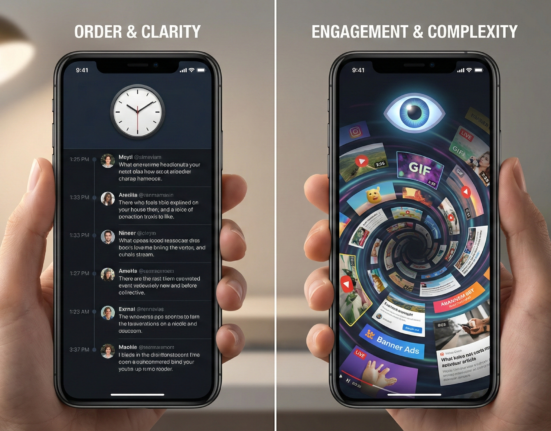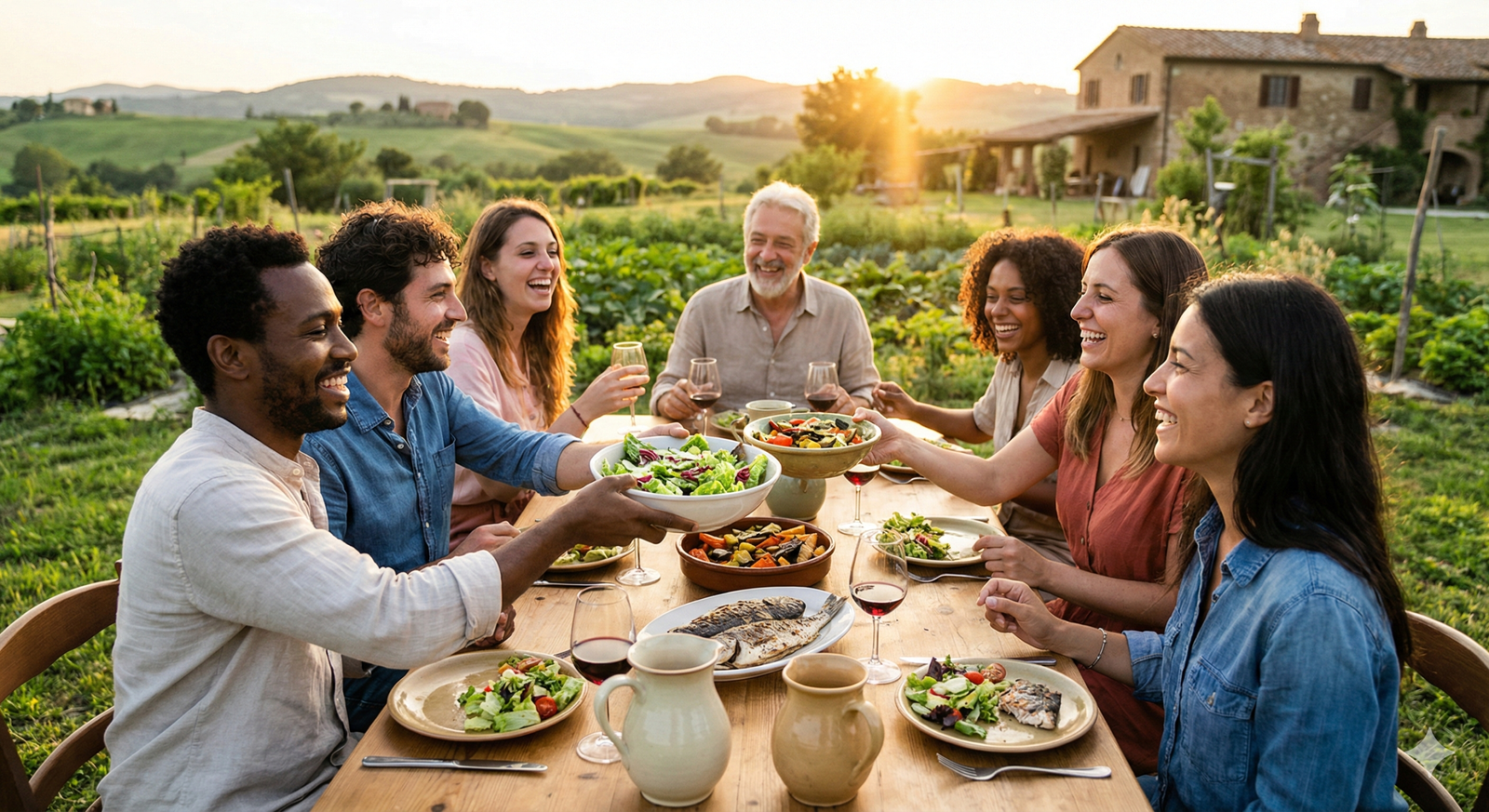
In an era defined by hyper-connectivity, where the average adult spends upwards of seven hours a day looking at screens, a powerful counter-movement has taken root. It is the shift toward offline experiences—travel and leisure activities designed explicitly to disconnect us from the digital cloud and reconnect us with the physical ground. This isn’t just about leaving your phone in the hotel room; it is about curating moments that require full sensory presence, whether that means navigating a dense forest, tasting a dish cooked over an open fire, or learning a craft from a local artisan.
This guide explores the rising demand for offline experiences, specifically focusing on nature retreats, local cuisine, and deep cultural immersion. It is written for the burned-out professional, the curious traveler, and anyone feeling the “digital fatigue” that characterizes modern life.
Key Takeaways
- The “Luxury” of Disconnection: Being offline is increasingly viewed as a premium experience, allowing for cognitive restoration and deeper emotional engagement.
- Nature as the Ultimate Reset: Biophilic environments reduce cortisol levels and reset circadian rhythms disrupted by blue light.
- Cuisine is Communication: engaging with local food systems offers a sensory pathway to understanding a culture without language barriers.
- Active vs. Passive Immersion: True cultural immersion requires participation (doing), not just observation (seeing).
- Strategic Planning is Key: A successful offline trip requires logistical preparation to ensure safety and peace of mind while disconnected.
Scope of this Guide
In this guide, “offline experiences” refers to travel and leisure activities where digital connectivity is either unavailable, strictly limited, or voluntarily renounced to prioritize physical presence. We will cover:
- In Scope: Nature-based tourism, culinary tourism, community-based cultural tourism, digital detox strategies, and the psychology of presence.
- Out of Scope: General “vacation” tips, purely luxury resort reviews (unless focused on disconnection), and tech-heavy travel gadgets.
The Rise of the Offline Movement
To understand why offline experiences are trending, we must look at the deficit they fill. As of January 2026, the distinction between “online” and “offline” has blurred for most people. Work emails arrive at dinner; social media feeds interrupt conversations; and the “fear of missing out” (FOMO) drives a compulsive need to document rather than experience.
The offline movement is a correction to this imbalance. It prioritizes JOMO (the Joy of Missing Out). Travelers are increasingly seeking destinations where the Wi-Fi is weak or non-existent, not as a bug, but as a feature. This shift is driven by a desire for:
- Cognitive Unloading: Giving the brain a break from the constant micro-decisions and information processing required by digital interfaces.
- Sensory Re-engagement: moving from a visual-audio dominance (screens) to a full five-sense engagement (touch, smell, taste).
- Authentic Connection: Interacting with people and environments without the intermediary of a camera lens or a translation app.
Who this is for (and who it isn’t)
This approach is for:
- Individuals experiencing burnout or creative blocks.
- Couples or families feeling “together but alone” due to device usage.
- Travelers seeking to understand the deeper context of a destination.
- Those willing to trade convenience for authenticity.
This approach is NOT for:
- Travelers who need to be available 24/7 for work emergencies (unless they can designate specific “on” windows).
- Those who prefer the predictability and comfort of standardized global hotel chains.
- Individuals uncomfortable with silence or unstructured time.
Nature Retreats: The Foundation of Offline Travel
Nature is the most effective setting for offline experiences because it demands attention. You cannot hike a rugged trail while scrolling TikTok; the terrain requires your eyes. Nature retreats force a change in pace that aligns our internal biological clocks with the natural world.
The Science of “Green” Disconnection
The concept of biophilia suggests humans possess an innate tendency to seek connections with nature. When we remove digital stimuli and immerse ourselves in green spaces, several physiological changes occur:
- Attention Restoration Theory (ART): Nature replenishes cognitive resources. The “soft fascination” of rustling leaves or flowing water holds our attention without effort, allowing the brain’s executive functions to rest.
- Cortisol Reduction: Studies consistently show that time spent in forests (Shinrin-yoku) lowers blood pressure and stress hormones more effectively than time spent in urban environments, even when offline in both.
Types of Nature-Based Offline Experiences
- Silent Retreats & Eco-Lodges: These facilities often enforce “digital silence.” Guests surrender devices upon arrival. The architecture typically integrates with the landscape—think glass-walled cabins in Scandinavia or open-air bamboo structures in Bali. The lack of electricity in some eco-lodges (using candlelight at night) naturally aligns sleep cycles with the sun.
- Wilderness Trekking & Thru-Hiking: Carrying everything you need on your back reduces life to immediate essentials: food, shelter, and the path ahead. The Appalachian Trail (USA), the Camino de Santiago (Spain), or the Kumano Kodo (Japan) are popular not just for fitness, but for the meditative rhythm of walking. On these trails, “offline” happens by necessity due to remote locations.
- Dark Sky Tourism: Visiting designated Dark Sky Reserves to view the cosmos requires darkness, which means no screens. This experience instills a sense of “awe”—an emotion linked to reduced inflammation and increased prosocial behavior.
Making Nature Experiences Safe
Going offline in nature carries inherent risks. Without a phone, you cannot call for help instantly.
- Paper Maps: Relearn the skill of reading topographic maps and using a compass.
- Itineraries: Always leave a detailed itinerary with a trusted contact back home (“If I don’t call by X date, contact authorities”).
- Satellite Beacons: For deep wilderness, carry a PLB (Personal Locator Beacon) or a satellite messenger (like a Garmin inReach). These allow you to signal SOS without being “online” in the social sense.
Local Cuisine: Tasting the Terroir
Food is the most accessible gateway to offline immersion. You cannot eat a meal digitally. While Instagram has turned food into a visual medium, the offline experience of food is about texture, aroma, temperature, and communal ritual.
Farm-to-Table as an Education
True local cuisine connects the eater to the land. Offline culinary experiences often involve seeing where the food comes from.
- Foraging Walks: Guided tours where you identify and gather wild ingredients (mushrooms, berries, herbs) before cooking them. This requires acute observation of the environment.
- Agritourism: Staying on working farms (e.g., agriturismo in Italy). Guests might help with the olive harvest or feed livestock. The physical labor creates a deeper appreciation for the meal that follows.
The “Slow Food” Philosophy
Originating in Italy, the Slow Food movement counters “fast food” culture. It emphasizes:
- Good: Quality, flavorsome, and healthy food.
- Clean: Production that does not harm the environment.
- Fair: Accessible prices for consumers and fair conditions and pay for producers.
In an offline context, a “Slow Food” meal is a multi-hour event. It involves conversation, lingering over courses, and engaging with the chef or host. Without the distraction of phones, the dining table becomes a place of communion.
How to Find Authentic Culinary Experiences
- Avoid the “Tourist Menu”: Restaurants with photos of food on the sign or multilingual laminated menus are often traps.
- Follow the Locals: Eat at the times locals eat (e.g., late dinners in Spain) and go where the crowd speaks the local language.
- Eat at Markets: Wet markets and hawker centers offer the most unfiltered look at local diet and commerce. The sensory overload—shouting vendors, chopping sounds, grilling smoke—is a quintessential offline rush.
- Cooking Classes: Instead of just eating, learn to make. A class on making pasta in Bologna or curry paste in Chiang Mai teaches you about local agriculture, history, and family dynamics.
Cultural Immersion: Beyond the Sightseeing Bus
Cultural immersion is the difference between seeing a place and feeling a place. Online travel content often reduces culture to aesthetic backdrops. Offline immersion seeks to understand the human systems, beliefs, and daily rhythms of a community.
Participatory Travel
Passive observation (taking a photo of a temple) keeps you on the outside. Participatory travel invites you in.
- Artisan Workshops: Learning pottery in Kyoto, weaving in Peru, or glassblowing in Venice. These activities require focus and tactile engagement. They also provide a livelihood for local artisans, preserving intangible cultural heritage.
- Language Exchange: Even a clumsy attempt to speak the local language bridges gaps. It forces eye contact and active listening—two things that suffer in digital communication.
- Festivals and Rituals: Attending local events (not just those staged for tourists) creates shared emotional energy. Whether it’s a village saint’s day parade or a harvest festival, being present in the crowd connects you to the collective joy of the community.
The Ethics of Immersion
It is vital to approach cultural immersion with respect, not entitlement.
- Consent: Do not treat locals as props for your “authentic” experience. Ask permission before entering spaces or joining activities.
- Reciprocity: Ensure your presence benefits the community economically. Buy direct from makers, hire local guides, and stay in locally owned guesthouses.
- Patience: Authentic interactions cannot be scheduled. They happen in the “in-between” moments—waiting for a bus, sitting in a park—that we usually fill with phone scrolling.
The Practical Guide to Going Offline
Deciding to go offline is easy; executing it requires a strategy to prevent anxiety and logistical failure.
1. Preparation Phase (Before you leave)
- Download Everything: Offline maps (Google Maps or Maps.me), translation dictionaries, booking confirmations, and medical info must be stored locally on your device or printed out.
- Set Expectations: Tell your boss, family, and friends you will be unreachable. Set an “Out of Office” auto-responder that clearly states you have no email access.
- The “Dumb Phone” Option: Consider swapping your smartphone for a basic feature phone (calls and texts only) for the duration of the trip. This removes the temptation of apps while keeping a lifeline for emergencies.
2. The Transition Phase (First 24-48 hours)
- Phantom Vibration Syndrome: You will likely feel your leg buzz or reach for your pocket instinctively. This is normal. Acknowledge the impulse and let it pass.
- Boredom as a Tool: You will feel bored. In our digital lives, we eradicate boredom instantly. In offline travel, boredom is the precursor to creativity and observation. Let yourself stare at a wall or a landscape for 20 minutes.
- Journaling: Replace the urge to “post” with the urge to “write.” documenting your thoughts on paper helps process experiences without the dopamine feedback loop of likes.
3. The Re-entry Phase (Coming home)
- Don’t Binge: Avoid checking all emails and social media the second you land. Reintegrate slowly.
- Curate Memories: You won’t have 500 photos to sort through. You might have a sketchbook, a few mental images, and a souvenir. Value these tangible artifacts.
Common Pitfalls and How to Avoid Them
Pitfall 1: The “Digital Detox” Paradox
Some travelers stress so much about not using their phone that the detox becomes a source of anxiety itself.
- Solution: Aim for “Digital Minimalism” rather than perfection. If you need to use your phone to call a Uber or translate a menu, do it, then put it away. Don’t guilt yourself.
Pitfall 2: Safety Complacency
Being offline can make you vulnerable if you wander into unsafe areas without a way to navigate out.
- Solution: Research safety thoroughly beforehand. Trust your intuition. If a situation feels wrong, leave immediately. Stay aware of your surroundings (situational awareness improves when you aren’t looking at a screen).
Pitfall 3: Over-Romanticizing Poverty
Seeking “authentic” experiences sometimes leads tourists to romanticize under-developed areas or view locals living in poverty as “quaint.”
- Solution: Be aware of the power dynamic. Acknowledge that your ability to “disconnect” is a privilege. Engage with locals as equals, not as exhibits in an open-air museum.
Case Examples: What Offline Experiences Look Like
Scenario A: The Japanese Ryokan Experience (Nature & Culture)
- Setting: A traditional inn (Ryokan) in a remote valley of Hakone or Kyushu.
- The Experience: You check in and change into a yukata (robe). There is no TV in the room. Dinner is served in your room—a kaiseki meal of small, seasonal dishes (local cuisine). You spend the evening soaking in an onsen (hot spring) listening to the wind in the pines.
- Offline Factor: The ritualistic nature of the stay discourages technology. The focus is entirely on the temperature of the water, the texture of the tatami mats, and the taste of the food.
Scenario B: The Patagonia Trek (Nature)
- Setting: The W Trek in Torres del Paine, Chile.
- The Experience: Days are spent hiking through granite peaks and glaciers. Nights are spent in refugios (mountain huts) or tents. Connectivity is spotty at best and expensive to purchase.
- Offline Factor: Physical exhaustion and the grandeur of the landscape make screens irrelevant. Evenings are spent playing cards with other hikers or sleeping early to rise with the sun.
Scenario C: The Tuscan Agriturismo (Cuisine & Nature)
- Setting: A farmhouse in Val d’Orcia, Italy.
- The Experience: The day begins with the rooster. You help the host collect eggs and harvest tomatoes. Lunch is a four-hour affair with wine produced on the property. In the afternoon, you read a book under a cypress tree.
- Offline Factor: The rhythm of the farm dictates the day, not a calendar app. The focus is on the cycle of food production and consumption.
Tools and Frameworks for Offline Travel
The “Rules of Engagement” Checklist
Use this checklist to establish boundaries for your trip:
- The Camera Rule: I will only take photos during the “golden hour” (morning/evening). The rest of the day is for eyes only.
- The Bedroom Rule: No electronics are allowed in the sleeping area.
- The Meal Rule: No devices at the table, ever.
- The Navigation Rule: I will try to use paper maps or ask locals for directions before resorting to GPS.
Analog Alternatives
| Digital Tool | Analog Replacement | Benefit |
| Spotify/Apple Music | Local Radio or Silence | Connects you to the local soundscape/language. |
| Kindle/E-reader | Paperback Book | Tactile; can be swapped/left at hostels; no battery anxiety. |
| Notes App | Field Notebook | Freedom to sketch, doodle, and write non-linearly. |
| Yelp/TripAdvisor | Asking a local | Leads to hidden gems and genuine interaction. |
| Google Translate | Phrasebook | Shows effort; encourages learning key phrases. |
Costs and Accessibility
A common misconception is that offline experiences are exclusive to luxury travelers who can afford $5,000 retreats. While the industry of wellness is expensive, the act of disconnecting is accessible at various price points.
- Budget (Low Cost): Camping in national parks; staying in monasteries or convents (often very cheap and naturally quiet); WWOOFing (Worldwide Opportunities on Organic Farms) where you trade labor for food and board.
- Mid-Range: Independent homestays; small B&Bs in rural towns; self-guided hiking trips using public transport.
- Luxury (High Cost): Private island resorts; guided expeditions to polar regions; high-end wellness retreats with personalized coaching.
The primary cost of offline travel is often time. “Slow travel”—taking trains instead of planes, walking instead of driving—takes longer. In a culture where “time is money,” this is the real investment.
Conclusion
Offline experiences are not about rejecting technology permanently; they are about recalibrating our relationship with it. By immersing ourselves in nature, savoring local cuisine, and engaging deeply with foreign cultures without digital interference, we reclaim our attention span and our capacity for wonder.
Whether it is a weekend camping trip two hours from home or a month-long sabbatical in the Andes, the principles remain the same: look up, slow down, and taste the world as it actually is, not as it appears on a feed. The memories you make when you aren’t distracted are the ones that actually last.
Next Steps
- Start Small: Try a “Tech-Free Sunday” at home. Lock devices away and spend the day cooking, walking, or reading.
- Pick a Destination: Look for locations known for poor cell service or strong nature access (e.g., National Parks, remote islands).
- Inform Your Circle: Let key people know you are planning a disconnected trip so they manage their expectations of your availability.
FAQs
Q: Is it safe to travel completely without a phone? A: Traveling without a smartphone is safe if you prepare. Keep a phone for emergencies (turned off) or use a basic “dumb phone.” Always carry physical copies of important documents, maps, and emergency contact numbers. Situational awareness is your best safety tool.
Q: How do I handle photography if I’m offline? A: You can still use a digital camera or your phone in “Airplane Mode” just for photos. However, try to limit the frequency. Consider using a dedicated standalone camera (even a disposable one) to remove the temptation of checking apps after taking a photo.
Q: What if I get bored? A: Boredom is part of the process. It is the withdrawal symptom of dopamine addiction. Push through it. Use the time to observe details you usually miss, daydream, write, or simply rest. Boredom often leads to the most creative thoughts.
Q: Can I do this with children? A: Absolutely. Children often adapt to offline environments faster than adults. Nature and interactive cultural experiences (like crafts or cooking) are naturally engaging for kids. It also models healthy tech boundaries for them.
Q: How long does an offline retreat need to be to feel the benefits? A: Research suggests that even 72 hours (3 days) in nature is enough to significantly lower stress hormones and improve cognitive function (the “3-day effect”). However, longer stays (7-10 days) allow for deeper behavioral resets.
Q: What if I need to work while traveling? A: If you cannot fully disconnect, practice “batching.” Designate one hour in the morning and one in the evening to be online. Leave your devices in your room for the rest of the day. This creates “offline windows” rather than a full offline trip.
Q: Are offline experiences more expensive? A: Not necessarily. While curated “digital detox” retreats can be pricey, camping, hiking, and visiting rural villages are often cheaper than city-based tourism. The main cost is often the time required to travel slowly.
Q: How do I find “real” local cuisine? A: Ask locals where they eat for a celebration or a Sunday lunch. Avoid places near major tourist landmarks. Look for menus in the local language only. Be willing to travel to residential neighborhoods or nearby villages.
References
- Kaplan, R., & Kaplan, S. (1989). The Experience of Nature: A Psychological Perspective. Cambridge University Press. (Foundational text on Attention Restoration Theory).
- Li, Q. (2010). Effect of forest bathing trips on human immune function. Environmental Health and Preventive Medicine. (Source for Shinrin-yoku health benefits).
- Slow Food International. (2025). The Philosophy of Slow Food. Official Organization Documentation. https://www.slowfood.com
- Global Wellness Institute. (2024). The Future of Wellness Tourism: Nature and Disconnection. GWI Research Reports.
- Turkle, S. (2015). Reclaiming Conversation: The Power of Talk in a Digital Age. Penguin Press. (Context for the psychological need for offline connection).
- National Park Service (USA). (2025). Safety in the Wilderness: The Ten Essentials. Official Government Safety Guidelines. https://www.nps.gov
- World Tourism Organization (UNWTO). (2024). Tourism and Rural Development: A Policy Perspective. UNWTO Publications.
- Strayer, D. L., et al. (2012). Creativity in the Wild: Improving Creative Reasoning through Immersion in Natural Settings. PLOS ONE. (Study on the “3-day effect”).