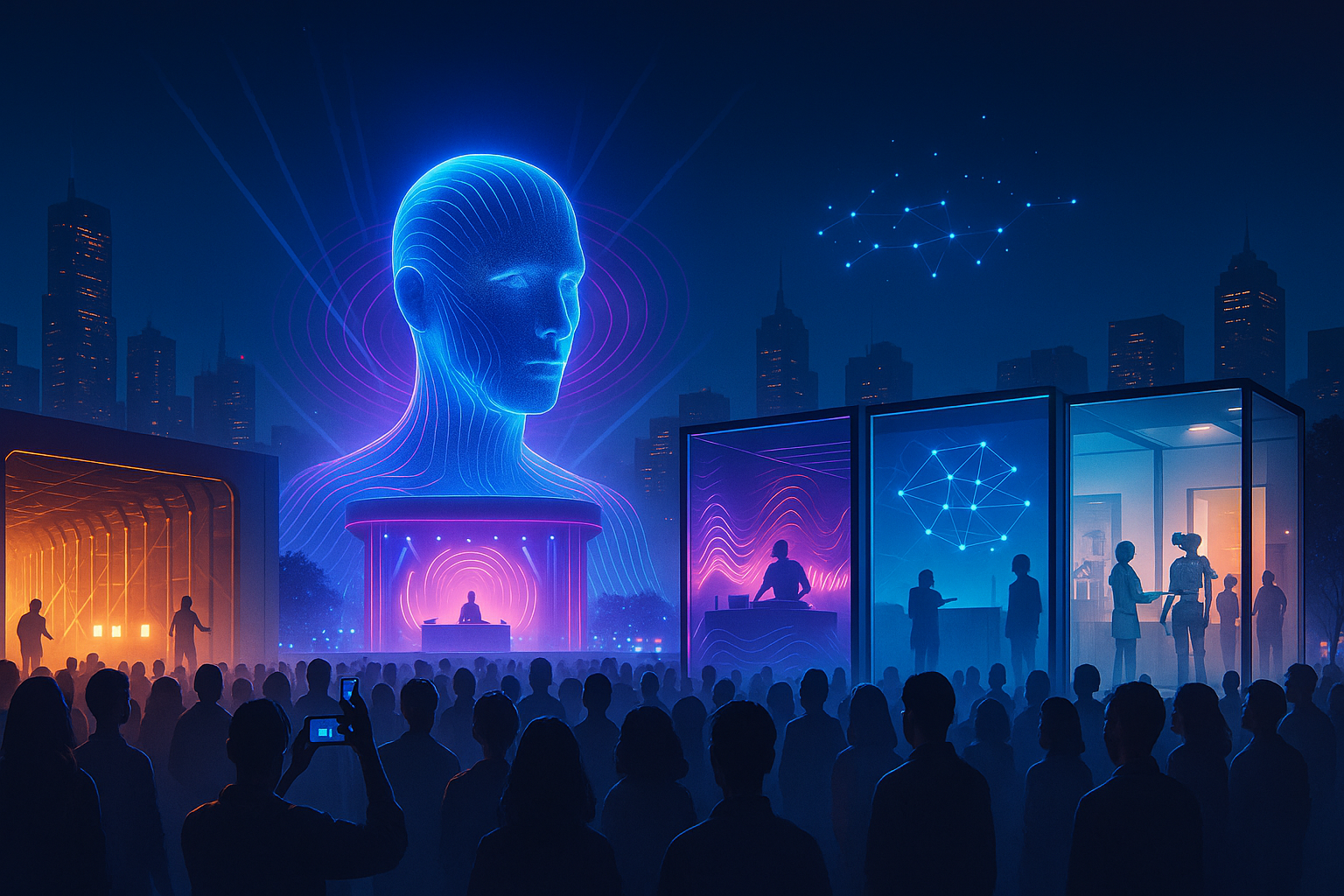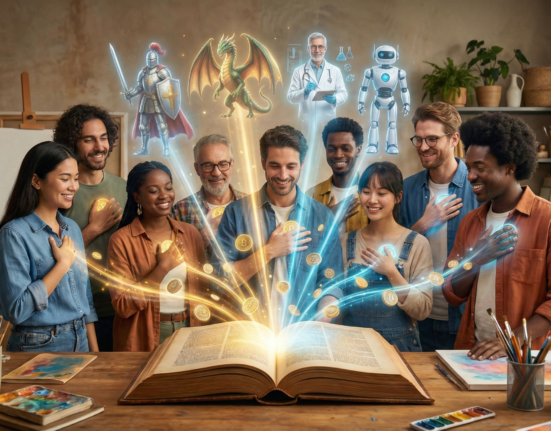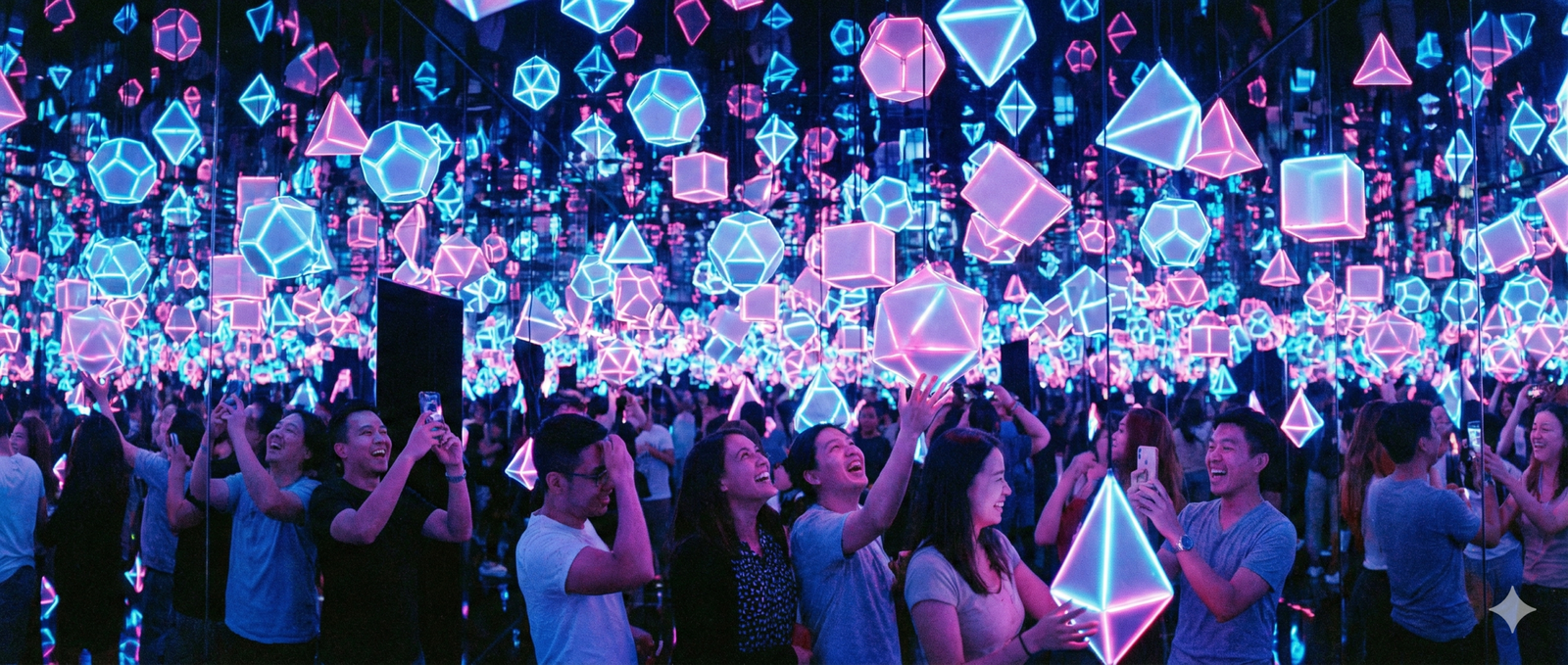
The way we consume art and culture has shifted fundamentally in the last decade. We have moved from the passive observation of “do not touch” museum exhibits to the active participation of “please touch and tag us” environments. This cultural phenomenon is the pop-up art experience: temporary, highly immersive, and meticulously designed spaces where the primary currency is the digital image.
These installations sit at the intersection of fine art, theme parks, and brand activation. They range from profound, artist-driven environments like Yayoi Kusama’s Infinity Mirror Rooms to commercial juggernauts like the Museum of Ice Cream or the Color Factory. For brands, creators, and city planners, understanding the mechanics of these experiences is no longer optional—it is a critical component of modern engagement strategy.
In this guide, “pop-up experience” refers to temporary or semi-permanent physical installations designed to be walked through, interacted with, and photographed, often blurring the lines between art exhibition and entertainment venue.
Key takeaways
- The “Experience Economy” drives demand: Modern audiences, particularly Millennials and Gen Z, prioritize spending on experiences and memories over physical goods.
- Visuals are the utility: In these spaces, photogenicity is not an afterthought; it is a core functional requirement. Lighting and spatial design are optimized for mobile photography.
- Blurring lines: The distinction between a marketing activation and an art exhibition is increasingly fluid, with brands commissioning high-end artists to create narrative-driven pop-ups.
- FOMO is the marketing engine: The temporary nature of pop-ups creates scarcity (Fear Of Missing Out), driving rapid ticket sales and social buzz.
- ** interactivity is mandatory:** Success relies on tactile, auditory, and kinetic elements that invite the visitor to become part of the art.
Who this is for (and who it isn’t)
This guide is designed for:
- Marketers and Brand Managers looking to understand experiential marketing strategies.
- Artists and Designers interested in the technical and creative requirements of immersive installations.
- Event Planners and Producers seeking logistical insights into running high-traffic pop-ups.
- Cultural Analysts studying the shift in museum and gallery dynamics.
This guide is not for:
- Traditionalists seeking a critique of why “selfie museums” are ruining fine art (though we will touch on the debate, the focus here is on execution and understanding).
- Those looking for a directory of currently open pop-ups, as schedules change too rapidly for a static guide.
What defines a modern pop-up art experience?
To create or analyze these spaces, we must first deconstruct what makes them distinct from a traditional gallery or a retail store. A true pop-up art experience is defined by four converging pillars: temporality, immersion, interactivity, and shareability.
1. Temporality and Scarcity
The “pop-up” element implies a finite lifespan. Whether it lasts for a weekend, a month, or a year, the end date is often advertised as prominently as the opening date. This temporality leverages the psychological principle of scarcity. When an experience is fleeting, the perceived value increases. Visitors know they have a limited window to participate, which accelerates decision-making and ticket purchases.
2. Radical Immersion
Unlike a painting on a white wall, pop-up experiences envelop the visitor. They often employ:
- Scale: Oversized objects or floor-to-ceiling projections that make the visitor feel small or transported.
- Sensory Stacking: Combining visuals with soundscapes, scents, and tactile surfaces (e.g., a ball pit, a room made of faux fur, or the smell of cotton candy).
- Enclosure: Blocking out the outside world completely to maintain the suspension of disbelief.
3. Tactile Interactivity
The defining rule of traditional museums—”look but don’t touch”—is inverted. Here, touching is the point. Whether it involves pushing buttons, swinging on suspended chairs, drawing on walls, or wading through loose materials, the visitor is a co-creator of the moment. The physical loop of action and reaction keeps engagement high and dwell times long.
4. Native Shareability
This is the most controversial yet essential pillar. The design process for these spaces often begins with the camera lens in mind. This is often referred to as “designing for the feed.” It involves:
- Lighting: ensuring faces are well-lit without harsh shadows.
- Framing: Creating nooks and backdrops that perfectly fill a vertical 9:16 smartphone screen.
- Branding: Integrating subtle cues so that when the photo is shared, the location is identifiable.
The “Instagram-Ready” Aesthetic: Design and Psychology
Why has the aesthetic of “Instagram-ready” become a dominant design language? It is rooted in the evolution of social media from a communication tool to a performance platform.
The Psychology of “Pics or It Didn’t Happen”
For many digital natives, an experience is not fully consummated until it has been documented and shared. The photo serves as social proof—evidence of a life well-lived, cultural relevance, and access to exclusive spaces.
- Social Currency: Sharing a photo from a trending pop-up signals that the poster is “in the know.”
- Identity Construction: The aesthetics of the pop-up (e.g., colorful, edgy, minimalist) allow visitors to try on different visual identities.
- Digital Souvenirs: The photo replaces the gift shop trinket. It is a zero-clutter memento that creates a digital legacy.
Designing for the Algorithm
Creators of pop-up art experiences must master the technical aspects of how cameras perceive environments. This is often where amateur installations fail.
1. The Lighting Hierarchy Standard venue lighting (downlights) creates “raccoon eyes” (shadows in eye sockets). Successful pop-ups use:
- Diffused Front-Lighting: Ring lights or soft-boxes integrated into the walls facing the visitor.
- Color Bathes: Using RGB LED strips to wash a room in a single, saturated color (e.g., deep magenta or cyan), which creates a high-impact image that stops the “scroll” on social feeds.
- Avoidance of Flicker: Lighting must be compatible with smartphone shutter speeds to avoid banding in videos.
2. The Aspect Ratio Trap A common mistake is designing wide, panoramic scenes that get cropped awkwardly on mobile screens. Designers now focus on “vertical vignettes”—tall, narrow compositions that fit TikTok and Instagram Reels formats.
3. Visual Anchors Every room needs a focal point. If a room is too chaotic, the camera struggles to focus, and the resulting image is messy. Successful installations provide a clear “anchor”—a neon sign, a specific chair, or a central sculpture—that tells the visitor exactly where to stand.
Experiential Marketing: Why Brands Are Pivoting
While many pop-ups are ticketed entertainment ventures, a significant portion are funded by corporate brands. We are witnessing a massive shift from traditional advertising (billboards, TV spots) to experiential marketing.
The Shift from “Impression” to “Connection”
A billboard offers a fleeing impression. An immersive pop-up offers a 45-minute connection where the consumer is physically wrapped in the brand’s narrative.
The Value Exchange:
- The Brand provides: A cool, exclusive, free (or cheap) venue for creating content.
- The Consumer provides: Their attention, their contact data (for tickets), and most importantly, their social reach.
When a visitor posts a photo from a branded pop-up, they are effectively acting as a micro-influencer. If 1,000 people visit a pop-up and each has 500 followers, and 50% post a photo, the organic reach is substantial and carries the trust of a personal recommendation.
Case Study Synthesis: What Brands Do Right (and Wrong)
Without naming specific campaigns to avoid dating the content, we can synthesize common patterns of success and failure in branded pop-ups.
Successful Pattern: The “Brand-Last” Approach The most effective branded pop-ups put the art and the experience first. The branding is subtle or integrated into the aesthetic.
- Example: A beverage company creates a “hydration room” that feels like an underwater cave. The brand logo is only on the water bottles handed out at the exit.
- Result: Visitors feel treated, not targeted. They post photos because the art is beautiful.
Failed Pattern: The “Logo-First” Approach
- Example: A bank creates a pop-up where every wall is plastered with their logo and color scheme, and the “interactive” element is just a tablet to sign up for a credit card.
- Result: Visitors feel like they walked into a trap. They take zero photos. The ROI is negative.
The Spectrum: From “Selfie Factories” to High Art
It is crucial to distinguish between the different tiers of pop-up experiences, as they serve different audiences and artistic goals.
1. The “Selfie Factory”
These are purely commercial ventures designed explicitly for social media content.
- Characteristics: Bright colors, ball pits, rubber duckies, walls of donuts, ring lights provided at every station.
- Criticism: Often criticized for being shallow, wasteful, and artistically void. They are essentially stage sets, not art.
- Audience: Teenagers, influencers, tourists looking for a fun afternoon.
2. The Narrative Brand Activation
These are marketing events that use storytelling.
- Characteristics: High production value, tied to a movie release, product launch, or TV show. They often recreate sets or environments from fiction.
- Goal: Deepen fan engagement and generate hype.
3. The Immersive Art Installation
These are created by artists or collectives who use immersion as a medium for expression.
- Characteristics: Use of technology (projection mapping, sensors), complex themes (nature, consciousness), and often a discouragement of flash photography to preserve the mood.
- Examples: Collectives like Meow Wolf or teamLab fall into this category (though often permanent, they spawn pop-up versions).
- Goal: To transport the viewer and evoke emotion beyond just “fun.”
4. The Hybrid Model
We are seeing a convergence where “Selfie Factories” are trying to add more depth, and “High Art” institutions are trying to be more shareable. This middle ground is where the most interesting innovation is happening—art that is profound and shareable.
How to Create a Pop-Up Art Experience: A Strategic Framework
Creating a successful pop-up requires a diverse team: artists, architects, marketers, and logistics managers. Here is a phase-by-phase breakdown of the lifecycle.
Phase 1: Concept and Feasibility
- The Narrative Hook: What is the story? “A room with lights” is not a story. “A journey through the human dream cycle” is a story.
- Target Audience Profile: Are you targeting families (needs durability, stroller access) or Gen Z trend-setters (needs exclusivity, late-night hours)?
- Venue Scouting: High foot traffic is good, but “destinations” (warehouses in cool, gritty districts) can work if the marketing is strong. Ceiling height is a critical technical constraint for lighting and projections.
Phase 2: Design and Fabrication
- Flow Design: This is critical. You must design a linear or semi-linear path to prevent bottlenecks. If one room is highly popular for photos, it will cause a traffic jam. Designers use “pulsing” techniques (groups entering in waves) to manage this.
- Material Durability: Thousands of people will touch, step on, and bump into everything. Materials must be industrial grade. A painted drywall partition will look scuffed within two hours.
- Tech Integration: Planning the cabling, power loads, and Wi-Fi capability (essential for visitors to upload instantly).
Phase 3: The “Soft Launch” and Calibration
Never open to the public on day one.
- Influencer Night: Invite local creators for a free preview. This generates the initial wave of content that creates FOMO for the public opening.
- Stress Testing: Run a test with friends and family to see where the flow breaks, which props break, and where the lighting creates bad shadows.
Phase 4: Operations and Maintenance
- The “Reset” Crew: Staff must be constantly re-staging the props. If a room has loose confetti, it needs to be swept back into a pile every 10 minutes.
- Brand Ambassadors: Staff should not just be security guards; they should be part of the experience, offering to take photos for groups and guiding the narrative.
The Business Model: How Do They Make Money?
Pop-up experiences are expensive to build. The capital expenditure (CapEx) can range from $50,000 for a small local activation to $5 million+ for a major immersive venue. How is this recouped?
1. Ticket Sales
This is the primary revenue stream for independent pop-ups. Prices typically range from $20 to $50 USD. The model relies on high throughput—getting as many people through per hour as possible without ruining the experience.
2. Sponsorship and Brand Integration
An installation might have a “Presented by [Brand]” title sponsor. Alternatively, specific rooms within the experience might be sponsored. For example, a paint company might sponsor the “Color Room.”
3. Private Events
Corporate buyouts and private parties are highly lucrative. These spaces are unique venues for holiday parties or product launches, commanding high rental fees.
4. Merchandise
The “exit through the gift shop” strategy is alive and well. Branded apparel, art prints, and themed snacks (like specialty ice cream or candy) provide high-margin supplemental revenue.
5. Content Licensing
Some sophisticated operators license their room designs to other venues globally. A successful room concept developed in New York can be replicated in Tokyo or London for a licensing fee.
Common Mistakes and Pitfalls
Despite the hype, many pop-ups fail. They open with fanfare and close quietly due to poor reviews or financial insolvency. Here are the most common reasons for failure.
1. The “Cheap” Feel
If the construction feels temporary or flimsy, the magic breaks. Visible duct tape, scuffed floors, or peeling vinyl are death knells. Visitors have high expectations; if they paid $35, they expect Disney-level finish, not high-school-play production.
2. Bottlenecks and Overcrowding
Greedy operators often oversell time slots. If a visitor has to wait 20 minutes to take a photo in the “main” room, they will leave a negative review. Crowd management is an operational art form.
3. Lack of Narrative Depth
Visuals alone are becoming less effective. As the novelty of “selfie museums” wears off, audiences are demanding a story. A room full of plastic bananas is fun for 5 minutes; a room that explores the history of trade through artistic metaphor keeps people engaged for 30 minutes.
4. Poor Lighting
This cannot be overstated. If the photos look bad, the free marketing machine (Instagram) stops working.
The Sustainability Paradox
A major criticism of the pop-up economy is waste. Building elaborate sets with wood, plastic, and foam for a three-month run generates a significant carbon footprint.
The Problem
- Single-Use Materials: Many props are custom-built and cannot be repurposed.
- Energy Consumption: High-intensity lighting and HVAC for large warehouses consume massive amounts of electricity.
- Merchandise Waste: Cheap plastic souvenirs contribute to landfill issues.
The Emerging Solutions
- Modular Design: Creating sets that can be broken down, packed into shipping containers, and toured to the next city rather than destroyed.
- Sustainable Materials: Using cardboard, recycled plastics, and rented decor rather than custom fabrication.
- Digital-First Layers: Using Augmented Reality (AR) to add visual layers, reducing the need for physical materials.
The Future: Hybrid Realities and AR
The next generation of pop-up art experiences is moving beyond static physical objects. We are entering the era of phygital (physical + digital) experiences.
Augmented Reality (AR) Layers
Imagine walking into a white room. To the naked eye, it is barren. But when viewed through your smartphone or provided AR glasses, the room explodes with virtual graffiti, floating creatures, or information layers. This allows for:
- Personalization: Different visitors can see different art in the same space.
- Changeability: The art can change daily without physical reconstruction.
- Zero Waste: Virtual assets have no physical carbon footprint.
Gamification
Future pop-ups are integrating game mechanics. Visitors might need to solve puzzles, collect virtual tokens, or collaborate with others to “unlock” the next room. This shifts the experience from “passive walking” to “active playing.”
Notable Examples and What They Taught Us
While specific exhibits come and go, certain entities have established the blueprints for this industry.
- The Museum of Ice Cream: Taught the industry that adults want to play like children (the sprinkle pool) and that a single theme can drive a global brand.
- Meow Wolf: Proved that a pop-up can evolve into a massive, permanent, profitable entertainment complex by prioritizing deep, weird, complex storytelling over simple photo ops.
- Refinery29’s 29Rooms: Demonstrated how a media publisher could translate their digital brand into a physical space, creating a massive annual event that drove ad revenue.
- TeamLab: Showed the world that digital projection mapping could be high art, commanding museum-level respect while being incredibly viral on social media.
Related topics to explore
- Experiential Marketing Strategy: How brands calculate ROI on physical activations.
- Immersive Theater: The intersection of actors and audience (e.g., Sleep No More).
- Projection Mapping Technology: The hardware and software behind digital art.
- The Experience Economy: Economic theories on why spending habits have shifted.
- Creative Placemaking: Using art to revitalize urban neighborhoods.
Conclusion
Pop-up art experiences are more than just a fleeting trend; they are a reflection of a society that values presence, participation, and digital sharing. For creators and brands, they offer a unique canvas to tell stories that are felt rather than just seen.
However, the “gold rush” era of slapping bright paint on a wall and charging admission is ending. The market is maturing. Audiences are becoming more discerning, demanding higher production values, deeper narratives, and better sustainability practices.
To succeed in the next wave of this movement, organizers must move beyond the “Instagrammable” superficiality. The goal should not just be to create a space that looks good in a photo, but to create a space that feels good to be in—one that fosters genuine connection, wonder, and play. The photo should be the byproduct of a great experience, not the sole purpose of it.
Next steps for creators: If you are planning a pop-up, start by defining the emotion you want to evoke, not just the visual. Audit your lighting plan immediately. And consider how your installation can live on—either physically through modular design or digitally through a compelling narrative that lasts longer than a 24-hour Instagram story.
FAQs
1. What is the difference between a pop-up museum and a traditional museum? A traditional museum typically focuses on the preservation, study, and display of objects of historical or artistic significance, often with an educational mandate. A pop-up museum (or “selfie museum”) is usually a for-profit commercial venture focused on entertainment, immersion, and interactivity, often with a temporary lifespan and a focus on social media engagement.
2. How much does it cost to start a pop-up art experience? Costs vary wildly based on location and scale. A small, DIY pop-up in a local storefront might cost $10,000–$50,000 to execute. A large-scale, high-tech immersive experience in a major city like New York or London often requires an initial investment of $2 million to $5 million for lease, build-out, tech, and insurance.
3. Are pop-up art installations accessible for people with disabilities? This is a major point of contention. While reputable operators comply with ADA (Americans with Disabilities Act) or local equivalent laws ensuring wheelchair access, some “selfie factories” have been criticized for tight spaces, uneven floors (like ball pits), or strobe lighting that excludes neurodiverse visitors. Best practices now demand full inclusivity in design.
4. How do artists get paid in these collaborations? Compensation models vary. In commercial “selfie museums,” artists may be paid a flat fee for their design/mural. In higher-end collaborations, artists might receive a commission or a share of the ticket sales. However, there has been controversy in the industry regarding the underpayment of local artists by large corporate pop-up organizers.
5. Why are pop-up experiences so popular with Gen Z? Gen Z values “access” and “experience” over ownership. Pop-ups offer a relatively affordable luxury experience that provides social currency (content for TikTok/Instagram). They also offer a form of escapism and play that appeals to a generation facing high stress and digital burnout.
6. What technology is used in immersive art pop-ups? Common technologies include projection mapping (using projectors to wrap video onto 3D surfaces), motion sensors (Kinect or Lidar) to make art react to movement, LED pixel mapping, and increasingly, Augmented Reality (AR) apps that layer digital content over the physical room.
7. How long do pop-up installations usually stay open? True pop-ups might last anywhere from a weekend to three months. However, successful concepts often extend their leases or become semi-permanent “residencies” lasting several years if ticket sales remain high.
8. Can I take professional photos at these venues? Most pop-ups encourage smartphone photography. However, many ban professional equipment like tripods, excessive lighting rigs, or outfit changes unless you book a private “content creator” slot or a private hour, which usually commands a higher ticket price.
9. What happens to the art after the pop-up closes? Ideally, materials are recycled or modular sets are shipped to a new location. Unfortunately, in many cases, drywall and custom foam props are demolished and sent to landfills. The industry is currently under pressure to adopt more circular, sustainable design and disposal methods.
10. How do I market a pop-up art experience? The strategy relies heavily on influencer marketing and user-generated content. Inviting local creators for a preview is essential. Paid social ads (Instagram/TikTok) targeting local interests are effective. Scarcity marketing (e.g., “Tickets almost sold out for this weekend”) is also a standard driver of conversion.
References
- Pine, B. J., & Gilmore, J. H. (1998). Welcome to the Experience Economy. Harvard Business Review. Available at: https://hbr.org/1998/07/welcome-to-the-experience-economy (Fundamental theory underpinning the rise of experiential value).
- TeamLab. (n.d.). Art Collective Official Website. Available at: https://www.teamlab.art/ (Primary source for high-end immersive digital art concepts).
- Meow Wolf. (n.d.). About Us & Mission. Available at: https://meowwolf.com/about (Example of sustainable, artist-driven immersive business models).
- Eventbrite. (2024). The Rise of the Pop-Up Event: Trends and Insights. Eventbrite Blog. Available at: https://www.eventbrite.com/blog/ (Industry data on ticket sales and attendance trends for pop-ups).
- American Alliance of Museums. (2023). Trends Watch: The Future of Museum Experiences. Available at: https://www.aam-us.org/programs/trendswatch/ (Insights on how traditional museums are adapting to the immersive trend).
- Giaimo, C. (2018). The Rise of the ‘Made-for-Instagram’ Museum. Atlas Obscura. Available at: (Critique and analysis of the “selfie museum” phenomenon).
- Adobe Experience Cloud. (2023). Experiential Marketing: A Guide for 2024. Available at: https://business.adobe.com/blog/basics/experiential-marketing (Corporate perspective on branding through experience).
- Vogue Business. (2023). Why fashion loves a pop-up. Available at: https://www.voguebusiness.com/ (Analysis of retail and fashion brand adoption of pop-up strategies).