The digital landscape is undergoing a seismic shift. For over a decade, the “creator economy” operated on a somewhat opaque agreement: platforms provided the audience and the infrastructure, while creators provided the content, often in exchange for exposure or a fluctuating share of ad revenue. However, as the industry has matured into a multi-billion dollar ecosystem, the workforce powering it—millions of YouTubers, streamers, podcasters, and digital artists—has grown increasingly vocal about the precarity of this arrangement.
We are currently witnessing a wave of platform payout reforms, driven by economic pressure, regulatory scrutiny, and a unified push for fair compensation. This is no longer just about “going viral”; it is about sustainable labor practices in the digital age.
In this guide, “platform payout reforms” refers to the structural changes major tech companies (like YouTube, TikTok, Twitch, and Spotify) are making to their monetization models, as well as the external pressures forcing these changes. We will explore what these changes look like in practice, who they benefit, and how creators can navigate this volatile financial terrain.
Key Takeaways:
- The Model is Shifting: Platforms are moving away from purely ad-based revenue pools toward user-centric payments and direct monetization features.
- The “Middle Class” Squeeze: Recent reforms often favor established creators with high retention, sometimes leaving smaller, emerging creators with higher barriers to entry.
- Transparency is Key: New regulations are forcing platforms to be more open about algorithmic demonetization and payout calculations.
- Diversification is Mandatory: Reliance on a single platform’s payout fund is now considered a critical business risk; owning audience data is the new gold standard.
- Collective Action: The rise of creator guilds and unions is beginning to influence policy, mirroring the labor movements of traditional industries.
1. The Broken Promise of the “Gig” Creator
To understand where we are going, we must understand the friction of the past few years. For a long time, the promise of the creator economy was democratization: anyone with a smartphone could build a media empire. While true in theory, the financial reality has often been starkly different.
In practice, the distribution of wealth on digital platforms follows a power law—often more extreme than the Pareto Principle (80/20 rule). On many platforms, the top 1% of creators capture over 90% of the revenue. This disparity was exacerbated by “Creator Funds”—fixed pools of money allocated by platforms like TikTok or Snapchat. As more creators joined the platform and views increased, the payout per view (RPM) diluted, leading to situations where millions of views might result in a payout comprising mere pennies.
The Shift from Funds to Revenue Sharing
The primary reform we are seeing as of January 2026 is the gradual abandonment of static “funds” in favor of revenue-sharing models or performance-based incentives that scale with revenue.
- The Static Fund Problem: A fixed pot of $1 billion sounds like a lot until it is divided among 50 million active users.
- The Revenue Share Solution: Models like the YouTube Partner Program (YPP), which traditionally shares 55% of ad revenue with long-form creators, generally scale better. If the platform makes more, the creator makes more.
However, even revenue sharing is being reformed. Platforms are tweaking the “splits” and the eligibility requirements to prioritize quality and retention over raw click-through rates.
2. Analyzing Major Platform Reforms
Let’s break down how specific giants in the industry are adjusting their payout structures to address the demand for fair compensation.
YouTube: The Gold Standard Under Pressure
YouTube has long been considered the most stable employer for creators due to its established AdSense model. However, the rise of Short-form content (Shorts) introduced a new volatility.
- Shorts Monetization: Initially, Shorts payments were abysmal compared to long-form video. Recent reforms have introduced a revenue-sharing model for Shorts, but the sheer volume of inventory means the RPM (Revenue Per Mille/Thousand views) remains significantly lower than traditional video.
- Affiliate Integration: YouTube has aggressively integrated “Shopping,” allowing creators to tag products directly. This shifts the payout model from passive (ads) to active (sales commissions), effectively turning creators into a distributed sales force. While lucrative for some, it changes the nature of the content.
Twitch: The Battle for the Split
Twitch (owned by Amazon) has been at the center of the fiercest debates regarding payouts. Historically, top streamers enjoyed a 70/30 split (70% to the creator). The controversial decision to standardize a 50/50 split for the vast majority of partners caused an exodus to rival platforms like Kick or YouTube Gaming.
The “Partner Plus” Pivot: Responding to backlash, Twitch introduced tiered programs (often called Partner Plus) that restore the 70/30 split—but only for creators who meet high, sustained subscription thresholds.
- The Critique: This reform effectively creates a “rich get richer” mechanic. Smaller streamers struggling to grow are taxed at a higher rate (50%) than established stars (30%), making social mobility within the platform difficult.
Spotify and Music Streaming: The Threshold Controversy
The music industry has faced a unique crisis. With over 100,000 tracks uploaded daily, the payout pool was being diluted by noise, functional noise (white noise/rain sounds), and bot farms.
The 1,000 Stream Threshold: Spotify implemented a reform where tracks must hit a minimum annual threshold (e.g., 1,000 streams) to generate any royalties.
- The Logic: The administrative cost of paying out $0.40 to millions of users was inefficient, and that money could be redistributed to “working artists.”
- The Ethical Pushback: Critics argue this demonetizes the “long tail” of indie artists and disproportionately hurts emerging genres or local scenes. It raises a fundamental question of fairness: if a song is listened to, should it not be paid for, regardless of volume?
TikTok: From Virality to Value
TikTok’s original “Creator Fund” was notorious for low payouts. Their pivot to the “Creativity Program” (now often the standard monetization path) marked a significant reform.
- Longer Content Requirement: To qualify for higher RPMs, TikTok began incentivizing videos longer than one minute. This was a deliberate move to increase ad inventory space and encourage “searchable” content rather than fleeting viral moments.
- Impact: Creators who adapted to mini-vlogs or educational content saw revenue jump from pennies to sustainable income, while those sticking to 7-second trends saw monetization vanish.
3. The “Middle Class” Creator Crisis
One of the most critical aspects of the fair compensation conversation is the hollowing out of the creator middle class. In a healthy economy, you should be able to earn a median wage (e.g., $50k–$70k/year) without being a superstar.
Why Reforms Often Miss the Middle
Many payout reforms are designed to retain the top 1% (who drive the most watch time) and acquire new users (the bottom 50%). The middle tier—creators with 50k to 200k subscribers who treat this as a job—often faces the stiffest headwinds.
- Eligibility Creep: As platforms saturate, they raise the bar for monetization eligibility (watch hours, subscriber counts), moving the goalposts for mid-tier creators.
- Algorithmic Volatility: A mid-tier creator relies on consistent performance. When platforms tweak algorithms to favor new formats (e.g., Instagram pivoting to Reels), mid-tier creators often see income drop 30-50% overnight, unlike top-tier creators who have diversified income streams.
In Practice: Imagine a podcaster with a loyal audience of 5,000 listeners. Under old ad models (CPM), they might make very little. Payout reforms that favor engagement (like paid subscriptions or fan tipping) are generally better for this demographic than ad-revenue reforms.
4. Mechanisms of “Fair” Compensation
What does “fair” actually mean in a digital ecosystem? Activists and creator guilds are pushing for three main pillars of fairness:
A) Transparency
Creators often do not know why a video was demonetized or why their RPM dropped from $4.00 to $1.20 in a single month.
- The Demand: Detailed “receipts” showing exactly what advertisers paid and exactly how the platform’s fee was calculated.
- The Reform: Some platforms are rolling out improved analytics dashboards that break down revenue by source (Premium views vs. Ad views vs. Gifted subs) to provide this clarity.
B) Portability of Audience
If a creator leaves a platform because of unfair pay, they usually lose their audience.
- The “Fair” Ideal: The ability to export subscriber lists or email addresses.
- The Reality: Platforms vigorously resist this (using “walled gardens”) because their valuation is based on user retention. True fair compensation reforms would likely require regulatory intervention mandates regarding data portability (similar to GDPR in Europe).
C) Living Wages vs. Gig Pay
There is a growing argument that if a platform relies on a creator’s content to sell ads, there should be a minimum guarantee.
- Snapchat’s Approach: At one point, Snapchat paid huge daily sums for top Spotlight snaps. While lucrative, it was a lottery, not a wage.
- The Shift: We are seeing a move toward “Creator Residencies” or “Accelerator Programs” where platforms pay a flat stipend to select cohorts of creators to ensure stability, distinct from performance-based views.
5. The Role of Regulation and Unions
The push for fair compensation is no longer just a negotiation between a YouTuber and Google; it is becoming a matter of labor law.
The Creator Guilds
Organizations like the Creators Guild of America (CGA) and various YouTubers Unions in Europe are attempting to bring collective bargaining power to the table.
- Challenges: Creators are independent contractors, not employees. This legal distinction makes traditional unionization difficult.
- Wins: These groups have successfully lobbied for better support lines (actual human representatives rather than bots) for creators who are wrongfully banned or hacked.
Government Intervention
- The “De-platforming” Protections: Legislation in various regions is exploring whether creators have a right to “due process” before being demonetized, viewing their accounts as essential business assets.
- Algorithmic Transparency Acts: Laws requiring platforms to disclose parameters that affect content reach directly impact earning potential. If a platform suppresses content without telling the creator, that is now being viewed by some regulators as a form of wage theft.
6. Navigating the Landscape: A Guide for Creators
If you are a creator operating in this environment, waiting for platforms to become “fair” out of the goodness of their hearts is not a viable strategy. You must adapt to the reforms while insulating yourself from the risks.
Diversification Strategy: The Rule of Three
A common approach to financial safety is ensuring income comes from at least three distinct categories:
- Platform Revenue (The Rent): AdSense, Creator Funds, Twitch Subs. This is volatile and rented land.
- Direct-to-Consumer (The Mortgage): Patreon, Fanfix, Substack, Merchandise. You set the price; the platform takes a small fee. This is the most “fair” compensation because the market (your fans) decides your value directly.
- Brand Partnerships (The Bonus): Sponsorships and affiliate deals. This operates outside the platform’s automated payout systems.
Understanding Equity and Co-Creation
A rising trend in fair compensation is equity. Top creators are no longer just taking cash for ad reads; they are asking for equity in the brands they promote or launching their own competitors (e.g., Feastables, Prime).
- Why this matters: It moves the creator from a laborer (paid for time/views) to an owner (paid for enterprise value).
Negotiating Power
As a creator, your leverage lies in your data.
- Checklist for Brand Deals:
- Do not accept “exposure.”
- Understand usage rights (how long can they use your face?).
- Demand “whitelisting” fees if they plan to run ads using your content.
7. Common Pitfalls and Mistakes
In the rush to monetize under new reforms, creators often make critical errors that hurt their long-term value.
Chasing High RPM Keywords
Some creators pivot their content solely to topics that pay higher ad rates (e.g., moving from gaming to finance).
- The Risk: This often alienates the core audience. If engagement drops, the algorithm stops serving the content, and the high RPM becomes irrelevant because views hit zero.
Ignoring “Made for Kids” Designations
Platforms like YouTube have strict laws (COPPA) regarding content for children.
- The Pitfall: Mislabeling content to try and get personalized ads (which pay more) can lead to massive fines and channel termination. Compliance is a non-negotiable part of the monetization reform landscape.
Over-reliance on “Tips”
Tipping features (Super Chats, Stars, Diamonds) are being pushed heavily by platforms because they offload the payment responsibility to the user.
- The Pitfall: Tipping is highly sensitive to macroeconomic conditions. During a recession, tips are the first thing to dry up. Do not build a mortgage payment plan around donation revenue.
8. Future Trends: Web3 and Decentralized Payouts
Looking slightly further ahead, the concept of Web3 and blockchain technology offers a theoretical solution to the “fair pay” dilemma, though it remains niche as of 2026.
- Smart Contracts: Imagine a royalty system where payment happens instantly upon a view or listen, without a middleman holding the money for 60 days.
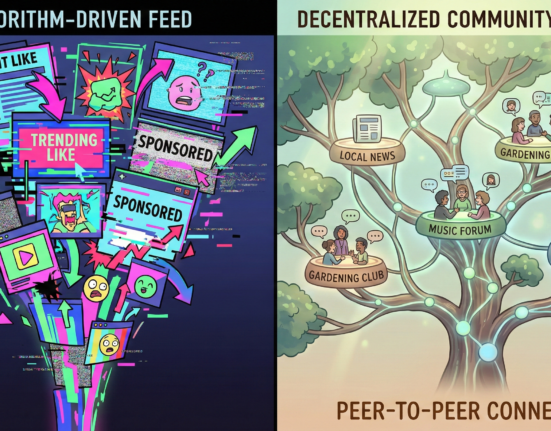
- Token-Gated Communities: Creators issuing access tokens allows them to keep nearly 100% of the revenue (minus gas fees), completely bypassing the platform take-rate.
- The Hurdle: User experience (UX) barriers remain high. For mass adoption, these technologies must become invisible to the user.
Conclusion
The era of the “starving artist” is being challenged by the era of the “negotiating creator.” Platform payout reforms are not happening in a vacuum; they are a response to a workforce that is becoming more professional, more organized, and less willing to accept opacity.
For platforms, the math is simple: if they cannot offer fair compensation, creators will migrate to platforms that do (or build their own). For creators, the path forward is clear: treat the platform as a utility, not a boss. Diversify your income, own your audience relationship, and stay informed about the changing terms of service.
The push for fair compensation is just beginning. As the lines between “gig work” and “media companies” blur, the payout models will continue to evolve. The winners will be those who build businesses that can survive the algorithm updates.
Next Steps for You:
- Audit your current revenue streams. Are you more than 50% dependent on one platform?
- Review the latest “Terms of Service” updates for your primary platforms (YouTube, Twitch, etc.) to ensure you aren’t leaving money on the table via new features.
- Consider joining a creator advocacy group or guild to stay informed on collective bargaining efforts.
FAQs
1. What is a “good” revenue split for a creator platform? While standards vary, a 70/30 split (70% to the creator) is generally considered the baseline for “fair” in the industry today. Platforms taking 45% or 50% (like Twitch or YouTube Shorts) are often criticized unless they provide massive algorithmic discovery that smaller platforms cannot match. Direct-to-fan platforms like Patreon typically take much less (5-12%).
2. Why do platforms change their monetization rules so often? Platforms adjust rules to align creator behavior with business goals. If a platform wants to compete with TikTok, they incentivize shorts. If they want to compete with TV, they incentivize long-form. They also adjust based on global economic factors, advertiser demand, and competitive pressure from other apps.
3. Can small creators really make a living wage? Yes, but usually not through ad revenue alone. Small creators (“micro-influencers”) often generate living wages by leveraging high-trust relationships with their audience to sell niche products, courses, or coaching, rather than relying on volume-based ad payouts.
4. How does the “1,000 stream threshold” on Spotify affect new artists? It means that tracks generating fewer than 1,000 streams annually earn zero royalties. While the per-stream payout for those under 1,000 was negligible, it acts as a psychological barrier and prevents the accumulation of very small earnings across a large catalog of songs for hobbyist musicians.
5. Are creator unions legally binding? Generally, no. Because most creators are independent contractors, they cannot form a traditional labor union with the same legal protections as factory workers. However, “guilds” and advocacy groups can still exert massive pressure through public relations, boycotts, and lobbying for legislative changes.
6. What is the difference between a Creator Fund and Revenue Sharing? A Creator Fund is a fixed amount of money (e.g., $1 million) divided among all creators based on views; as more creators join, everyone’s slice gets smaller. Revenue Sharing is a percentage of the actual ad money generated by your specific content; if you bring in more ad value, you get paid more, regardless of how many other creators are on the app.
7. How do “copyright strikes” impact fair compensation? Copyright strikes can freeze payouts, demonetize back-catalogs, and even lead to the loss of accrued earnings. Fair compensation advocates argue that the current systems are often “guilty until proven innocent,” allowing rights holders to claim revenue from creators too aggressively without sufficient recourse for Fair Use.
8. What is RPM and why does it fluctuate? RPM stands for “Revenue Per Mille” (revenue per 1,000 views). It fluctuates based on advertiser demand (advertisers pay more in Q4 for holidays), the location of your viewers (viewers in the US/UK are “worth” more to advertisers than some other regions), and your content niche (finance pays better than gaming).
9. Is “User-Centric Payment” better for artists? User-Centric Payment Systems (UCPS) propose that if a user pays $10/month and only listens to your band, the royalty portion of that $10 goes only to you. Currently, most pro-rata models pool all money and distribute it by total share of global streams. UCPS is generally seen as fairer for niche artists, but major labels often resist it.
10. How can I protect my income from platform changes? The only true protection is owning your data. Build an email list, a Discord server, or a website. If Instagram deletes your account or TikTok gets banned tomorrow, an email list ensures you still have a direct line to your customers and fans to sell your products or services.
References
- Goldman Sachs. (2024). The Creator Economy: State of the Market Report. Goldman Sachs Insights.
- YouTube Official Blog. (2025). Updates to the YouTube Partner Program and Shorts Revenue Sharing. YouTube. https://blog.youtube/news-and-events
- Twitch. (2025). Introducing the Partner Plus Program: A New Way to Earn. Twitch Blog. https://blog.twitch.tv
- Spotify for Artists. (2024). Modernizing Our Royalty System: Policies for a Fairer Landscape. Spotify. https://artists.spotify.com/blog
- The Verge. (2025). The Great Platform Pivot: How Creators are Navigating New Payout Models. The Verge Tech Reporting. https://www.theverge.com
- Creators Guild of America. (2025). Advocacy Framework and Standards for Digital Labor. CGA. https://creatorsguild.org
- TikTok Newsroom. (2024). The Creativity Program Beta: Rewarding High-Quality Content. TikTok. https://newsroom.tiktok.com
- Federal Trade Commission (FTC). (2024). Guides Concerning the Use of Endorsements and Testimonials in Advertising. FTC.gov. https://www.ftc.gov