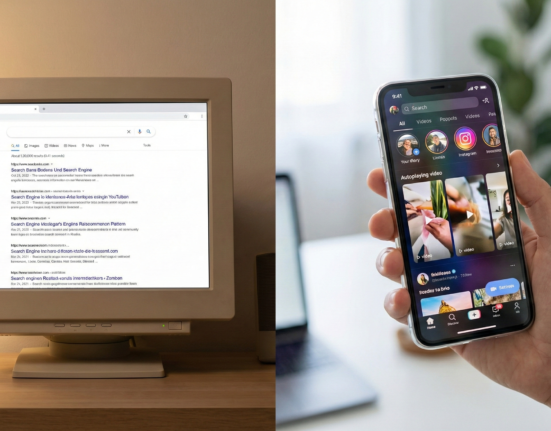
The boundary between “what we do for fun” and “what we do for money” has never been more porous. In the past, a hobby was a refuge—a distinct activity separated from the demands of the workplace. Today, the infrastructure of the internet, the rise of platform-based economies, and a cultural shift toward self-reliance have created a new paradigm: the seamless monetization of passion.
This isn’t just about selling a few knitted scarves to neighbors. It is about a fundamental restructuring of how individuals generate value. We are witnessing the maturation of the “gig-creator overlap,” a hybrid space where the transactional nature of the gig economy meets the community-driven ethos of the creator economy. Whether you are a woodworker looking to launch an Etsy shop, a coder streaming tutorials on Twitch, or a writer launching a paid newsletter, the path from amateur enthusiast to professional earner is clearer—but also more complex—than ever before.
In this guide, monetizing hobbies refers to the strategic process of generating revenue from leisure activities through digital platforms, direct sales, or content creation. It distinguishes itself from traditional employment by rooting the work in personal interest rather than external assignment.
Key Takeaways
- The landscape has merged: The distinction between “gig worker” (service provider) and “creator” (audience builder) is vanishing; the most successful side hustlers now do both.
- Validation is crucial: Before investing heavily, you must test if your hobby solves a problem or entertains an audience enough to warrant payment.
- Platform reliance is a risk: Building solely on rented land (like Etsy or TikTok) is dangerous; diversification into owned channels (email lists, websites) is essential.
- Burnout is the enemy: Monetizing a hobby changes your psychological relationship with it; setting boundaries is a business necessity, not a luxury.
- Niche over mass: You do not need millions of followers or customers; a small, dedicated base often yields higher margins and better sustainability.
Who This Is For (and Who It Isn’t)
This guide is for:
- The aspiring side-hustler: Individuals with a developed skill (crafting, writing, coding, designing) looking to create a secondary income stream.
- The accidental entrepreneur: People who have gained a following or customer base organically and need to formalize their operations.
- The gig worker: Freelancers looking to pivot from purely transactional work to building a personal brand.
This guide is not for:
- Get-rich-quick seekers: Building a business from a hobby requires time, patience, and skill development.
- Passive income hunters: While some aspects can be automated, monetizing a hobby usually requires active engagement and creation.
1. The Gig-Creator Overlap: Understanding the New Economy
To successfully monetize a hobby today, you must understand the environment you are entering. Historically, we viewed “gigs” and “content creation” as separate silos.
- The Gig Economy: Transactional, task-based, and often anonymous. Think of an Uber driver or a translator on Upwork. You trade time for money, and the platform owns the customer relationship.
- The Creator Economy: Relational, personality-based, and audience-centric. Think of a YouTuber or an Instagram influencer. You trade content for attention (and eventual revenue), and you own the relationship with the audience.
The Hybrid Model
The “overlap” occurs when hobbyists combine these models.
- Example: A graphic designer (gig worker) starts a TikTok channel showing their design process (creator). They use the content to attract higher-paying clients, moving away from low-bid gig platforms.
- Example: A potter selling mugs on Etsy (gig/commerce) starts a Patreon offering tutorials on glazing techniques (creator).
This hybrid approach creates resilience. If sales of physical goods slow down, the content revenue (ad revenue, subscriptions, sponsorships) can sustain the business. Conversely, if algorithm changes hurt reach, the direct sales of services or goods provide a financial floor.
Why This Matters for You
If you are monetizing a hobby, you are rarely just “selling a thing.” You are likely selling the story of the thing. In an AI-generated content world, the human element—your journey, your mistakes, your unique touch—becomes the premium value proposition.
2. Choosing Your Monetization Lane
Not all hobbies monetize the same way. Identifying the right vehicle for your specific interest is the first strategic decision. Generally, hobbies fall into three monetization lanes: Physical Products, Service/Freelance, and Content/Education.
Lane A: Physical Products (The Maker)
This is the domain of tangible goods. It fits hobbies like woodworking, pottery, jewelry making, 3D printing, and illustration.
- Primary Platforms: Etsy, Shopify, Amazon Handmade, local craft fairs.
- Revenue Model: Direct sales margins (Price – Cost of Goods Sold – Fees).
- Key Challenge: Logistics. Sourcing materials, inventory management, packaging, and shipping are time-consuming and capital-intensive.
- Scalability: Low to Medium. You are limited by how fast you can produce, unless you move to manufacturing or print-on-demand.
Lane B: Service and Freelance (The Solopreneur)
This fits hobbies that involve a transferable skill. Examples include photography, coding, copywriting, voice acting, or consulting.
- Primary Platforms: Upwork, Fiverr, Toptal, LinkedIn, specialized niche boards.
- Revenue Model: Hourly rate or per-project fee.
- Key Challenge: Client acquisition and scope creep. You must constantly pitch to new clients and manage expectations.
- Scalability: Low. You are trading time for money. Scaling requires raising rates or hiring subcontractors.
Lane C: Content and Education (The Teacher/Entertainer)
This involves monetizing the knowledge or the entertainment value of the hobby. It fits almost any interest, from gaming (Twitch) to gardening (YouTube) to finance (Newsletters).
- Primary Platforms: YouTube, Twitch, Substack, Patreon, Teachable, Udemy.
- Revenue Model: Ad revenue, subscriptions, sponsorships, digital course sales, affiliate marketing.
- Key Challenge: Audience building. It takes a long time to build a following large enough to generate significant income.
- Scalability: High. A digital course recorded once can be sold thousands of times with zero marginal cost.
The “Mix and Match” Strategy
The most robust businesses often combine lanes. A calligrapher might sell custom wedding invitations (Lane A), teach a calligraphy workshop (Lane C), and take commissions for logo design (Lane B).
3. Validating Your Hobby: Is There a Market?
Just because you love doing something doesn’t mean others will pay for it. Before you build a website or buy bulk inventory, you must validate the market demand.
The “Stranger Test”
Feedback from friends and family is notoriously unreliable; they want to support you, not necessarily the product. You need validation from strangers.
- Post on Reddit/Forums: Go to subreddits related to your niche (e.g., r/woodworking, r/mechanicalkeyboards). Share your work without selling. Gauge the reaction. Are people asking “Where can I buy this?” or just saying “Nice job”?
- The “Beta” Listing: Create a single listing on a marketplace like Etsy or eBay. Do not worry about branding yet. See if organic search traffic leads to a sale.
- Keyword Research: Use tools like Google Trends, Ahrefs, or even the Etsy search bar autofill to see what people are looking for. High search volume with low competition is the “blue ocean” you are looking for.
Defining Your USP (Unique Selling Proposition)
Why should someone buy from you?
- Quality/Craftsmanship: Is your product more durable or better made?
- Aesthetic/Style: Do you have a signature look that isn’t available elsewhere?
- Ethical/Sustainable: Do you use recycled materials or support a specific cause?
- Personal Brand: Do people buy because they like you and your story?
Practical Example: If you knit beanies, the market is saturated. However, if you knit “chemically-free, organic wool beanies specifically for people with sensitive skin,” you have carved out a defensible niche.
4. The Etsy Ecosystem: Strategies for Makers
For those choosing the physical product route, Etsy remains the dominant player for handmade goods. However, success on Etsy in the mid-2020s requires more than just listing items.
Mastering Etsy SEO
Etsy is a search engine, not just a store.
- Titles: Front-load your titles with the most important keywords. Instead of “Blue Vase,” use “Handmade Ceramic Flower Vase, Cobalt Blue, Modern Farmhouse Decor.”
- Tags: Use all 13 tag slots. Use multi-word phrases (long-tail keywords) rather than single words.
- Attributes: Fill out every attribute (color, occasion, material). These act as filters for buyers.
Visual Merchandising
Your photo is the only way a customer can “touch” the product.
- Lighting: Natural light is best. Avoid flash.
- Composition: Show the item in use (lifestyle shot) and in isolation (white background).
- Video: Etsy prioritizes listings with video. A 15-second clip showing the product being turned or held gives the buyer confidence in the item’s quality.
The Logistics of Fulfillment
Shipping can kill your margins.
- Calculated Shipping: Use the platform’s tools to calculate shipping based on weight and dimension to avoid undercharging.
- Packaging: This is part of the brand experience. A handwritten note or branded sticker can turn a one-time buyer into a repeat customer.
- International: Decide early if you are willing to deal with customs forms and international delays. It opens up a larger market but adds complexity.
Diversifying Beyond Etsy
Etsy fees (listing fees, transaction fees, payment processing fees) can add up to 20%+ of your revenue. Once you have a customer base:
- Launch a Shopify Store: Move repeat customers to your own site where you control the branding and pay lower fees.
- Build an Email List: Include a QR code in your packages encouraging sign-ups for discounts. This is your insurance policy if Etsy creates a policy change that hurts your shop.
5. Service and Freelance: Professionalizing Your Skill
If your hobby involves a service, the transition to monetization involves shifting your mindset from “helper” to “professional.”
The Portfolio Pivot
Hobbyists show what they made. Professionals show the problem they solved.
- Amateur Portfolio: “Here are some logos I drew.”
- Professional Portfolio: “Client X needed a brand identity that appealed to Gen Z. I created this logo which increased their engagement by 20%.”
Pricing Your Time
The biggest mistake side-hustlers make is underpricing.
- Don’t Compete on Price: You will never beat the prices of workers in low-cost-of-living countries on platforms like Fiverr.
- Value-Based Pricing: Instead of charging $20/hour, charge $500 for the project. Clients care about the result, not how many hours it took you.
- The “Hobby” Discount: Avoid giving discounts to friends “because it’s just a hobby.” This devalues your work and sets a precedent that is hard to break.
Managing Client Relationships
- Contracts: Never start work without a contract. It protects you from non-payment and scope creep.
- Boundaries: Clear communication about when you are available. If this is a side hustle, make sure clients know you respond to emails after 6 PM or on weekends, or conversely, set auto-responders if you need to protect your hobby time.
6. Content Creation: The Long Game
Monetizing via content (YouTube, Blogs, TikTok) is high-risk, high-reward. It requires consistency over a long period before seeing a dime.
Finding Your Angle
- Educational: “How to” content is evergreen. “How to fix a leaky faucet” gets traffic for years.
- Inspirational: Showcasing the beauty of the finished product. High aesthetic value (Instagram/Pinterest).
- Entertaining: Personality-driven content. The value is in the humor, storytelling, or parasocial connection.
Monetization Avenues for Creators
- Ad Revenue: Requires high volume (e.g., YouTube Partner Program requirements).
- Affiliate Marketing: linking to the tools you use. This is often the first revenue stream for hobbyists. “Here is the camera I use,” “Here is the yarn I recommend.”
- Sponsorships: Brands pay you to mention their product. Micro-influencers (10k-50k followers) with high engagement are increasingly attractive to brands.
- Direct Support: Patreon, Ko-fi, or Substack subscriptions. This relies on “true fans” who want to support your work directly.
7. Financial Realities: Taxes, Expenses, and Structures
When money changes hands, the government gets involved. Ignoring this aspect can lead to severe financial penalties. Note: This section focuses on general principles relevant to the US/Western context, but specific laws vary by jurisdiction.
Hobby vs. Business
The IRS (in the US) distinguishes between a “hobby” and a “business.”
- Hobby: You do it for pleasure, not profit. You generally cannot deduct expenses in excess of your income.
- Business: You operate with the intent to make a profit. You can deduct expenses.
- The Switch: Once you start actively marketing, keeping books, and operating in a business-like manner, you are likely a business.
Separate Your Finances
- Bank Account: Open a separate checking account for your side hustle. Never mix personal grocery purchases with business supply orders. This makes tax season infinitely easier.
- Track Everything: Use software like QuickBooks, FreshBooks, or even a detailed Excel spreadsheet to track every penny in and out.
Understanding COGS (Cost of Goods Sold)
You must know exactly how much it costs to make your product.
- Formula: Material Cost + Packaging + Transaction Fees + (Your Time x Hourly Rate) = Minimum Viable Price.
- Many hobbyists forget to pay themselves for their time, resulting in a business that loses money once they scale.
Taxes
- Self-Employment Tax: You are responsible for both the employer and employee portion of Social Security/Medicare taxes.
- Sales Tax: Platforms like Etsy often collect and remit sales tax for you (Marketplace Facilitator Laws), but if you sell on your own site, you are responsible for nexus and remittance.
8. Marketing: Building a Community, Not Just a Customer Base
In the gig-creator overlap, marketing is less about buying ads and more about storytelling.
Document, Don’t Just Create
Gary Vaynerchuk’s philosophy of “Document, Don’t Create” is vital for side hustlers who are short on time.
- Record a timelapse while you work.
- Take a photo of the mess on your desk.
- Share a story about a mistake you made.
- This content feeds your social media channels without requiring dedicated “content creation days.”
The Power of “Behind the Scenes” (BTS)
Consumers love to see how the sausage is made. BTS content builds trust. It proves the item is handmade and demonstrates the skill involved, which justifies a higher price point.
Email Marketing: The Asset You Own
Social media algorithms change. Your email list is an asset you own.
- Offer a “lead magnet” (e.g., a free guide, a discount code, a checklist) to get people to sign up.
- Send regular updates—not just sales pitches, but interesting stories about your hobby or process.
9. The Dark Side: Burnout and the Loss of Leisure
One of the greatest risks of monetizing a hobby is that you lose the hobby. What was once stress relief becomes a source of stress.
The “Over-Justification Effect”
Psychologists call this the “over-justification effect.” When an intrinsic reward (fun) is replaced by an extrinsic reward (money), motivation can actually decrease.
Guardrails for Mental Health
- Keep Something for Yourself: If you love painting, monetize your watercolors but keep your acrylics just for you. Do not monetize every aspect of your leisure.
- Set “Office Hours”: Even if your office is the kitchen table. Decide when the shop is “closed.”
- Learn to Say No: You do not have to take every commission. If a project looks draining or the client seems difficult, turn it down. Your mental energy is your most limited resource.
- Recognize Seasonality: It is okay to hustle hard during the holidays and take January off. The beauty of a side hustle is flexibility.
10. Future Trends: AI and the Value of “Human-Made”
As we move deeper into the 2020s, Artificial Intelligence (AI) is reshaping the gig-creator landscape.
AI as a Tool, Not a Replacement
- Drafting: Writers use AI to outline blogs.
- Design: Artists use AI to generate reference images or color palettes.
- Admin: Sellers use AI to write Etsy descriptions and generate social media captions.
- successful hobby-preneurs will use AI to handle the “boring” parts of the business, freeing up more time for the actual creative work.
The “Human Premium”
As AI-generated content and art flood the internet, “verified human” work is becoming a luxury good.
- Authenticity: Consumers are increasingly skeptical of polished, perfect content. They crave raw, imperfect, human connection.
- Storytelling: AI can generate an image, but it cannot tell the story of how you hiked a mountain to find the inspiration for that painting. Your narrative is your moat.
11. Practical Checklist: Launching Your Side Hustle
If you are ready to start, follow this linear path to avoid overwhelm.
Phase 1: Planning (Weeks 1-2)
- Define your niche and specific offering.
- Conduct market research (Stranger Test).
- Calculate rough pricing and margins.
- Choose a name and check domain/handle availability.
Phase 2: Setup (Weeks 3-4)
- Open a separate bank account.
- Set up your platform profile (Etsy, Upwork, YouTube).
- Create your first 3-5 listings or portfolio pieces.
- Set up a basic way to track income/expenses.
Phase 3: Launch (Week 5)
- Announce to your personal network (friends/family).
- Post your first “public” content on social media using relevant hashtags.
- Optimize your listings based on initial search data.
Phase 4: Iterate (Ongoing)
- Gather feedback from first customers.
- Refine your process to be faster/cheaper.
- Experiment with different marketing channels.
12. Common Pitfalls and How to Avoid Them
1. “Productive Procrastination”
Spending weeks designing a logo or business card before you have sold a single item.
- Fix: Sell first, brand later. Your product speaks louder than your logo.
2. Ignoring Customer Service
In the gig economy, reviews are currency. One bad review can tank a new shop.
- Fix: Over-communicate. If shipping is delayed, tell the buyer immediately. If they are unhappy, offer a solution. Treat them better than Amazon does.
3. Scaling Too Fast
Getting a viral TikTok video and receiving 500 orders when you can only make 10 a week.
- Fix: Use “Inventory” limits on platforms. It is better to sell out and create scarcity/hype than to fail to deliver and ruin your reputation.
4. Comparison Paralysis
Looking at established creators and feeling inadequate.
- Fix: Remember they are on Chapter 20, and you are on Chapter 1. focus on your own growth metrics, not theirs.
Conclusion: The Balance of Passion and Profit
Monetizing a hobby is a journey of self-discovery as much as it is a business venture. It forces you to value your time, articulate your worth, and connect with others who share your interests. The overlap of the gig and creator economies provides a toolkit that was unimaginable twenty years ago.
However, success is not guaranteed, and it is not free. It costs time, energy, and emotional resilience. The goal should not just be profit, but sustainable profit—income that supports your life without devouring the joy that sparked the hobby in the first place.
Whether you want to make an extra $500 a month to cover bills or build a full-time empire, the path is open. Start small, validate often, treat your customers well, and most importantly, protect the passion that makes it all possible.
FAQs
1. How do I know if my hobby is good enough to sell? You don’t need to be the best in the world; you just need to be better than your customer or offer something unique. Validate your idea by looking for similar items selling on Etsy or researching search volume. If others are selling it, there is a market. Your unique style or service level is how you compete.
2. Do I need an LLC to start a side hustle? In many jurisdictions (like the US), you can start as a Sole Proprietorship, which requires no formal registration. However, forming an LLC (Limited Liability Company) provides personal liability protection, separating your personal assets from business risks. Consult a local tax professional, but don’t let the lack of an LLC stop you from making your first sale.
3. How much time does running an Etsy shop take? It varies, but expect to spend at least 30-50% of your time on non-creative tasks: photography, listing management, answering messages, packing, and shipping. If you spend 10 hours a week on the shop, only 5-6 hours might be actual “making” time.
4. Can I monetize a hobby without showing my face? Yes. While “creator” content often relies on personality, many successful niches are faceless. You can film hands-only tutorials, use avatars, sell digital templates, or focus purely on the product photography. However, building trust can sometimes be slower without a human face attached to the brand.
5. What are the best hobbies for making money in 2026? High-demand areas include personalized/custom gifts (laser cutting, embroidery), digital products (Notion templates, printables), sustainable/upcycled fashion, and specialized consulting (niche coaching). Hobbies that solve a specific problem or save people time tend to monetize fastest.
6. How do I handle shipping costs? You can either charge the customer the full shipping cost, offering “Free Shipping” by building the cost into the product price, or split the difference. “Free Shipping” often converts better psychologically, but ensure your margins can support it. Use platform-specific shipping labels (like Etsy Shipping) to get commercial discounts.
7. What if I start hating my hobby after monetizing it? This is common. If it happens, take a break. You can put your shop on “Vacation Mode” or stop taking commissions. Re-evaluate your boundaries. Perhaps you only sell ready-made items instead of custom orders to reduce pressure. It is okay to pivot or even close the business to save the hobby.
8. Is it better to sell on a marketplace or my own website? Start on a marketplace (Etsy, Amazon Handmade, Upwork) because they bring the traffic to you. You pay fees for that access. Once you have a loyal following and an email list, launch your own website (Shopify, Squarespace) to improve margins and control the customer experience. Most successful sellers eventually do both.
References
- Etsy. (n.d.). The Etsy Seller Handbook. Etsy. Retrieved from https://www.etsy.com/seller-handbook
- Anderson, C. (2006). The Long Tail: Why the Future of Business is Selling Less of More. Hyperion.
- Vaynerchuk, G. (2018). Crushing It!: How Great Entrepreneurs Build Their Business and Influence—and How You Can, Too. Harper Business.
- Klean, E. (2023, November 15). The Creator Economy vs. The Gig Economy. Forbes. Retrieved from https://www.forbes.com/
- Internal Revenue Service. (n.d.). Hobby or Business? Here’s what to know about that side hustle. IRS.gov. Retrieved from https://www.irs.gov/newsroom/hobby-or-business-heres-what-to-know-about-that-side-hustle
- Shopify. (2025). Global Ecommerce Trends Report. Shopify. Retrieved from https://www.shopify.com/
- Patreon. (n.d.). Creator Resources. Patreon Blog. Retrieved from https://blog.patreon.com/