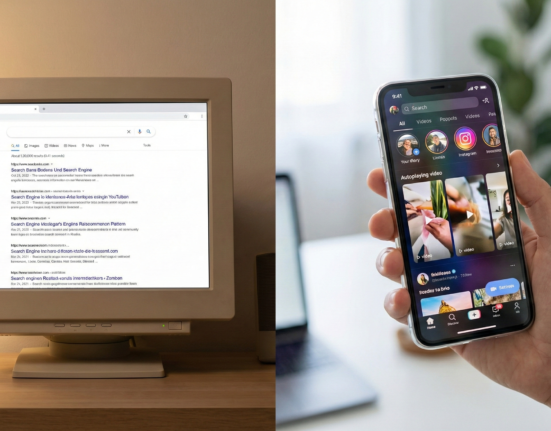
The era of the “untouchable” celebrity endorser is fading. For decades, the formula for brand visibility was simple: pay a famous face millions of dollars to hold your product, plaster their image on billboards and TV spots, and watch the sales roll in. It was a strategy built on aspiration—the idea that consumers wanted to be the celebrity.
Today, that dynamic has inverted. We are witnessing a seismic shift in the digital marketing landscape. Consumers, particularly Gen Z and Millennials, are no longer looking for aspiration; they are craving relatability. They don’t want to see a product in the hands of someone who lives in a gated mansion; they want to see it used by someone who looks like them, lives like them, and faces the same daily challenges.
This psychological pivot has fueled the explosive rise of micro and nano influencers. These creators, characterized by smaller but deeply loyal followings, are dismantling the traditional celebrity partnership model. Brands are reallocating massive budgets from A-list endorsements to armies of smaller creators who offer something money can’t always buy: genuine trust.
In this comprehensive guide, we will explore why this shift is happening, the data backing the effectiveness of smaller creators, and how your brand can build a robust strategy using micro and nano influencers to drive real business results.
Key Takeaways
- Trust over Fame: Consumers view micro and nano influencers as peers or knowledgeable friends, leading to significantly higher trust levels compared to celebrities.
- The Engagement Paradox: As follower counts rise, engagement rates typically plummet. Smaller creators consistently deliver higher interaction rates relative to their audience size.
- Cost Efficiency: Diversifying budget across 50 micro-influencers often yields better reach, content volume, and conversion data than a single celebrity post.
- Niche Domination: Nano influencers allow brands to penetrate highly specific sub-cultures and communities that broad celebrity appeal cannot touch.
- Risk Mitigation: Relying on a single face carries reputational risk; a network of smaller creators diversifies that risk.
Defining the Tiers: Who Are Micro and Nano Influencers?
Before analyzing the strategy, we must establish a shared vocabulary. The influencer marketing industry generally categorizes creators based on follower count, though these brackets can vary slightly depending on the platform (e.g., YouTube thresholds are often lower than Instagram).
1. Nano-Influencers (1,000 – 10,000 followers)
These are the everyday consumers, local experts, and community voices. A nano-influencer might be a local yoga instructor, a passionate home baker, or a computer science student sharing coding tips.
- Key Trait: High intimacy. They know many of their followers personally.
- Brand Value: Hyper-local reach and word-of-mouth credibility. Their endorsement feels like a recommendation from a neighbor.
2. Micro-Influencers (10,000 – 100,000 followers)
This is the sweet spot for many brands. Micro-influencers have established themselves as creators but have not yet reached “celebrity” status. They often focus on a specific vertical—such as sustainable fashion, keto cooking, or budget travel.
- Key Trait: Subject matter expertise. They have built an audience around a specific passion.
- Brand Value: Targeted reach with strong engagement. They are professional enough to create high-quality content but small enough to interact with comments.
3. Macro-Influencers (100,000 – 1 Million followers)
These creators are internet famous. They might be YouTubers, streamers, or successful bloggers.
- Key Trait: Broad reach. They act more like mini-media companies.
- Brand Value: Awareness at scale, but often with lower engagement rates than micros.
4. Mega-Influencers / Celebrities (1 Million+ followers)
Traditional actors, musicians, athletes, and reality TV stars.
- Key Trait: Mass appeal.
- Brand Value: Global visibility and “cool factor,” but often accompanied by skepticism regarding product use.
In this guide, micro and nano influencers generally refer to the combined cohort of creators with under 100,000 followers—the group driving the current shift in marketing spend.
The Trust Deficit: Why Celebrity Partnerships Are Failing
To understand the rise of the micro-tier, we must first look at the decline of the celebrity tier. The effectiveness of celebrity endorsements relies on a concept called “transfer of affect”—the hope that the positive feelings you have for a movie star will transfer to the soda they are drinking.
However, several cultural factors have eroded this mechanism.
The “Pay-to-Say” Awareness
Audiences today are digitally native. They understand how the sausage is made. When a celebrity promotes a teeth-whitening kit or a crypto exchange, the immediate assumption is not “they love this product,” but “they were paid $500,000 to post this.” This transactionality breeds cynicism. The sheer scale of the paycheck creates a disconnect; the audience knows the celebrity likely has access to the most expensive professionals and products in the world, making their endorsement of a drugstore item feel disingenuous.
The Authenticity Gap
Social media has evolved from a highlight reel to a place for vulnerability (think TikTok vs. early Instagram). Celebrities often struggle to participate in this “authentic” internet culture because their public personas are carefully managed by PR teams. Their content often feels polished, staged, and distant.
In contrast, a nano-influencer posting a video of their messy kitchen while reviewing a cleaning spray feels real. Imperfection has become a currency of trust. When a creator shows up without makeup, or admits they are having a bad day, they build a parasocial bond grounded in reality. When that same person recommends a product, the audience listens because the context feels honest.
Lack of Specialization
Celebrities are rarely experts in the products they sell. A pop star selling energy drinks implies no expertise in nutrition. However, a micro-influencer who is a certified personal trainer selling the same drink brings authority. Brands are realizing that authority converts better than fame.
The Core Advantages of Micro and Nano Influencers
Brands are not shifting budgets out of charity; they are doing it because the metrics support it. Here is why micro and nano influencers are winning the ROI battle.
1. Superior Engagement Rates
There is a well-documented inverse relationship between follower count and engagement rate. As an audience grows, it inevitably becomes broader and more passive.
- Nano-influencers often see engagement rates (likes, comments, shares divided by followers) between 4% and 8%, sometimes spiking even higher on platforms like TikTok.
- Mega-influencers often struggle to maintain engagement rates above 1% or 2%.
For a brand, high engagement signals that the algorithm values the content and, more importantly, that the audience cares about what the creator has to say. A comment section filled with questions like “Where did you get that?” or “Does this really work?” is infinitely more valuable than a million passive views.
2. Niche Targeting and Community Relevance
Micro-influencers are the gatekeepers of niches. If you are selling a specialized product—say, a vegan leather camera strap—a celebrity endorsement is a waste of resources. Most of the celebrity’s audience won’t care about photography.
However, partnering with 10 micro-influencers who specifically focus on “street photography” and “ethical gear” ensures that 100% of the reached audience is relevant. You are not paying for waste impressions. This targeting precision allows for higher conversion rates because the product fits the specific lifestyle the audience is already following.
3. Content Creation Agility and Cost
Celebrity contracts are rigid, expensive, and involve rounds of legal approval. If a trend blows up on TikTok on a Tuesday, you cannot get a celebrity to film, approve, and post a response by Wednesday.
Micro and nano influencers are agile. They create their own content, often shooting and editing on mobile devices, which fits the native aesthetic of social platforms. Furthermore, their costs are significantly lower.
- The Diversification Strategy: Instead of spending $50,000 on one post from a macro-influencer that might flop, a brand can hire 50 nano-influencers for $1,000 each (or product exchange). This spreads the risk. If five of those creators create viral content, the ROI is massive. If five fail, the overall campaign is still safe.
4. The “Social Proof” Engine
Nano-influencers provide powerful social proof. When a consumer sees a product being used by multiple “normal” people in their feed, it creates a sense of ubiquity. It triggers the FOMO (Fear Of Missing Out) effect more effectively than a single celebrity post. It feels like “everyone is using this,” rather than “this celebrity is selling this.”
The Economics of the Shift: Cost Models and ROI
Understanding the financial implications is crucial for stakeholders. The shift to micro and nano influencers allows for more flexible payment models compared to the flat-fee structures of celebrities.
Product Gifting (Seeding)
For nano-influencers, product gifting is still a viable strategy, though less so than in previous years. Brands send free products with no obligation to post, but with the hope that the creator will genuinely like it and share it. This yields high authenticity but low control.
Performance-Based Compensation (Affiliates)
Micro-influencers are often open to affiliate models where they earn a commission on sales generated via their unique code or link. This aligns incentives perfectly: the creator earns more if they sell more. Celebrities rarely agree to pure commission models because their time has a high fixed opportunity cost.
Hybrid Models
The most common model for micro-influencers today is a “base fee + bonus.” The brand pays a modest fee for content creation (ensuring the creator is paid for their time and labor) and offers bonuses for hitting view count or sales milestones. This keeps upfront costs manageable while offering upside for the creator.
Content Licensing
Brands often hire micro-influencers not just for the distribution (posting to their feed) but for the content assets (UGC – User Generated Content). Brands pay creators to make videos that the brand then runs as paid ads from their own corporate account. This is often cheaper than hiring a production studio and actors, and the content performs better as an ad because it looks native to the feed.
Strategic Implementation: How to Build a Micro-Influencer Program
Transitioning from a celebrity-centric model to a micro-influencer strategy requires a change in workflow. You are moving from managing one large relationship to managing hundreds of small ones.
Step 1: Identification and Vetting
Finding the right micro and nano influencers is the hardest part of the process.
- Manual Search: Look at who is already tagging your brand or your competitors. Check hashtags related to your niche (e.g., #curlyhairroutine, #setupwars).
- Vetting Criteria: Do not look just at follower count.
- Engagement Quality: Read the comments. Are they generic (“Great pic!”) or substantive (“I tried this too, did you find it sticky?”)?
- Audience Quality: Use tools to check for fake followers/bots.
- Brand Safety: Scan past content for controversial topics or values that conflict with your brand.
- Content Aesthetic: Does their visual style match or complement your brand voice?
Step 2: Outreach and Briefing
Outreach to micro-influencers should be personalized. They are real people managing their own inboxes, not agencies.
- The Brief: Be clear but not restrictive. The biggest mistake brands make is scripting the influencer. You are hiring them for their voice; if you script them, you kill the authenticity. Provide key messaging points (USPs) and legal requirements (disclosures), but leave the creative execution to them.
Step 3: Relationship Management
Treating influencers like vendors is a mistake; treat them like partners.
- Long-term vs. One-off: One-off posts rarely move the needle. Aim for long-term ambassadorships where the influencer mentions the brand multiple times over months. This repetition builds conviction in the audience.
- Community Building: Create a private group (Slack, Discord, Facebook) for your creator partners. Let them talk to each other, give them early access to products, and make them feel part of the brand family.
Step 4: Measurement
Move beyond “likes.”
- Saves and Shares: These metrics indicate high intent. A “save” means “I want to buy this or use this tip later.”
- Click-Through Rate (CTR): How many people went to the site?
- Cost Per Acquisition (CPA): If using affiliate links or UTM parameters, track exactly how much it cost to acquire a customer through that specific creator.
The Role of “De-influencing” and Honest Reviews
A recent trend that supports the shift to micro-influencers is “de-influencing.” This trend involves creators telling audiences what not to buy, criticizing over-hyped (often celebrity-endorsed) products.
While this sounds scary for brands, it is actually an opportunity for micro and nano influencers. De-influencing is rooted in a desire for honesty. When a micro-influencer says, “Skip this expensive celebrity brand product, and buy this $15 alternative instead because it works better,” they gain immense credibility.
Brands that have solid, high-value products thrive in this environment. By partnering with smaller creators who are known for honest reviews, brands can position themselves as the “smart choice” or the “hidden gem,” leveraging the creator’s reputation for truth-telling.
Challenges and Pitfalls of the Micro-Strategy
While the benefits are clear, the operational challenges are significant. It is not all smooth sailing.
1. The Management Overhead
Managing 50 contracts, shipping 50 packages, approving 50 drafts, and chasing 50 invoices is a logistical nightmare compared to dealing with one celebrity agent.
- Solution: Brands must invest in influencer relationship management (IRM) software (like Grin, Tagger, or Aspire) or hire specialized agencies to handle the administration.
2. Quality Control
With a celebrity production, you have a director on set. With a nano-influencer, they are filming in their bedroom. Lighting might be poor; audio might be echoey.
- Solution: Accept “lo-fi” as an aesthetic choice, but provide clear guidelines on “must-haves” (e.g., logo must be visible, audio must be clear).
3. Brand Safety at Scale
The more people representing your brand, the statistically higher the chance one of them does something controversial.
- Solution: Robust contracts with clawback clauses and continuous monitoring tools that alert you if a partner posts concerning content.
4. FTC Compliance
Nano-influencers are often less experienced with advertising laws. They might forget to include #ad or #sponsored.
- Solution: Education is part of the partnership. Explicitly require disclosure in the brief and withhold payment until the post is compliant.
Industry-Specific Applications
The shift to micro and nano influencers looks different across industries.
Beauty and Fashion
This is the maturest market. Here, visual diversity is key. Brands use micros to show how products look on different skin tones and body types—something a single celebrity cannot do. Authenticity here is defined by “no filters” and close-ups of skin texture.
Tech and Gaming
Here, expertise reigns supreme. A celebrity holding a gaming mouse means nothing. A nano-influencer who is a top-ranked player explaining the DPI settings of that mouse drives sales. The audience needs to know the technical specs from someone who actually plays.
B2B and Professional Services
Even B2B brands are shifting. Instead of “influencers,” they look for “Key Opinion Leaders” (KOLs) on LinkedIn. These are often micro-influencers—industry consultants, niche journalists, or outspoken employees at other firms. A software company might partner with a Project Management consultant (5k followers) to demo their tool.
Food and Beverage
Taste cannot be conveyed digitally, so description and reaction are everything. Nano-influencers in the “foodie” space are highly trusted for local recommendations. A celebrity endorsing a fast-food chain feels like a commercial; a local foodie finding a “secret menu item” feels like a discovery.
Future Outlook: The Creator Economy 2.0
As we look ahead, the line between “consumer” and “marketer” will continue to blur. Micro and nano influencers are effectively becoming the decentralized sales force of the modern internet.
We are likely to see:
- Long-term Contracts: Brands will sign “annual retainers” with micro-influencers, treating them almost like remote employees.
- Creator-Led Product Development: Brands will ask their nano-influencer cohorts for feedback on prototypes before launching, using them as focus groups.
- Whitelisting: Brands will increasingly gain access to the influencer’s ad account to run dark posts, combining the influencer’s authentic content with the brand’s sophisticated targeting data.
The shift away from celebrity partnerships is not a trend; it is a correction. It is a return to marketing’s roots: word of mouth. It just happens that today, word of mouth scales through algorithms, and the most powerful voices belong to the people who feel familiar, not the ones who feel famous.
Conclusion
The pivot toward micro and nano influencers represents a maturing of the digital marketing industry. Brands have realized that while celebrities generate impressions, niche creators generate connections. In an attention economy saturated with noise, the quiet, trusted recommendation of a nano-influencer cuts through the chaos more effectively than a celebrity shout-out.
For brands, the actionable next step is to stop looking up at the stars and start looking around at the community. Your best salespeople are likely already in your comments section, creating content, waiting to be engaged. By building a strategy that values authenticity over reach and community over fame, brands can future-proof their marketing against cynicism and build lasting loyalty.
Next Steps for Your Brand: Audit your current social media followers. Identify 5-10 accounts with 1k-10k followers who are already engaging with your content. Reach out to them with a simple, personalized message offering a product gift or a small paid collaboration to test the waters.
FAQs
What is the difference between a micro-influencer and a nano-influencer?
A nano-influencer typically has between 1,000 and 10,000 followers, focusing on hyper-local or very specific niche communities. A micro-influencer usually ranges from 10,000 to 100,000 followers and has a more polished presence while maintaining high engagement.
Are micro-influencers cheaper than celebrities?
Yes, dramatically so. While a celebrity might charge six figures for a single post, micro-influencers often charge between $100 and $500 per post, or may work for product gifts. This allows brands to work with many creators for the price of one celebrity.
How do I find micro-influencers for my brand?
Start by looking at who already follows your brand or uses your hashtags. Use influencer marketing tools to search by specific keywords, location, and engagement rates. Manual searching through “suggested users” on Instagram or TikTok is also effective for finding nano-influencers.
Do nano-influencers really drive sales?
Yes. While their reach is small, their conversion rate is often higher because their audience trusts them implicitly. Their recommendation is viewed as advice from a friend, which is the strongest driver of purchasing decisions.
How do I measure the success of a micro-influencer campaign?
Focus on Engagement Rate (likes/comments per view), Saves, Shares, and Click-Through Rate. For direct sales tracking, ensure every influencer has a unique discount code or a tracking link (UTM) so you can attribute revenue to specific creators.
What are the risks of working with smaller influencers?
The main risks are a lack of professionalism (missing deadlines), lower quality content production, and potential brand safety issues if they post controversial content. These can be mitigated with clear briefs, contracts, and vetting.
Should I stop working with celebrities entirely?
Not necessarily. Celebrities are still useful for massive, top-of-funnel brand awareness campaigns (like launching a new global product). However, for mid-to-bottom funnel goals like engagement, trust-building, and conversion, micro and nano influencers are generally more effective.
Do I need to pay nano-influencers?
While some nano-influencers accept free products (gifting) as payment, the industry is shifting toward fair compensation. Paying even a small fee ensures professionalism, gives you rights to the content, and builds a stronger, longer-lasting relationship.
References
- Federal Trade Commission. (2023). Disclosures 101 for Social Media Influencers. FTC.gov. https://www.ftc.gov/business-guidance/resources/disclosures-101-social-media-influencers
- Influencer Marketing Hub. (2024). The State of Influencer Marketing 2024: Benchmark Report. InfluencerMarketingHub.com.
- Sprout Social. (2024). Micro-influencers vs. macro-influencers: What’s the difference and who to work with. SproutSocial.com.
- Morning Consult. (2023). The Influencer Report: Engaging Gen Z and Millennials. MorningConsult.com. https://morningconsult.com/influencer-report-engaging-gen-z-and-millennials
- Harvard Business Review. (2023). Why Micro-Influencers May Be the Most Effective Endorsers. HBR.org.
- Nielsen. (2022). Global Trust in Advertising Study. Nielsen.com.
- eMarketer. (2024). US Influencer Marketing Spending Trends. eMarketer.com. https://www.emarketer.com/content/us-influencer-marketing-spending-trends-2024
- Later. (2024). The Ultimate Guide to Micro-Influencer Marketing. Later.com. https://later.com/blog/micro-influencer-marketing/