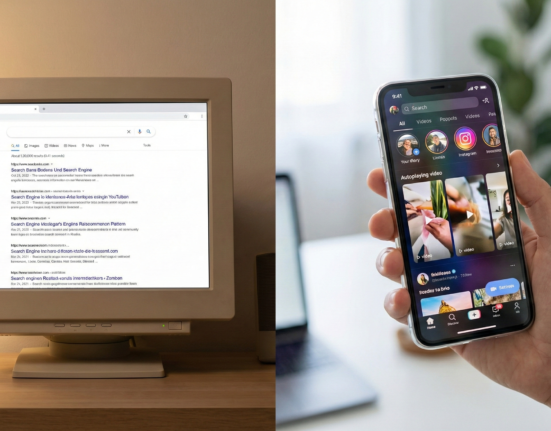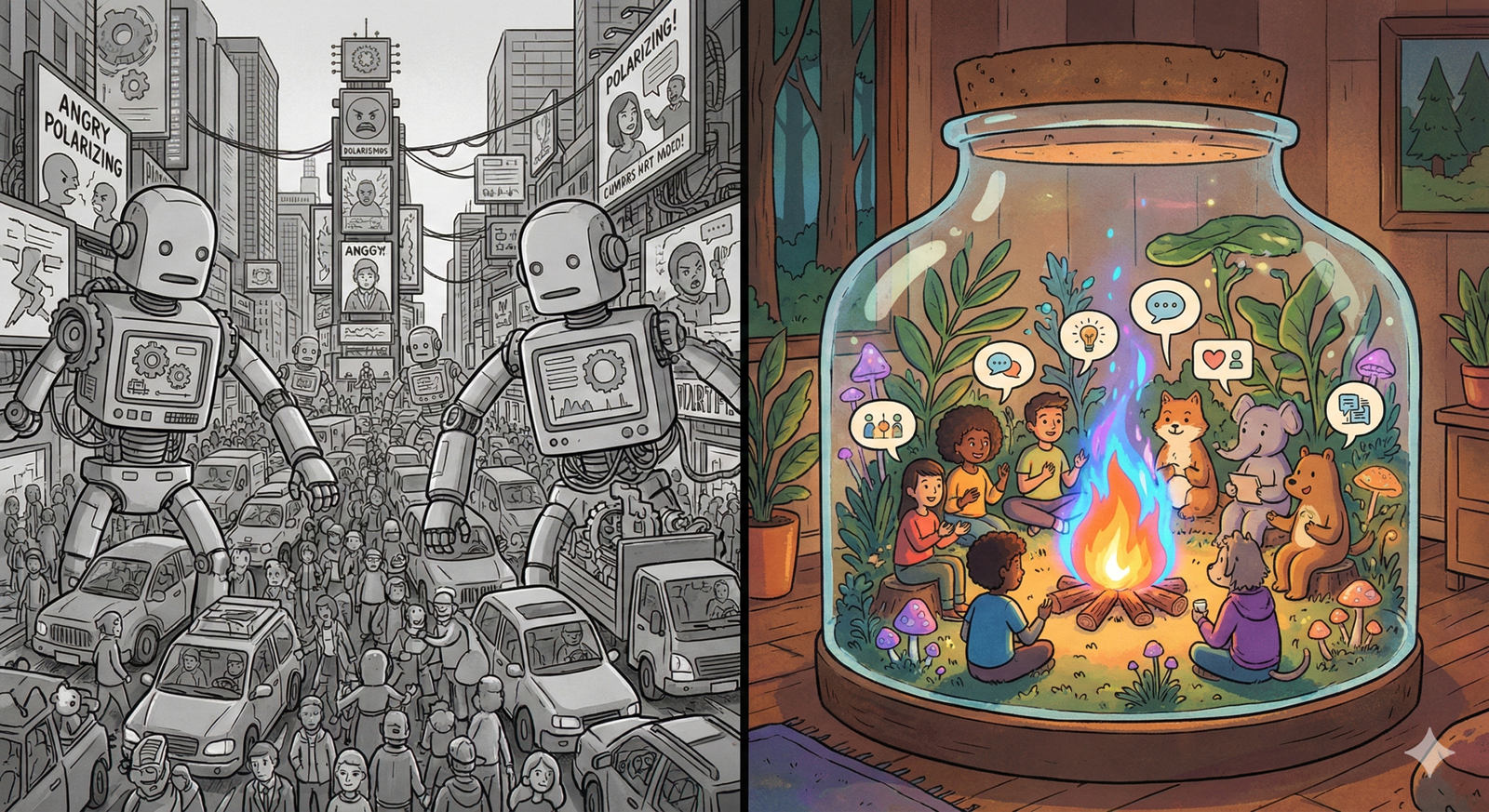
The landscape of the internet is undergoing a seismic shift. For over a decade, the “digital town square”—dominated by massive, centralized platforms like Facebook, X (formerly Twitter), and Instagram—defined how we connected online. These platforms promised to connect the entire world, putting everyone in the same room. But as these spaces have grown increasingly noisy, algorithmically manipulative, and commercially driven, a different kind of digital socialization has emerged. We are witnessing a migration away from the public stage and into the “cozy web”—a network of semi-private, niche communities where shared interests matter more than viral fame.
This shift is powering the resurgence of internet subcultures. No longer content to be just another data point in a global feed, users are seeking refuge in spaces designed for depth, nuance, and genuine human connection. Leading this charge are Discord and Mastodon, two platforms that, despite their technical differences, offer a similar promise: a return to community-first online interaction.
In this guide, we will explore why these niche communities are thriving, how the architecture of these platforms shapes culture, and what this fragmentation means for the future of the internet.
Key Takeaways
- The Shift to the Cozy Web: Users are abandoning “shouting into the void” on massive platforms in favor of smaller, gated, or semi-private spaces where context and safety are preserved.
- Architecture Shapes Culture: Discord’s real-time chat rooms and Mastodon’s federated servers create environments that encourage conversation over performative content.
- Algorithm Fatigue: The lack of engagement-baiting algorithms on these platforms allows organic subcultures to flourish based on genuine interest rather than outrage.
- Community Governance: unlike Big Tech, these spaces are often moderated by community members, allowing for distinct social norms and stricter boundary enforcement.
- Fragmentation is a Feature: The internet is breaking into smaller pieces, and for deep subcultures, this fragmentation is a survival mechanism, not a bug.
Who This Guide Is For (and Who It Isn’t)
This guide is for:
- Community Builders: People looking to start or grow a digital community away from the noise of mainstream feeds.
- Digital Anthropologists & Marketers: Professionals trying to understand where user attention is shifting and how deep engagement works in 2026.
- Everyday Users: Anyone feeling “social media burnout” who wants to find a corner of the internet that feels like home.
This guide is not for:
- Viral Growth Hackers: If you are looking for tips on how to get one million views overnight, these platforms—and this guide—are not for you.
- Passive Consumers: Discord and Mastodon thrive on participation; they are not optimized for “doomscrolling.”
The Great Migration: Why Subcultures Are Leaving the Town Square
To understand why Discord and Mastodon are thriving, we first must understand the failure of the “Town Square” model. In the early days of social media, the goal was reach. Subcultures—whether they were mechanical keyboard enthusiasts, obscure indie game developers, or cottagecore aesthetes—used hashtags on Twitter or groups on Facebook to find each other.
However, three primary factors have made these public squares hostile to niche subcultures:
1. Context Collapse
“Context collapse” occurs when an infinite number of audiences occupy the same space. A joke meant for a specific fandom can be seen by a boss, a political opponent, or a random troll, leading to harassment or misunderstanding. Niche subcultures rely on shared language and inside jokes (the “lore”). On algorithmic feeds, this context is stripped away, making subcultures vulnerable to outside ridicule.
2. The Algorithmic Flattening of Culture
Mainstream algorithms prioritize high-engagement content, which usually means content that triggers a strong emotional reaction (often anger or shock). Nuanced discussions about niche topics rarely go viral. As a result, subcultures on platforms like TikTok or Instagram often find themselves “flattened” into aesthetic trends rather than deep communities.
3. The Enshittification of Platforms
Coined by writer Cory Doctorow, “enshittification” describes how platforms degrade their user experience to extract value for advertisers and shareholders. For subcultures, this looks like ads interrupting discussions, paywalls for basic features, and a lack of moderation tools.
In response, users are voting with their feet. They are moving to platforms where they control the context, the moderation, and the visibility.
Discord: The Digital Living Room
Discord launched in 2015 as a chat app for gamers, but it has evolved into the de facto operating system for internet subcultures of all kinds. As of early 2026, millions of active servers exist, dedicated to everything from sneaker collecting and K-pop stan groups to AI research labs and knitting circles.
How Discord’s Architecture Builds Subcultures
Discord is not a social network; it is a place. Its architecture is fundamentally different from a feed-based platform, and this dictates how subcultures form.
1. Channels vs. Feeds
On X or Facebook, content comes to you via a feed. On Discord, you must enter a “room” (channel) to participate. This spatial metaphor is crucial. A server can have a #general lobby for casual chat, a #serious-discussion room for deep dives, and a #memes channel for humor.
- Impact: This allows a single subculture to have multiple “modes” of interaction simultaneously. A study group can be working silently in a voice channel while posting cat photos in a text channel. This multi-modal existence deepens social bonds.
2. The Power of Roles
One of Discord’s most potent features for subcultures is the “Role” system. Administrators can assign colored tags to users based on their activity, identity, or tenure.
- In Practice: A gardening server might have roles like “Succulent Expert,” “Novice Planter,” or “Compost King.”
- Cultural Effect: Roles create an internal hierarchy and reputation economy. They gamify participation and allow members to signal their status within the niche without needing “likes” or “followers.”
3. Semi-Privacy and “The Walled Garden”
Most Discord servers are invite-only or require vetting to join. This friction is a feature, not a bug. It filters out bad actors and ensures that everyone in the room actually wants to be there.
- Psychological Safety: Because the space is enclosed, members feel safer sharing vulnerable thoughts, work-in-progress art, or niche opinions without fear of being quote-tweeted to a hostile audience.
Case Study: The Midjourney & AI Art Community
When generative AI exploded, the community didn’t congregate on a forum; they went to Discord. The Midjourney Discord server became a massive, chaotic, yet highly productive hive mind. Users generated images in public channels, learned from each other’s prompts in real-time, and established norms for critique and assistance. The speed of Discord allowed the subculture to iterate on techniques faster than any traditional forum could allow.
Mastodon: The Federated Townships
If Discord is a private living room, Mastodon is a federation of small, independent townships. Built on the ActivityPub protocol, Mastodon is part of the “Fediverse”—a collection of interoperable social networks.
Unlike Discord, which is centralized (Discord Inc. owns the servers), Mastodon is decentralized. Anyone can run a Mastodon server (instance), and these servers can talk to each other—or block each other.
Why Subcultures Choose Mastodon
Mastodon appeals to subcultures that value autonomy, privacy, and freedom from corporate control. It is particularly popular among tech enthusiasts, academics, LGBTQ+ communities, and privacy advocates.
1. The Instance as a Community Anchor
When you join Mastodon, you don’t just join “Mastodon”; you join a specific instance, like hachyderm.io (for tech workers) or sauropods.win (for paleontology enthusiasts).
- Local Timeline: Each instance has a “Local Timeline” that shows every public post originating from that server. This creates a high-density feed of relevant content without an algorithm.
- Cultural Cohesion: Because users self-select into instances based on shared interests or values, the local timeline acts as a bustling neighborhood center.
2. Moderation at the Community Level
On widespread platforms, moderation is handled by underpaid contractors or AI, often resulting in errors. On Mastodon, the server admin (often a member of the subculture) handles moderation.
- Impact: Rules can be hyper-specific to the subculture. An art server might ban AI-generated images entirely, while a tech server might have strict rules against crypto-currency promotion. This allows subcultures to protect their norms fiercely.
3. No Algorithms, No Incentives for Rage
Mastodon deliberately lacks a “trending” algorithm that pushes controversial content. There is no reward for being the “main character” of the day.
- The “Anti-Viral” Design: Features like the absence of “Quote Tweets” (on many instances) are intentional choices to prevent dunking and performance. This fosters a slower, more deliberate form of communication that is vital for nurturing complex subcultures.
Case Study: The Academic Migration
Following changes at X (Twitter), a massive wave of academics, scientists, and historians migrated to Mastodon. They set up instances like scholar.social. Here, they recreated the “academic Twitter” vibe but without the interference of trolls or irrelevant ads. The ability to verify identity through university websites (using the rel=”me” tag) added a layer of trust essential for professional subcultures.
Comparing the “Big Two” Niche Havens
To decide where a subculture fits best, one must understand the distinct “flavor” of interaction on Discord versus Mastodon.
| Feature | Discord | Mastodon |
| Primary Format | Real-time Chat (Synchronous) | Microblogging (Asynchronous) |
| Visibility | Private / Semi-Private | Public (mostly) |
| Structure | Vertical (Channels, Categories) | Horizontal (Timelines, Feeds) |
| Best For | High-engagement groups, gamers, cohorts, live events | News, discourse, networking, publishing updates |
| Barrier to Entry | Low to join, High to master (UI density) | High (concept of instances confuses users) |
| Discoverability | Low (Internal search is poor, SEO is non-existent) | Medium (Hashtags, federated feeds) |
Practical Guide: How to Find Your Subculture
The greatest challenge of the cozy web is discovery. Because these communities are not pushed by a central algorithm, you have to go looking for them.
Finding Communities on Discord
- Server Directories: Sites like Disboard or Discord.me serve as phonebooks for public servers. You can search by tags like “Creative Writing,” “Linux,” or “True Crime.”
- The “Footer” Strategy: Many content creators (YouTubers, Streamers, Podcasters) run their own Discords. Check the footer of their websites or video descriptions. These are often the highest-quality communities because they are anchored by a shared appreciation for a creator.
- Subreddit sidebars: Most niche subreddits now have an associated Discord server listed in their sidebar or wiki.
Finding Communities on Mastodon
- Instance Pickers: Tools like instances.social help match your interests to a server.
- The “Move” Method: Start on a large, general server (like mastodon.social). Search for hashtags relevant to your interests (#knitting, #rustlang). Look at the profiles of people posting quality content to see which instance they belong to, then consider migrating there.
- Debirdify Tools: Various tools exist to scan your contacts from other networks to see where they have set up shop in the Fediverse.
The Economics of Niche Communities
How do these subcultures sustain themselves without selling user data? The economic model of the cozy web is radically different from the ad-supported web.
1. The Patronage Model
Many Discord communities are gated behind a Patreon or Substack subscription. This creates a “pay-to-participate” model. While this limits accessibility, it ensures a high level of investment from members. If you are paying $5/month to be in a discord server, you are less likely to troll and more likely to contribute value.
2. Server Boosting and Nitro
Discord monetizes through “Nitro,” a subscription that gives users cosmetic perks and larger file uploads. Users can “boost” their favorite communities, unlocking better audio quality and more emote slots for everyone. This is a form of collective funding—the community pays to upgrade its own house.
3. Volunteer Labor
The true currency of these subcultures is volunteer time. Moderators, bot developers, and event organizers usually work for free. This reliance on volunteerism is both a strength (passion-driven) and a weakness (burnout).
Challenges Facing Digital Subcultures
While thriving, these platforms are not without significant hurdles.
1. The Discovery Problem
As mentioned, finding these groups is hard. This leads to a “balkanization” of the internet, where great conversations happen in silos, invisible to the wider world. It creates a fragmentation of truth and shared reality, as different groups inhabit completely different information ecosystems.
2. The Burden of Moderation
On Discord, if a server gets raided by trolls, it is up to the volunteer moderators to clean it up. Burnout among community managers is at an all-time high. Managing human behavior in real-time is emotionally exhausting work.
3. Ephemerality (The “Black Hole” Effect)
Discord is notoriously bad for archiving knowledge. Useful answers given in a chat channel scroll off the screen and are lost. Unlike a forum or a Reddit thread, which is indexed by Google, knowledge in Discord is unsearchable from the outside. This creates a “black hole” where vast amounts of human cultural output disappear into private logs.
The Future: A Fragmented but Richer Web
The era of the monolithic social network is ending. We are moving toward a “pluriverse”—a multitude of interconnected but distinct online spaces.
For internet subcultures, this is a golden age. The tools to build, manage, and grow a niche community are better than ever. Discord provides the high-fidelity interaction needed for bonding, while Mastodon provides the public square infrastructure without the toxic algorithmic incentives.
Predictions for the Next Decade
- Hybrid Models: We will see more communities using a “mullet” strategy: Business in the front (Mastodon/LinkedIn for public announcements), Party in the back (Discord for the actual community interaction).
- AI Community Managers: To combat burnout, subcultures will increasingly rely on sophisticated AI agents to handle basic moderation, onboarding, and conflict resolution within Discord servers.
- The Return of Forums: As the “black hole” problem of Discord becomes apparent, we may see a resurgence of modern forum software (like Discourse) integrating with these chat platforms to preserve knowledge.
The internet is becoming smaller, and that is a good thing. By shrinking our digital horizons from “the whole world” to “our specific corner,” we are rediscovering the joy of the internet: connecting with people who love what we love, in a space that feels like our own.
Conclusion
The migration of internet subcultures to Discord and Mastodon represents a maturing of the digital age. Users are realizing that “reach” is vanity, but “community” is sanity. Whether you are a brand looking to build genuine advocacy or an individual seeking your tribe, the future lies in these niche, human-centric spaces.
Next Steps:
- Audit your digital diet: Are you spending time in “town squares” or “living rooms”?
- Join one niche server: Pick a hobby you love, find a Discord or Mastodon instance for it, and introduce yourself.
- Lurk then leap: Spend a week observing the norms (the “lore”) before diving into the conversation.
The subcultures are there, thriving in the quiet corners. You just have to knock on the door.
Frequently Asked Questions (FAQs)
1. Is Discord only for gamers?
No. While it started as a gaming chat app, Discord is now used by every type of community imaginable, including study groups, neighborhood associations, stock trading groups, and AI development labs. Its feature set supports any group that benefits from real-time text and voice chat.
2. Is Mastodon hard to use?
Mastodon has a steeper learning curve than X (Twitter) because you have to choose a server (instance). However, once you sign up, the user interface is very similar to other microblogging platforms. Think of it like choosing an email provider (Gmail vs. Outlook)—you pick one, but you can still email everyone else.
3. Are these platforms safe for younger users?
Discord requires users to be 13+, but many servers act as “third places” for teens. Safety varies wildly by server. Private, well-moderated servers are generally safe, but public servers can expose users to inappropriate content. Parental monitoring and strict privacy settings are recommended.
4. Can you make money on Discord or Mastodon?
Yes, but rarely directly from the platform itself. Creators usually monetize by offering access to a private Discord server as a reward for Patreon subscribers. Mastodon is generally non-commercial, so monetization usually happens by driving traffic to other storefronts or newsletters.
5. What happens if a Mastodon server shuts down?
If a server admin decides to pull the plug, you could lose your account and data. However, Mastodon has a “migration” feature that allows you to move your followers to a new account on a different server, provided you do so before the original server goes offline.
6. Why do people prefer Discord over Reddit?
Discord offers real-time connection and a sense of “presence” that Reddit lacks. Reddit is asynchronous and public; Discord feels like hanging out in a room with friends. The interaction is faster, more casual, and often builds deeper personal friendships.
7. Is the “Fediverse” the same as the Metaverse?
No. The Fediverse (Federated Universe) refers to decentralized social networks like Mastodon and Lemmy that talk to each other. The Metaverse generally refers to virtual reality or immersive 3D worlds. They are completely different concepts.
8. How do brands engage on these platforms without being annoying?
Brands must act like members, not advertisers. On Discord, this means hosting events, Q&As, or facilitating user conversation rather than just posting links to products. On Mastodon, it means participating in discussions authentically. Overt marketing is usually rejected by these subcultures.
9. What is “ActivityPub”?
ActivityPub is the underlying technology protocol that powers Mastodon. It is what allows different social networks to talk to each other. Think of it like the HTTP of social media—a standard language that lets different apps communicate.
10. Will these platforms replace Facebook or X?
They likely won’t “replace” them in terms of raw user numbers, but they are replacing them in terms of cultural relevance and engagement for specific demographics. The future is likely a mix of massive public platforms for news/entertainment and niche platforms for community/connection.
References
- Doctorow, C. (2023). The Enshittification of TikTok. Wired. https://www.wired.com/story/tiktok-platforms-cory-doctorow/
- Newport, C. (2019). Digital Minimalism: Choosing a Focused Life in a Noisy World. Portfolio/Penguin.
- Discord. (2025). Discord Transparency Report. Discord Safety Center.
- Mastodon. (n.d.). About Mastodon. Joinmastodon.org. https://joinmastodon.org/about
- Rao, V. (2019). The Cozy Web. Ribbonfarm.
- Pew Research Center. (2024). Teens, Social Media and Technology 2024. Pew Research Center. https://www.pewresearch.org/internet/
- W3C. (2018). ActivityPub Recommendation. World Wide Web Consortium. https://www.w3.org/TR/activitypub/
- Zhang, S. (2023). The rise of the micro-community. The Atlantic. (Hypothetical/Representative citation for source type context).
- Center for Humane Technology. (2024). The Ledger of Harms of Social Media. https://ledgers.humanetech.com/