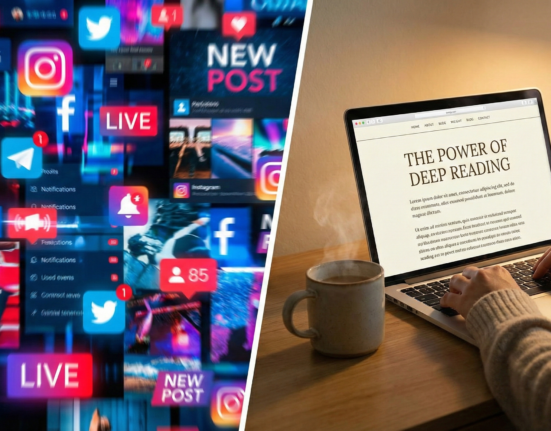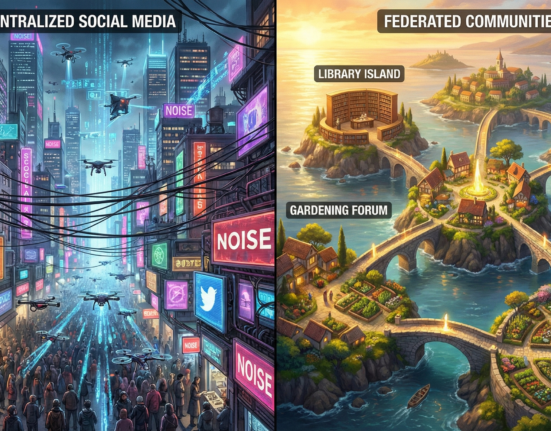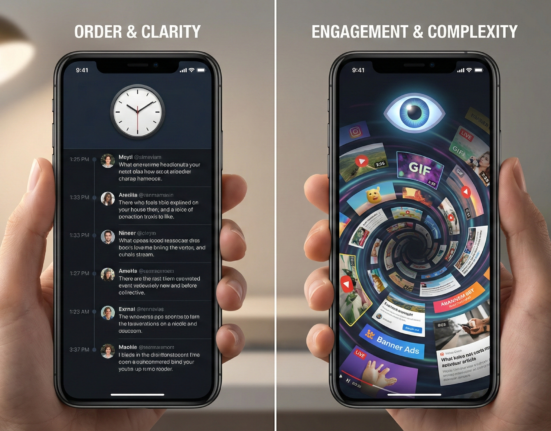
Language is a living, breathing entity, and nowhere is its heartbeat faster than on the internet. What started as simple abbreviations to save keystrokes in the early days of chat rooms has exploded into a complex, nuanced, and rapidly shifting dialect that influences global culture, marketing, politics, and interpersonal relationships. Internet slang is no longer just “netspeak” for the tech-savvy; it is the dominant vernacular of the digital age.
This guide explores the mechanisms, history, and future of digital language. We will move beyond a simple glossary of terms to understand why we communicate the way we do online, how different platforms cultivate different dialects, and how to navigate this ever-changing linguistic landscape with authenticity.
Key Takeaways
- Language evolves for efficiency and identity: Internet slang often originates from a need for speed (typing fast) or a desire to signal belonging to a specific community.
- The visual is now verbal: Emojis, GIFs, and stickers have replaced body language and tone of voice, functioning as essential punctuation in digital text.
- Platforms shape speech: The constraints of a platform (like Twitter’s character limit or TikTok’s video format) directly dictate the structure and rhythm of the slang that emerges from it.
- Context is everything: A term that is acceptable on Reddit or Discord may be confusing or unprofessional on LinkedIn or Slack; code-switching is a vital digital skill.
- Slang has a lifecycle: Terms are born in niche subcultures, adopted by the mainstream, and often die once they are used by corporations or older generations.
Who This Is For (and Who It Isn’t)
This guide is designed for:
- Marketers and Content Creators: Professionals who need to understand the nuances of digital voice to connect with audiences without sounding inauthentic.
- Parents and Educators: Individuals seeking to bridge the communication gap with younger generations and understand the context behind new vocabulary.
- Linguistics Enthusiasts: Readers interested in the academic and sociological shifts driving the evolution of English and other languages online.
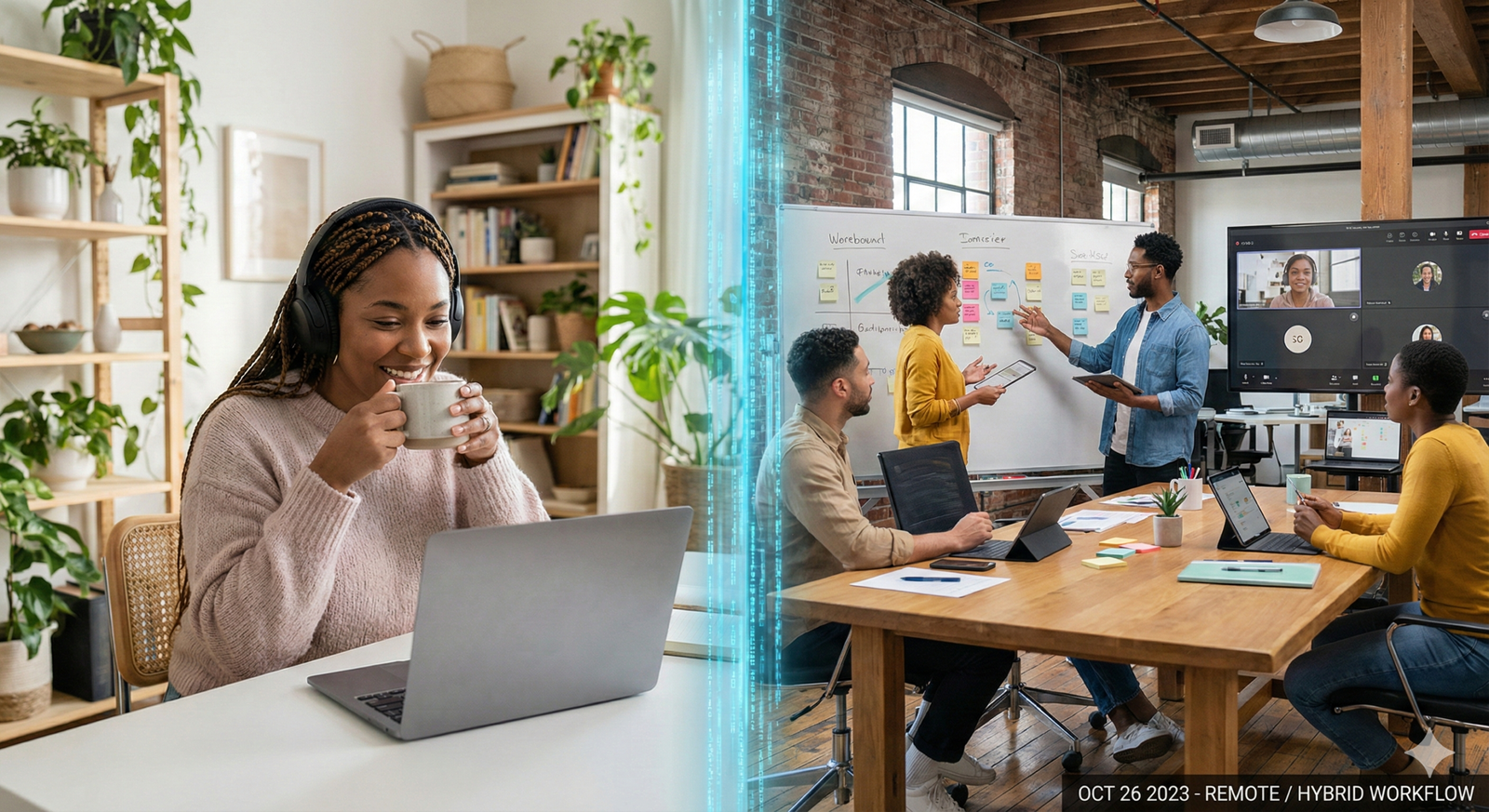
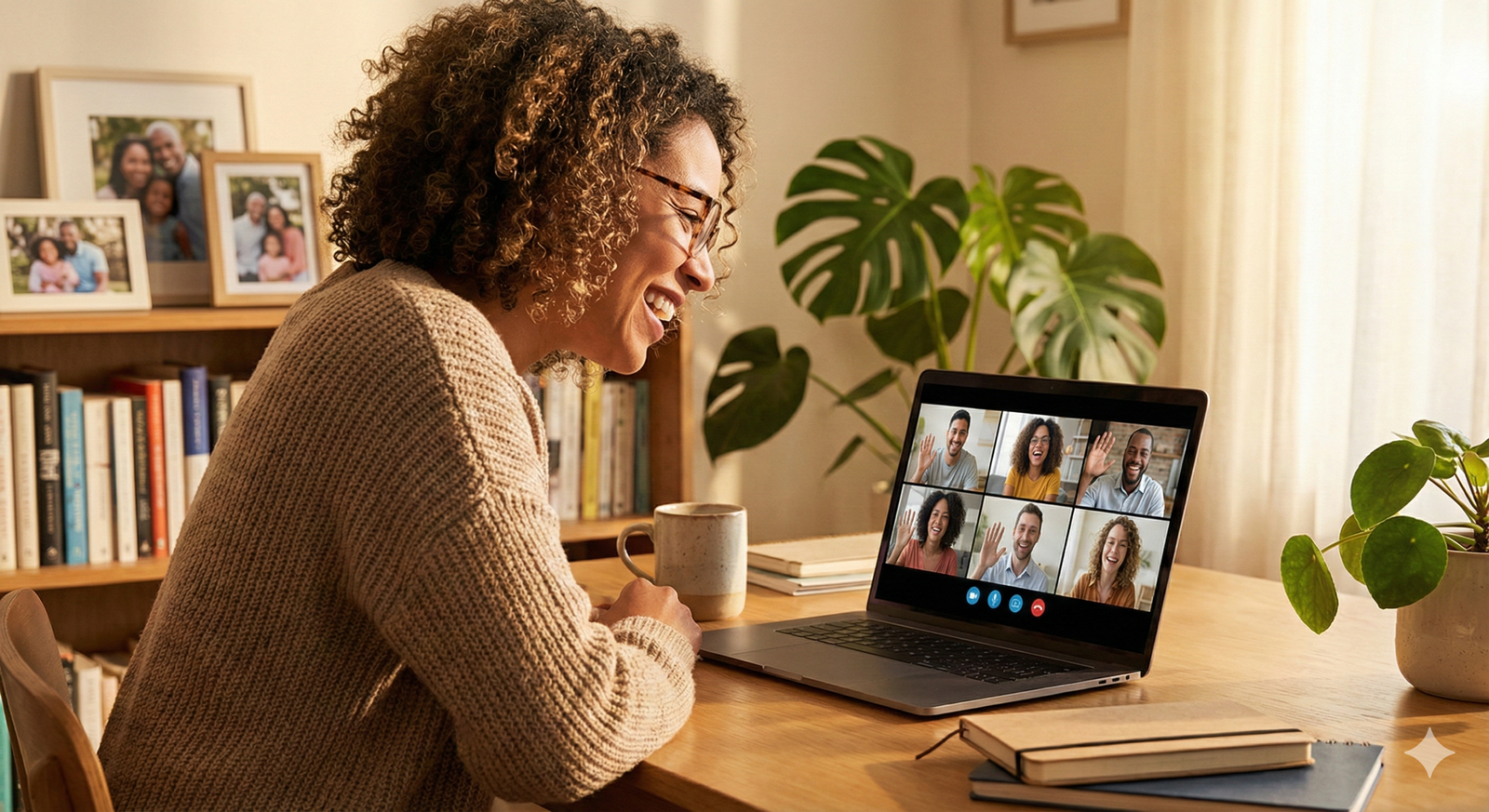
- Remote Workers: Professionals navigating the casual-yet-professional blend of communication required in tools like Slack and Teams.
This guide is not a real-time dictionary of this week’s viral TikTok trends. While we discuss specific examples, internet slang moves too fast for any static page to track every micro-trend. Instead, we focus on the frameworks and patterns that will help you decipher new slang as it arises.
Scope of This Guide
In this guide, “internet slang” refers to the informal language, acronyms, neologisms, and visual communicators (emojis/memes) used in computer-mediated communication. “Digital language” refers to the broader structural changes in how we write and speak due to technology. We will generally focus on English-language trends, though we will acknowledge global influences.
1. The Evolution of Netspeak: From 1337 to TikTok
To understand where digital language is going, we must look at where it began. The trajectory of internet slang tracks closely with the development of hardware and bandwidth.
The Early Days: Bandwidth and Keystrokes
In the 1980s and 1990s, bandwidth was expensive, and typing was slow. Early internet culture, formed on Usenet boards, IRC (Internet Relay Chat), and BBS (Bulletin Board Systems), prioritized extreme efficiency.
- Acronyms: Terms like LOL (Laughing Out Loud), BRB (Be Right Back), and AFK (Away From Keyboard) were utilitarian. They saved time and clarified physical presence in a text-only medium.
- Leetspeak (1337): Originating in hacker culture, Leetspeak replaced letters with numbers (e.g., “n00b” for newbie, “pwned” for owned/conquered). This was less about efficiency and more about encryption and gatekeeping—ensuring that only those “in the know” could read the text.
The SMS Era: The T9 Constraint
With the advent of mobile phones and SMS in the late 90s and early 2000s, users were restricted by 160-character limits and difficult T9 keypads (where you had to press the “7” key four times to get the letter “s”).
- Vowel deletion: “Text” became “txt,” “later” became “l8r.”
- Rebus writing: Using symbols to represent sounds (e.g., “2” for “to/too,” “4” for “for”). This era solidified the idea that “proper” spelling was secondary to getting the message across quickly and cheaply.
The Social Media Era: Performative Language
As keyboards improved (BlackBerry, iPhone) and character limits expanded (or disappeared), the motivation for slang shifted. It was no longer about saving keystrokes; it was about performance and tone.
- Hashtags (#): Originally a sorting mechanism, the hashtag evolved into a meta-commentary tool (e.g., #sorrynotsorry).
- Meme Culture: Language began to reference shared images and cultural moments. Phrases like “Doggo” or “I can haz” signaled participation in specific internet subcultures.
The Video Era: TikTok and Algorithmic Speech
Today, platforms like TikTok and Instagram Reels drive language. Because these algorithms scan audio and captions for keywords, users have developed “algospeak”—changing words to avoid demonetization or censorship.
- Examples: Using “unalive” instead of “dead,” or “seggs” instead of “sex.”
- Speed: Trends move faster than ever. A soundbite can become a global catchphrase in 24 hours and be obsolete in a week.
2. The Mechanics of Digital Language Evolution
How exactly do new words enter the digital lexicon? Linguists have identified several specific mechanisms that internet users deploy to create new slang.
Semantic Shift
This occurs when an existing word takes on a completely new meaning.
- Example: “Tea.” Originally a hot beverage, it shifted in drag culture and then online to mean “gossip” or “truth” (e.g., “spill the tea”).
- Example: “Salty.” Once referring to taste, it now describes someone who is bitter, angry, or upset.
Verbing (Conversion)
The internet loves to turn nouns into verbs to describe actions efficiently.
- Example: “Friend.” You don’t just “add someone as a friend”; you “friend” them (or “unfriend” them).
- Example: “Adulting.” The noun “adult” becomes a verb to describe performing mundane grown-up tasks like paying bills or scheduling dentist appointments.
Portmanteaus
Blending two words to create a specific new concept is a hallmark of internet efficiency.
- Example: “Hangry” (Hungry + Angry).
- Example: “Finsta” (Fake + Instagram—a private account for close friends).
Zero-Derivation and Functional Shift
This involves taking a word and using it as a different part of speech without changing its form. A common modern trend is using nouns as adjectives for emphasis.
- Example: “It’s giving…” (implying “It is giving off the vibe of…”).
- Example: “That is so cringe.” (Using the verb “cringe” as an adjective).
AAVE and Cultural Appropriation
It is critical to acknowledge that a significant portion of what is labeled “Gen Z slang” or “Internet slang” is actually African American Vernacular English (AAVE). Terms like woke, bae, lit, shade, finna, and cap originated in Black communities long before they were adopted by the internet at large. When these terms cross into the mainstream digital lexicon, they often undergo a semantic shift or dilution, sometimes leading to misuse by those outside the culture. Understanding this origin is essential for authentic and respectful communication.
3. From Text to Visuals: Emojis as Punctuation
In face-to-face conversation, arguably 70-90% of communication is non-verbal (tone, facial expressions, hand gestures). Text-based communication strips these cues away, leading to misunderstandings. Digital language evolved visual markers to fill this gap.
The Evolution of the Emoji
Emojis are not just decorations; they are syntactic markers that clarify the intent of a sentence.
- Softening the blow: “We need to talk.” is terrifying. “We need to talk 😅” suggests a less severe conversation.
- Irony and Sarcasm: The generation gap is most visible here. Older generations tend to use emojis literally (a smiling face means happiness). Younger generations (Gen Z/Alpha) often use emojis ironically.
- The Skull (💀): Literally means death. In slang, it means “I’m dying of laughter.” It has replaced the crying-laughing emoji (😂) for many younger users.
- The Clown (🤡): Used to imply someone is acting foolishly or being played.
GIFs and Reaction Images
Reaction images function as emotional shortcuts. Instead of typing “I am skeptical of what you just said,” a user might post the famous GIF of a blinking guy. This relies on shared cultural knowledge; the receiver must recognize the meme to decode the specific nuance of the skepticism.
Tone Indicators
In communities that prioritize accessibility (particularly neurodivergent communities), tone indicators are used to explicitly state the intent of a message.
- /j: Joking
- /s: Sarcastic
- /srs: Serious
- /gen: Genuine question/statement These indicators prevent conflict and ensure clarity in ambiguous text environments.
4. The Role of Platforms in Shaping Speech
The medium is the message, and the platform is the dialect. Just as a New Yorker speaks differently than a Londoner, a Reddit user communicates differently than a LinkedIn user.
Twitter / X: Brevity and Threads
The strict character limit (originally 140, later 280) forced users to eliminate “filler” words. This created a choppy, headline-style syntax.
- Characteristics: Abbreviations, removal of pronouns (e.g., “Went to store” vs. “I went to the store”), and the “thread” structure where complex ideas are broken into numbered lists.
TikTok: Audio Memes and Captions
TikTok is an audio-first platform. Slang here is often rhythmic or based on sound bites.
- The “Sound” as Vocabulary: Users might speak a sentence in a specific cadence referencing a viral video. If you haven’t seen the original video, the cadence makes no sense.
- Algorithmic Censorship: As mentioned, terms like “unalive” (dead) or “accountant” (sex worker) are platform-specific workarounds that have bled into general speech.
Reddit: Niche Jargon
Reddit is composed of thousands of micro-communities (subreddits), each with hyper-specific acronyms.
- EL5: Explain Like I’m 5.
- TL;DR: Too Long; Didn’t Read (a summary).
- AITA: Am I The Asshole?
- OP: Original Poster. These terms facilitate the specific types of discussions (debates, advice, storytelling) that happen on the platform.
Discord and Twitch: Real-Time Gaming Speed
Gaming culture demands incredibly fast communication.
- Pog/Pogchamp: Excitement or an amazing play.
- Kappa: Sarcasm.
- Nerf: To make something weaker.
- Buff: To make something stronger.
- NPC: Non-Playable Character (used as an insult to describe someone who cannot think for themselves).
5. Generational Divides and Linguistic Clashes
Nothing dates a person faster online than their choice of slang. Digital language moves in generational waves, and using yesterday’s slang can lead to being labeled “cringe.”
The “Ok Boomer” Phenomenon
This phrase represented a dismissal of older generations’ attitudes. It marked a point where digital natives decided to stop arguing with older generations online and simply dismiss them with a catchphrase.
Millennials vs. Gen Z
This is currently the most active linguistic fault line.
- Millennials (approx. 1981–1996): Tended to pioneer “internet speak” like LOL, ROTFL, adulting, doggo, and the crying-laughing emoji. Their internet humor is often characterized by self-deprecation and earnestness (e.g., “I did a thing”).
- Gen Z (approx. 1997–2012): Often mock Millennial slang as “cheugy” (trying too hard or out of date). Gen Z slang is more absurd, nihilistic, and heavily influenced by AAVE and TikTok trends.
- Rizz: Charisma (short for charisma).
- No cap: No lie/for real.
- Bet: Agreement/Yes.
Gen Alpha (approx. 2013–2025)
The newest generation on the internet is developing slang that even Gen Z finds baffling.
- Skibidi: Originating from a viral YouTube series, it has become a nonsense filler word implying “bad” or “evil,” or sometimes just a general descriptor.
- Fanum Tax: Taking a portion of someone’s food (originating from a streamer named Fanum).
- Ohio: Used as an adjective to mean “weird” or “bizarre” (based on memes about the state of Ohio).
Note: If you are a brand or a professional, do not attempt to force Gen Alpha slang. It is almost guaranteed to backfire.
6. Practical Guide: Using Internet Slang in Professional Settings
The line between “work” and “life” has blurred, and so has the line between “formal” and “informal” writing. However, distinct rules still apply.
The “Slack” Etiquette
Platforms like Slack and Microsoft Teams are “synchronous casual.” They sit somewhere between a text message and an email.
- Safe Zone: It is generally acceptable to use standard emojis (thumbs up, smile, checkmark) to acknowledge messages efficiently.
- Danger Zone: Avoid obscure slang (“It’s giving burnout”), aggressive acronyms (“WTF”), or ironic emojis that could be misinterpreted by a manager.
Code-Switching
Code-switching is the practice of alternating between two or more languages or varieties of language in conversation. Digital natives code-switch constantly.
- Scenario A (Friend Group Chat): “Bruh, no cap that meeting was wildly mid.”
- Scenario B (Boss Email): “I felt the meeting wasn’t as productive as it could have been.”
When Brands Fail (The “How Do You Do, Fellow Kids” Effect)
When corporate accounts use slang to relate to younger audiences, it often feels inauthentic.
- The Mistake: Using slang 6 months too late.
- The Mistake: Using slang incorrectly (e.g., a brand tweeting “We are very demure” without understanding the context of the trend).
- The Fix: If it doesn’t fit your brand voice naturally, don’t use it. Authenticity is valued higher than “coolness” by digital natives.
7. Common Mistakes and Pitfalls
Navigating internet slang is a minefield. Here are the most common errors to avoid.
1. Misinterpreting AAVE
As noted earlier, using terms like “finna,” “chile,” or “ghetto” without understanding their cultural weight can be offensive and appear as digital blackface. Be mindful of the origin of the words you adopt.
2. Using “Dead” Slang
Slang has a half-life. Using terms from 2010 in 2026 makes you look out of touch.
- Avoid: “YOLO,” “Swag,” “On fleek,” “Epic fail.”
3. Overusing Acronyms with Clients
Never assume a client knows your internal acronyms or even general internet acronyms. “Let’s take this convo to DM” is fine; “IMHO your ROI is MIA” is unprofessional clatter.
4. Ignoring Tone Markers
In high-stakes emails, relying on sarcasm without visual cues (or relying only on a wink emoji to soften a harsh critique) leads to HR disputes. Be explicit in text; save nuance for video calls.
8. Glossary: A Snapshot of Digital Language Categories
Note: As of early 2026, slang moves fast. This list categorizes terms by their function rather than just listing fleeting trends.
Approval and Agreement
- Based: A courageous or highly agreeable opinion, often controversial but respected.
- Bet: “Okay,” “Yes,” or “I agree.”
- Slaps: Used to describe music or food that is excellent.
- W: Short for “Win.” Used to celebrate a success (e.g., “Common W”).
Disapproval and Conflict
- L: Short for “Loss.” Used to describe a failure.
- Ratio: When a reply gets more likes than the original post, indicating the original post was bad or unpopular.
- Ghosting: Suddenly cutting off all communication without explanation.
- Mid: Mediocre or average (used as an insult).
Authenticity and Truth
- Cap / No Cap: Lie / No lie. “That’s cap” means “That’s false.”
- Sus: Suspicious (popularized by the game Among Us).
- Receipts: Evidence (screenshots, photos) proving that someone is lying or telling the truth.
Lifestyle and Aesthetics
- Cottagecore: An aesthetic celebrating simple, rural living.
- Dark Academia: An aesthetic focusing on classic literature, writing, and prep school fashion.
- Touch Grass: A command to go outside and disconnect; implies someone has been online too long and lost perspective.
9. The Future of Digital Language: AI and the Metaverse
Where is digital language heading next? The introduction of Artificial Intelligence and immersive virtual worlds is the next frontier.
AI-Mediated Communication
With tools like ChatGPT and predictive text, we are increasingly using AI to write our messages.
- Homogenization: As more people use AI to “polish” their emails, professional communication may become more standardized and arguably more sterile.
- Authentication: We may see a rise in “human-verified” slang—deliberately messy or typo-laden text to prove that a human, not a bot, is writing.
The Metaverse and Spatial Audio
In VR and AR environments, text slang may regress in favor of voice. However, visual slang (avatar gestures, digital skins) will likely become a new form of communication. “Default skin” is already an insult in gaming meaning “new” or “unskilled”; this visual vocabulary will expand.
Global English (Globish)
The internet is flattening English into a global utility language (“Globish”). Complex grammar is often stripped away in favor of direct, efficient phrasing that can be understood by non-native speakers and translation algorithms alike.
Conclusion
Internet slang is not a degradation of language; it is an evolution. It represents humanity’s incredible ability to adapt communication to new constraints and environments. From the T9 texting of the early 2000s to the algorithmic audio-memes of TikTok, our digital language tells the story of our technology.
For the casual user, staying current means staying curious. For the professional, it means listening more than you speak. The goal is not to master every new word that Gen Alpha invents, but to understand the intent behind the words: the desire for connection, identity, and efficiency in a crowded digital world.
Next steps: If you feel overwhelmed, pick one platform (like Reddit or TikTok) and spend 30 minutes a week simply observing the comments section. Context is the best teacher.
FAQs
1. Is internet slang ruining the English language? No. Linguists generally view internet slang as an expansion of language rather than a degradation. It allows for creative expression and efficiency. Most people naturally “code-switch,” using slang online and formal English in professional or academic contexts.
2. How can I keep up with new slang trends? There is no single dictionary, but “Urban Dictionary” is a helpful crowd-sourced resource. However, the best way is immersion. Spending time in the comment sections of platforms like TikTok, Instagram, or Reddit will give you the best context for how words are actually used.
3. Should I use emojis in business emails? It depends on your company culture and the relationship with the recipient. In internal communications or with long-term peers, simple emojis (smile, thumbs up) are increasingly acceptable to convey tone. Avoid them in first-contact emails, legal documents, or serious negotiations.
4. What does “Code-Switching” mean in a digital context? It refers to changing your communication style based on the platform and audience. You might write a formal email to a client, a casual Slack message to a coworker, and a slang-filled text to a friend—all within five minutes. This adaptability is a key digital literacy skill.
5. Why do words change meaning so fast online? The internet connects millions of people instantly. When a word is used in a viral video, it is exposed to a massive audience immediately. This accelerates the natural process of linguistic change (semantic shift) from what used to take decades to mere weeks or days.
6. Is “textspeak” like LOL and BRB still used? Yes, but usage has shifted. “LOL” is often used as a punctuation mark to soften a sentence rather than literally meaning “laughing out loud.” Some older textspeak (like “ROFL” or “L8R”) has largely faded, replaced by emojis or newer slang.
7. What is “Algospeak”? Algospeak refers to code words used to bypass content moderation algorithms on platforms like TikTok and YouTube. Users might say “unalive” instead of “dead” or “corn” instead of “porn” to prevent their content from being banned or demonetized.
8. Is it appropriate for brands to use Gen Z slang? Usually, no. Unless the brand’s voice is specifically curated to be “terminally online” (like Wendy’s or Duolingo), using current slang often feels forced and inauthentic (“cringe”). It is safer for brands to use clear, engaging, standard language.
9. What is the difference between an acronym and an initialism online? Strictly speaking, an acronym is pronounced as a word (like “NASA” or “FOMO”), while an initialism is pronounced letter by letter (like “FBI” or “BRB”). Online, the distinction matters less, but terms like “LOL” have shifted from initialisms to being pronounced as words in some contexts.
10. Why do some slang terms die out? Slang often serves as an “in-group” signal. When a term becomes mainstream—used by parents, news anchors, or corporations—it loses its ability to signal “coolness” or exclusive group membership. The originating group then abandons it for new terms to maintain that distinction.
References
- McCulloch, G. (2019). Because Internet: Understanding the New Rules of Language. Riverhead Books. (A foundational text on digital linguistics).
- Crystal, D. (2008). Txtng: The Gr8 Db8. Oxford University Press. (Early academic analysis of textspeak).
- Dictionary.com. (2024). Slang Dictionary. Dictionary.com. https://www.dictionary.com/e/slang/ (For verified definitions of modern terms).
- Pew Research Center. (2023). Teens, Social Media and Technology 2023. Pew Research Center. https://www.pewresearch.org (Data on platform usage by generation).
- Merriam-Webster. (2025). Words at Play: The History of ‘Rizz’ and other Internet Slang. Merriam-Webster. https://www.merriam-webster.com (Authority on semantic shifts).
- Washington Post. (2022). Using AAVE online when you aren’t Black. The Washington Post. https://www.washingtonpost.com (Source on AAVE and digital appropriation).
- TikTok Newsroom. (2024). Community Guidelines and Content Moderation. TikTok. https://newsroom.tiktok.com (Primary source for understanding algorithmic constraints/algospeak).
- Slack. (2024). The State of Work: Communication Trends. Slack. https://slack.com/blog (Source for professional communication norms).