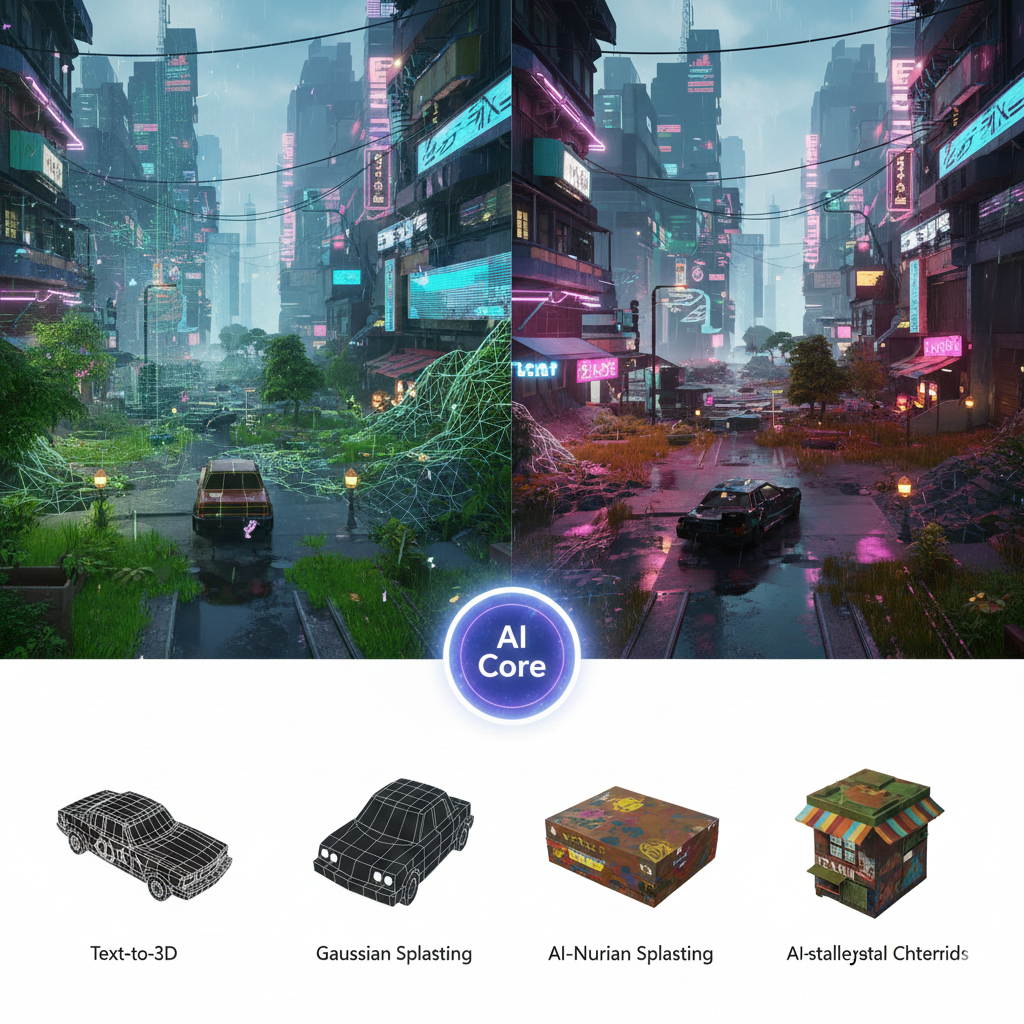
The integration of robotics into our metropolitan landscapes is no longer a concept of science fiction; as of March 2026, it is a living reality shaping how we navigate, build, and interact with our environment. Robotics in urban design refers to the strategic deployment of autonomous systems, AI-driven machinery, and sensor-based infrastructure to optimize the functions of a city. This evolution moves beyond simple automation, influencing the very physical layout of our streets, the height of our buildings, and the flow of human movement.
Key Takeaways
- Reclaiming Space: Autonomous vehicles and robotic parking systems are reducing the need for massive parking lots, allowing cities to convert asphalt into green spaces.
- The Sidewalk Revolution: Last-mile delivery robots are redefining curb management and pedestrian right-of-way.
- Infrastructure Maintenance: Robotics in construction and maintenance (like pothole-filling bots) ensures safer, longer-lasting urban assets with less human risk.
- Human-Centric Design: Despite the “high-tech” label, the primary goal of urban robotics is to enhance accessibility, safety, and sustainability for residents.
Who This Is For
This deep dive is crafted for urban planners, municipal policymakers, real estate developers, and tech enthusiasts. It is also for the everyday citizen who wants to understand how the “smart city” initiatives of 2026 will change their daily commute, their privacy, and their local neighborhood’s aesthetic.
1. The Death of the Parking Lot: How Autonomous Mobility Reshapes Land Use
For the better part of a century, urban design was dictated by the needs of the internal combustion engine. Cities were designed around the requirement to store idle vehicles for 95% of their lifespan. Robotics is fundamentally dismantling this constraint.
From Storage to Living Space
In March 2026, we are seeing a massive shift toward Autonomous Mobility as a Service (AMaaS). When vehicles are robotic and shared, they do not need to park in high-value downtown areas. They simply drop off a passenger and move to the next, or retreat to a peripheral charging hub.
Urban planners are now “daylighting” areas previously smothered by multi-story parking garages. These structures are being retrofitted into vertical farms, affordable housing units, or robotic logistics hubs. The impact on urban design is profound: the “street wall” is becoming more porous, and the heat island effect is mitigated as asphalt is replaced by permeable pavers and vegetation.
Robotic Valet and Micro-Garages
For the vehicles that still require proximity, robotic parking systems (RPS) have become standard in new developments. These systems use automated platforms to stack cars in ultra-dense configurations, requiring 50% less space than traditional ramps. This efficiency allows developers to meet zoning requirements while dedicating more square footage to public plazas or wider sidewalks.
2. Last-Mile Logistics and the “New” Sidewalk
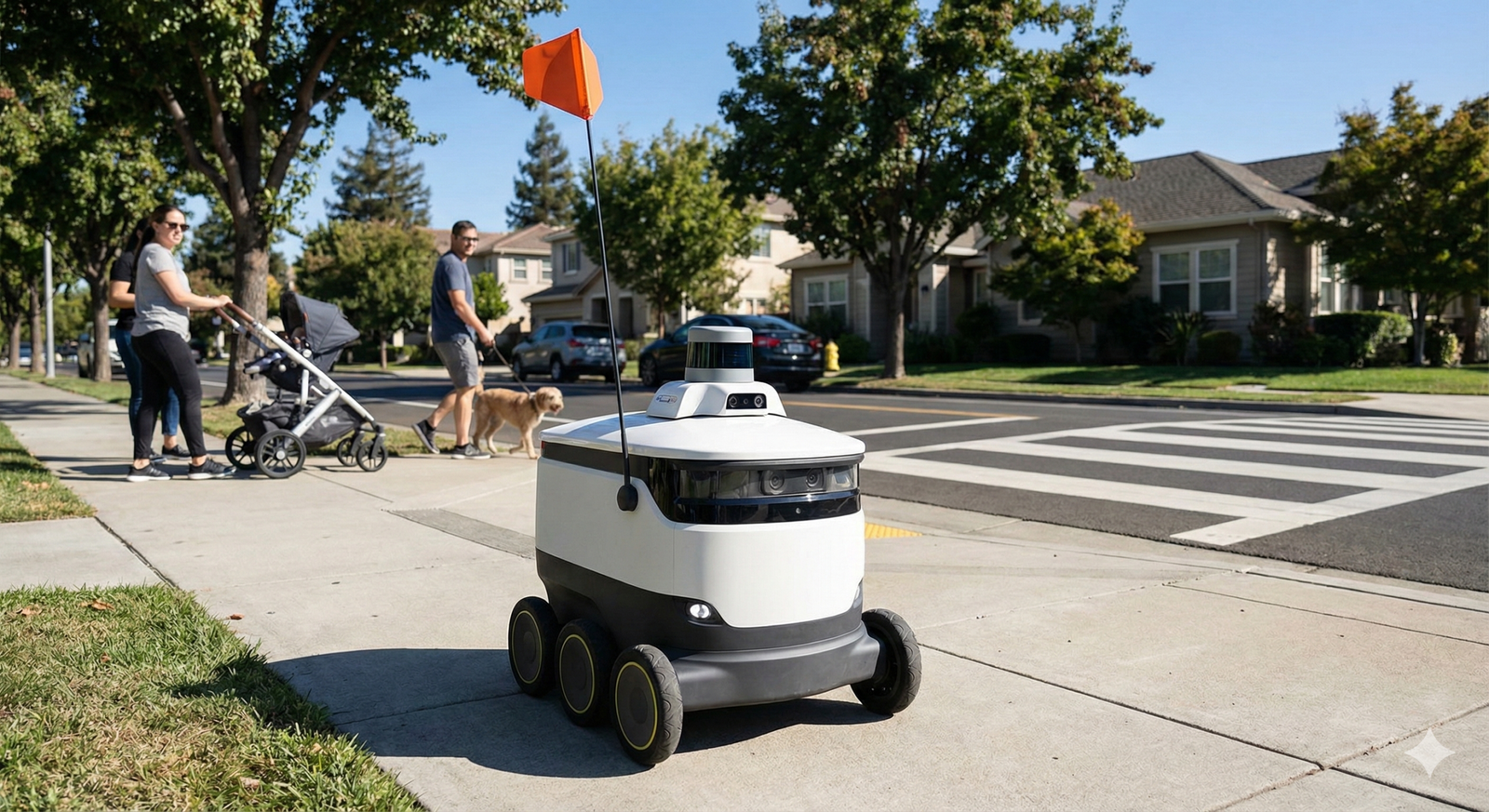
The most visible impact of robotics on city mobility is at the ground level. Last-mile delivery—the final leg of a product’s journey from a warehouse to a doorstep—has been largely taken over by sidewalk robots and autonomous delivery vans.
The Anatomy of the 2026 Sidewalk
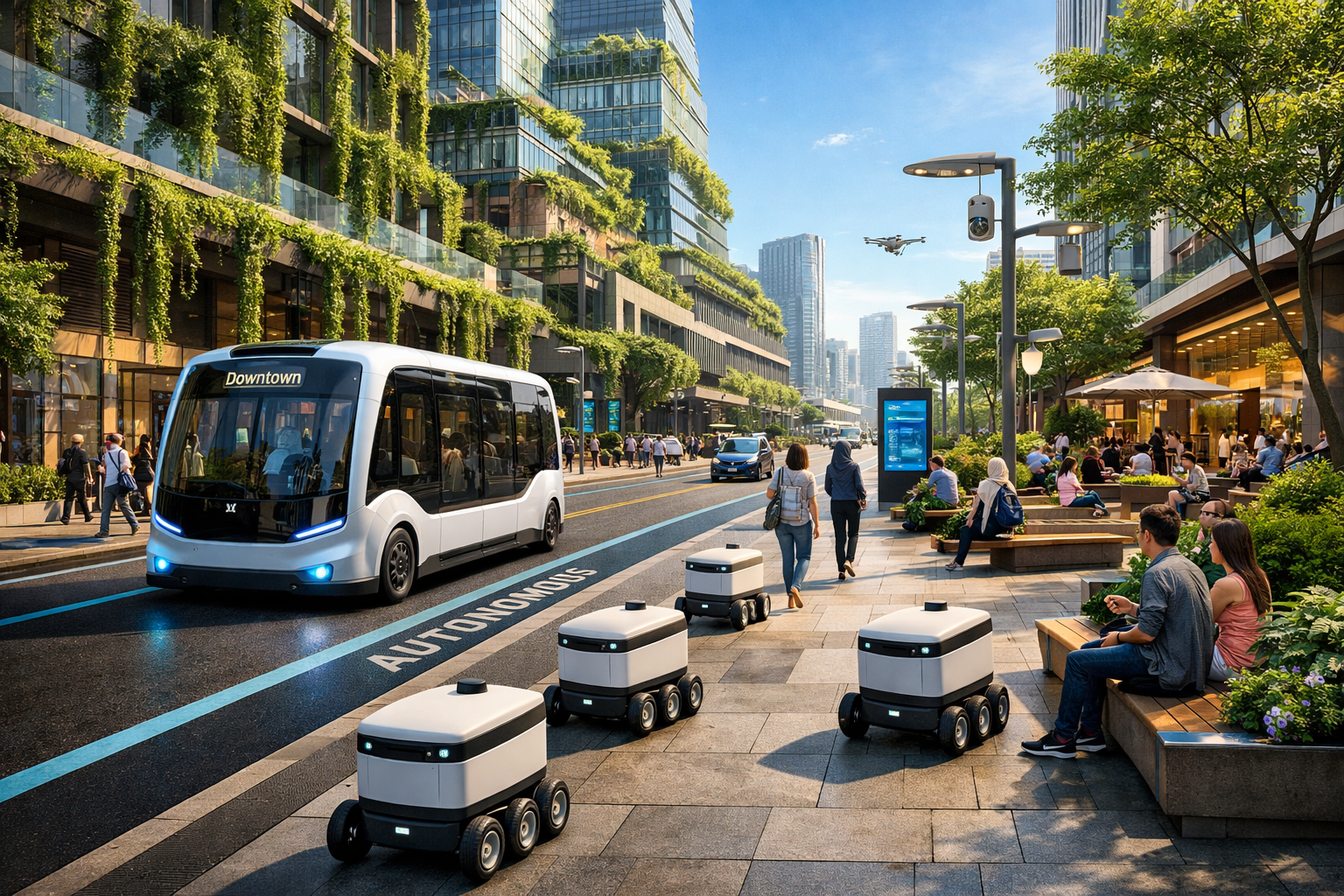
Sidewalks are no longer just for walking. Modern urban design now incorporates “lanes” for different speeds of movement.
- The Pedestrian Zone: Reserved for humans, strollers, and wheelchairs.
- The Robot Lane: A dedicated strip for delivery bots (like those from Starship or Amazon) to move without obstructing human traffic.
- The Flex Zone: The area near the curb where robots can dock, recharge, or wait for a recipient to unlock their cargo.
Curb Management
The “curb” has become the most contested piece of real estate in the city. Robotics requires a digital curb—a system where the city can manage delivery bot traffic in real-time. This prevents “bot-jams” and ensures that emergency vehicles always have priority. Cities that fail to design for this see cluttered walkways, leading to a “Common Mistake” in urban planning: treating robots as an afterthought rather than a core stakeholder in transit.
3. Aerial Robotics: The Urban Canopy and Vertiports
Drones have moved from hobbyist toys to essential urban tools. As of March 2026, many cities have established “low-altitude corridors” for medical deliveries and urgent logistics.
Designing for the Vertical City
Urban design is expanding upward. We are seeing the rise of Vertiports—small-scale landing pads on the roofs of office buildings, hospitals, and even apartment complexes. This requires a rethink of architectural structural loads and acoustic design.
- Acoustic Buffers: Architects are using specific materials and “green roofs” to dampen the hum of drone propellers.
- Safety Netting: Physical and digital geofencing is integrated into the city’s layout to ensure drones remain in designated zones, away from high-density pedestrian squares.
Safety Disclaimer: The operation of aerial robotics in urban environments is subject to strict local and federal aviation regulations. Always consult your municipal drone-zone maps before deploying or designing drone-compatible infrastructure.
4. Robotic Construction and the Adaptive City
The way we build our cities is being revolutionized by robotic swarms and 3D printing. This has a direct impact on the speed and cost of urban evolution.
3D Printed Infrastructure
3D concrete printing allows for organic, fluid shapes that were previously too expensive to cast. We are seeing bridges, benches, and bus shelters printed in situ. These designs are often more material-efficient, using “topological optimization” to place strength exactly where it is needed and nowhere else.
Automated Maintenance
Robotics isn’t just about building; it’s about “healing” the city. In 2026, several “Beta Cities” have deployed robotic pothole fillers and autonomous tunnel inspectors. By identifying and fixing micro-cracks before they become structural failures, these robots extend the life of urban infrastructure, reducing the frequency of disruptive, multi-month construction projects that traditionally paralyze city mobility.
5. Inclusive Design: Robotics as an Accessibility Tool
One of the most human-centric impacts of urban robotics is the empowerment of people with disabilities and the elderly.
The Robotic “Guide”
Smart cities are integrating haptic and robotic guides into the sidewalk itself. For the visually impaired, robotic bollards and AI-powered intersections can communicate directly with wearable tech to provide safe passage.
Micro-Mobility for All
Autonomous wheelchairs and low-speed “pod” transporters provide door-to-door mobility for those who cannot use traditional public transit. Urban design now prioritizes “zero-threshold” entries and ultra-smooth surfaces to accommodate these robotic aids, making the city a more equitable place for all residents regardless of their physical ability.
6. Smart Infrastructure and the IoT Backbone
A city’s robotics are only as good as the network they run on. The “Internet of Things” (IoT) acts as the nervous system for urban robots.
Sensor-Integrated Pavement
Modern roads are being embedded with sensors that communicate with autonomous vehicles. This allows for “platooning”—where vehicles travel inches apart at high speeds, significantly increasing the capacity of existing roads without needing to widen them.
Real-Time Traffic Management
AI-driven traffic signals now “see” robotic and human traffic simultaneously. Instead of fixed timers, these lights adapt to real-time flow. If a delivery robot is lagging in a crosswalk, the signal stays red, preventing accidents. This integration of Traffic Management AI is the single greatest contributor to the 30% reduction in urban pedestrian accidents reported in early 2026.
7. Environmental Impact and Sustainability
Robotics is a key player in the “Green City” movement. By optimizing logistics and movement, cities are drastically reducing their carbon footprints.
Automated Waste Management
Gone are the days of the massive, noisy, diesel-spewing trash truck. Many districts now use automated waste vacuum systems or small, electric, robotic collectors that operate quietly at night. These systems sort recyclables at the source using computer vision, increasing the efficiency of urban circular economies.
Urban Heat Mitigation
By reducing the need for wide, heat-absorbing roads and replacing them with narrower, robot-friendly paths flanked by bioswales, urban design is naturally cooling the city. Robotics allows for “precision greenery”—automated systems that monitor and water urban forests only when necessary, conserving water in drought-prone regions.
8. Social Dynamics and the Public Realm
The introduction of robots into public spaces changes how we feel about our “shared” areas. There is a delicate balance between a high-tech efficient city and a sterile, mechanical one.
The “uncanny valley” of Urbanism
If a plaza is filled with too many delivery bots and security drones, it can feel unwelcoming. Urban designers in 2026 are focusing on Camouflaged Robotics—integrating tech into functional art or furniture. A robotic bench might slowly move to follow the shade of a tree, or a security bot might be designed with soft, rounded aesthetics to avoid appearing “policed.”
Privacy and Surveillance
A major challenge is the “data trail” left by urban robots. Every sensor that helps a robot navigate also “sees” the citizens. Leading cities are implementing “Privacy-First” urban design, where data is processed “at the edge” (locally on the robot) and then deleted, rather than stored in a central cloud.
9. Common Mistakes in Robotic Urban Integration
Even with the best intentions, the marriage of robotics and urban design can go wrong. Here are the most frequent pitfalls observed as of 2026:
- Over-Techification: Building “solutions” for problems that don’t exist. Not every sidewalk needs a robotic sensor; sometimes, a tree is the better investment.
- Ignoring the “Human Speed”: Robots move at consistent speeds, but humans are unpredictable. Designing paths that are too rigid leads to collisions and frustration.
- Lack of Standardisation: If Company A’s delivery bot can’t communicate with Company B’s autonomous shuttle, the resulting “signal noise” can paralyze smart intersections.
- The Digital Divide: Placing robotic infrastructure only in wealthy neighborhoods, further isolating underserved communities who rely on traditional, often deteriorating, transit.
10. Case Studies: Cities Leading the Way in 2026
Singapore: The Gold Standard
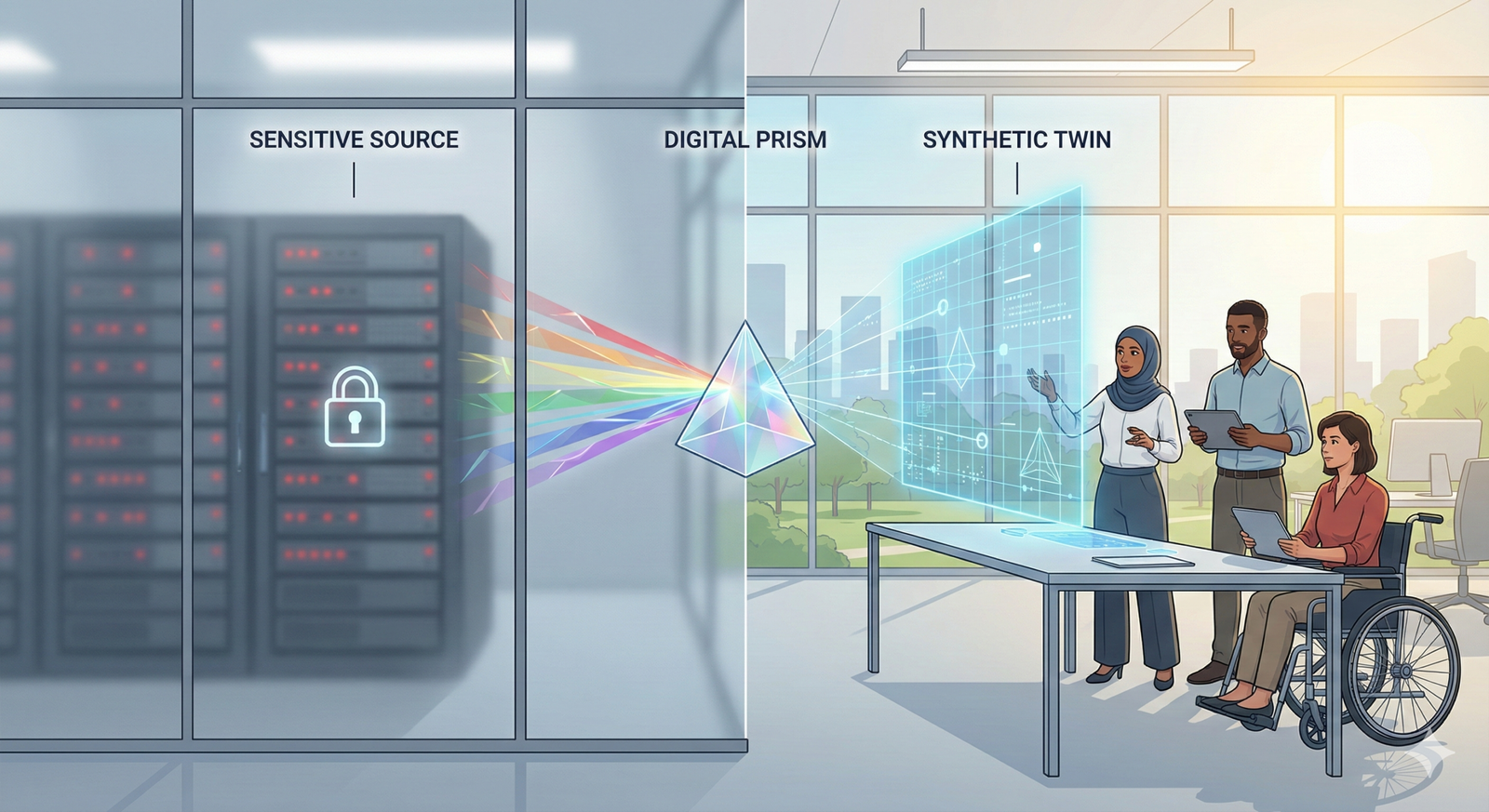
Singapore has implemented a city-wide “Digital Twin” that allows them to simulate robotic deployments before they happen. Their autonomous bus pilot has successfully transitioned into a primary transit tier in the Punggol district.
Barcelona: The Superblock Evolution
Barcelona has used robotic traffic data to refine its “Superblocks” (Superilles). By using AI to model how traffic diverts, they have successfully turned 60% of their street space into “citizen spaces” while maintaining perfect delivery efficiency via underground robotic tubes.
Tokyo: The Aging Population Solution
Tokyo has focused its urban robotics on the “Silver Tsunami.” Their streets are now optimized for robotic mobility aids, and their “Society 5.0” initiative has successfully integrated helper-bots into public parks to assist the elderly with navigation and emergency calls.
11. Economic Implications: Jobs and Real Estate
The shift to robotic cities is a massive economic driver. While it displaces some traditional roles (like delivery drivers), it creates an entirely new sector: Urban Tech Maintenance.
The Rise of the “City Mechanic”
We are seeing a surge in demand for technicians who can service the thousands of sensors and bots that keep a city running. Vocational schools are pivoting to “Robotic Urbanism” degrees.
Real Estate Value Shifts
Properties that are “Robot Ready”—featuring drone landing pads, smart-locker rooms, and autonomous shuttle docks—are commanding a 15-20% premium in the 2026 market. Conversely, properties with large, unmodifiable parking structures are seeing a decline in value as “stranded assets.”
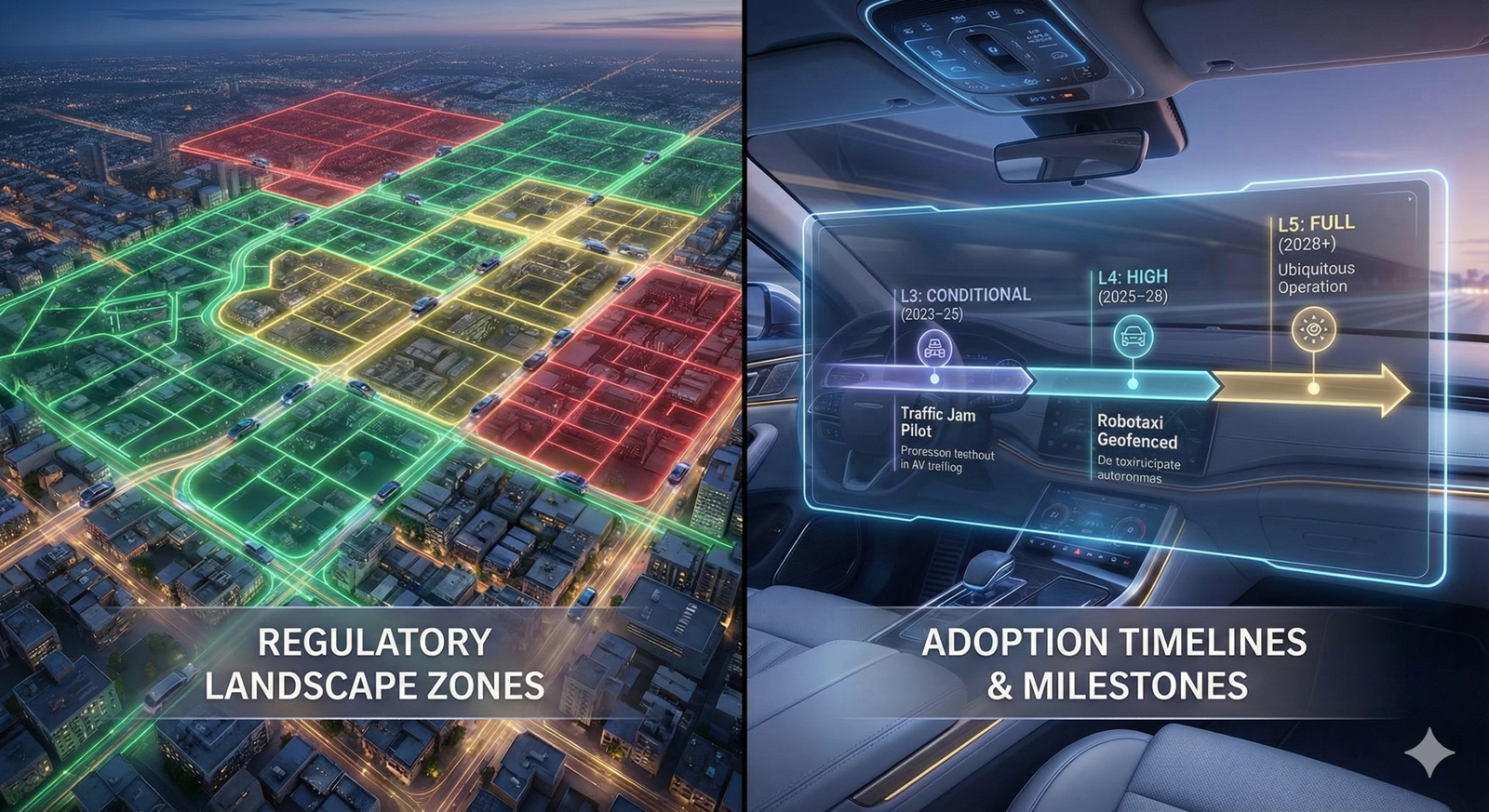
12. The Regulatory Landscape and Ethics
Who is liable if a delivery robot trips a pedestrian? As of early 2026, the legal framework is still catching up to the technology.
The “Right to the Sidewalk”
Legal battles are ongoing regarding whether private companies should pay “rent” to the city for the sidewalk space their robots occupy. Some cities have implemented a “per-mile” tax on robotic delivery to fund the maintenance of the very sidewalks the robots use.
Ethics of Algorithmic Priority
In a crowded intersection, does a robotic shuttle prioritize the safety of its passengers, or a group of pedestrians? Urban designers must work with ethicists to program “City-Level Values” into the AI that governs movement, ensuring that the most vulnerable (children and the disabled) are always the highest priority.
13. Future Outlook: Toward the “Autonomous Bio-City”
Looking toward 2030, the trend is moving away from “machines in the city” and toward “the city as a machine.” We are entering an era of Bio-Robotic Hybridization, where robotic systems manage the life cycles of urban plants, water filtration, and energy generation autonomously.
The city of the future is not a place where we are surrounded by clanking metal, but a place where the technology is so seamlessly integrated into the design that it becomes invisible. The result? More time for human connection, less time stuck in traffic, and an urban environment that finally breathes.
Conclusion
The impact of robotics on urban design and city mobility is the most significant shift in civil engineering since the invention of the elevator or the automobile. In March 2026, we see that the true value of these technologies lies not in their novelty, but in their ability to reclaim our cities for people. By automating the mundane—the delivery of packages, the parking of cars, the filling of potholes—we free up the physical and mental space to build communities that are more vibrant, inclusive, and sustainable.
However, this transition requires a “Human-First” approach. Technology must serve the design, not the other way around. Planners must remain vigilant against the digital divide and ensure that the “Smart City” is a “Shared City.”
Next Steps: If you are an urban planner or developer, your next step is to conduct a “Robotic Readiness Audit” of your current projects. Consider how your curb space can be flexed and how your building’s envelope can accommodate aerial or ground-based autonomous systems. For the curious citizen, engage with your local town hall meetings regarding “Smart Zone” ordinances—your voice is essential in shaping the ethics of your future neighborhood.
FAQs
1. Will robots make city streets less safe for children?
Actually, the data in 2026 suggests the opposite. Autonomous systems don’t get distracted, tired, or angry. By removing human error from the delivery and transit loop, “Vision Zero” (zero traffic fatalities) is becoming a reachable goal in many robotic-integrated districts.
2. What happens to the delivery drivers whose jobs are being replaced?
The transition is significant. Many cities are using the tax revenue from robotic “curb fees” to fund retraining programs. New roles in robotic fleet management, remote intervention (tele-operation), and urban sensor maintenance are currently growing faster than the delivery sector is shrinking.
3. Are these robots noisy?
Most urban robots are fully electric and designed for “stealth” operation. In fact, replacing a single 12-ton diesel delivery truck with twenty small, quiet delivery bots significantly reduces the overall decibel level of a neighborhood.
4. How do robots handle extreme weather like snow or heavy rain?
This remains one of the primary technical hurdles. While high-end sensors (LiDAR and thermal imaging) have improved, many cities still deploy “Human-Assist” protocols during severe weather, or use larger, heavy-duty robotic platforms designed specifically for inclement conditions.
5. Is my data safe when I walk past an urban robot?
Privacy laws (like the updated GDPR of 2025) require that robots anonymize all human data instantly. Most “eyes” on these robots are for navigation only—detecting “objects” rather than “identities.” However, it is always wise to check your city’s specific data-transparency dashboard.
References
- United Nations Human Settlements Programme (UN-Habitat): World Cities Report 2024: Leveraging Urban Technology.
- Journal of Urban Mobility: The Role of Autonomous Micro-Mobility in Post-2025 Cities. (Academic Paper)
- Singapore Smart Nation & Digital Government Office (SNDGO): Autonomous Vehicle Deployment Roadmap 2026. (Official Doc)
- MIT Senseable City Lab: The Future of the Curb: Robotic Logistics and Pedestrian Rights.
- International Federation of Robotics (IFR): Service Robots in Public Spaces: Annual Report 2025.
- European Commission: Ethics of Artificial Intelligence in Smart Cities: A Regulatory Framework.
- American Planning Association (APA): Integrating Robotics into Comprehensive Urban Plans.
- The Lancet Planetary Health: Impact of Robotic Waste Management on Urban Sanitation and Public Health. (2025 Study)
- Institute of Electrical and Electronics Engineers (IEEE): V2X (Vehicle-to-Everything) Communication Standards for 2026.
- Arup Foresight: Cities Alive: Designing for the Age of Automation.