The modern creator economy is frequently championed as the ultimate meritocracy. The narrative suggests that anyone with a smartphone, an internet connection, and a good idea can build an empire. The “barrier to entry” is theoretically zero. Yet, as the industry matures, a more complex reality is emerging: while the tools of creation are democratized, the capacity to succeed is heavily influenced by economic starting points.
This guide explores the impact of generational wealth on creator success. It is not an indictment of those who come from money, nor is it a dismissal of the hard work required to succeed regardless of background. Rather, it is an analytical look at the mechanics of privilege in the digital age—how financial safety nets, risk tolerance, and access to resources create a distinct competitive advantage in a saturated market.
Key Takeaways
- Risk Tolerance is the Primary Asset: Generational wealth provides a “safety net” that allows creators to take high-stakes creative risks and work full-time on their craft without immediate ROI.
- The “Time” Tax: Wealth buys time. Creators without financial backing often split their energy between survival jobs and content creation, leading to slower growth and higher burnout rates.
- Production Value Bias: Algorithms often favor high-retention content, which correlates with high production value (expensive gear, editors, studios)—amenities that capital can secure early on.
- Networking and Location: The ability to live in creative hubs (like Los Angeles or New York) without financial strain facilitates networking opportunities that remote, bootstrapped creators miss.
- Success is Possible Without It: While wealth is an accelerant, authenticity and community building remain the equalizers. Scrappy, low-fi content is a growing counter-trend.
Who This Analysis Is For (and Who It Isn’t)
This guide is for:
- Aspiring Creators: To understand the competitive landscape realistically and adjust strategies accordingly.
- Industry Observers & Marketers: To recognize the socioeconomic factors shaping the talent pool and influencer trends.
- Digital Sociologists: Interested in the intersection of digital culture and economic inequality.
This guide is not for:
- Those seeking a tutorial on “how to get rich quick.”
- Readers looking for “cancel culture” rhetoric; we aim to analyze systems, not attack individuals.
Defining Generational Wealth in the Creator Context
Before assessing the impact of generational wealth on creator success, we must define what we mean by “wealth” in this specific context. It is rarely as simple as a trust fund or a million-dollar check.
In the creator economy, generational wealth often manifests as invisible infrastructure:
- The Safety Net: The knowledge that if your YouTube channel fails after two years, you will not be homeless. You can move back in with parents who live in a stable environment, or they can assist with rent.
- Debt-Free Education: Graduating without student loans frees up hundreds of dollars a month—money that can be reinvested into gear or ads rather than debt servicing.
- Subsidized Living Costs: Parents covering health insurance, phone bills, or car payments well into a creator’s 20s.
- Access to Social Capital: Having parents who are connected to industries like media, tech, or finance, providing “warm intros” to brand managers or investors.
Scope Note: In this guide, “generational wealth” refers to any familial financial support that significantly reduces the creator’s personal financial risk, ranging from upper-middle-class stability to ultra-high-net-worth privilege.
The “Safety Net” Theory: Risk Tolerance as a Competitive Advantage
The most profound impact of generational wealth on creator success is not the ability to buy a camera, but the ability to buy risk.
The Economics of Experimentation
Creativity is inherently risky. Most videos flop. Most podcasts don’t find an audience immediately. Finding a “product-market fit” in content requires experimentation.
- The Wealthy Creator: Can afford to post experimental content for 12–24 months with zero revenue. They can pivot from gaming to lifestyle, then to finance, testing what works without the fear of not making rent.
- The Bootstrapped Creator: Often needs immediate monetization. This forces them into “safe” niches or leads to premature burnout as they try to monetize a small audience too quickly (e.g., selling courses or merch before they have trust).
The “Full-Time” Fallacy
A common piece of advice is to “go full-time” to signal commitment to the algorithm.
- Scenario A: A creator with a financial cushion quits their job to focus on YouTube. They publish 3 high-quality videos a week. They grow 10x faster because their output is higher.
- Scenario B: A creator works 40 hours a week at a retail job. They have energy for 1 video a week. Their growth is slower, leading to algorithmic stagnation.
The “Safety Net” allows the creator in Scenario A to compound their efforts early. By the time Scenario B catches up in skill, Scenario A is exponentially ahead in metrics.
The Hidden Costs of “High Quality” Content
While “content is king,” production value is often the kingmaker. As of 2024 and moving into 2025, audience expectations for audio and video fidelity have skyrocketed.
The Gear Gap
Consider the startup capital for a “competitive” setup in 2025:
- Camera Body & Lens: $2,500 – $4,000 (e.g., Sony FX3 or A7SIII range).
- Lighting: $500 – $1,000 (Key light, fill, rim).
- Audio: $400 (High-end shotgun mic or Shure SM7B setup).
- Editing Rig: $2,000 – $3,000 (High-performance PC/Mac to handle 4K/6K footage).
- Total: ~$5,400 – $8,400+
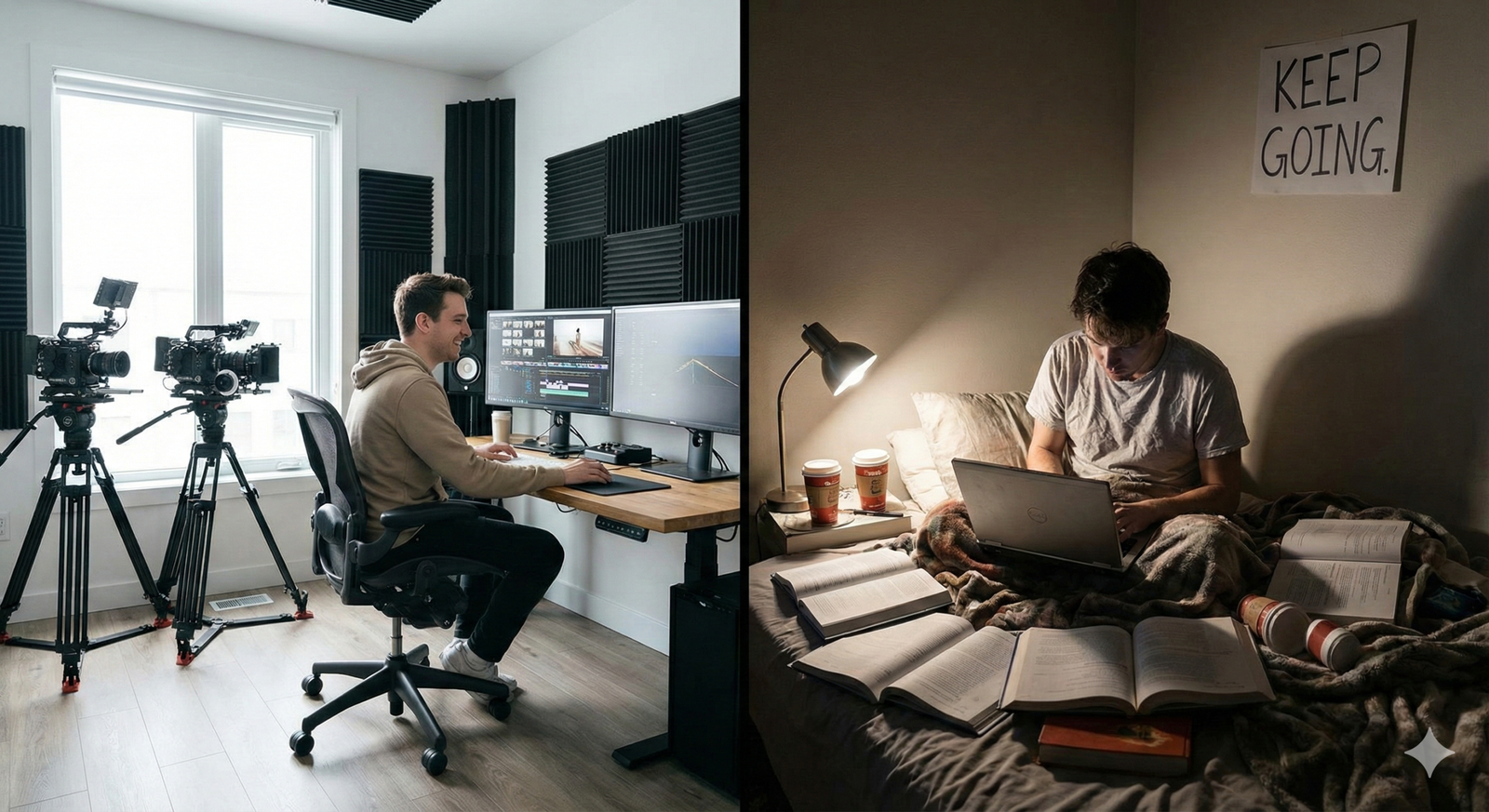
For a creator with generational wealth, this is a graduation gift or a “seed investment” from family. For a bootstrapped creator, this is months or years of savings.
Outsourcing the Grind
The most underrated asset wealth buys is labor. Successful creators eventually become media companies. They hire editors, thumbnail artists, researchers, and assistants.
- Wealth Advantage: A wealthy creator can hire an editor before they are profitable. This frees up 10–20 hours a week for them to focus on on-camera personality and ideation.
- Bootstrapper Disadvantage: Must learn every skill (editing, graphic design, SEO, audio engineering) and execute them all alone. This creates a “skill bottleneck” where the quality of the content is limited by the creator’s weakest skill or available time.
Niche Analysis: Where Wealth Matters Most
The impact of generational wealth varies depending on the content vertical. Some niches are “pay-to-play,” while others are more meritocratic.
1. Travel and Lifestyle (High Wealth Impact)
This niche is notoriously expensive. To be a travel vlogger, one must travel.
- The Dynamic: Capturing “aesthetic” luxury experiences, staying in high-end resorts, and flying to trending destinations requires disposable income.
- The Barrier: It is nearly impossible to break into “luxury lifestyle” content without existing access to that lifestyle. Viewers often aspire to the wealth displayed, creating a feedback loop where wealth attracts views, which generates more wealth.
2. Tech and Review Channels (Moderate to High Wealth Impact)
To review the latest iPhone or GPU on launch day, you need to buy it.
- The Dynamic: Established channels get review units for free. New channels must buy the product to review it.
- The Barrier: A creator needs thousands of dollars in “inventory” to review tech products before they get on PR lists. Generational wealth allows a creator to buy the newest tech immediately, capturing the “search volume” wave at launch.
3. Fashion and Beauty (High Wealth Impact)
“Haul” videos and trend forecasting require purchasing items.
- The Dynamic: Fast fashion hauls are cheaper, but “luxury” or sustainable fashion requires capital.
- The Barrier: Keeping up with micro-trends (e.g., the “Mob Wife Aesthetic” or “Coquette Core”) requires constant consumption.
4. Gaming and Commentary (Lower Wealth Impact)
These niches are more accessible.
- The Dynamic: Once the initial hardware is purchased, the ongoing cost is low (the price of games or just a webcam for commentary).
- The Barrier: Lower barriers mean higher competition. Standing out requires exceptional personality or skill, making this a more level playing field, though the “time” advantage still applies.
The “Location” Advantage: Hubs vs. Remote
Despite the rise of remote work, geography remains a massive multiplier for creator success.
The LA/NYC Effect
Los Angeles (specifically West Hollywood/Silver Lake) and New York City (Brooklyn/Manhattan) are the physical HQs of the creator economy.
- Collaboration: Being able to say “I’m in town, let’s collab” is a superpower. Collabs are the fastest way to grow.
- Events: Brand parties, launches, and networking mixers happen in these hubs.
- The Cost: Rent in these cities is exorbitant.
- The Wealth Factor: Generational wealth allows a young creator to live in a collaborative hub while earning little to no income. A creator relying on a barista wage in NYC will have significantly less time and energy to create than one whose rent is subsidized.
The “Digital Nomad” Variance
While digital nomadism is an alternative, it also requires upfront capital for flights, visas, and temporary accommodation. The “passport bro” or “Bali lifestyle” content often obscures the financial safety net required to book that first one-way ticket.
Algorithmic Bias: Does the Machine Prefer the Rich?
There is no line of code in the YouTube or TikTok algorithm that checks a user’s bank balance. However, the algorithm optimizes for metrics that wealth can manipulate.
1. Retention and Pacing
High retention often requires fast-paced editing, stock footage, sound effects, and dynamic graphics. These require either expensive software subscriptions (Epidemic Sound, Storyblocks, Adobe CC) or hired editors. Therefore, the algorithm favors the result of investment.
2. Click-Through Rate (CTR) and Thumbnails
High CTR often comes from professional photography and advanced Photoshop work. A creator who can afford a professional photographer for thumbnails, or pay a dedicated designer, often outperforms one using a selfie and Canva.
3. The “Spectacle” Effect
MrBeast changed the landscape by industrializing the “spectacle.” Videos involving blowing up cars, buying islands, or giving away millions require massive capital. This has shifted viewer expectations. Audiences now crave high-budget entertainment, raising the bar for entry-level creators.
Psychological Toll: The Mental Health Divide
The impact of generational wealth on creator success also plays out in the mind.
The “Hustle” vs. The “Hobby”
For a creator without a safety net, every video that underperforms is a threat to their livelihood. This induces Scarcity Mindset, which creates anxiety and stifles creativity. They may chase trends desperately rather than innovating.
For a wealthy creator, an underperforming video is a data point, not a disaster. This Abundance Mindset allows for playfulness, relaxation, and genuine connection—qualities audiences attract to.
Burnout Resilience
When a wealthy creator burns out, they can take a month off. Their parents might help, or their savings (which weren’t drained by survival costs) sustain them. When a bootstrapped creator burns out, they often have to quit creation entirely to return to the workforce, effectively ending their creator career.
The “Self-Made” Myth and the Demand for Transparency
One of the major cultural shifts in the 2020s is the audience’s growing detection of, and disdain for, false “self-made” narratives.
The “Nepo Baby” Discourse
While originally centered on Hollywood actors, this conversation has moved to influencers. Audiences are increasingly investigating the backgrounds of their favorite creators.
- The Backlash: Creators who hide their wealth while preaching “hustle culture” often face severe backlash when exposed.
- The Transparency Trend: Conversely, creators who openly admit, “I was able to do this because my parents let me live rent-free,” are often praised for honesty. Authenticity is the currency of the creator economy; lying about privilege devalues that currency.
Why It Matters
When wealthy creators sell courses or coaching on “How I Did It” without disclosing their advantages, they are selling a false roadmap. This is where the impact of generational wealth on creator success becomes an ethical issue. If the advice is “just quit your job and film,” but the speaker had a trust fund, the advice is dangerous for the listener who does not.
Strategies for Bootstrapping: Succeeding Without the Net
Is it possible to succeed without generational wealth? Absolutely. The internet is still the most accessible medium in history. However, the strategy must be different.
1. The “Side Hustle” Slow Burn
Don’t quit the day job. Treat content creation as a 5–9 PM job.
- Strategy: Consistency > Intensity. You cannot compete with full-time creators on volume. Compete on longevity.
- Advantage: You have a paycheck. You don’t need the brand deal, which gives you negotiation power and prevents you from promoting scams out of desperation.
2. Low-Fi / Authenticity as a Moat
Lean into the lack of budget.
- Strategy: “Shaky cam,” raw vlogs, and unedited thoughts are trending as a reaction against over-produced content.
- Advantage: It costs nothing to be real. Emma Chamberlain started with simple editing. Casey Neistat revolutionized vlogging with a beat-up camera. Use your constraints as a stylistic choice.
3. Community-Funded Models
Bypass the need for family wealth by building a “family” of patrons.
- Strategy: Use Patreon, Ko-fi, or Substack early.
- Advantage: A small, loyal audience willing to pay $5/month is more valuable than a million passive viewers. This creates your own “safety net.”
4. Smart Resource Allocation (The “Rental” Economy)
You don’t need to buy the gear.
- Strategy: Rent a high-end camera for a weekend batch-filming session (Lensrentals, etc.). Buy used gear. Use free software (DaVinci Resolve).
- Advantage: Low overhead.
5. Content Repurposing
Maximize the “time” asset you do have.
- Strategy: Turn one YouTube video into 3 TikToks, a Twitter thread, and a LinkedIn post.
- Advantage: Maximizes reach per hour of labor.
Structural Solutions: Can the Industry Level the Playing Field?
The onus shouldn’t just be on the individual. The industry has a role to play in mitigating the impact of generational wealth on creator success.
1. Creator Funds and Grants
Platforms (TikTok, YouTube, Snapchat) and third-party organizations are increasingly offering “Creator Funds.” However, these often reward views (which favors those who already have momentum).
- Better Solution: Merit-based grants for underrepresented creators, focusing on potential rather than current metrics.
2. Brand Responsibility
Brands control the money flow.
- Action: Brands should actively seek diverse creators outside of the standard “LA bubble” and audit their pay gaps to ensure they aren’t underpaying creators from lower socioeconomic backgrounds.
3. Algorithm Adjustments
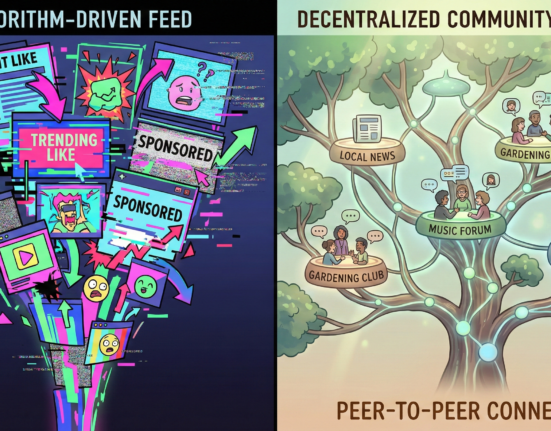
Platforms are experimenting with boosting “fresh” content regardless of production value. TikTok’s algorithm is arguably the most meritocratic in this regard, as a video filmed on a potato can go viral if the story is good.
The Intersection of Wealth and Demographics
It is impossible to discuss generational wealth without discussing race and class.
- The Stat: In the US, the median net worth of white families is significantly higher than that of Black or Hispanic families.
- The Result: The “creator class” skews white and wealthy. This impacts the stories that get told and the culture that gets amplified.
- The Corrective: Acknowledging this disparity helps audiences actively seek out and support creators from diverse economic backgrounds, correcting the algorithmic bias manually through consumption habits.
Common Pitfalls: Comparing Your Chapter 1 to Their Chapter 10
A major mental trap for bootstrapped creators is comparing themselves to peers who seem to be growing faster.
- The Mistake: Assuming the other creator is “just luckier” or “more talented.”
- The Reality Check: Often, you are seeing the result of invisible resources. They might have a team you don’t see, or ads running you don’t know about.
- The Fix: Compare yourself only to your previous self. Measure growth in “skills learned” and “community depth” rather than just vanity metrics.
Future Outlook: Will AI Bridge the Gap?
As we move into the AI era (2025 onwards), Artificial Intelligence tools may reduce the impact of generational wealth on creator success—or exacerbate it.
- The Equalizer Argument: AI tools (Midjourney, ChatGPT, automated editing AI) lower the cost of production. A solo creator can now do the work of a team of three. This reduces the “Labor” advantage of wealth.
- The Divider Argument: The best AI tools are becoming expensive subscriptions. Access to the best proprietary models and the hardware to run them locally could become the new “gear gap.”
Conclusion
The impact of generational wealth on creator success is undeniable. It acts as an invisible tailwind, providing risk tolerance, time, resources, and connections that accelerate growth. It allows creators to fail safely, a luxury not afforded to everyone.
However, recognizing this disparity is not an excuse to give up; it is a call for strategic adaptation. The internet remains one of the few places where a great idea, executed with relentless authenticity, can outpace capital. For the bootstrapped creator, the path is steeper and longer, but often results in a deeply loyal community that resonates with the struggle.
For the industry, the goal must be transparency. By acknowledging the role of wealth, we can stop selling the “anyone can do it easily” myth and start having honest conversations about what it actually takes to build a career in the digital age.
FAQs
Q: Does generational wealth guarantee success as a creator? A: No. Money can buy equipment and initial views (via ads), but it cannot buy audience retention or genuine fandom. A wealthy creator with bad content will ultimately fail, though they can “fail” much longer than a poor creator.
Q: How can I tell if a creator comes from wealth? A: Signs often include high production value early in their career, frequent travel without clear sponsorship, living in expensive cities while doing creation full-time with low subscriber counts, or a lack of “survival” content (complaints about rent, side jobs, etc.). However, one should be careful about assuming; some creators are just excellent savers or hustlers.
Q: Is it harder to become an influencer if you are poor? A: Statistically, yes. You have less free time, less money for gear, and higher stress levels. However, stories of overcoming adversity often perform exceptionally well on social media, so your background can become your unique value proposition.
Q: What is the most expensive part of being a creator? A: Time. The opportunity cost of spending 20 hours editing a video instead of working a paying job is the biggest expense. Wealth essentially “buys” this time.
Q: Can grants help bootstrapped creators? A: Yes. Many organizations, including Adobe, YouTube, and various arts councils, offer grants. Look for “Creator Residency” programs or local arts funding which is often less competitive than global platform funds.
Q: Why is “authenticity” considered the equalizer? A: Audiences are savvy. High production value can feel sterile. A creator filming in a messy bedroom talking passionately about a subject often connects better than a polished, soulless studio video. This connection is something money cannot purchase.
References
- Pew Research Center. (2024). Trends in Digital Media and Content Creation Demographics. Washington, D.C. https://www.pewresearch.org
- SignalFire. (2023). The Creator Economy Market Map & Trends Report. https://www.signalfire.com
- Goldman Sachs Research. (2023). The Creator Economy: The rise of the individual. https://www.goldmansachs.com
- Harvard Business Review. (2022). The unspoken role of privilege in startup and creator success. https://hbr.org
- Oxford Internet Institute. (2023). Inequalities in the Digital Economy. University of Oxford. https://www.oii.ox.ac.uk
- Influencer Marketing Hub. (2024). The State of Influencer Marketing: Benchmark Report. https://influencermarketinghub.com
- Brookings Institution. (2022). The wealth gap and its impact on entrepreneurship and innovation. https://www.brookings.edu