In the early days of the digital creator economy, monetization was a linear path: you created content, built an audience, and eventually turned on ad revenue. For years, the “AdSense check” was the primary barometer of success. However, as platform algorithms shift and advertising rates fluctuate, relying on a single stream of income has become a precarious business strategy. Today, the most successful creators operate less like entertainers and more like diversified media companies.
The shift toward diversified monetization strategies is not just about making more money; it is about stability, creative control, and deepening the relationship with your audience. When you own the product—whether it is a subscription community, a line of merchandise, or a digital collectible—you reduce your dependency on the whims of platform algorithms.
In This Guide
This comprehensive guide explores the four pillars of modern creator monetization beyond advertising:
- Subscriptions: Building recurring revenue through direct support.
- Merchandise: Selling physical and digital goods.
- NFTs and Web3: Utilizing digital ownership for community access.
- Live Events: Monetizing real-time experiences, both virtual and physical.
Disclaimer: This article discusses financial strategies and digital assets (including NFTs). It is for informational purposes only and does not constitute financial or investment advice. The value of digital assets can be volatile. As of January 2026, regulations regarding digital assets vary by jurisdiction. Always consult with a qualified financial or legal professional before making significant business decisions.
Who This Is For
- Established Creators: YouTubers, streamers, podcasters, or bloggers with a loyal following looking to stabilize income.
- Niche Experts: Educators and coaches seeking to monetize expertise beyond one-off consultations.
- Community Builders: Discord moderators or group leaders wanting to fund community activities.
- Digital Artists: Creatives looking to bypass traditional gatekeepers via direct sales.
Key Takeaways
- Resilience: Diversification protects you from “algorithm shocks” where platform visibility (and ad revenue) drops overnight.
- Direct Relationships: Selling directly to fans (D2C) builds stronger loyalty than mediating through advertisers.
- Profit Margins: Digital products and subscriptions often have significantly higher profit margins than physical merch or ad splits.
- The “1,000 True Fans” Theory: You do not need millions of followers to be sustainable; you need a smaller core of highly engaged supporters willing to pay.
- Utility over Speculation: When using Web3/NFTs, focus on the utility (access, perks) rather than the speculative financial value of the token.
1. The Foundation: Subscription Models and Recurring Revenue
The “holy grail” of the creator economy is recurring revenue. Unlike one-off sponsorships or fluctuating ad views, subscriptions provide a baseline income that allows creators to plan for the future, hire help, and invest in better production quality.
The Psychology of Membership
Why do fans pay a monthly fee for content they might otherwise get for free? The answer lies in perceived value and identity.
- Access: Fans want a look behind the curtain. They want to be closer to the creator.
- Support: Many fans simply want to ensure the creator keeps making content. It is a form of modern patronage.
- Exclusivity: Paying members want to feel special, distinguished from the “general public” audience.
Structuring Your Tiers
A common mistake is overcomplicating tiers. As of January 2026, the most effective models usually follow a three-tier structure:
- The “Tip Jar” (Low Tier):
- Price: $3–$5/month.
- Value: “Support the channel.” Perks might include a discord role, shout-out, or early access to public content.
- Goal: Volume. Low barrier to entry for casual fans.
- The “Content” Tier (Mid Tier):
- Price: $8–$15/month.
- Value: Exclusive content. Bonus episodes, extended cuts, downloadable resources, or voting rights on future topics.
- Goal: Value exchange. This is usually the “sweet spot” for revenue.
- The “Access” Tier (High Tier):
- Price: $25–$100+/month.
- Value: Direct access. Monthly group Zoom calls, 1-on-1 feedback, physical merch sent annually, or producer credits.
- Goal: High commitment. These are your “super fans.”
Platforms and Tools
Choosing where to host your subscription is critical. You must balance discoverability against platform fees.
- Platform-Native Tools (YouTube Memberships, Twitch Subs, Instagram Subs):
- Pros: Seamless integration; fans don’t have to leave the app. High conversion friction.
- Cons: High fees (often 30%); you don’t own the customer data (email list).
- Third-Party Platforms (Patreon, Ko-fi):
- Pros: You own the relationship more directly; flexibility in tier structure; lower fees than app stores.
- Cons: Users must leave their preferred consumption app to pay.
- Owned Platforms (Ghost, Substack, Memberful):
- Pros: Total control; direct email ownership; lowest fees (usually Stripe processing + small platform fee).
- Cons: You handle the tech support; requires the most trust from the user.
Reducing Churn
Getting subscribers is hard; keeping them is harder. “Churn” is the percentage of subscribers who cancel each month. To combat this:
- Consistency: Never miss a promised deliverable for paying members.
- Annual Plans: Offer 10-15% off for a year upfront. This secures cash flow and eliminates monthly decision fatigue.
- Community Glue: If members are friends with each other (e.g., via a private Discord or Circle), they are less likely to leave even if they engage less with your content.
2. Merchandise: Physical and Digital Goods
Merchandise (“merch”) has evolved from simple logo T-shirts to sophisticated lifestyle brands and high-margin digital products. Merch serves two purposes: it generates revenue and acts as a walking billboard for your brand.
Physical Merchandise: Inventory vs. Print-on-Demand (POD)
Creators typically choose between two supply chain models.
Print-on-Demand (POD)
In this model, a third-party provider prints and ships the item only after a customer orders it.
- Pros: Zero upfront cost; no inventory risk; no shipping hassles.
- Cons: Lower profit margins; less control over packaging/branding; limited product customization.
- Best For: Beginners, testing new designs, or creators who want a “hands-off” approach.
Inventory (Cut and Sew)
You design custom products, manufacture them in bulk, and handle fulfillment (or hire a 3PL—Third Party Logistics).
- Pros: High margins; total control over quality and unboxing experience; custom tags/fits.
- Cons: High upfront capital risk (if it doesn’t sell, you lose money); logistical complexity.
- Best For: Established creators with predictable sales volume who want to build a standalone brand.
The Rise of Digital Products
As of 2026, digital products are arguably the most efficient monetization vehicle because the marginal cost of replication is zero. Once created, a digital product can be sold an infinite number of times without shipping costs.
Examples of High-Value Digital Merch:
- Presets and Filters: Photographers selling Lightroom presets or LUTs for video.
- Templates: Notion workspaces, Excel budget trackers, or Resume templates.
- E-books and Guides: Deep dives into specific topics (e.g., “The Ultimate Guide to Sourdough”).
- Sample Packs: Audio files for musicians.
Strategy for Digital Sales: Focus on utility. While a T-shirt is about identity (“I am a fan”), a digital product is about solving a problem (“I want to edit photos like you”). The marketing messaging must shift from “Support me” to “This helps you.”
Common Pitfalls in Merchandising
- Lazy Design: Slapping a square logo on a cheap shirt rarely sells well anymore. Fans want streetwear-quality designs or subtle branding they can wear in public.
- Over-promising Logistics: If you handle shipping yourself, ensure you understand international customs duties and shipping times. A lost package can turn a super fan into a critic.
- Ignoring Quality: One low-quality hoodie that shrinks in the wash can ruin your reputation for future drops. Always order samples first.
3. NFTs and Web3: Digital Ownership and Community Access
Non-Fungible Tokens (NFTs) have been a polarizing topic. However, stripping away the speculative hype that dominated the early 2020s, the underlying technology offers a compelling tool for Digital Rights Management (DRM) and community gating.
In the context of this guide, “NFT” refers to a digital certificate of ownership and access, not necessarily a piece of generative art sold for millions.
The Utility Model: Token-Gated Communities
Instead of a monthly subscription (where access ends when payment stops), an NFT can function as a “lifetime membership card.”
- How it works: A creator sells a limited number of digital keys (NFTs). Holding this key in a digital wallet grants access to a private Discord server, exclusive video content, or presale tickets.
- The Resale Dynamic: Unlike a Patreon subscription, if a fan no longer wants access, they can resell the membership (NFT) on a secondary market. The creator can program a “royalty” into the smart contract, receiving a percentage (e.g., 5%) of every secondary sale.
Digital Collectibles and “Proof of Fandom”
For casual fans, low-cost NFTs can serve as digital badges.
- POAPs (Proof of Attendance Protocols): Free or cheap digital badges given to fans who attended a specific live stream or event. They don’t have monetary value but serve as a “status symbol” within the community (e.g., “I was there for the 100th episode”).
Ethical and Practical Considerations
Before integrating Web3 elements, creators must navigate significant hurdles:
- Environmental Concerns: While many blockchains have moved to “Proof of Stake” (low energy), environmental impact remains a concern for many audiences. Creators should opt for eco-friendly chains (like Polygon or Tezos) and be transparent about this choice.
- Onboarding Friction: Asking fans to set up a digital wallet can be a barrier. As of 2026, “custodial wallets” (where the platform holds the wallet for the user via email login) have made this easier, but friction remains.
- Market Volatility: Pegging your community’s value to a crypto token can be dangerous. If the wider crypto market crashes, the perceived value of your community membership might plummet, causing panic among fans. It is safer to price items in stable currency (USD/EUR) even if the technology rail is blockchain.
Best Practices for Creator NFTs
- Don’t call it an NFT: Many brands now use terms like “Digital Collectible,” “Access Pass,” or “Digital Key” to focus on utility rather than technology.
- Over-deliver on Utility: The token is just the receipt; the value is the community access, the coaching, or the content attached to it.
- Safety First: Educate your audience on avoiding scams. The Web3 space is rife with phishing attacks.
4. Live Events: Virtual and In-Person Experiences
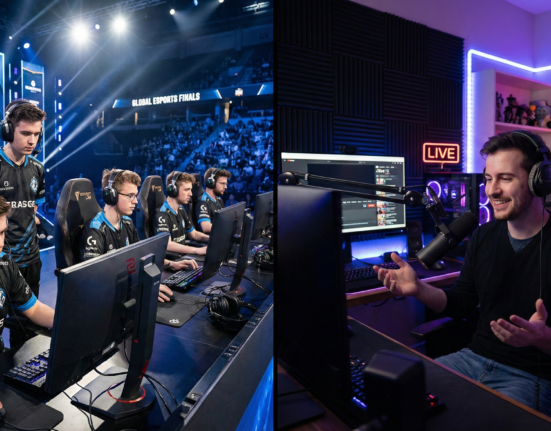
Live events offer the highest level of engagement. They transform the passive relationship of consuming content into an active, shared memory. Monetization here comes from ticket sales, VIP upgrades, and sponsorship integration.
The Hybrid Model
Post-2020, the expectation for events is often hybrid: a physical event that is simultaneously livestreamed to a global audience.
- In-Person: High ticket price, limited capacity. Offers networking, atmosphere, and direct interaction.
- Virtual: Lower ticket price, unlimited capacity. Offers accessibility to fans who cannot travel.
Virtual Events: Beyond the Zoom Call
To monetize a virtual event, it must feel distinct from a regular YouTube livestream or Twitch broadcast.
- Workshops/Masterclasses: Deep-dive teaching sessions. (e.g., “3-Hour Novel Writing Bootcamp”).
- Live Podcast Recordings: Fans pay to watch the unedited recording and participate in a Q&A.
- Listening Parties/Premieres: Musicians or filmmakers debuting new work with live commentary.
Monetization mechanics for virtual events:
- Ticketed Access: Using platforms that gate the stream behind a paywall.
- Digital Tipping: Enabling “Super Chats” or equivalent features during the event.
- VIP Breakouts: Selling a higher-tier ticket that includes a post-show “meet and greet” in a smaller digital room.
Touring and Meet-ups
For creators with a geographically dispersed audience, touring can be lucrative but logistically heavy.
- The “Minimalist” Tour: Instead of booking concert halls, creators might book comedy clubs, independent theaters, or even co-working spaces for live talks.
- VIP Experiences: The profit in touring often comes not from the general admission ticket (which covers venue costs) but from the VIP upgrade (meet and greet, photo op, signed poster).
Event Sponsorships
Events provide a unique value proposition for brands. Instead of a 60-second ad read that can be skipped, a brand can sponsor a specific segment of a live event, host a booth (physical or virtual), or provide products for goodie bags. This is often an easier sell to brands because the audience engagement is guaranteed to be high.
The Gig-Creator Overlap: Monetizing Skills
While distinct from content creation, many creators monetize by offering services based on the skills they learned as creators. This is often called the “Gig-Creator” overlap.
- Consulting: Teaching brands how to use TikTok or how to film authentic content.
- Freelancing: Editing videos, designing thumbnails, or writing scripts for other creators.
- Speaking: Keynote speaking at industry conferences.
This diversification is powerful because it relies on your expertise, not your view count. Even if your channel views dip, your knowledge of the industry remains valuable to clients.
How to Choose the Right Mix: A Decision Framework
You cannot execute every strategy at once. Trying to launch a merch line, a Patreon, and a tour simultaneously is a recipe for burnout. Use this framework to decide where to start:
| Strategy | Best For… | Prerequisites | Effort Level | Risk Level |
| Subscriptions | Education, Commentary, Niche Communities | Loyal, engaged “core” audience | High (Monthly deliverables) | Low |
| POD Merch | Lifestyle, Gaming, Art | Strong visual brand or catchphrases | Low (Set and forget) | Low |
| Inventory Merch | Fashion, established brands | Proven sales history, cash reserves | Very High (Logistics) | High |
| Digital Products | Educators, Experts | Specific expertise/knowledge | High (Creation) / Low (Maintenance) | Low |
| Live Events | Entertainers, Community Leaders | Geographically concentrated fans | High (Planning) | Med/High |
| NFTs/Web3 | Tech-forward audiences | High trust, tech-savvy fans | Med (Tech setup) | High (Reputation) |
The “Step-Ladder” Approach
- Start with Affiliate/Ad Revenue: Validate that people watch.
- Add Low-Friction Monetization: Open a “Tip Jar” (Ko-fi) or basic POD merch.
- Launch a Digital Product or Subscription: Once trust is high, offer something that requires deeper investment.
- Scale to High-Touch: Launch inventory merch or live tours once cash flow allows for risk-taking.
Common Mistakes and Pitfalls
1. Monetizing Too Early
Asking for money before you have provided significant value can alienate potential fans. The “Ask” should come when the audience is asking you how they can support you.
2. Fragmentation
If you have a Patreon, a Twitch Sub, a YouTube Membership, and a separate paid newsletter, you will confuse your audience. “Where do I get the bonus video?” becomes a friction point. Consolidate your core offer into one primary membership platform.
3. Burnout via “Treadmill” Perks
Be careful promising monthly deliverables that require massive effort (e.g., “I will mail a handwritten letter to every patron”). As you grow, this becomes impossible to sustain. Focus on scalable perks like digital content, community access, or recognition.
4. Ignoring Customer Support
When you sell a product (merch, course, subscription), you are a merchant. You must handle refunds, lost passwords, and shipping errors. If you ignore this, your brand reputation will suffer.
Tools and Platforms (As of 2026)
- For Subscriptions: Patreon (industry standard), Fourthwall (integrated shop/membership), Substack (writing focus).
- For Merchandise: Spring (formerly Teespring), Printful (POD backend), Shopify (inventory/custom store).
- For Digital Products: Gumroad, Lemon Squeezy.
- For Community: Discord, Circle, Geneva.
- For Live Events: Eventbrite, Lu.ma (popular for creator meetups).
Conclusion
Diversified monetization is the maturation of the creator economy. It represents a shift from “getting paid to post” to “building a sustainable business.” By layering subscriptions, merchandise, digital ownership, and live experiences, creators can build a safety net that withstands algorithm changes and market fluctuations.
However, diversification requires intention. It is not about grabbing every dollar available; it is about offering value in different formats that suit different segments of your audience. Some fans will watch for free; some will buy a sticker; some will fly across the country to see you live. Your job is to create pathways for all of them to engage.
Next Steps for Creators
- Audit your current revenue: What percentage comes from ads/algorithms? If it is over 80%, you are in the “danger zone.”
- Survey your audience: Don’t guess what they want. Ask them: “Would you prefer a T-shirt, a discord community, or a workshop?”
- Start with one: Pick one new stream from this guide to implement this quarter. Focus on quality execution rather than rushing to launch everything at once.
FAQs
Q: How many followers do I need to start merchandise? A: There is no hard number, but engagement matters more than follower count. A creator with 1,000 highly engaged fans might sell more merch than a creator with 100,000 passive followers. A good rule of thumb is to wait until you have fans asking where they can buy your gear, or run a pre-order campaign to test demand without risk.
Q: Are NFTs still relevant for creators in 2026? A: Yes, but the focus has shifted from high-priced art speculation to functional utility. Creators use them effectively as “access passes” or digital membership cards that grant entry to private communities or events. If you approach NFTs, focus on what the token does, not what it might be worth in the future.
Q: What is the best way to price a subscription tier? A: Analyze what comparable creators in your niche are charging, but value your time. A $5 tier is standard for general support. Higher tiers ($15+) should offer tangible value (downloads, direct feedback) that justifies the cost. Remember, it is harder to raise prices on existing members than to start slightly higher.
Q: How do I handle taxes with diversified income? A: Diversified income adds complexity to tax reporting. You will likely receive 1099s (or regional equivalents) from multiple platforms (Patreon, Teespring, Google, Stripe). It is highly recommended to use accounting software like QuickBooks or Xero and separate your business finances from personal accounts immediately.
Q: Can I do a live event if my audience is small? A: Absolutely. A small, intimate “meet-up” at a local park or coffee shop can be just as impactful as a theatre show. For virtual events, small groups allow for better interaction. You can frame a small event as an “exclusive” or “VIP” experience rather than a failed large event.
Q: Is it better to use Patreon or YouTube Memberships? A: YouTube Memberships offer better conversion because the button is right under the video, but YouTube takes a 30% cut. Patreon usually takes a smaller cut (5-12% plus processing), gives you better ownership of member data (emails), and allows for more flexible tier structures. Many creators use Patreon for their “core” community and YouTube Memberships for light, emoji-based perks.
Q: What is the biggest risk in selling digital products? A: The biggest risk is piracy—files being shared for free. However, most creators find that true fans prefer to pay to support them. To mitigate this, focus on selling the experience or community attached to the file (e.g., access to a Q&A about the e-book) rather than just the file itself, which protects the value even if the file is shared.
Q: How often should I launch new merchandise? A: Avoid “always-on” fatigue. “Drop culture”—releasing items for a limited time or in limited quantities—creates urgency and excitement. Seasonal drops (Spring/Fall) or holiday-specific launches tend to perform better than letting the same inventory sit in a store year-round.
References
- Li, Jin. The Creator Economy: solidifying a new class of labor. Harvard Business Review. (2023). Available at: https://hbr.org/ (General landing page for HBR Creator Economy research).
- Patreon. The 2025 Creator Census: Trends in Membership and Monetization. Patreon Blog. (2025). Available at: https://blog.patreon.com/
- Anderson, Chris. The Long Tail: Why the Future of Business is Selling Less of More. Hyperion. (2006/Updated Editions). (Foundational text on niche monetization).
- Vaynerchuk, Gary. Crushing It!: How Great Entrepreneurs Build Their Business and Influence-and How You Can, Too. HarperCollins. (Context on personal branding and merchandising).
- Stripe. Creator Economy Report 2025. Stripe Press. (2025). Available at: https://stripe.com/reports
- Shopify. Global Ecommerce Trends Report: Direct to Consumer Strategies. (2025). Available at: https://www.shopify.com/research
- SignalFire. Creator Economy Market Map. SignalFire Research. (Accessed Jan 2026). Available at: https://signalfire.com/
- Twitch. Creator Camp: Monetization Guidelines. Twitch Safety & Policy. (Accessed Jan 2026). Available at: https://www.twitch.tv/creatorcamp/en/