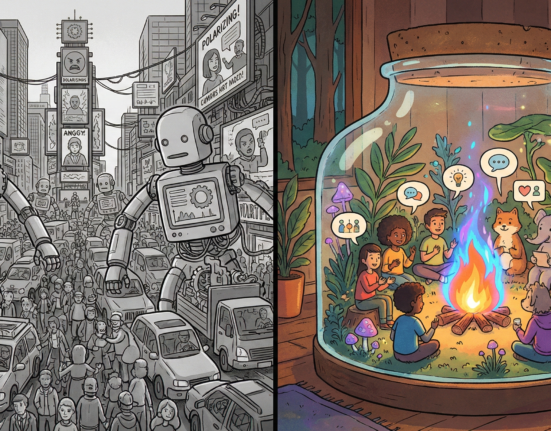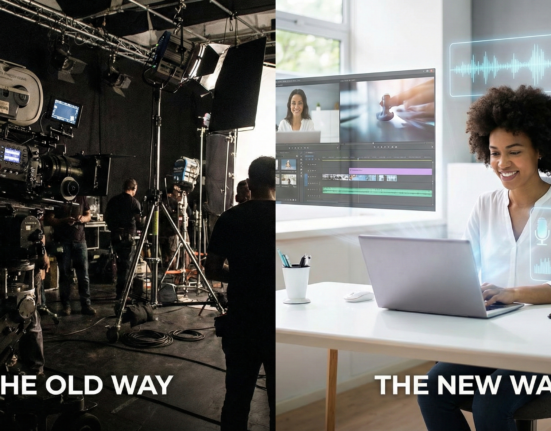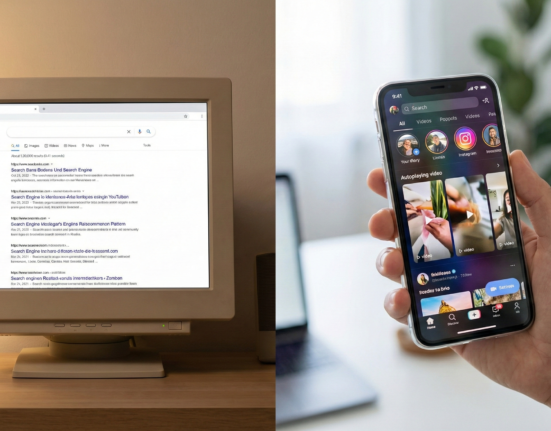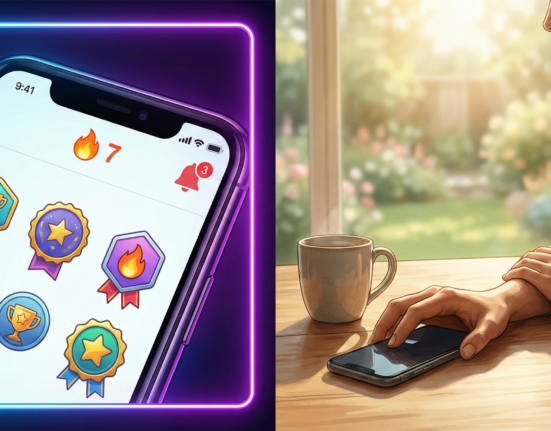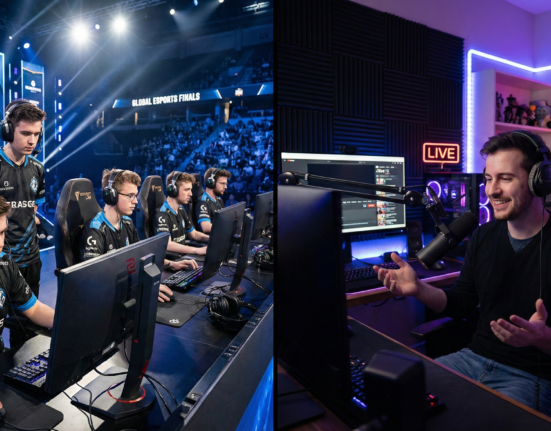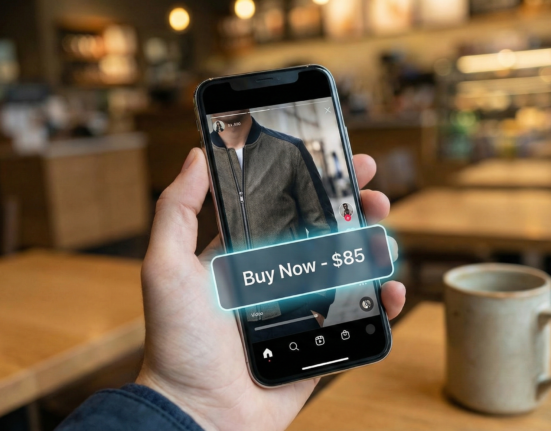
The era of “renting” influence is rapidly evolving into an era of “owning” shared value. For over a decade, the standard model of influencer marketing was transactional: a brand paid a creator a flat fee, the creator posted content, and both parties hoped for a spike in sales. While this model still exists for top-of-funnel awareness, it is increasingly viewed as inefficient for building long-term brand equity.
Enter creator product co-creation and equity deals. This shift represents a fundamental maturation of the creator economy. It moves beyond the ephemeral nature of a social media feed and anchors the creator’s influence in tangible assets—products, intellectual property (IP), and company shares. For brands, this offers a solution to rising customer acquisition costs (CAC) and ad blindness. For creators, it offers a path to generational wealth and stability beyond the algorithmic grind.
In this comprehensive guide, we will explore why this shift is happening, how to structure these complex deals, the legal and operational realities of co-creation, and how to navigate the risks involved in marrying corporate strategy with personal brands.
Key Takeaways
- From Renting to Owning: The transactional “pay-per-post” model is suffering from diminishing returns; equity and co-creation align long-term incentives.
- The “Skin in the Game” Multiplier: When creators own a piece of the product, their marketing efforts become deeper, more authentic, and more consistent.
- Structure Matters: Deals range from simple licensing agreements (revenue share) to complex joint ventures (equity and operational roles).
- Due Diligence is Two-Way: Brands must vet creators for business acumen, not just follower count; creators must vet brands for supply chain reliability and cultural fit.
- Risk Mitigation: Contracts must include clear vesting schedules, “morals clauses,” and exit strategies to protect both the corporate entity and the personal brand.
Who This Is For (And Who It Isn’t)
This guide is designed for:
- Brand Managers and CMOs looking to lower CAC and build deeper community moats.
- Professional Creators and Talent Managers seeking to transition from service-based income to asset-based wealth.
- Venture Capitalists and Investors analyzing the viability of creator-led consumer brands.
- Product Developers interested in the mechanics of agile, feedback-driven product design.
This is NOT for:
- Brands looking for a quick, one-off sales spike (stick to affiliate marketing or traditional ads).
- Creators who are unwilling to commit significant time to product meetings, R&D, and long-term promotion.
- Businesses seeking strictly “hands-off” silent investors; co-creation requires active collaboration.
1. The Evolution: Why Equity Deals Are Replacing Flat Fees
To understand the future of brand partnerships, we must understand the failure points of the present. The traditional influencer marketing model is plagued by three growing issues: rising costs, decreasing trust, and lack of attribution.
The Problem with “Renting” Influence
In a standard sponsorship, the brand bears 100% of the product risk, and the creator bears the reputational risk. However, the incentives are often misaligned. The creator wants to get paid and move on to the next deal to maintain their income stream. The brand wants maximum extraction from that single post. Once the campaign ends, the association fades.
Furthermore, consumers have become highly sophisticated. They can spot a “check-the-box” sponsorship instantly. When a creator promotes a mattress one week and a VPN the next, the trust capital is diluted.
The Equity Solution
Equity deals and product co-creation solve the incentive problem. When a creator holds equity (ownership stakes) or receives a significant revenue share based on the product’s lifetime success, they are no longer incentivized to “post and ghost.” They are incentivized to:
- Iterate on the product: Provide genuine feedback to make the product better because their name is on the deed.
- Integrate deeply: Mention the product organically in vlogs, streams, and posts over years, not days.
- Defend the brand: Act as a true ambassador during crises or competitive pressure.
In this model, the brand gains a dedicated Chief Creative Officer or Chief Marketing Officer, and the creator gains a backend infrastructure (supply chain, legal, logistics) that would take years to build independently.
2. Defining the Models: Licensing, Equity, and Joint Ventures
“Co-creation” is a broad term. In practice, these deals usually fall into one of three distinct legal and financial structures. It is vital to choose the right one based on the level of risk and involvement both parties are willing to accept.
A) The Licensing Model (Revenue Share)
This is the entry-level tier of co-creation. The creator lends their name, likeness, and creative input to a specific line of products within an existing brand.
- Structure: The brand retains full ownership of the company. The creator receives a royalty (e.g., 5–20% of net sales) on that specific SKU or collection.
- Pros: Low risk for the creator (no capital contribution); easier for the brand to manage (no cap table complications).
- Cons: The creator builds no long-term enterprise value; the brand can cut the line if it underperforms.
- Best for: Seasonal collections, limited drops, or testing the waters.
B) The “Sweat Equity” Advisory Model
Here, the creator acts as a strategic advisor or consultant for the broader company, not just a single product line. In exchange for their time, marketing power, and strategic guidance, they receive stock options or grants.
- Structure: The creator receives equity (typically 0.5% to 5%, depending on the company stage) subject to a vesting schedule.
- Pros: Aligns incentives at the company level; low cash outlay for the brand.
- Cons: Equity is illiquid (worthless unless there is an exit/IPO); the creator must understand complex financial instruments.
- Best for: High-growth startups needing credibility and distribution; creators with specific expertise (e.g., a tech reviewer advising a hardware startup).
C) The Joint Venture (JV) / Standalone Brand
This is the “Holy Grail” of the creator economy. The creator and an operating partner (brand incubator, agency, or manufacturer) form a new entity (NewCo) together.
- Structure: Ownership is often split significantly (e.g., 50/50 or 60/40). The creator is the face and creative soul; the partner handles operations, logistics, and finance.
- Pros: Maximum upside; true ownership; the creator builds a legacy asset.
- Cons: High risk; requires intense commitment; potential for founder conflict.
- Best for: Top-tier creators with massive, loyal audiences who are ready to be entrepreneurs.
3. How to Structure the Deal: Vesting, Deliverables, and Valuation
Structuring an equity deal is significantly more complex than signing an insertion order for an Instagram Story. It requires legal counsel and a clear understanding of “vesting.”
The Importance of Vesting Schedules
A major fear for brands is that a creator will sign an equity deal, promote the brand once, and then disappear while holding onto 2% of the company. The solution is vesting.
In a typical vesting schedule (often 4 years with a 1-year cliff):
- The Cliff: The creator earns zero equity until they have been involved for 12 months. This ensures they are committed.
- Monthly/Quarterly Vesting: After the first year, they earn the rest of their equity in small chunks over the remaining 3 years.
- Performance Milestones: Some deals tie vesting to specific outcomes, such as delivering X number of content pieces, attending Y number of product meetings, or hitting Z revenue targets.
Defining Deliverables vs. Outcomes
In traditional influencer marketing, you pay for deliverables (e.g., “3 TikToks and 1 YouTube integration”). In equity partnerships, you are partnering for outcomes, but the contract must still specify minimum inputs.
What to include in the Scope of Work (SOW):
- Product Development: Frequency of feedback sessions (e.g., bi-weekly R&D calls).
- Content Rights: Does the brand own the raw footage the creator shoots? (Usually, yes).
- Exclusivity: Can the creator work with competitors? In equity deals, the answer is almost always a strict “No” for the specific category.
- Likeness Rights: How long can the brand use the creator’s face on packaging? (Usually tied to the duration of shareholding or a specific license period).
Valuation Challenges
How much is a creator’s involvement worth? This is the hardest part of the negotiation.
- Media Value Method: Calculate the market rate of the media the creator creates (e.g., $100k/year in ad value) and offer equity equivalent to that value.
- Attribution Modeling: Estimate the LTV (Lifetime Value) of the customers the creator brings in.
- Comparable Advisor Stakes: Look at what industry advisors typically receive (often 0.1% to 1%) vs. what a celebrity endorser receives (often significantly higher).
4. The Product Development Process: True Co-Creation
Consumers can smell a “white label” slap-on from a mile away. “White labeling” is when a creator simply puts their logo on a generic product from Alibaba. True co-creation involves the creator in the R&D process from day one.
Phase 1: Identifying the Gap
The creator usually knows their audience better than the brand does. They know the pain points.
- Example: A beauty creator knows that existing foundations oxidize too quickly.
- Example: A gaming creator knows that current energy drinks cause jitters.
- Action: The brand listens to these insights to define the Product Requirements Document (PRD).
Phase 2: Sampling and Iteration
The creator must test prototypes. This shouldn’t be a rubber stamp.
- The “Vlog Test”: Smart creators will document this process. “Hey guys, I tried version 3 of the snack bar, but it was too dry. We sent it back to the lab.”
- Why this works: It builds anticipation and proves to the audience that the creator genuinely cares about quality. It turns the R&D cost into marketing content.
Phase 3: The Feedback Loop
Once launched, the co-creation doesn’t stop. The creator acts as the primary conduit for customer support and feedback. They read their comments section. If the community hates the packaging, the creator tells the brand, and the brand must be agile enough to change it.
5. Risks and Red Flags: Protecting Both Sides
Equity deals marry the brand to the creator for years. This creates specific risks that standard contracts don’t cover.
The “Morals Clause”
If a creator engages in scandalous behavior, hate speech, or criminal activity, the brand needs a way to sever ties and potentially claw back unvested equity.
- For Brands: Ensure the definition of “cause” for termination is broad enough to cover reputational damage.
- For Creators: Ensure “cause” isn’t so broad that you lose your equity for a minor controversy or a difference of opinion.
Brand Dilution and Founder Conflict
What happens if the creator wants to take the product in a direction the brand disagrees with?
- Governance: The contract must specify decision-making power. Does the creator have a board seat? Do they have veto power over creative assets?
- Alignment: Brands should avoid partnering with creators whose “brand safe” limits are fundamentally different from the corporation’s.
The “Golden Handcuffs”
For creators, holding equity in a private company is risky. If the company never sells (exits) or goes public, that equity is essentially paper money.
- Liquidity Preferences: Savvy creators might ask for a mix of cash (retainer) and equity to mitigate this risk.
- Information Rights: Creators with equity should have the right to see quarterly financial statements to ensure the business is healthy.
6. Case Study Synthesis: What Success Looks Like in Practice
While we avoid copying specific external case studies verbatim, we can synthesize the patterns of successful partnerships observed in the market (e.g., in the beverage, snack, and cosmetics sectors).
Pattern A: The “Iterative Launch”
A fitness app partners with a wellness creator. Instead of launching a full app, they release a “Creator Challenge” within the existing app.
- Result: They validate high conversion rates.
- Next Step: They form a JV to build a standalone app based on the creator’s specific workout philosophy.
- Why it worked: Low initial risk, validated demand before equity commitment.
Pattern B: The “Category Disruptor”
A legacy kitchenware brand partners with a food tiktoker known for “chaotic cooking.”
- Product: They design a durable, multi-purpose pan that withstands heavy use.
- Marketing: The creator uses the pan exclusively in viral videos for 6 months before launch.
- Why it worked: The product solved a specific problem (durability) identified by the creator’s content style.
7. How to Measure Success Beyond ROAS
In equity partnerships, Return on Ad Spend (ROAS) is an insufficient metric. You are building enterprise value, not just driving transactions.
Key Performance Indicators (KPIs) for Co-Creation
- Customer LTV (Lifetime Value): Do customers acquired through the creator stay longer and buy more? (Usually yes, due to higher trust).
- Brand Sentiment: Does the association with the creator improve the brand’s “cool factor” or trustworthiness scores?
- Distribution Velocity: Does the creator’s involvement help the brand get onto retail shelves? Retailers (like Walmart, Target, Sephora) are increasingly eager to stock creator-backed brands because they bring their own foot traffic.
- Community Growth: Track the migration of the creator’s followers to the brand’s owned channels (email list, SMS).
8. The Future: The Creator as Investor (Cap Table Integration)
The lines are blurring further. We are now seeing “Creator Capital” where creators don’t just trade time for equity—they invest their own cash.
The “Cap Table” Strategy
Smart startups are allocating a portion of their fundraising rounds specifically for creators. Instead of one major celebrity, they might bring on 20 micro-influencers as small investors ($5k–$25k checks).
- The Logic: An investor has the ultimate incentive to see the company succeed.
- The Effect: You create a localized “army” of advocates who talk about the brand because they literally own a piece of it.
Decentralized Ownership
Looking further ahead, blockchain and tokenization may eventually allow creator communities (the fans themselves) to co-own product lines alongside the creator and the brand, though regulatory hurdles currently make this niche.
Common Mistakes to Avoid
- Over-estimating the Creator’s Business Savvy: Just because someone can edit a great video doesn’t mean they understand supply chain logistics. Don’t burden them with operations they can’t handle.
- Under-estimating the Time Commitment: Co-creation takes 10x more time than a sponsorship. If the creator is burnt out, the product dies.
- Ignoring the “Fit”: Partnering with a creator solely for their numbers, despite a mismatch in values, usually leads to a PR disaster or a product that feels inauthentic.
- Vague Contracts: Leaving “creative control” undefined leads to fights. Be specific about who approves what.
Conclusion
The shift from “shilling products” to “building businesses” is the defining trend of the modern creator economy. For brands, partnering with creators on product co-creation and equity deals is no longer just a marketing tactic—it is a business development strategy. It transforms the creator from a megaphone into a partner, and the audience from passive viewers into loyal customers.
However, these deals are high-stakes. They require legal rigor, operational transparency, and deep interpersonal trust. When executed well, they create a defensive moat around the brand that no algorithm change can destroy.
Next Steps for Brands and Creators
- Audit your current partnerships: Identify creators who genuinely love your product and have high engagement.
- Start small: Test a revenue-share collaboration on a specific SKU before discussing company-level equity.
- Consult counsel: Do not use a template influencer agreement for an equity deal. The tax and securities implications require specialized legal advice.
FAQs
1. What is the difference between revenue share and equity? Revenue share is a cash payment based on a percentage of sales (e.g., 10% of every unit sold). It provides immediate income but no ownership. Equity means the creator owns a percentage of the company stock. It provides no immediate cash but offers potential long-term wealth if the company is sold or goes public.
2. How much equity should a creator get? There is no standard rule, but typical advisory stakes range from 0.5% to 2% for established companies. For new joint ventures where the creator is a co-founder, stakes can range from 20% to 50% depending on who puts up the capital.
3. What happens if the creator stops posting? This is why vesting schedules and clear deliverable requirements are essential. If a creator breaches the contract or stops contributing before their equity vests, the brand typically has the right to repurchase unvested shares or terminate the partnership.
4. Can small creators get equity deals? Yes, often through “Community Rounds” or advisor roles. Startups often prefer a group of micro-influencers with high engagement over one expensive macro-influencer. Small creators can often negotiate revenue share agreements that convert to equity if certain sales milestones are hit.
5. How long does a co-creation process take? A true product co-creation cycle—from concept to prototyping, testing, manufacturing, and launch—typically takes 6 to 18 months, depending on the industry (e.g., cosmetics take longer due to stability testing; apparel can be faster).
6. Do creators need to invest their own money? In a “Sweat Equity” deal, no; they invest their time and influence. In a Joint Venture, they might be asked to contribute capital, but often their “contribution” is valued as their marketing reach, while the operating partner puts up the cash.
7. What industries are best suited for creator equity deals? Consumer Packaged Goods (CPG) are the most common: beauty, food and beverage, fitness supplements, and apparel. Tech software and apps are also increasingly using creator advisors for user acquisition.
8. What is a “clawback” provision? A clawback allows a company to take back equity that has already been granted, usually triggered by specific negative events like a breach of contract, criminal misconduct, or violation of a non-compete clause.
References
- Harvard Business Review. (2023). The Rise of the Creator Economy. Harvard Business Publishing. https://hbr.org/
- The Information. (2024). Creator Economy Database and Reporting. https://www.theinformation.com/
- Forbes. (2024). Why Creators Are Becoming Founders. Forbes Media. https://www.forbes.com/
- Vogue Business. (2023). The Shift from Influencers to Co-Creators in Beauty. Condé Nast. https://www.voguebusiness.com/
- Interactive Advertising Bureau (IAB). (2023). Creator Economy Ecosystem Report. https://www.iab.com/
- Federal Trade Commission (FTC). (2023). Guides Concerning the Use of Endorsements and Testimonials in Advertising. https://www.ftc.gov/
- SignalFire. (2024). The Creator Economy Market Map. https://signalfire.com/
- Goldman Sachs. (2023). The Creator Economy: Research Report. https://www.goldmansachs.com/