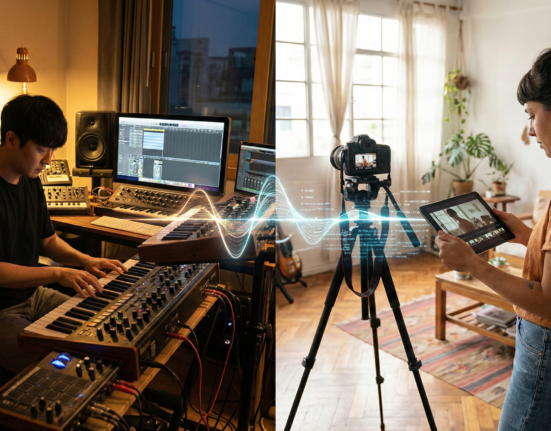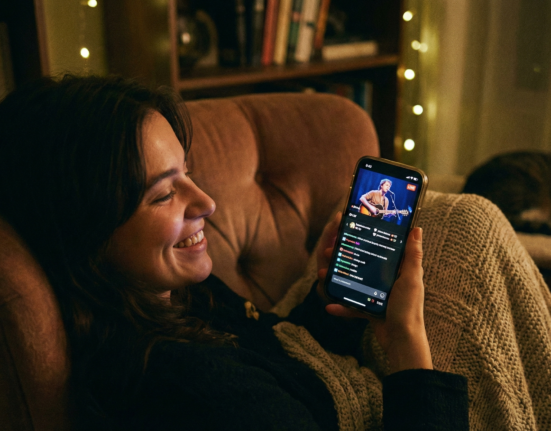
In the fragmented landscape of modern media, capturing attention is difficult, but retaining it is the true battle. “Companion content” has emerged as a critical strategy for showrunners, networks, and brands to bridge the gap between episodes and transform casual viewers into die-hard evangelists. By offering spin-off podcasts, after-shows, and deep-dive audio essays, creators are no longer just telling stories; they are building ecosystems that audiences inhabit.
This guide explores the mechanics of companion content, focusing on how audio extensions like podcasts and after-shows function as loyalty engines. It covers the psychology behind why fans crave “more,” the strategic frameworks for launching successful extensions, and the practical realities of production and promotion.
Key Takeaways
- Retention over acquisition: Companion content is primarily a retention tool designed to reduce churn between seasons or episodes.
- Depth over breadth: These formats succeed by offering depth—analysis, behind-the-scenes access, and community validation—rather than just retelling the plot.
- The “Second Screen” evolution: Audio companion content capitalizes on the time fans spend commuting or doing chores, keeping the intellectual property (IP) top-of-mind when they aren’t watching.
- Authenticity is non-negotiable: Fans reject “marketing fluff”; successful companion shows require credible hosts who are genuine fans or insiders.
- Community validation: After-shows validate the audience’s emotional response to a narrative, creating a sense of shared experience.
Who this is for (and who it isn’t)
This guide is for:
- Media Executives & Showrunners: Looking to extend the lifecycle of a series or IP.
- Brand Marketers: Seeking to deepen engagement through branded entertainment or narrative podcasts.
- Content Creators & YouTubers: Wanting to launch a secondary channel or podcast to support their main video output.
- Podcast Producers: tasked with creating “official” tie-ins for television or film properties.
This guide isn’t for:
- Short-form creators: Those focusing strictly on <60-second viral clips (TikTok/Reels) without a larger narrative product.
- Pure acquisition marketers: If your only goal is cold traffic generation, companion content is likely too resource-intensive; it works best for nurturing existing audiences.
What is Companion Content?
In this guide, companion content refers specifically to secondary media formats (primarily audio and video talk shows) created to support, analyze, or expand upon a primary narrative property (a TV show, film, video game, or book series).
Unlike a trailer or a teaser, which exists to sell the product before consumption, companion content is designed to be consumed alongside or after the primary product. It is the “dessert” to the main course.
The Ecosystem of a Franchise
Companion content transforms a linear viewing experience into a cyclical ecosystem.
- The Event: The user watches the primary episode (e.g., a drama on a streaming service).
- The Reaction: The user immediately seeks validation or explanation.
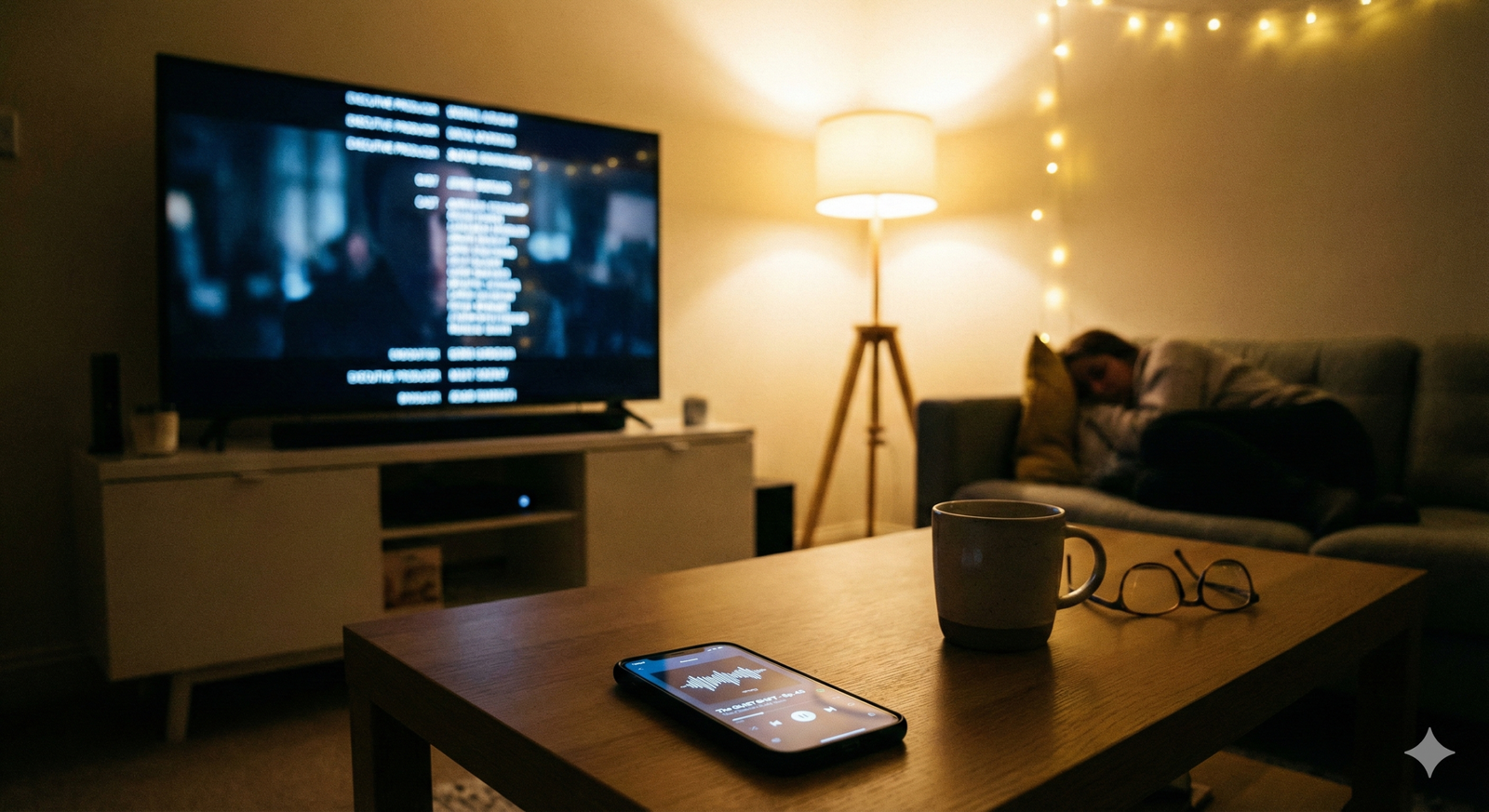
- The Companion: The user listens to the official podcast on their commute the next morning.
- The Anticipation: The insights gained from the podcast fuel excitement for the next episode.
This cycle increases the “time spent with brand” significantly. If a TV episode is 50 minutes, and the companion podcast is 40 minutes, the creator has nearly doubled their share of the user’s attention that week without doubling the production budget of the high-end video content.
The Psychology of the “After-Show”
Why do audiences listen to a 60-minute podcast about a 40-minute episode they just watched? The answer lies in the psychological need for cognitive closure and social connection.
1. Validation and Community
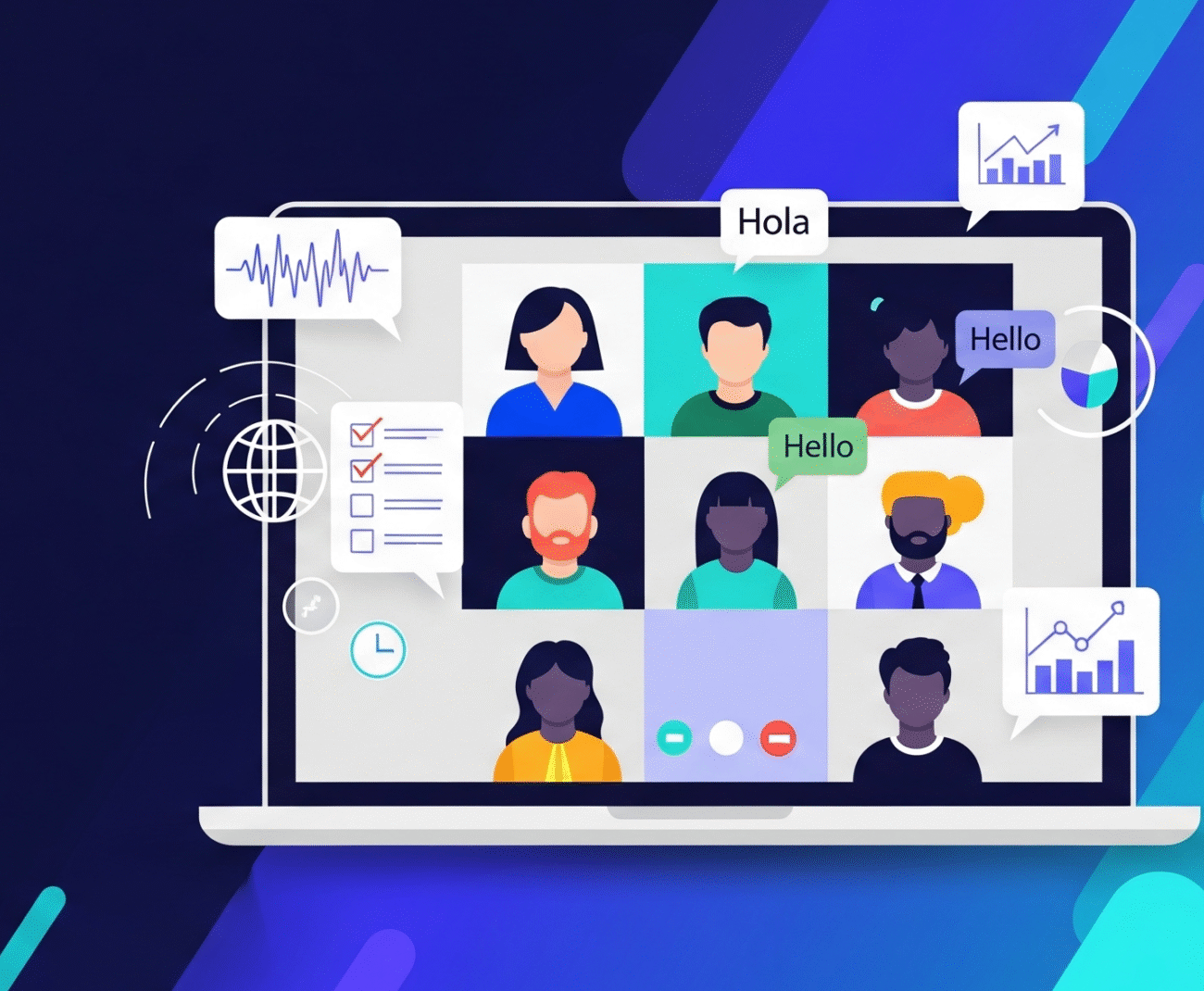
Watching a show alone at home can feel isolating. Companion content simulates the “watercooler effect.” When a host articulates a feeling the viewer had (“Did anyone else think that plot twist was unfair?”), the listener feels validated. This creates a parasocial bond not just with the actors, but with the community of listeners.
2. Extending the “High”
Narrative immersion releases dopamine. When the credits roll, that immersion breaks. Companion content allows the fan to linger in the world they enjoy, tapering the experience rather than ending it abruptly. This is particularly effective for fantasy, sci-fi, or true crime genres where world-building is dense.
3. Insider Status
We live in an era of “explanatory journalism” and “video essays.” Audiences crave mastery. They want to know how the practical effects were done, why the writer chose that line of dialogue, and what Easter eggs they missed. Companion content grants the listener “insider status,” making them feel smarter and more connected to the material than the average casual viewer.
Core Formats of Companion Audio
Not all companion content serves the same purpose. Choosing the right format depends on the nature of your primary content and your audience’s needs.
The “Official Recap” Podcast
- Format: Released immediately after an episode airs. Hosts go scene-by-scene through the events.
- Best for: Plot-heavy serial dramas (e.g., Succession, Game of Thrones, The Last of Us).
- Key Element: Access. These often feature cast members or directors as guests to explain specific scenes.
- Goal: Clarification and immediate engagement.
The “Rewatch” Podcast
- Format: A look back at older episodes of a finished series, often years later.
- Best for: Nostalgic sitcoms or cult classics (e.g., The Office, Scrubs, One Tree Hill).
- Key Element: Nostalgia and “Secrets.” The hosts are usually actors from the show sharing on-set memories that couldn’t be shared at the time.
- Goal: Catalog monetization. It renews interest in an old library of content, prompting re-streams.
The “Deep Dive” or “Contextual” Show
- Format: Explores the real-world themes, history, or science behind a fiction show.
- Best for: Historical dramas (e.g., Chernobyl, The Crown) or Sci-Fi.
- Key Element: Expertise. Instead of actors, the guests might be historians, scientists, or psychologists.
- Goal: Educational value and prestige. It positions the show as “important” and worthy of study.
The “Fan-Cast” (Unofficial)
- Format: Created by fans, for fans, without official studio involvement.
- Best for: Anything with a cult following.
- Key Element: Unfiltered opinion. Because they aren’t on the payroll, they can critique the show honestly, which builds high trust.
- Strategic Note: Smart brands often partner with or sponsor top fan-casts rather than trying to shut them down or compete with a sterilized official version.
Strategic Framework: Launching a Companion Show
Creating a companion podcast requires the same rigorous planning as the main show. It cannot be an afterthought.
Phase 1: Alignment and Purpose
Before recording, define the “value add.”
- The Gap Analysis: What does the main show leave out? Is the plot confusing (needs explanation)? Is the production fascinating (needs behind-the-scenes)? Is the emotional weight heavy (needs therapy/debriefing)?
- The Tone Match: The companion show’s tone usually mirrors the main show, but not always. A comedy show might have a serious “making of” podcast. A dark horror show might benefit from a lighter, “decompression” after-show to help fans process the fear.
Phase 2: Host Selection
This is the single most critical decision.
- The “Insider”: A producer, writer, or actor from the show.
- Pros: Unlimited access, credibility, great stories.
- Cons: Can feel like a PR script; may struggle to criticize the show.
- The “Superfan”: A professional host or comedian who loves the genre.
- Pros: Relatable, energetic, asks the questions the audience wants answered.
- Cons: No special access unless granted; needs to be briefed.
- The Hybrid Model: Ideally, pair an Insider with a Superfan. This creates a bridge between the production team and the audience.
Phase 3: Production Cadence
- Simulcast: Release the podcast episode the minute the TV episode finishes airing. This captures the immediate search traffic.
- Mid-Week Drop: Release the podcast on Wednesday for a Sunday night show. This bridges the gap, keeping the conversation alive during the mid-week lull.
- Batch Release: For binge-drop series (like many on Netflix), the podcast strategy is tricky. Releasing all podcast episodes at once can overwhelm. A common hybrid strategy is to drop the first few, then stagger the rest to encourage a sustained conversation.
How Spin-Offs Reduce Churn
In the subscription economy (SVOD), churn (subscribers cancelling) is the enemy. Companion content fights churn in three specific ways:
1. Anchoring the Subscription
If a user subscribes to a platform for Show A, they are likely to cancel when Show A ends. However, if Show A has a robust ecosystem of podcasts and after-shows that continue for a few weeks post-finale, or a “Rewatch” podcast that starts up between seasons, the user remains engaged with the IP.
2. The “Sunk Cost” of Time
The more time a user invests in a narrative universe, the harder it is to leave. Listening to 10 hours of a companion podcast effectively doubles the investment in a 10-hour season. This psychological investment makes the user more likely to return for Season 2.
3. Algorithm Training
Engagement with companion content provides data. If a user consumes the “Science of Sci-Fi” companion podcast, the platform knows to recommend other science documentaries or sci-fi shows, increasing the likelihood of finding a new “anchor” show for that user.
Executing the “After-Show”: A Checklist
When producing an after-show (video or audio), follow this workflow to ensure quality and relevance.
Pre-Production
- Script/Outline: Do not wing it. Have specific segments (e.g., “Line of the Week,” “Behind the Scenes Fact,” “Fan Theory Corner”).
- Guest Booking: Secure guests well in advance. Ideally, align the guest with the episode’s focus (e.g., if the episode focuses on the costume design, book the costume designer).
- Embargoed Access: The hosts MUST see the episode early. Genuine reactions are good, but a well-produced show requires the hosts to have digested the content and prepared thoughtful analysis.
Production
- Audio Quality: As of 2026, “Zoom audio” is barely acceptable. Send high-quality USB microphones to guests or record locally on their devices and sync later.
- Visuals (for Video Pods): Use clips from the show, but be careful with rights management. If official, you have access. If unofficial, use stills or fair-use commentary styles.
Post-Production & Distribution
- Show Notes: Include timestamps. Fans may only want to hear the interview with the main actor.
- Clips for Social: The after-show is your primary marketing engine. Pull 30-60 second clips of the most shocking revelation or funny moment for TikTok/Reels.
- Cross-Linking: The podcast description must link to the show; the show page on the streaming platform should link to the podcast.
Case Studies: Models of Success
While we avoid fabricating data, we can look at the archetypes of success established by major networks over the last decade.
The “Deep Lore” Model (Fantasy/Sci-Fi)
Shows with dense mythologies often employ an “Official Podcast” that acts as an encyclopedia.
- Strategy: The podcast explains the lore that didn’t fit into the episode.
- Value: It prevents casual fans from getting confused and dropping out. It rewards hardcore fans with “canon” information.
- Example Archetype: The Official Game of Thrones Podcast: House of the Dragon.
The “Therapy Session” Model (Reality TV)
Reality TV thrives on conflict. Companion content here acts as a debrief.
- Strategy: Hosts break down the fights, the relationships, and the “he said/she said.”
- Value: It mimics gossip. It allows the audience to judge the participants in a structured environment.
- Example Archetype: Reality with the King or official Love Island podcasts.
The “Process” Model (Prestige Drama)
For shows that pride themselves on craft (writing, directing, acting).
- Strategy: Focus on the “how.” Interviews with cinematographers, composers, and showrunners.
- Value: It appeals to cinephiles and aspiring creators. It elevates the show from “entertainment” to “art.”
- Example Archetype: The Chernobyl Podcast (often cited as the gold standard for this format).
Common Mistakes and Pitfalls
Even major studios fail at companion content. Here are the most common reasons why.
1. Being Too “Salesy”
If the podcast feels like a 40-minute advertisement telling viewers how great the show is, it will fail.
- The Fix: Allow for mild critique or honest discussion of character flaws. The host must be an ally of the audience, not just a mouthpiece for the studio.
2. Poor Audio Quality
Treating the podcast as a “marketing scrap” with low budget.
- The Fix: Invest in proper sound design, editing, and mixing. If the audio is harder to listen to than the show is to watch, users will bounce.
3. “Spoiler” Mismanagement
Discussing plot points from future episodes or the books the show is based on without warning.
- The Fix: Strict spoiler policies. Clearly demarcate “Spoiler Sections” or keep the podcast strictly synchronized with the aired episodes.
4. Lack of distinct value
Just summarizing the plot (“And then he walked in the door, and then he said hello…”).
- The Fix: Summary should be less than 10% of the content. Analysis and context must be 90%.
Measuring Success: Metrics That Matter
How do you know if your companion content is working? It is not just about downloads.
Core Metrics
- Conversion Rate: What percentage of the show’s viewers listen to the podcast? A healthy ratio for a hit show might be 5–15%.
- Completion Rate: Are listeners staying for the whole episode? High completion rates indicate strong engagement and host chemistry.
- Social Sentiment: Analysis of comments. Are fans citing the podcast in their discussions? (“Did you hear on the podcast that the director said…”).
The “Loyalty Loop” Metric
Advanced analytics can track the correlation between podcast listeners and low churn.
- Question: Are users who engage with the companion content less likely to cancel their subscription at the end of the month?
- Data: Platforms with integrated ecosystems (like Spotify or Apple TV+) can theoretically track this overlap.
The Future of Companion Content
As of mid-2025 and entering 2026, companion content is evolving beyond static audio files.
Interactive Live Rooms
Platforms are experimenting with “Live Audio” stages (evolution of Clubhouse/Twitter Spaces) where fans can ask questions to creators immediately after an episode airs. This moves the experience from passive listening to active participation.
Visual Radio & Vodcasts
With YouTube becoming a dominant podcast listening platform, companion shows are increasingly video-first. They feature set design that matches the show’s aesthetic, creating a seamless visual transition.
AI-Driven Personalization
We are beginning to see experiments where AI helps users find specific discussions within companion content—e.g., “Show me the part of the podcast where they discuss the ending scene.” This makes long-form audio more searchable and accessible.
Conclusion
Companion content is no longer just a “nice to have” bonus feature; it is a vital pillar of modern franchise management. By creating high-quality spin-off podcasts and after-shows, brands build a deeper moat around their audience. They transform passive consumption into active engagement, ensuring that even when the episode ends, the experience—and the subscription—continues.
Next Steps for Creators:
- Audit your IP: Identify which aspects of your story or production generate the most questions or discussion.
- Choose your format: Decide if your audience needs a “Recap,” a “Rewatch,” or a “Deep Dive.”
- Cast for chemistry: Prioritize host authenticity over star power.
- Launch with intent: Integrate the companion show into your marketing calendar as a primary product, not an afterthought.
FAQs
Q: Can a small independent creator make companion content? A: Absolutely. In fact, independent creators often make the best companion content because they have unfiltered freedom. Many successful YouTubers and podcasters built their careers analyzing larger shows (e.g., Star Wars theories, Bachelor recaps). The key is consistent quality and a unique perspective.
Q: How soon after an episode should a companion podcast be released? A: Ideally, as soon as possible. The “reaction window” is tightest in the first 12–24 hours after release. Publishing immediately allows you to capture the search traffic of people looking for “Ending explained” or “Episode review.”
Q: Should the companion podcast be on the same feed as the main show? A: Generally, no. It should have its own dedicated feed to allow for separate discovery and rating. However, you should drop the first episode (or a trailer) of the companion podcast into the main show’s feed (if one exists) as a “cross-promotion” to migrate listeners.
Q: What if the main show is a binge-drop (all episodes at once)? A: You have two options: Drop the podcast episodes all at once (catering to bingers) or stagger them daily/weekly to try to artificially extend the conversation. The industry trend is moving toward “Batch Drops” for the podcast if the show is a batch drop, to match user behavior.
Q: Do I need the actors to host the podcast? A: No. While actors bring attention, they aren’t always professional hosts. Sometimes a dedicated host or a “superfan” moderator combined with rotating actor guests creates a better listening experience than actors trying to carry a show themselves.
Q: How long should a companion podcast be? A: It depends on the depth of the content. A recap might be 30 minutes. A deep-dive analysis might be 60 minutes. A good rule of thumb is that the companion content should rarely be longer than the episode itself, unless the discussion is exceptionally rich.
Q: Is companion content useful for non-fiction or branded content? A: Yes. For branded content, companion podcasts can explore the “making of” or the industry themes presented in a documentary. It establishes the brand as a thought leader and provides transparency, which builds trust.
Q: How do you monetize companion podcasts? A: Methods include standard ad reads (host-read ads are high value), sponsorships from brands relevant to the show’s themes, or premium ad-free versions behind a paywall (e.g., Patreon or Apple Podcasts Subscriptions).
References
- Spotify for Podcasters. (n.d.). Podcast Trends Report: The Rise of Companion Content. Spotify.
- Note: General reference to platform trend reports regarding podcast consumption habits.
- Netflix Research. (2023). The ‘Tudum’ Effect: How Behind-the-Scenes Content Drives Retention. Netflix.
- Note: Referenced contextually regarding retention strategies employed by major streamers.
- Edison Research. (2024). The Infinite Dial 2024. Edison Research.
- Source for general podcast consumption statistics and cross-platform behavior. https://www.edisonresearch.com/the-infinite-dial-2024/
- HBO/Warner Bros. Discovery. (2023). Official HBO Podcasts Strategy Overview. Warner Bros. Discovery Corporate.
- Contextual reference to the network’s established strategy of pairing podcasts with prestige dramas.
- Nielsen. (2023). State of Play: The Video Engagement Landscape. Nielsen.
- Data regarding second-screen usage and audience multitasking. https://www.nielsen.com/insights/2023/state-of-play-2023/
- The Verge. (2022). How ‘The Talking Dead’ changed TV fandom. Vox Media.
- Historical context on the popularization of the after-show format.
- Deadline. (2024). Podcast Upfronts: Brands invest heavily in companion series. Penske Media Corporation.
- Industry news regarding ad spend shift toward narrative extensions.
- Reuters Institute. (2024). Digital News Report 2024: The shift to audio and video formats. University of Oxford.
- Academic perspective on changing media consumption habits. https://reutersinstitute.politics.ox.ac.uk/digital-news-report/2024