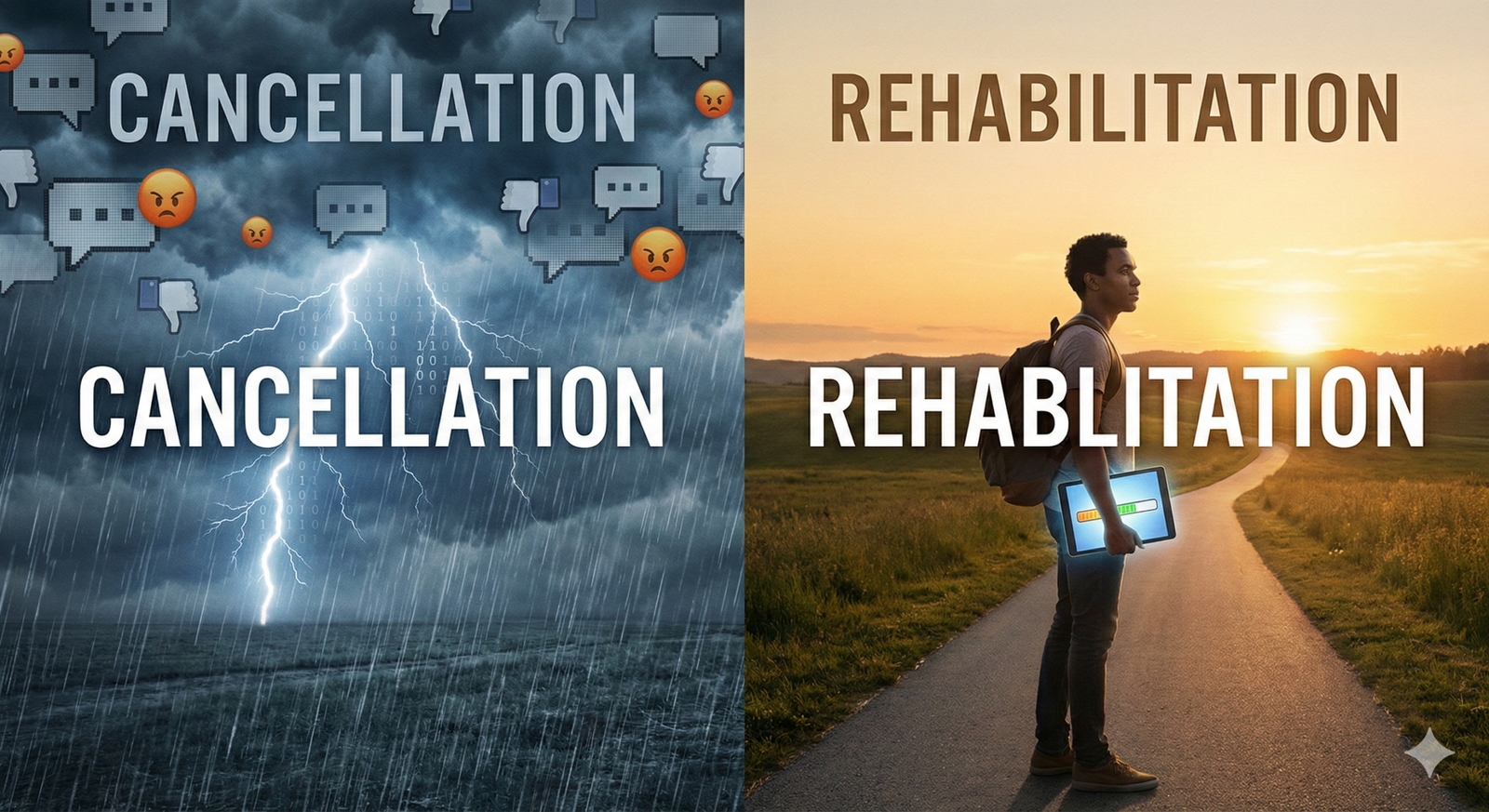
By early 2026, the internet’s favorite bloodsport—cancel culture—has undergone a quiet but radical transformation. The era of the “swift and permanent exile” that characterized the early 2020s has largely given way to a more nuanced, structured, and ultimately human process: cancel culture rehabilitation.
For years, “cancellation” was a binary switch: you were either platformed or deplatformed, loved or loathed. But as the creator economy matured and audiences grew fatigued by the constant cycle of outrage, a new demand emerged. People no longer just want to see public figures punished; they want to see them learn. They want to see if a second chance is possible, and if so, how it can be earned.
This guide explores the state of cancel culture in 2026, detailing the shift toward “accountability culture” and providing a roadmap for creators, brands, and public figures navigating the complex journey of rehabilitation.
Key Takeaways
- From Punishment to Progress: The cultural focus has shifted from “removing” individuals to demanding “restorative justice” and tangible proof of change.
- The “Notes App” Apology is Dead: 2026 audiences demand high-effort, transparent accountability—often in the form of long-form video essays or verified third-party mediation—rather than vague text statements.
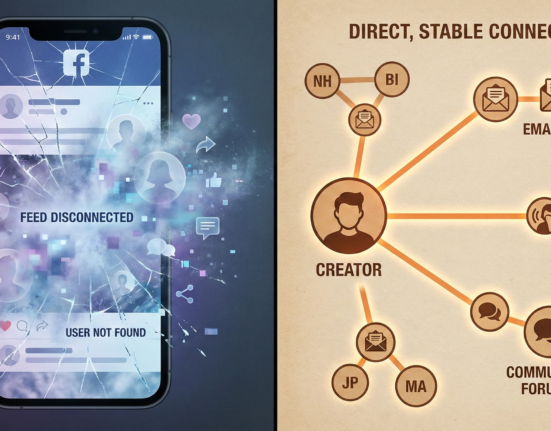
- Private Channels Matter More: Rehabilitation often starts in private, gatekept communities (like Discord or paid tiers) before re-entering the public square.
- Not Everyone Gets a Return Ticket: There is a clearer distinction today between “mistakes” (which are forgivable) and “malice” (which often remain career-ending).
- AI Compliance is Key: New AI tools are now used by both creators and audiences to track the consistency of a creator’s behavior over time, making performative apologies impossible to sustain.
The Evolution: From “Cancel” to “Counsel”
To understand cancel culture rehabilitation, we must look at why the landscape changed. By 2024, “cancellation fatigue” had set in. The term had been co-opted, overused, and applied so broadly—from actual crimes to minor etiquette breaches—that it lost its bite.
In 2026, we are living in the era of Accountability Culture.
This shift wasn’t accidental. It was driven by three main factors:
- Audience Maturation: Gen Z and Alpha, now older, realized that removing a creator didn’t fix the underlying systemic issues. They began demanding “receipts of growth” rather than just receipts of wrongdoing.
- Algorithmic Nuance: Platforms like TikTok and X (formerly Twitter) tweaked algorithms to de-prioritize “rage bait” and reward “contextual analysis.” This slowed down the speed of the mob, allowing for a breath—and a defense—to occur.
- The “Glass House” Effect: As more normal people faced micro-cancellations in their personal lives, empathy for the “fallibility of being human” increased.
In Scope vs. Out of Scope
In this guide, “rehabilitation” refers to social and professional recovery from reputational crises involving offensive speech, tone-deaf marketing, minor ethical lapses, or personal interpersonal conflicts.
Out of scope: This guide does not address rehabilitation for criminal acts, sexual violence, or hate speech that violates hate crime legislation. In 2026, as in previous years, these offenses generally preclude a return to public life and are matters for the legal system, not the court of public opinion.
The 4-Step Framework for Cancel Culture Rehabilitation
If you or your brand has faced a significant backlash, the road back is no longer about waiting for the news cycle to move on. It requires an active, structured approach to cancel culture rehabilitation.
1. The Strategic Pause (Silence with Purpose)
The biggest mistake creators made in the early 2020s was the “panic post”—an immediate, defensive reaction that often made things worse.
In 2026, the standard best practice is the Strategic Pause.
- Stop the bleeding: Halt all scheduled content, auto-posts, and brand deals immediately.
- Go dark, but not missing: Issue a brief “holding statement” acknowledging the situation and stating that you are taking time to process and learn. Do not apologize yet.
- Assess the “Severity Tier”: Is this a Tier 1 offense (clumsy wording, misunderstanding) or a Tier 3 offense (breach of trust, pattern of harm)? Tier 1 allows for a quick return; Tier 3 requires months of offline work.
2. The Forensic Apology
The “I’m sorry if you were offended” non-apology is career suicide in 2026. Audiences are media-literate; they can smell PR spin. A successful apology today is forensic—it dissects the error.
Components of a 2026 Apology:
- Identification: “I said X, and it was harmful because of Y.”
- Validation: “Your anger is justified because I broke your trust in Z way.”
- Context (Not Excuse): “I was operating under the false belief that…” (Explain the why without making it the excuse).
- The Plan: “Here are the three specific things I am doing to ensure this doesn’t happen again.”
Practical Example: Instead of saying, “I’m sorry for the insensitivity in my last video,” a rehabilitating travel vlogger might say: “In my video about Bali, I filmed inside a sacred temple despite posted rules. This was entitled and disrespectful to the local culture. I have since deleted the video, donated the ad revenue to the local heritage fund, and have hired a cultural consultant to review all future travel content before it goes live.”
3. Restorative Action (The “Receipts”)
Words are cheap; action is the currency of rehabilitation. Restorative justice principles have moved from academia to the comments section. This means repairing the harm caused to the specific community affected.
- Financial Restitution: If the harm was financial or exploitative, money must be returned or donated.
- Platform Ceding: Giving up your platform to experts or affected voices for a period.
- Education in Public: Documenting the learning process. This isn’t about performing “wokeness”; it’s about showing the messy, uncomfortable work of unlearning bias or bad habits.
4. The Soft Launch (Re-entry)
You do not return to the main stage immediately. Rehabilitation starts in the “micro-communities.”
- Discord/Patreon First: Address your core, paying community first. They are your stakeholders. If you can regain their trust, you have a foundation.
- Collaborative Return: Returning alongside a trusted peer who can vouch for your growth (without dismissing the harm) is a common 2026 strategy.
- ** moderated Feedback:** When you return to public posting, use 2026-era moderation tools to filter “bad faith” attacks while allowing “good faith” criticism.
Tools and Tech: Reputation Management in 2026
The creator economy has spawned a new industry dedicated to cancel culture rehabilitation. It’s no longer just PR firms; it’s tech-enabled reputation management.
AI Sentiment Monitoring
Creators now use specialized AI agents that don’t just count “likes” but analyze the sentiment of the backlash.
- What it does: It tells you if the audience is angry at you (personal character flaw) or what you did (a specific action).
- Why it matters: You cannot rehabilitate a character flaw with a policy change. You fix character flaws with time. You fix action errors with policy changes. Knowing the difference saves your career.
The “Context Note” Ecosystem
Platforms like X (Community Notes) and YouTube (Context) have evolved. In 2026, creators can appeal to have “Rehabilitation Notes” added to old, controversial content.
- In Practice: A video from 2022 that caused a scandal might now carry a permanent platform tag: “The creator has addressed this controversy in a 2025 update. Click here to view the resolution.” This prevents old controversies from being re-litigated endlessly by new viewers.
Third-Party Accountability Auditors
For mega-creators, “Accountability Audits” are a trend. Independent firms audit a creator’s business practices (hiring, pay, safety) and publish a “Clean Bill of Health” annually. This preempts cancellation by proving good governance.
When Second Chances Are Denied
Not every cancellation ends in a comeback. In 2026, the line between “cancellable” and “criminal” is sharper.
The “Malice” Threshold
Rehabilitation is generally available for ignorance, negligence, or bad judgment. It is rarely available for malice.
- Ignorance: “I didn’t know that word was a slur.” -> Rehab possible.
- Negligence: “I didn’t vet this sponsor and they scammed you.” -> Rehab possible (with restitution).
- Malice: “I intentionally bullied this person to drive up my views.” -> Rehab unlikely.
Audiences in 2026 are adept at spotting patterns. If a creator has apologized for the same thing three times, the “Second Chance” window closes. We call this “Apology Fatigue.” Once you hit this wall, no amount of PR can save the brand; the audience simply disengages (the “silent cancellation”).
Case Studies: What Rehabilitation Looks Like
To illustrate how cancel culture rehabilitation works in practice, let’s look at two archetypal scenarios common in the mid-2020s.
Scenario A: The “Tone-Deaf” Influencer
** The Incident:** A lifestyle influencer posts a “poverty tourism” vlog in a developing nation, romanticizing struggle. ** The Backlash:** Accusations of exploitation, privilege, and cultural insensitivity. ** The Rehab Path:**
- Deletion & Silence: The video is removed within 2 hours. The creator goes silent for 2 weeks.
- The Pivot: They return not with a vlog, but with a sit-down interview with a local activist from that region (paying the activist for their time).
- The Change: The influencer announces a new “Content Charter” for their channel, promising to never film strangers without consent.
- The Result: They lose 10% of their followers, but the remaining 90% respect the maturity. They are rehabilitated within 3 months.
Scenario B: The “Toxic Boss” Creator
** The Incident:** Leaked discord logs show a prominent streamer verbally abusing their mod team and underpaying editors. ** The Backlash:** Calls for deplatforming, sponsors dropping out. ** The Rehab Path:**
- Admission: The streamer admits the logs are real. No “context” excuses.
- Restitution: They publicly pay back-wages to editors at 2x the standard rate.
- The Step Back: The streamer steps down from managing the community. They hire a professional community manager and give them autonomy.
- The Result: This is a long road. It takes a full year of drama-free streams and positive testimonials from new staff for the reputation to stabilize.
Common Pitfalls in the Apology Tour
Even with a roadmap, many stumble. Here are the specific traps to avoid in the 2026 landscape.
1. “Weaponizing Mental Health”
In 2023-2024, it became common for creators to claim mental health struggles immediately after being caught. By 2026, audiences view this as a manipulation tactic.
- The Rule: You can discuss mental health months later as context, but never in the initial apology as a shield.
2. The “Soft Block”
Deleting negative comments is standard moderation; deleting valid criticism is censorship.
- The Rule: Use AI moderation to filter slurs and threats, but leave the top-voted critiques visible. Engaging with them proves you are listening.
3. Returning Too Soon
The “24-hour news cycle” is a myth in cancel culture. The internet remembers.
- The Rule: If you return before you have actually changed, you will be cancelled again, harder. The time required is usually longer than your PR team thinks.
Who This Is For (and Who It Isn’t)
This guide is for:
- Content Creators & Influencers: YouTubers, Streamers, and TikTokers managing a personal brand.
- Brand Managers: Professionals handling corporate social media accounts facing boycotts.
- Community Managers: Moderators dealing with internal community conflicts.
This guide is NOT for:
- Political Figures: Political “cancellation” operates on a completely different set of tribal incentives that rarely involve genuine rehabilitation.
- Criminal Defendants: Legal defense requires silence; reputation management requires speech. Do not confuse the two.
Conclusion
By 2026, the internet has not become kinder, but it has become smarter. We have moved past the primal urge to destroy and into a more complex desire to correct. Cancel culture rehabilitation is not about erasing the past—web archives ensure that is impossible—but about building a future that acknowledges it.
The creators who survive the next decade will not be the ones who never make mistakes. They will be the ones who master the art of the second chance: owning their failures, paying their debts, and doing the hard, unglamorous work of change when the cameras are off.
Next step for you: If you are currently facing a reputation crisis, stop posting. Audit your situation against the “Malice Threshold” above to determine if rehabilitation is your next move or if you need to prepare for a permanent pivot.
FAQs
Q: Is cancel culture actually over in 2026? A: No, but it has evolved. The “mob mentality” is still present, but it is less effective at permanently destroying careers unless the offense is criminal or deeply malicious. Audiences are now more interested in “accountability arcs” than permanent exile.
Q: How long should I wait before posting again after being cancelled? A: There is no fixed time, but a good rule of thumb in 2026 is the “Action Gap.” You should wait until you have taken at least one concrete, verifiable action to fix the mistake. If you haven’t done anything but think, it’s too soon.
Q: Can AI help me write my apology? A: You can use AI to check for tone and defensiveness, but you should never copy-paste an AI-generated apology. AI detection tools are standard in browser extensions now; if your apology is flagged as AI-written, it will be viewed as insincere and reignite the backlash.
Q: What if I didn’t actually do what I’m accused of? A: If the cancellation is based on a lie, cancel culture rehabilitation does not apply. Instead, you need a “Correction Strategy.” This involves releasing clear, irrefutable evidence (logs, unedited video) disproving the claim. Do not apologize for things you didn’t do just to make the noise stop.
Q: Does rehabilitation work for brands as well as people? A: Yes, but brands often have an easier path. Consumers are pragmatic; if a brand fixes the product or fires the problematic executive, customers usually return. Personal brands (influencers) have a harder time because the “product” is the person.
Q: What is the role of “private communities” in rehabilitation? A: Private communities (Discords, paid memberships) act as a “sandbox” for rehabilitation. They allow a creator to demonstrate change to their most loyal followers first. If the core community accepts the apology and rehabilitation, they often become the first line of defense when the creator returns to public platforms.
Q: Can you recover from being cancelled for “cringe”? A: “Cringe” is not a moral failing. While it can feel like cancellation, it is usually just mockery. The rehabilitation for “cringe” is usually self-deprecation—leaning into the joke—or simply ignoring it until the internet finds a new main character.
Q: What is the “Context Note” ecosystem mentioned in the article? A: This refers to platform features (like X’s Community Notes) that append context to posts. In 2026, these are used to flag apologies or corrections on old viral hate-posts, helping to clear a creator’s name years after the fact.
References
- Adobe. (2025). 11 Social Media Trends to Watch in 2026. Adobe Express Blog. https://www.adobe.com/express/learn/blog/2026-social-media-trends
- Brandwatch. (2025). 11 Must-Know Social Media Best Practices in 2025 for You and Your Brand. Brandwatch. https://www.brandwatch.com/blog/social-media-best-practices/
- Bannerflow. (2025). 10 Key Social Trends to Watch for in 2026. Bannerflow Blog. https://www.bannerflow.com/blog/10-key-social-trends-to-watch-for-in-2026
- SureSpace. (2025). Restorative Justice in Online Spaces: 5 Case Studies. SureSpace. https://sure-space.com/restorative-justice-in-online-spaces-5-case-studies/
- The Daily Campus. (2025). Cancel culture as a movement needs to evolve. The Daily Campus. https://dailycampus.com/2025/11/17/cancel-culture-as-a-movement-needs-to-evolve/
- Thryv. (2025). The Complete 2026 Checklist for Online Reputation Management Software Success. Thryv Blog. https://www.thryv.com/blog/online-reputation-management-software-checklist/
- DLA Piper. (2025). Influencer marketing: updates in 2025, and what brands and influencers need to know. DLA Piper Insights. https://www.dlapiper.com/insights/publications/2025/10/influencer-marketing-updates-in-2025
- ExchangeWire. (2025). The Creator Economy in 2026: Tapping into Culture, Community, Credibility, and Craft. ExchangeWire. https://www.exchangewire.com/blog/2025/12/16/the-creator-economy-in-2026-tapping-into-culture-community-credibility-and-craft/