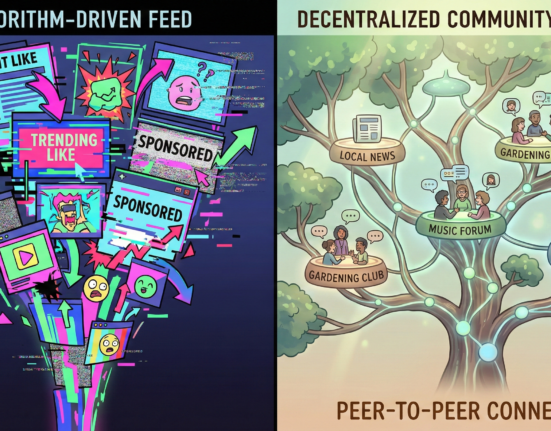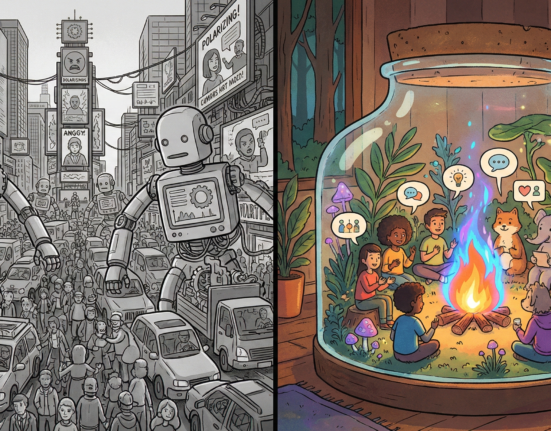
The era of the “universal town square” on social media is fracturing. For over a decade, brands, creators, and individuals relied on the algorithmic serendipity of platforms like Instagram, X (formerly Twitter), and TikTok to distribute content to the masses. However, a significant shift is occurring. Users are increasingly reporting “algorithm fatigue”—a sense of exhaustion caused by an endless feed of recommended content that feels impersonal, hyper-optimized for retention rather than connection, and often irrelevant to their actual interests.
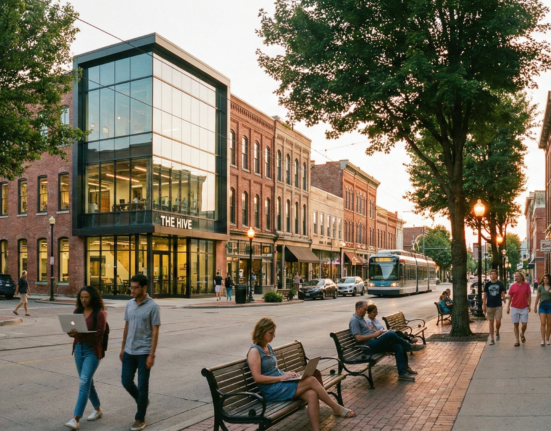
As of early 2026, the digital pendulum is swinging back toward intimacy. We are witnessing a migration from public feeds to private spaces: the rise of niche communities. These are micro-environments where context, shared identity, and peer-to-peer value exchange replace the lottery of viral reach. For businesses and creators, this transition requires a fundamental unlearning of “broadcasting” tactics and an embrace of “gathering” strategies.
In this guide, “niche communities” refers to distinct, specialized groups of people united by a specific interest, profession, or identity, often hosted on platforms that prioritize chronologically ordered or topic-based discussion over algorithmic sorting (e.g., Discord, Slack, Circle, or private newsletters).
Key takeaways
- The “Cozy Web” shift: Users are moving away from public performance on major platforms toward “dark social” channels where conversations are private and safer.
- Depth over width: Niche communities prioritize high-value engagement and retention over vanity metrics like follower count or reach.
- Owned infrastructure: Building a community allows you to bypass gatekeepers, owning the relationship with your audience rather than renting it from an algorithm.
- Peer-to-peer value: The most successful communities function not because the brand talks to the members, but because members talk to each other.
- Sustainability: Unlike the treadmill of content creation required for algorithmic relevance, communities build cumulative value that compounds over time.
Who this is for (and who it isn’t)
This guide is designed for community managers, brand strategists, niche creators, and business owners who are tired of shouting into the void of social media and want to build a resilient, high-retention asset. It is relevant for those willing to invest time in human relationships.
This guide is not for growth hackers looking for “viral shortcuts,” marketers seeking a purely broadcast channel to dump promotional links, or those unwilling to moderate and nurture human interactions personally.
1. The drivers of algorithm fatigue and digital fragmentation
To build a solution, we must first understand the mechanics of the problem. Algorithm fatigue is not just boredom; it is a structural rejection of how modern social media platforms curate reality.
The loss of agency
Historically, social media feeds were chronological. You saw what your friends posted in the order they posted it. Today, “For You” algorithms prioritize retention above all else. They serve content predicted to keep eyes on the screen, often prioritizing outrage, shock value, or hyper-stimulated entertainment. Users feel a loss of agency; they are no longer exploring the web, but passively consuming a feed that often misunderstands their actual intent.
The concept of “Enshittification”
Coined by writer Cory Doctorow, this term describes the lifecycle of platforms where they first offer value to users, then abuse users to offer value to business customers, and finally abuse both to claw back value for themselves. As major platforms increase ad loads and decrease organic reach to force “pay-to-play” dynamics, both creators and consumers are looking for exits. Niche communities act as lifeboats, preserving the original promise of the internet: connection without the interference of a profit-maximizing intermediary.
The rise of “Dark Social”
A massive percentage of sharing now happens in “dark social” channels—direct messages (DMs), WhatsApp groups, Slack channels, and emails—where tracking pixels cannot reach. Attribution software fails to capture this activity, leading brands to undervalue it. However, this is where actual influence lives. When a recommendation comes from a trusted peer in a private Discord server, it carries significantly more weight than a sponsored post on a public feed.
2. Defining the niche community: Audience vs. Community
A critical mistake organizations make is confusing an audience with a community. In the age of algorithm fatigue, having an audience is precarious; having a community is an asset.
The “One-to-Many” vs. “Many-to-Many” model
- Audience (One-to-Many): You stand on a stage and speak. The audience listens to you. They may applaud (like) or shout a brief comment, but their primary relationship is with you. If you leave the room, the room empties.
- Community (Many-to-Many): You build the room. People come to talk to each other. You facilitate, moderate, and guide, but you are not the sole source of value. If you leave the room for a day, the conversation continues without you.
Characteristics of a thriving niche community
- Shared Identity: Members feel a sense of belonging. They identify as “one of us” (e.g., “We are ethical hackers,” “We are minimalist gardeners”).
- Rituals and Traditions: The group has recurring events, inside jokes, or specific language that solidifies the culture.
- Gatekeeping (The Good Kind): There is a boundary. Not everyone is allowed in. This exclusivity protects the signal-to-noise ratio and ensures safety.
- Distributed Trust: Members trust the collective intelligence of the group often more than they trust external experts.
3. Strategic frameworks for identifying your niche
You cannot build a community for “everyone.” The broader your scope, the weaker the connection. In an era of infinite content, specificity is the magnet.
The “Vertical Intersection” method
To find a viable niche, look for the intersection of a broad topic and a specific identity or constraint.
- Broad: Photography.
- Niche: Film photography.
- Micro-Niche: Large-format film photography for landscape artists.
The micro-niche works because the members share very specific pain points (e.g., “where to buy 4×5 film in 2026,” “how to travel with heavy gear”). These specific problems generate high-quality, specific discussions that generic algorithms cannot replicate.
Psychographics over demographics
Traditional marketing targets demographics (Age 25-34, Female, Urban). Community building targets psychographics (Values sustainability, skeptical of big tech, loves DIY repair).
- Example: A community for “Patagonia vest-wearing finance bros” is demographic. A community for “Finance professionals trying to pivot into non-profit work” is psychographic. The latter is far more powerful because it centers on a shared transition or aspiration.
The “Big Tent” vs. “Cozy Room” decision
Decide on the scale of intimacy you require.
- The Big Tent: Thousands of members. Lower barrier to entry. Good for broad networking and resource sharing. (Example: A Subreddit or large LinkedIn Group).
- The Cozy Room: Capped membership (e.g., 150 people—Dunbar’s number). High vetting. deeply personal support. (Example: A paid mastermind group or private WhatsApp sphere).
4. Selecting the infrastructure: Platform sovereignty
One of the primary cures for algorithm fatigue is moving your community to “owned” or “semi-owned” land. You need a platform where you control the reach, the data, and the rules.
Evaluating the ecosystem
There is no single “best” platform, only the best fit for your specific community architecture.
| Platform Type | Examples | Best For | Pros | Cons |
| Chat-Based | Discord, Slack, WhatsApp, Telegram | Real-time connection, gaming, tech, fast-paced cohorts. | High engagement, feels “live,” mobile-friendly. | Can be overwhelming, disorganized, difficult to archive knowledge. |
| Forum-Based | Circle, Discourse, Mighty Networks | Educational communities, professional associations, coaching. | Organized knowledge, searchable, SEO-friendly (optional), structured. | Lower “real-time” dopamine hit, requires intentional check-ins. |
| Content-First | Substack, Patreon, YouTube Memberships | Creator-led fanbases, journalism, art. | Easy monetization, focused on the creator’s output. | Often remains “audience” focused rather than true peer-to-peer. |
| Decentralized | Mastodon, Bluesky, Farcaster | Tech-savvy, privacy-focused, anti-censorship groups. | Data ownership, portability, resistance to corporate whims. | High technical barrier to entry, smaller user base. |
The “Chalkboard” principle
When choosing a platform, imagine a classroom.
- Discord is the students passing notes and shouting across the room while the teacher talks.
- Circle/Discourse is the library or the corkboard where lasting announcements and thoughtful essays are pinned.
- Social Media is the hallway outside the classroom—noisy, public, and transient.
For most professional or sustainable niche communities, a Forum-Based architecture (like Circle or Mighty Networks) often provides the best balance between engagement and sanity, preventing the burnout associated with real-time chat apps.
5. The Blueprint: How to build and launch (Step-by-Step)
Building a community is not about software; it is about architecture of human connection.
Phase 1: The Founding Members (0 to 50)
Do not launch to the public immediately. Start with a “Soft Launch.”
- Hand-pick 10-50 people: Reach out individually to your most engaged followers or customers.
- Set the DNA: These early members will establish the tone. If they are helpful and kind, the community will be helpful and kind. If they are self-promotional, the community will become a spam fest.
- Do things that don’t scale: Welcome every single person with a personalized video or message. Facilitate intros manually (“Hey Sarah, you should meet Tom, you both work in fintech”).
Phase 2: Establishing Rituals
Rituals are the heartbeat of a community. They give members a reason to return without relying on an algorithm to nudge them.
- Synchronous Rituals: Monthly Zoom AMAs, weekly “co-working” hours, live workshops.
- Asynchronous Rituals:
- Monday: Goal setting (Accountability).
- Wednesday: “Wins” or “WIP” (Work in Progress) sharing.
- Friday: Feedback requests or “Fail of the Week” (Vulnerability).
Phase 3: The Content Flywheel
In a niche community, content should spark conversation, not conclude it.
- The “Seeding” Strategy: Instead of posting a link to your blog, post a controversial or open-ended question related to the blog topic. “I just wrote about X, but I’m struggling with Y. How do you all handle this?”
- Highlighting Members: creating content about the members. “Member Spotlight” interviews are high-performing because they validate the member and show others what “success” looks like in the group.
6. The economics of niche communities: Monetization and value
Niche communities offer a path out of the “ad-revenue” trap. Because the trust and relevance are high, the monetization potential per user is significantly higher than on open social platforms.
Membership models
- Paid Membership: Users pay a monthly/annual fee for access. This is the most stable model. It aligns incentives: you work for the members, not advertisers.
- Freemium: A free general community with a paid “inner circle” for advanced coaching or exclusive content.
- Token-Gated (Web3): Access is granted based on ownership of a digital asset. (Note: While popular in 2021-2023, use this only if your specific niche values tech/crypto; otherwise, it introduces unnecessary friction).
Alternative monetization
- Sponsorships: Niche communities are gold mines for B2B sponsors. A sponsor might pay to host a webinar or have a dedicated channel. The value proposition is high-intent targeting.
- Marketplace: Taking a percentage of transactions between members (e.g., a community of designers where you facilitate job referrals).
The concept of “Enough”
In the algorithm world, you always need more views. In the community world, you need enough members to sustain the culture and the business. A community of 1,000 people paying $10/month generates $120,000/year. Achieving this requires zero viral hits, just consistent value delivery to a specific group.
7. Common mistakes and pitfalls
Transitioning from “audience building” to “community building” is fraught with behavioral traps.
The “Ghost Town” effect
This usually happens when a founder launches a platform (e.g., a Slack group) and expects conversation to happen magically.
- Solution: The “100-Day Rule.” The community manager must seed conversations, reply to every post, and tag people manually for at least the first 100 days until the flywheel spins on its own.
Over-moderation vs. Under-moderation
- Under-moderation: Leads to toxicity, spam, and “lowest common denominator” behavior.
- Over-moderation: Stifles organic flow and makes the space feel sterile.
- Solution: Create a clear “Code of Conduct” during onboarding. Enforce it strictly but publicly explain why enforcement happened to set cultural boundaries.
Founder burnout
If the community relies 100% on the founder to answer questions, the founder will burn out and the community will die.
- Solution: Identify “Superusers” early. Empower them with badges, titles, or free access in exchange for help with welcoming newbies and starting discussions.
8. Measuring success: Beyond vanity metrics
Forget “Likes” and “Impressions.” Those are broadcast metrics. Community metrics measure health and depth.
The SPACES Model
Developed by CMX, this framework helps categorize value, but for niche communities specifically, focus on:
- Daily Active Users / Monthly Active Users (DAU/MAU): This ratio measures “stickiness.” A 20% stickiness rate is generally excellent for niche communities.
- Member-to-Member Connections: Are people talking to you, or to each other? Track the number of threads started by non-staff members.
- Time to First Response: How quickly does a member get a reply when they post? If it’s >24 hours, the community feels dead.
- Retention Rate (Churn): How long do people stay? In paid communities, a monthly churn under 5% is a strong benchmark.
Sense of Virtual Community (SOVC)
This is a qualitative metric. Periodically survey members with questions like: “Do you feel like you can be yourself here?” and “If this community disappeared tomorrow, would you miss it?” The qualitative data often predicts churn better than the quantitative data.
9. Tools and tech stack recommendations
While strategy comes first, the right tools reduce friction.
For hosting the community
- Circle: Best all-rounder for creators and brands. Combines course hosting, chat, and forums.
- Mighty Networks: Strong for mobile-first experiences and location-based sub-groups.
- Discord: Best for younger demographics, gamers, and Web3 enthusiasts. High volume, high chaos.
- Slack: Best for B2B and professional networks where users already have the app open for work.
For automation and operations
- Zapier/Make: Essential for connecting your payment gateway (e.g., Stripe) to your community invite system.
- Orbit / Common Room: These are “Community CRM” tools that help you track member activity across different platforms (e.g., tracking who is active on Twitter AND your Discord).
- Luma: Excellent for managing community events, RSVPs, and newsletters.
10. Future trends: The “Cozy Web” and AI integration
As we look toward 2027 and beyond, two trends will shape niche communities.
AI as a community utility, not a replacement
Communities will integrate AI agents to summarize long threads, connect members with similar interests (“Hey, you both asked about Python scripts, you should talk”), and onboard new members. However, the core value will remain human empathy. AI can provide information; only humans can provide belonging.
Federation and portability
Protocols like ActivityPub (which powers Mastodon) suggest a future where communities are not locked into one platform. A niche community might exist across multiple apps but share a single social graph. This protects the community from platform bankruptcy or policy changes.
The return of IRL (In Real Life)
As digital fatigue peaks, the most valuable digital communities will be those that facilitate physical world meetups. The digital space becomes the coordination layer for physical connection.
Conclusion
Building a niche community in the age of algorithm fatigue is an act of resistance. It is a refusal to treat humans as data points to be optimized for ad revenue. It is a commitment to depth over breadth.
While an algorithm can bring you a viewer for 15 seconds, only a community can give you an advocate for life. The shift requires patience—communities grow at the speed of trust, which is significantly slower than the speed of viral algorithms—but the foundation built is rock solid.
Next steps for you:
- Audit your current audience. Who are the “superusers” engaging with everything you post?
- Define the “Shared Struggle” or “Shared Aspiration” that unites them.
- Choose one “cozy” platform (not a public feed) and invite 10 people to a pilot group next week. Start small, start human.
FAQs
1. What is the difference between a niche community and a Facebook Group?
While a Facebook Group is technically a community, it is built on “rented land.” Facebook controls the algorithm, the data, and the visibility of posts. A true niche community often lives on independent infrastructure (like Circle or a dedicated Slack) where the host owns the data, there are no ads, and members see 100% of the content without algorithmic filtering.
2. How do I find my first 100 members without a large following?
You do not need a large following; you need a clear value proposition. Reach out personally via DM or email to people who fit your psychographic profile. Offer them something specific: “I’m building a small group for [X] to solve [Y], and I’d love your input.” Personal invitations have a much higher conversion rate than public broadcasts.
3. How much time does managing a niche community take?
In the beginning, expect to spend 1-2 hours a day seeding content and replying to members. As the community matures and members start talking to each other, the founder’s time commitment can drop, shifting from “creation” to “facilitation” and strategic direction.
4. Can niche communities work for boring B2B industries?
Absolutely. In fact, they work better there. B2B professionals are often starved for honest, peer-to-peer advice that isn’t a sales pitch. A community for “HVAC Supply Chain Managers” or “Enterprise Dentist Accountants” can be incredibly valuable because those peers have few other places to discuss highly specific industry challenges.
5. Should I charge for my community?
Charging a fee (even a small one like $5/month) acts as a powerful filter. It keeps out trolls and ensures that incoming members are invested. Free communities often suffer from “drive-by” traffic and low engagement. If you provide tangible value, you should charge.
6. How do I deal with a “dead” community where no one posts?
Stop waiting for them to post. People post when they see others posting. You must manufacture activity initially. Create specific prompts, host live events, and tag specific people in questions you know they can answer. “Hey @Jane, you mentioned you solved this last week, can you share how?” is better than “What does everyone think?”
7. Is Discord better than Slack for communities?
It depends on the vibe. Discord creates a “hangout” culture with voice channels and streaming, ideal for casual, social, or tech-focused groups. Slack feels more “professional” and structured, making it better for business networking, masterminds, and older demographics who already use Slack for work.
8. What is “Algorithm Fatigue”?
Algorithm fatigue is the psychological exhaustion users feel from constantly consuming content curated by AI for maximum engagement rather than personal relevance or connection. It leads to passive scrolling, decreased satisfaction, and a desire for more intentional, human-curated spaces.
References
- Doctorow, C. (2023). Social Quitting. Locus Magazine. (Discussing the concept of Enshittification and platform decay).
- Newport, C. (2019). Digital Minimalism: Choosing a Focused Life in a Noisy World. Portfolio/Penguin. (Foundational concepts on high-quality leisure and digital connection).
- CMX Hub. (2024). The SPACES Model of Community Value. CMX. (Industry standard framework for defining community value).
- Godin, S. (2008). Tribes: We Need You to Lead Us. Portfolio. (Fundamental theory on niche leadership and belonging).
- Parker, G. G., Van Alstyne, M. W., & Choudary, S. P. (2016). Platform Revolution. W. W. Norton & Company. (Economics of platforms vs. communities).
- Andreessen Horowitz (a16z). (2023). The Future of Community. Future.com. (Trends on digital infrastructure and the creator economy).
- Mighty Networks. (2025). Community Industry Report. (Data on paid membership trends and retention rates).