Soft Launch vs Hard Launch: 9 Ways to Choose the Strategy That Suits Your Startup
Choosing between a soft launch and a hard launch comes down to what you need most right now: learning with low downside or


Choosing between a soft launch and a hard launch comes down to what you need most right now: learning with low downside or

Setting up a DAO is the work of turning a shared mission into a self-governing, internet-native organization where rules are encoded in smart

Open source is more than “free software.” It’s a strategy companies use to speed delivery, cut costs, attract talent, and de-risk technology bets.

Open banking, neobanks, and finance APIs are reshaping how money moves, data flows, and products launch. In plain terms, open banking is a
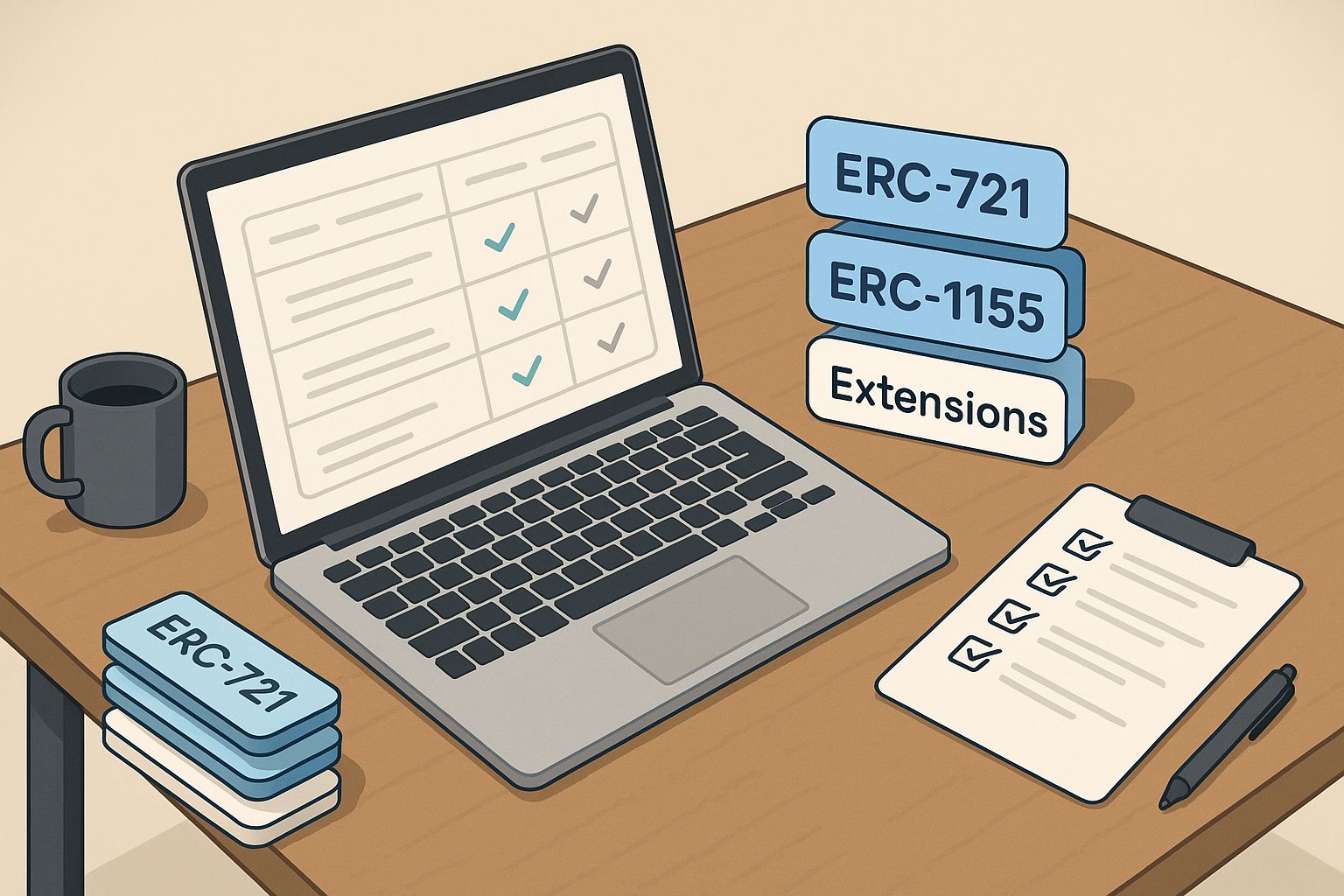
If you’re deciding how to mint, manage, or extend non-fungible tokens, the NFT standards you choose determine what your collection can (and can’t)

Microsoft Teams collaboration and chat bring your people, files, and conversations into a single workspace so you can ship work faster with less

“Unicorn hubs” are cities where startups can predictably reach billion-dollar scale thanks to dense talent, deep capital, fast customer access, and founder-friendly rules.

Smart contract fundamentals boil down to understanding what the contract is (a program with state on a blockchain), how it executes (deterministically with

The pace of AI product releases is now measured in weeks, not quarters. That creates opportunity—but it also punishes teams that launch without
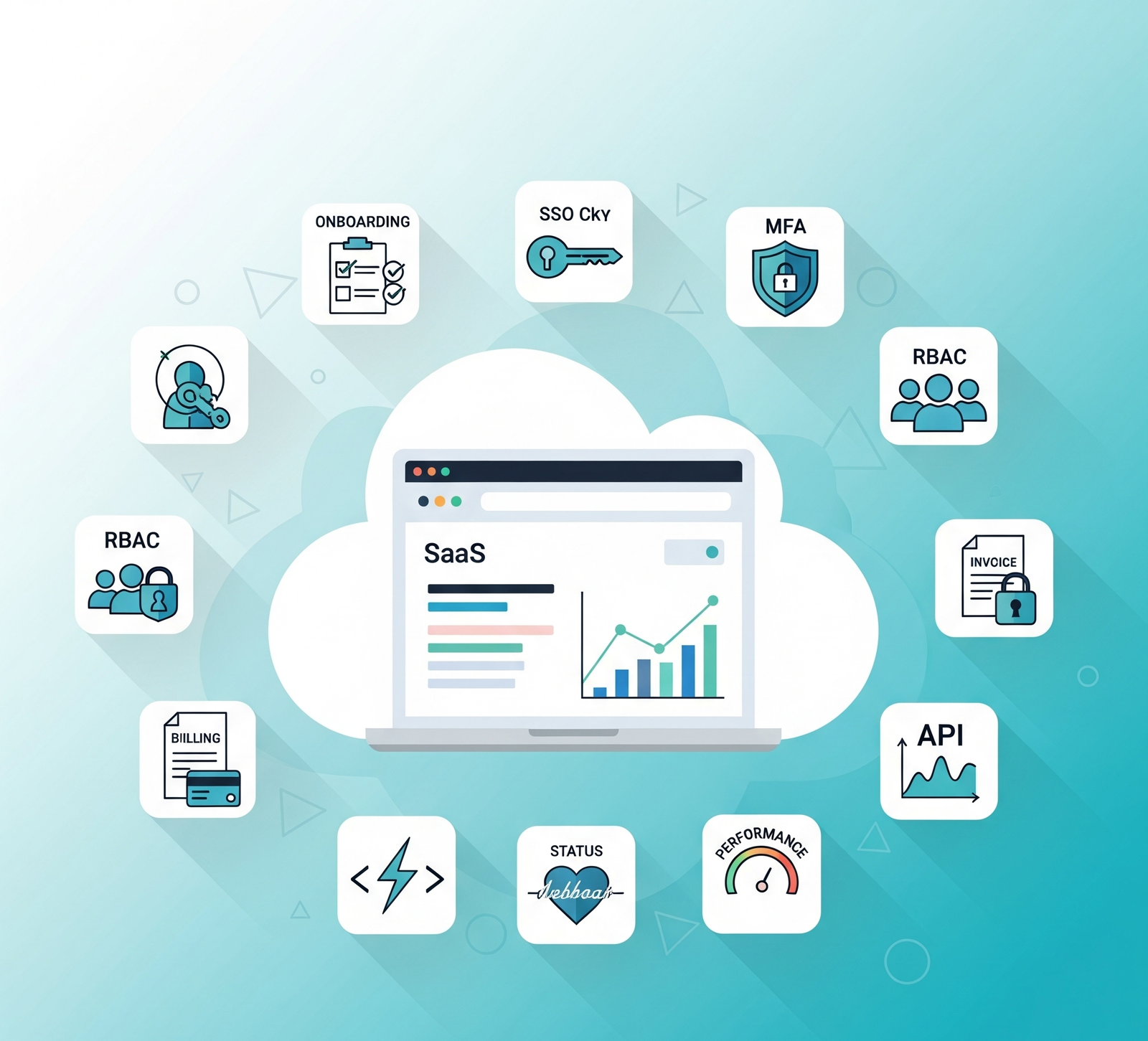
Building a successful SaaS product isn’t just about writing great code—it’s about creating a system that sells itself, secures itself, scales by design,

Artificial intelligence isn’t just a lab subject anymore—it’s a living, breathing part of global culture. The most exciting places to see that shift

Wearables are no longer just step counters—they’re becoming always-on companions that coach healthier behavior, flag hidden risks, and plug people into care the

Smart contracts promise near-instant performance and lower transaction costs, but they also sit at the intersection of contract law, data protection, financial regulation,

If you’ve ever wished your home could take care of the little things—turning lights off when you leave, keeping rooms comfortable automatically, cleaning

Wearable technology is evolving from step counters and notifications into a powerful layer of everyday computing—quietly capturing health signals, guiding us through tasks,