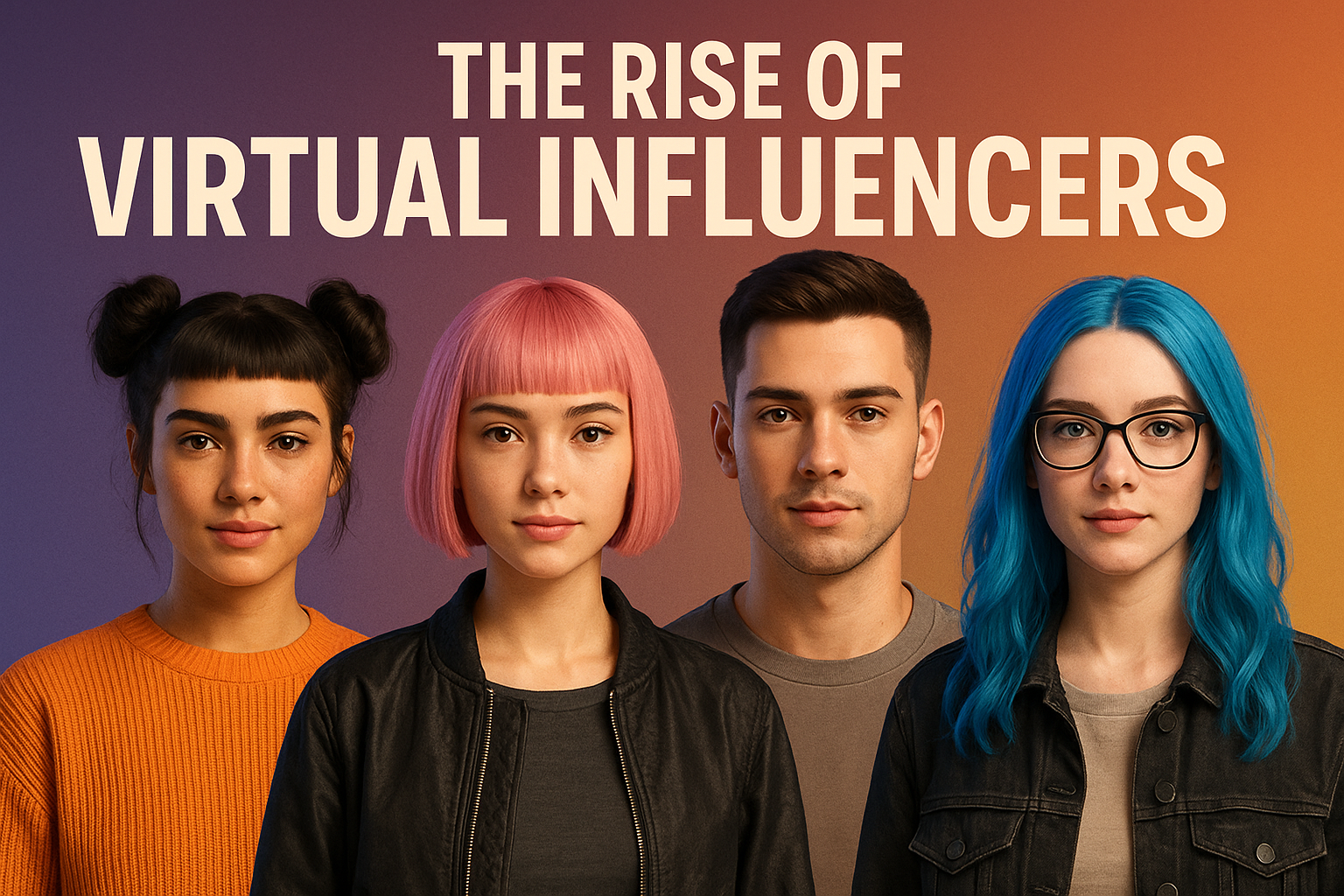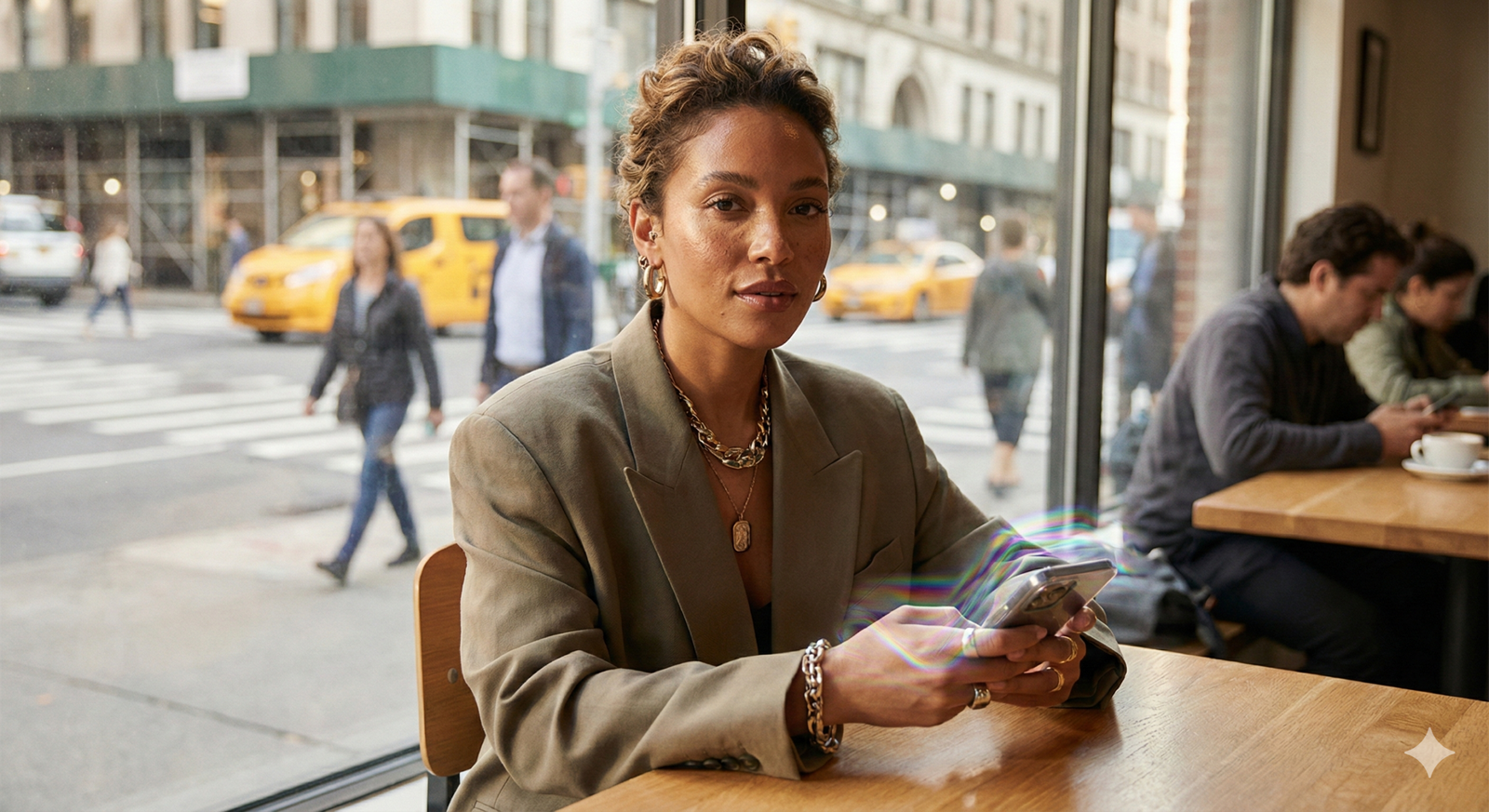
In the infinite scroll of social media, authenticity has long been the currency of choice. We follow people we trust, people who live lives we aspire to, and people who feel “real.” But a seismic shift has occurred in the creator economy: the faces stopping our thumbs today might not have a heartbeat. They are AI-generated influencers—virtual humans building very real followings, commanding significant engagement, and securing lucrative brand deals.
As of 2026, the landscape of influencer marketing has expanded beyond human constraints. From the uncanny perfection of Aitana Lopez to the metaverse-native lifestyle of Lil Miquela, virtual entities are not just experiments; they are a solidified vertical in digital media. This guide explores the mechanisms, economics, psychology, and ethics behind this digital revolution.
Key Takeaways
- Definition: AI influencers are digital personas created using computer-generated imagery (CGI) and, increasingly, generative AI tools to act as social media personalities.
- Market Growth: Brands are shifting budgets toward virtual influencers for their control, scalability, and 24/7 availability.
- Technology: The creation process has moved from expensive 3D modeling teams to accessible generative AI tools like Midjourney and Stable Diffusion.
- Engagement: Surprisingly, virtual influencers often see higher engagement rates than human counterparts due to the novelty factor and curated perfection.
- Ethics: Significant concerns remain regarding unrealistic beauty standards, deepfakes, and the transparency of AI-generated content.
- Future: The next wave involves autonomous agents that can interact with fans in real-time, moving beyond static images to dynamic video and live streaming.
1. What Are AI Influencers? Defining the Virtual Human
To understand the phenomenon, we must first strip away the buzzwords and define what these entities actually are. An AI influencer (often called a virtual influencer or virtual human) is a digital character created using computer graphics software and artificial intelligence algorithms. They are given a personality, a backstory, a specific aesthetic, and a social media presence that mimics human behavior.
The Spectrum of Virtuality
Not all virtual influencers are created equal. In this guide, we categorize them into three distinct tiers based on their technological complexity:
- The CGI-First Generation (The “Miquela” Model): These characters, like Lil Miquela or Imma, originated primarily through traditional 3D modeling and CGI. While they may use AI for voice or text generation now, their visual roots are in high-end animation. They require teams of 3D artists, motion graphics experts, and narrative writers to function. They are expensive to produce but offer the highest visual fidelity in video formats.
- The Generative AI Native (The “Aitana” Model): This represents the modern explosion of AI influencers. Characters like Aitana Lopez (created by The Clueless agency) are generated almost entirely using tools like Midjourney or Stable Diffusion. This method is faster and cheaper, allowing for rapid content production (mostly static images) without a Hollywood-level budget.
- The Autonomous Agent (The Future): These are the bleeding edge—virtual beings driven by Large Language Models (LLMs) that can generate their own captions, reply to comments in real-time, and potentially even “decide” what to post based on audience sentiment analysis. While still in their infancy regarding visual autonomy, the text-based interaction is already fully automated in many cases.
Scope: What This Guide Covers
In this guide, “AI influencer” refers to persistent digital personas managed by humans or agencies on social media platforms (Instagram, TikTok, X) intended to build an audience and influence purchasing decisions. We are focusing on the social aspect of these beings, rather than customer service bots or non-player characters (NPCs) in video games, though the technologies often overlap.
2. The Technology Stack: How They Are Made
Understanding how AI influencers are built demystifies their existence. It is not magic; it is a sophisticated workflow of varying software stacks.
Visual Generation: The Face of the Brand
For the modern wave of AI influencers, the visual component is generated via diffusion models.
- Stable Diffusion & Midjourney: Creators train models on a specific face (using techniques like LoRA – Low-Rank Adaptation) to ensure consistency. Unlike a casual user who prompts “a girl on a beach” and gets a different face every time, professional agencies have “locked” the facial features of their influencer. They can place this specific face in any lighting, outfit, or location.
- Face Swapping & Deepfakes: Some workflows involve photographing a real human body model and then using AI to swap the face with the virtual character’s face. This ensures realistic clothing drape, hand positioning (which AI struggles with), and body language.
Narrative and Voice: The Soul
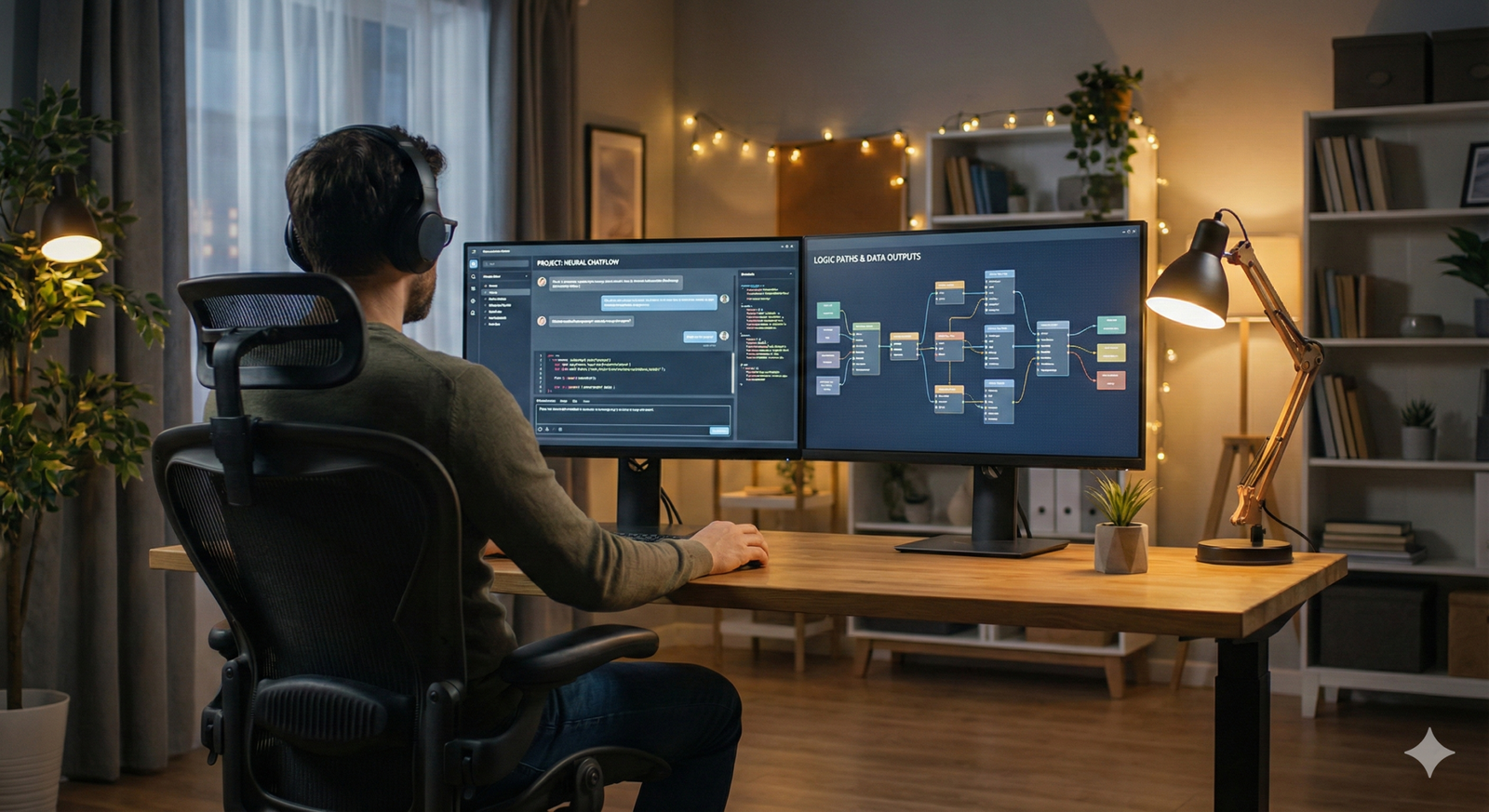
- LLMs (Large Language Models): Tools like GPT-4 or Claude are used to generate captions, witty replies, and story arcs. Agencies build “system prompts” that define the influencer’s personality traits (e.g., “You are a 22-year-old fitness enthusiast from Barcelona, you use emojis frequently, and you are cynical about dating”).
- Voice Synthesis: Technologies like ElevenLabs allow creators to give their influencers a consistent voice for Reels, TikToks, and podcasts. The audio is synthetic but emotionally resonant.
Motion and Video
Video remains the final frontier. While tools like Sora and Runway Gen-2 are making strides, consistent character video is difficult.
- Motion Capture (MoCap): For high-end influencers, a human actor wears a suit to record movements, which are then mapped onto the digital model.
- AI Video Wrappers: Newer tools act as “filters,” allowing a human to record a video and overlaying the AI character’s skin in real-time, similar to a highly advanced Snapchat filter.
3. Why Brands Are Shifting Away from Human Influencers
The “Creator Economy” is a massive industry, but it is plagued by the unpredictability of human nature. Brands are increasingly allocating budgets to virtual talent for several strategic reasons.
1. Absolute Brand Safety
Human influencers are risky. They can get cancelled, make offensive comments, have past tweets resurface, or get involved in scandals that blow back on the brand. An AI influencer does not have a past. They do not get drunk, they do not have political outbursts (unless programmed to), and they never go “off-script.” For a risk-averse corporation, this control is invaluable.
2. Creative Flexibility and Scalability
If a brand wants a human influencer to do a photoshoot on Mars, it is impossible. If they want a photoshoot in Paris, it costs thousands in travel and logistics. An AI influencer can be “photographed” on Mars, in Paris, and underwater, all within the same hour, for the cost of computing power. They can be in multiple places at once, speaking multiple languages simultaneously to different demographics.
3. Cost-Effectiveness Over Time
While the initial setup of a high-fidelity virtual human is an investment, the long-term running costs are often lower than the fees commanded by top-tier human talent. There are no travel riders, no hotel costs, no hair and makeup teams, and no photographers to hire. The “shoot” happens on a server.
4. High Engagement and Novelty
Despite the “fake” nature, engagement rates for virtual influencers historically track higher than human influencers with similar follower counts. This is partly due to the novelty effect—people are fascinated by the technology—and partly due to the visual perfection that stops the scroll.
4. Notable Examples: Who is Leading the Pack?
To understand the landscape, we must look at the entities that defined it.
Lil Miquela: The Pioneer
Launching in 2016, Miquela Sousa (@lilmiquela) is the patient zero of virtual influence. Originally presented as a mystery, she later “revealed” she was a robot. She has worked with Prada, Calvin Klein, and Samsung, and even released pop music. Miquela proved that a virtual being could hold socio-political opinions and maintain a narrative arc that millions would follow.
Aitana Lopez: The AI Native
Created by the Spanish agency The Clueless, Aitana represents the new wave. She was built explicitly because the agency was tired of dealing with human influencers’ egos and scheduling conflicts. Aitana earns thousands of dollars a month through brand deals and exclusive content platforms (like Fanvue). She is indistinguishable from a real human in many photos, blurring the line further than Miquela ever did.
Shudu: The Digital Supermodel
Created by photographer Cameron-James Wilson, Shudu claims the title of the world’s first “digital supermodel.” Her focus is high fashion and luxury. Unlike Miquela, who tries to act like a Gen Z influencer, Shudu functions more like a digital mannequin for digital fashion, collaborating with Balmain and other luxury houses.
Lu of Magalu: The Brand Mascot Evolved
Lu is the virtual face of Magazine Luiza, a Brazilian retail giant. While she started as a mascot, she has evolved into a full-fledged influencer with millions of followers, unboxing products and engaging with customers. She represents the massive potential for brands to own their influencers rather than renting them.
5. The Psychology of Fictional Relationships
Why do humans follow robots? Why do we comment “You look beautiful!” on a picture of a woman who does not exist? The answer lies in how our brains process social cues.
Parasocial Interaction
The concept of parasocial relationships—one-sided relationships where one person extends emotional energy, interest, and time, and the other party is completely unaware of their existence—is usually applied to celebrities. However, the human brain interacts with media characters similarly to real people. If an AI influencer tells a story about heartbreak, the audience feels empathy, even knowing the story is fiction. We suspend disbelief for the sake of the narrative.
The Anthropomorphic Tendency
Humans are hardwired to find faces and emotions in everything (pareidolia). When an AI influencer looks into the camera (or appears to), uses slang, and expresses vulnerability, our brains default to treating them as social entities. The “perfect” nature of AI influencers—never having a bad hair day, always saying the right thing—can actually be hyper-stimulating to these social circuits.
The Uncanny Valley
This is the danger zone. The “Uncanny Valley” refers to the feeling of revulsion humans experience when a robot looks almost human but not quite. If the eyes are dead or the movement is jerky, the audience rejects it. Successful AI influencers today either lean into the stylized “cartoonish” look (like Miquela) or achieve such high photorealism (like Aitana) that they vault over the valley entirely.
6. How to Build an AI Influencer: A Step-by-Step Framework
For agencies or creators looking to enter this space, the barrier to entry has lowered, but the barrier to success has raised. It is no longer enough to just have a pretty AI image; you need a story.
Phase 1: Conceptualization and Persona
Before generating a single pixel, you must define the “soul” of the influencer.
- Niche & Audience: Who are they talking to? (e.g., Sustainable fashion for Gen Z, Tech reviews for Millennials).
- Personality Matrix: Define their flaws. Perfection is boring. Does she have a messy apartment? Is he bad at cooking? Flaws create relatability.
- Visual Identity: What is their unique look? Pink hair? Freckles? A specific street-style aesthetic?
Phase 2: Technical Execution
- Model Training: Use a tool like Stable Diffusion to train a LoRA on a specific face. This is crucial for consistency. You cannot rely on random prompting.
- Content Pipeline: Establish a workflow.
- Step 1: Ideate the scene and outfit.
- Step 2: Generate the base image.
- Step 3: Fix artifacts (hands, eyes) using Photoshop or in-painting tools.
- Step 4: Upscale for high resolution.
Phase 3: Narrative Deployment
- The Launch: Do not just start posting selfies. Create a mystery or a launch narrative.
- Community Management: This is where the human element is vital. A human social media manager must reply to comments in character. The AI generates the image, but the human builds the relationship (for now).
Phase 4: Monetization
- Brand Partnerships: Pitching the safety and novelty to brands.
- Digital Products: Selling digital clothes, NFTs, or exclusive access.
- Affiliate Marketing: Using the influencer to review real-world products.
7. Ethics, Transparency, and the Dark Side
The rise of AI influencers is not without valid controversy. As this technology scales, we face significant ethical hurdles.
Unrealistic Beauty Standards
Social media has long been criticized for promoting unattainable beauty. AI influencers exacerbate this by presenting bodies that are literally physically impossible or statistically improbable perfection. When a teenager compares themselves to an AI generated by a model trained on the “best” features of thousands of women, the impact on body image and self-esteem can be damaging.
The Transparency Debate
As of 2026, regulations are tightening. In many regions (like the EU and parts of the US), there are mandates requiring AI-generated content to be labeled.
- The “AI Label”: Platforms like Instagram and TikTok have introduced tags for AI content.
- The Deception Problem: Some accounts attempt to pass as real humans to farm engagement before pivoting to an AI reveal. This is generally considered unethical and “catfishing” the audience.
- Best Practice: The most successful and ethical agencies put “Virtual Being” or “Robot” clearly in the bio.
Deepfakes and Consent
The technology used to create ethical AI influencers is the same technology used for non-consensual deepfakes. There is a concern that normalizing synthetic humans desensitizes the public to the difference between real and fake, making it harder to combat malicious disinformation or identity theft.
Economic Displacement
If brands pivot to AI models, what happens to human models, photographers, makeup artists, and stylists? While AI creators argue this creates new jobs (prompt engineers, digital stylists), there is a tangible fear of displacement in the creative industries.
8. The Future: AI Agents and the Metaverse
We are currently in the “static image” phase of AI influence, but the trajectory is clear.
Interactive Real-Time Companions
The next iteration of AI influencers will not just be a feed of photos; they will be apps you can talk to. Imagine an influencer like Lil Miquela having a 1-on-1 voice conversation with 10,000 fans simultaneously, remembering details from previous conversations with each of them. This moves the industry from “Influencer Marketing” to “Companion Economy.”
Cross-Platform Interoperability
Future virtual influencers will likely be assets that can move between platforms—appearing as a photo on Instagram, a 3D avatar in a video game (like Fortnite), and a VR companion in the Metaverse.
Personalization of Influence
We may see the rise of personalized influencers. Instead of following a celebrity everyone else follows, you might generate an influencer specifically tailored to your interests, who encourages you to work out or helps you shop, effectively becoming a personalized brand interface.
Common Pitfalls for Brands
While the technology is exciting, brands often fail when entering this space by making common errors:
- The “Uncanny Valley” Dip: Using low-quality AI that looks creepy rather than cool.
- Hollow Storytelling: Creating a beautiful avatar with zero personality. People follow stories, not just faces.
- Tone Deafness: Using an AI influencer to speak on serious human rights issues. It often comes across as dystopian and insincere (e.g., an AI robot advocating for human healthcare rights).
- Ignoring the “Fake” Factor: Trying to trick the audience into thinking the influencer is real. The backlash upon discovery is usually severe.
Who This Is For (And Who It Isn’t)
This approach is for:
- Tech-forward Brands: Fashion, beauty, and gaming companies looking to signal innovation.
- Agencies: Marketing firms wanting to own their talent IP rather than renting human creators.
- Storytellers: Creatives who want to build a narrative universe without hiring actors.
This is NOT for:
- Authenticity-First Niches: If your brand relies on raw, unfiltered, “real life” vulnerability (e.g., documentary style, mental health advocacy), a robot is likely the wrong messenger.
- Quick Wins: Building a virtual influencer takes time and technical skill. It is not a quick fix for a lack of content strategy.
Conclusion
AI-generated influencers are not merely a fad; they are the natural evolution of digital identity. We have spent the last decade curating “virtual” versions of ourselves on Instagram—editing our photos, selecting our best angles, and presenting a highlighted version of reality. The leap to fully virtual beings is simply the removal of the biological tether.
For brands and creators, the opportunity lies in ownership and creativity. You are no longer bound by physics, geography, or human limitations. However, with this power comes the responsibility to navigate the ethical landscape carefully. The most successful AI influencers of the future will not be the ones that look the most realistic, but the ones that—despite their code—feel the most human.
Next Steps
If you are considering integrating AI influencers into your strategy, start small:
- Experiment with character consistency using tools like Midjourney.
- Define a clear, non-human value proposition for the character.
- Transparency is key—label your AI to build trust, not deception.
FAQs
1. How much does it cost to create an AI influencer? The cost varies wildly. You can create a basic one yourself for the cost of a Midjourney subscription ($30/month) and your time. However, a professional agency-quality influencer with consistent video and motion capture can cost anywhere from $5,000 to $50,000+ for initial development and monthly management.
2. Do AI influencers actually make money? Yes. Top AI influencers earn tens of thousands of dollars per post through brand sponsorships. Others monetize through exclusive content subscriptions (like Patreon or Fanvue) or by selling digital merchandise.
3. Are AI influencers legal? Yes, they are legal. However, they are subject to advertising laws (like FTC guidelines in the US) regarding disclosure. If an AI influencer is “reviewing” a skincare product they cannot physically use, the nature of the promotion must be transparent to avoid misleading consumers.
4. Can an AI influencer replace human influencers? Not entirely. Humans crave connection with other humans. While AI influencers will take a significant market share—especially in fashion and visual aesthetics—they cannot replace the raw, messy, “real” connection of a human vlogger sharing a personal struggle.
5. How do I know if an influencer is AI? Look for the “AI Label” on platforms like Instagram. Also, look for “perfect” features (smooth skin, perfect lighting), difficulties with hands (often hidden or slightly distorted), and a background that might look slightly illustrated or blurred. Check the bio for keywords like “Virtual,” “Robot,” or “Digital Creator.”
6. What software is used to make AI influencers? The most common stack in 2026 includes Midjourney or Stable Diffusion for image generation, Adobe Photoshop for editing, FaceFusion or Roop for face consistency, and ElevenLabs for voice synthesis.
7. Who owns the copyright to an AI influencer? This is a complex legal area. In the US, purely AI-generated images cannot be copyrighted. However, if there is significant human input (editing, selection, narrative), the character design and story can often be protected as intellectual property. Agencies usually protect the trademark of the character’s name and brand.
8. Why do brands prefer AI influencers over real models? Control and safety. An AI model shows up on time, never complains, doesn’t age, doesn’t gain or lose weight (unless requested), and doesn’t have scandals. They offer a “sanitized” version of influence that is very attractive to corporate advertisers.
References
- Ogilvy. (2024). The Rise of Virtual Influencers in Marketing Strategy. Ogilvy Insights. https://www.ogilvy.com
- Harvard Business Review. (2025). Navigating the Ethics of AI in Advertising. HBR.org. https://hbr.org
- The Clueless Agency. (2023). Aitana Lopez and the Future of AI Modeling. The Clueless. https://www.theclueless.ai
- Federal Trade Commission (FTC). (2023). Guides Concerning the Use of Endorsements and Testimonials in Advertising. FTC.gov. https://www.ftc.gov
- Influencer Marketing Hub. (2025). The State of Virtual Influencers: Benchmark Report 2025. InfluencerMarketingHub.com. https://influencermarketinghub.com
- Vogue Business. (2024). How Virtual Humans are Taking Over Luxury Fashion. VogueBusiness.com. https://www.voguebusiness.com
- Journal of Marketing. (2023). Parasocial Interactions with Virtual Influencers: A Psychological Analysis. SAGE Journals. https://journals.sagepub.com
- Stable Diffusion. (2024). Documentation on LoRA and Character Consistency. Stability AI. https://stability.ai