As of February 2026, the traditional boundaries of Human Resources have undergone a seismic shift. We are no longer simply managing “human” resources; we are orchestrating a complex, symbiotic ecosystem where biological intelligence and artificial intelligence work in tandem. At the heart of this evolution sits a new, specialized professional: the AI Collaboration Designer.
An AI Collaboration Designer is an HR specialist responsible for architecting the workflows, ethical guardrails, and communication protocols that allow humans and AI agents to work together seamlessly. Unlike a traditional IT role, this position lives within HR because its primary focus is the human experience. It is about ensuring that as we automate the “robotic” parts of our jobs, we don’t accidentally automate away the humanity of our organizations.
Key Takeaways
- Augmentation over Replacement: The role focuses on how AI can enhance human capabilities rather than simply cutting headcounts.
- Workflow Orchestration: Designers map out exactly where a human “loop” is required in an automated process to maintain empathy and accountability.
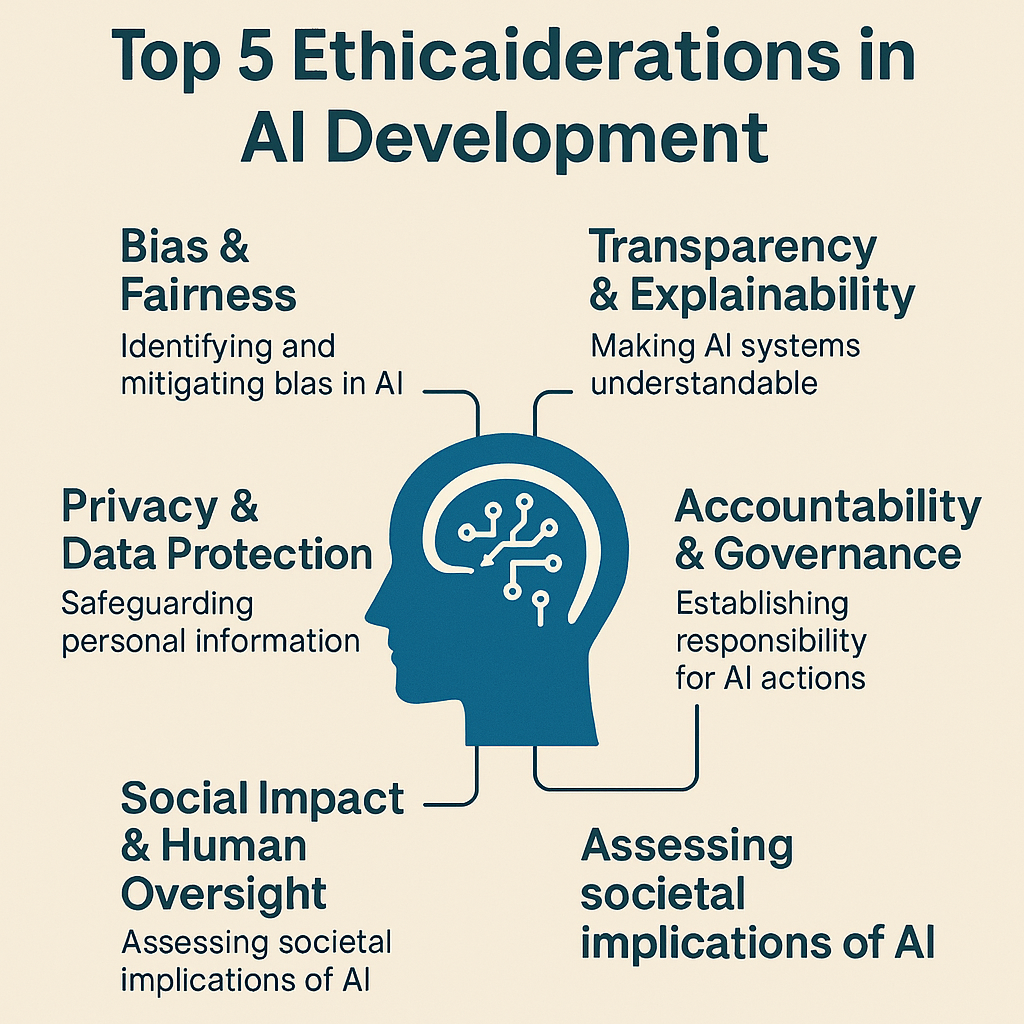
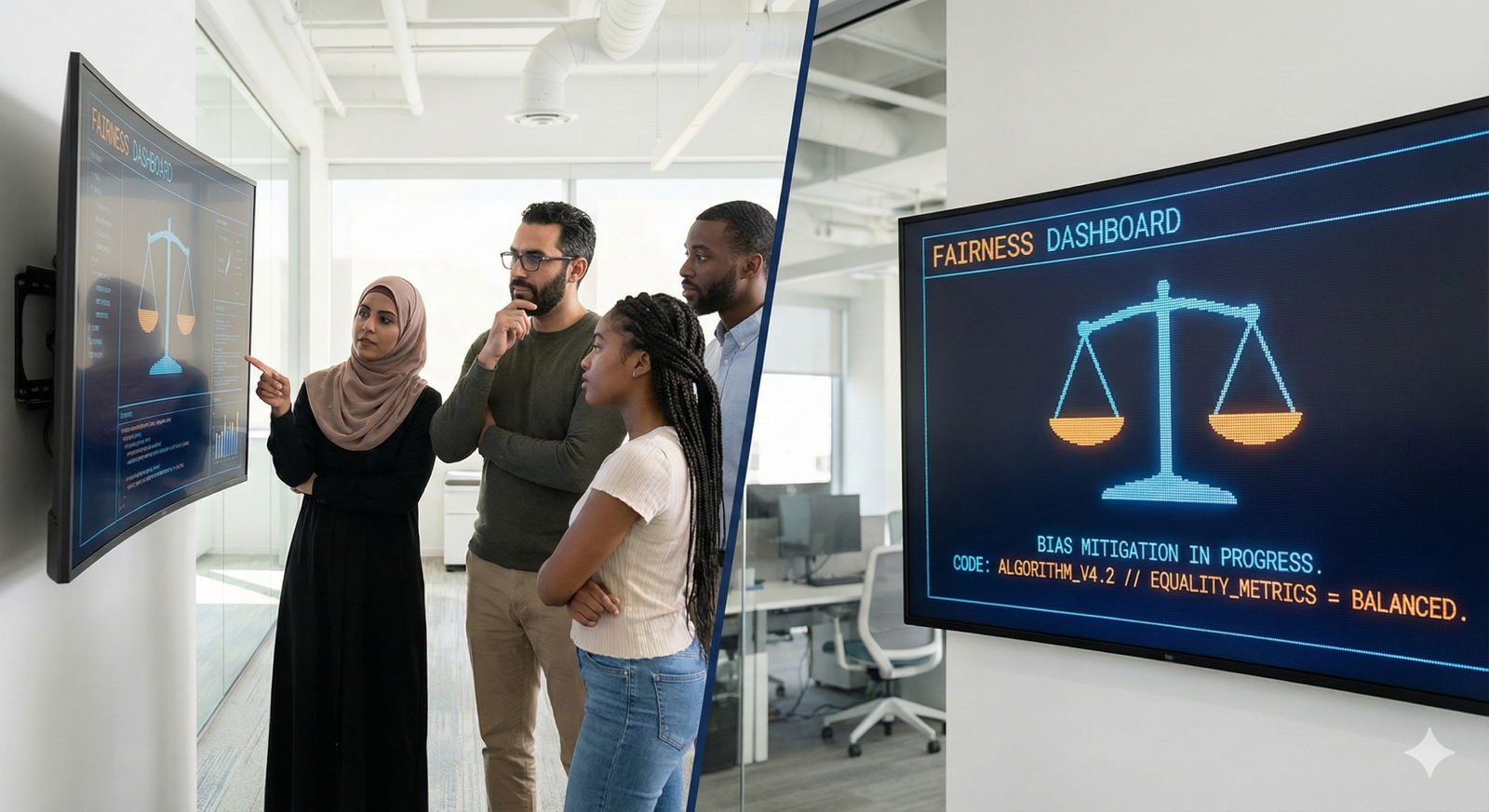
- Ethical Oversight: They are the primary defenders against algorithmic bias in recruitment and performance management.
- Upskilling Leadership: They serve as the internal consultants who teach legacy HR teams how to “speak” AI through prompt engineering and data literacy.
Who This Is For
This guide is written for Chief Human Resources Officers (CHROs), HR Digital Transformation Leads, and People Operations Managers who are looking to future-proof their departments. If you find your team overwhelmed by “AI fatigue” or struggling to integrate new agentic tools into your existing tech stack, this deep dive will provide the blueprint for the next phase of your organizational design.
Defining the AI Collaboration Designer: Beyond Technical Support
For decades, HR technology was a “buy and apply” model. You purchased a Human Resource Information System (HRIS), trained the staff on the buttons, and let it run. The AI Collaboration Designer breaks this mold. This role is a hybrid of a UX Designer, a Data Scientist, and a Behavioral Psychologist.
The Bridge Between Intent and Output
The fundamental challenge in modern HR is “Clarity Gap”—the uncertainty of how to apply high-level AI capabilities to ground-level human problems. The AI Collaboration Designer bridges this by translating organizational goals into technical requirements. For example, if a company wants to improve “Internal Mobility,” the Designer doesn’t just buy a tool; they design the interaction model. They decide how an AI agent should “nudge” an employee about a new role without feeling invasive or coercive.
Mastering Human-Centric Design
Every AI implementation in HR carries the risk of the “Black Box” effect, where decisions are made without a clear trail of logic. The Designer ensures Transparency by Design. They work to ensure that if an AI filters a resume or suggests a performance rating, the human manager can see the “why” behind the “what.” This maintains trust, which is the most valuable currency in any HR department.
The Core Competencies of AI Collaboration
To succeed in this role, a professional must move beyond basic digital literacy into a realm of “AI Fluency.” This involves a specific stack of technical and durable skills that were rarely seen in HR job descriptions five years ago.
1. Prompt Engineering for HR Context
Prompting is the new coding. An AI Collaboration Designer must be an expert at crafting context-rich instructions. In HR, this isn’t just about getting a summary; it’s about nuanced persona-shifting.
- Example: Instead of asking an AI to “write a job description,” the Designer prompts: “Rewrite this job description for a Gen Z audience in the Nordic market, emphasizing our carbon-neutral commitment and flexible ‘work-from-anywhere’ policy, while ensuring the language passes a gender-neutral bias check.”
2. Digital HR Governance
With the implementation of the EU AI Act and similar global regulations, HR departments face strict compliance requirements. The AI Collaboration Designer acts as the “Compliance Architect.” They manage:
- Data Privacy: Ensuring sensitive employee health or payroll data isn’t used to train public LLMs.
- Algorithmic Auditing: Regularly “stress-testing” recruitment tools to ensure they aren’t inadvertently favoring specific demographics based on historical (biased) data.
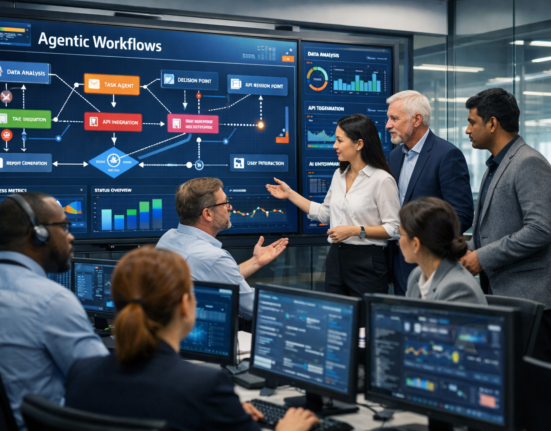
3. Agentic Workflow Design
We are moving from “Chatbots” to “Agents.” Agents are autonomous systems that can execute multi-step tasks. A Designer maps these journeys.
- The Onboarding Journey: Instead of a human sending ten emails, the Designer builds an Agentic Flow where the AI secures the laptop, schedules the 1-on-1s, and monitors the new hire’s sentiment during their first week, only alerting HR if the employee’s “engagement score” dips below a certain threshold.
Transforming the Employee Experience (EX)
The ultimate goal of the AI Collaboration Designer is to use technology to make the workplace feel more personal, not less. This is the great paradox of AI in HR: used correctly, it scales empathy.
Personalized Career Frameworks
Traditional career ladders are rigid. AI allows for “Career Lattices.” By analyzing an employee’s skills, past projects, and learning patterns, the AI Collaboration Designer can create a dynamic framework where the AI suggests “micro-assignments” to bridge skill gaps.
“In 2026, employees don’t wait for an annual review to know where they stand. They have a persistent digital twin that suggests growth paths in real-time, curated by the Designer’s underlying logic.”
Sentiment Analysis and Mental Well-being
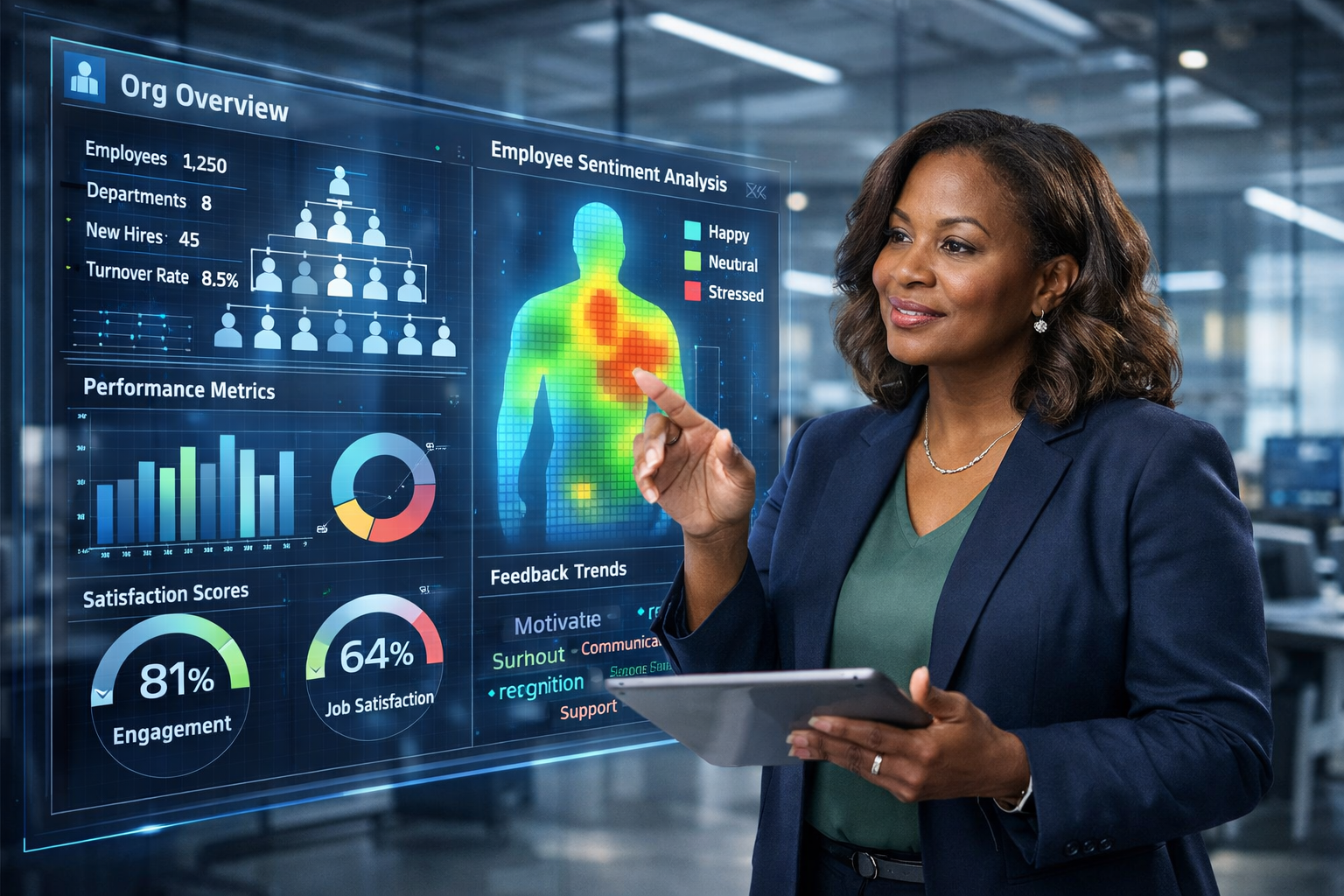
One of the most sensitive yet impactful areas is the use of Natural Language Processing (NLP) to monitor organizational health. Designers implement “Passive Pulse” tools that analyze the tone of Slack or Teams messages (anonymized and aggregated) to detect burnout before it leads to resignation. The “Human-First” aspect here is crucial; the Designer ensures these tools are used for supportive intervention, not punitive monitoring.
Common Mistakes in AI-Human Orchestration
Even with the best intentions, many organizations fail their AI transition. The AI Collaboration Designer is specifically trained to avoid these five common pitfalls:
1. Over-Automation of “High-Touch” Moments
Automating the rejection email is efficient; automating the entire interview process is a disaster. A major mistake is removing the human element from sensitive milestones like firing, promotion news, or conflict resolution. The Designer sets “Human-In-The-Loop” triggers for these events.
2. Treating AI as a Static Tool
AI models “drift.” Their performance can change as they ingest new data. A common mistake is a “set it and forget it” mentality. Designers treat AI systems like employees—they need regular performance reviews and “re-training” to stay aligned with company values.
3. Ignoring the “Confidence Gap”
Many HR professionals fear that AI is coming for their jobs. If a Designer focuses only on the tech and ignores the change management aspect, the tools will be met with “malicious compliance” or outright rejection. Building AI literacy across the whole team is a core part of the role.
4. Data Siloing
AI is only as good as the data it can see. If your payroll data doesn’t talk to your performance data, the AI cannot provide meaningful insights. The Designer works with IT to ensure a “Single Source of Truth” (SSOT) architecture.
5. Lack of Explainability
Using “Black Box” algorithms for high-stakes decisions (like who gets a bonus) is a recipe for legal trouble and employee revolt. If the Designer cannot explain the “math” to a layperson, the tool shouldn’t be used.
The Flattening of the Organizational Structure
The introduction of the AI Collaboration Designer often leads to a “Flattening Effect” within the company. Because AI can handle routine administrative coordination, the need for layers of middle management—who previously served as information conduits—is decreasing.
The Rise of Connected Intelligence
By 2026, leading organizations are adopting a “Connected Intelligence” model. This means that instead of a top-down hierarchy, work is done by fluid, project-based teams. The AI Collaboration Designer helps form these teams by using Algorithmic Matching—pairing the right people with the right AI tools for a specific three-month “sprint.”
Democratization of Decision-Making
When everyone has an “AI Advisor” on their desktop, the ability to make data-driven decisions moves down the ladder. Entry-level employees can now perform complex data analysis that used to require a Senior Analyst. The Designer’s job is to ensure that these junior employees have the Critical Thinking skills to interpret what the AI is telling them.
How to Transition: Steps to Becoming or Hiring an AI Collaboration Designer
If you are an HR professional looking to pivot, or a leader looking to hire, follow this 4-step roadmap.
Step 1: Audit Your Current “Rote” Tasks
Identify the 20% of tasks that take up 80% of your time (e.g., resume screening, FAQ answering, meeting scheduling). This is the “Base Layer” for AI collaboration.
Step 2: Establish an Ethics Charter
Before the tech arrives, define your boundaries. What will you never let an AI do? This charter becomes the “North Star” for your Designer.
Step 3: Invest in “T-Shaped” Competencies
The Designer needs deep HR knowledge (the vertical bar of the T) and a broad understanding of AI capabilities, data ethics, and prompt engineering (the horizontal bar).
Step 4: Run a “Proof of Concept” (PoC)
Don’t overhaul the whole department at once. Pick one function—perhaps “L&D personalization”—and have your Designer architect a human-AI workflow there first. Measure the ROI not just in time saved, but in employee satisfaction scores.
Conclusion: The Future is Symbiotic
The rise of the AI Collaboration Designer marks the end of the “Technology vs. Humans” era. In the modern HR landscape of 2026, we have realized that the most powerful node in any network is still the human—but a human empowered by an intelligent network of agents.
By focusing on workflow design, ethical governance, and the scaling of empathy, these professionals are ensuring that AI doesn’t just make our companies more productive; it makes them more humane. We are moving toward a world where “Human Resources” might finally live up to its name: a department dedicated to maximizing human potential, fueled by the most advanced tools ever created.
Your next step is simple: look at your current HR tech roadmap. Is it a list of softwares, or is it a blueprint for collaboration? If it’s the former, it’s time to start looking for your first AI Collaboration Designer.
FAQs
What is the difference between an HR Technologist and an AI Collaboration Designer?
While an HR Technologist focuses on the implementation and maintenance of software, an AI Collaboration Designer focuses on the interaction between the human and the machine. They design the workflows, the “voice” of the AI, and the ethical guardrails, ensuring the technology serves the human experience rather than just the business process.
Does an AI Collaboration Designer need to know how to code?
Not necessarily. While a basic understanding of Python or SQL can be helpful, the role is more focused on Prompt Engineering and System Logic. Most modern AI tools use natural language interfaces, so the ability to communicate clearly and think in “conditional logic” (If-This-Then-That) is more important than writing raw code.
How does this role prevent bias in hiring?
The Designer performs regular “Bias Audits.” They use “Synthetic Data” to test if an algorithm’s recommendations change if a candidate’s name or gender is altered. They also ensure that the human recruiters always have the “Final Say” and are trained to spot when an AI might be leaning on historical prejudices.
Is this role relevant for small businesses?
Absolutely. While a small business might not hire a full-time “Designer,” the functions of the role are essential. Even a 50-person company using AI to draft job ads or summarize meetings needs someone to set the rules and ensure data privacy.
What is “Agentic AI” in the context of HR?
Agentic AI refers to systems that don’t just “chat” but can actually act. In HR, an Agent might be tasked with “Finding and Onboarding a Freelance Designer.” It would search the talent marketplace, check their availability, draft a contract based on your templates, and initiate the security clearance—all while keeping the HR manager updated for final approvals.
References
- SHRM (Society for Human Resource Management): State of AI in the Workplace 2025-2026 Report. shrm.org
- Harvard Business Review: How AI is Flattening the Corporate Hierarchy (January 2026). hbr.org
- MIT Sloan Management Review: The New Human-AI Collaboration Frameworks. sloanreview.mit.edu
- IBM Think: The Rise of the AI Agent in People Operations. ibm.com/think
- AIHR (Academy to Innovate HR): The 12 Essential AI Skills for HR Professionals. aihr.com
- European Commission: EU AI Act Compliance Guide for Employers. digital-strategy.ec.europa.eu
- Forbes Technology Council: Why Your Next HR Hire Should Be a Designer, Not a Recruiter. forbes.com
- Gartner: Top Strategic Technology Trends for 2026: The Agentic Shift. gartner.com