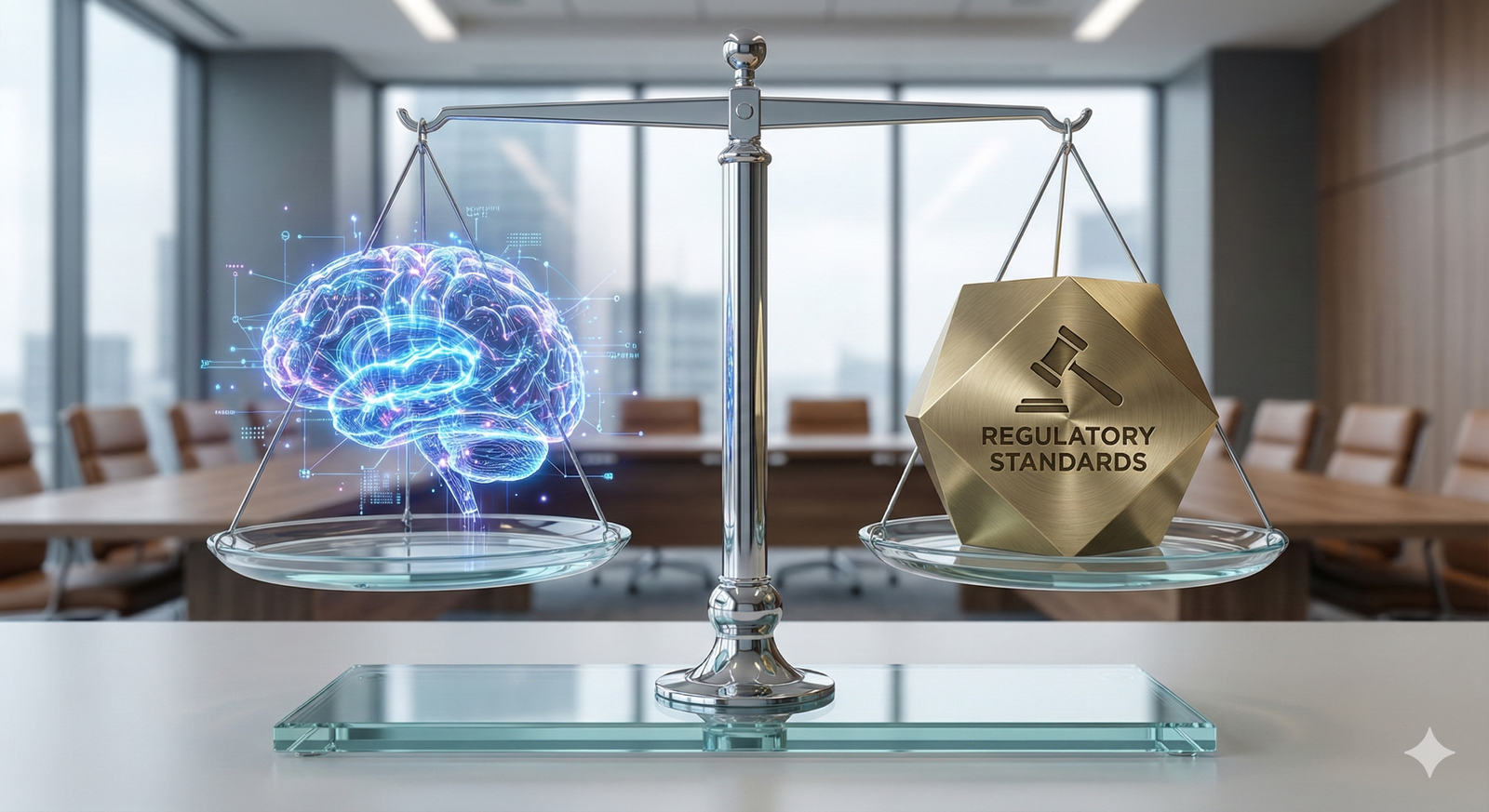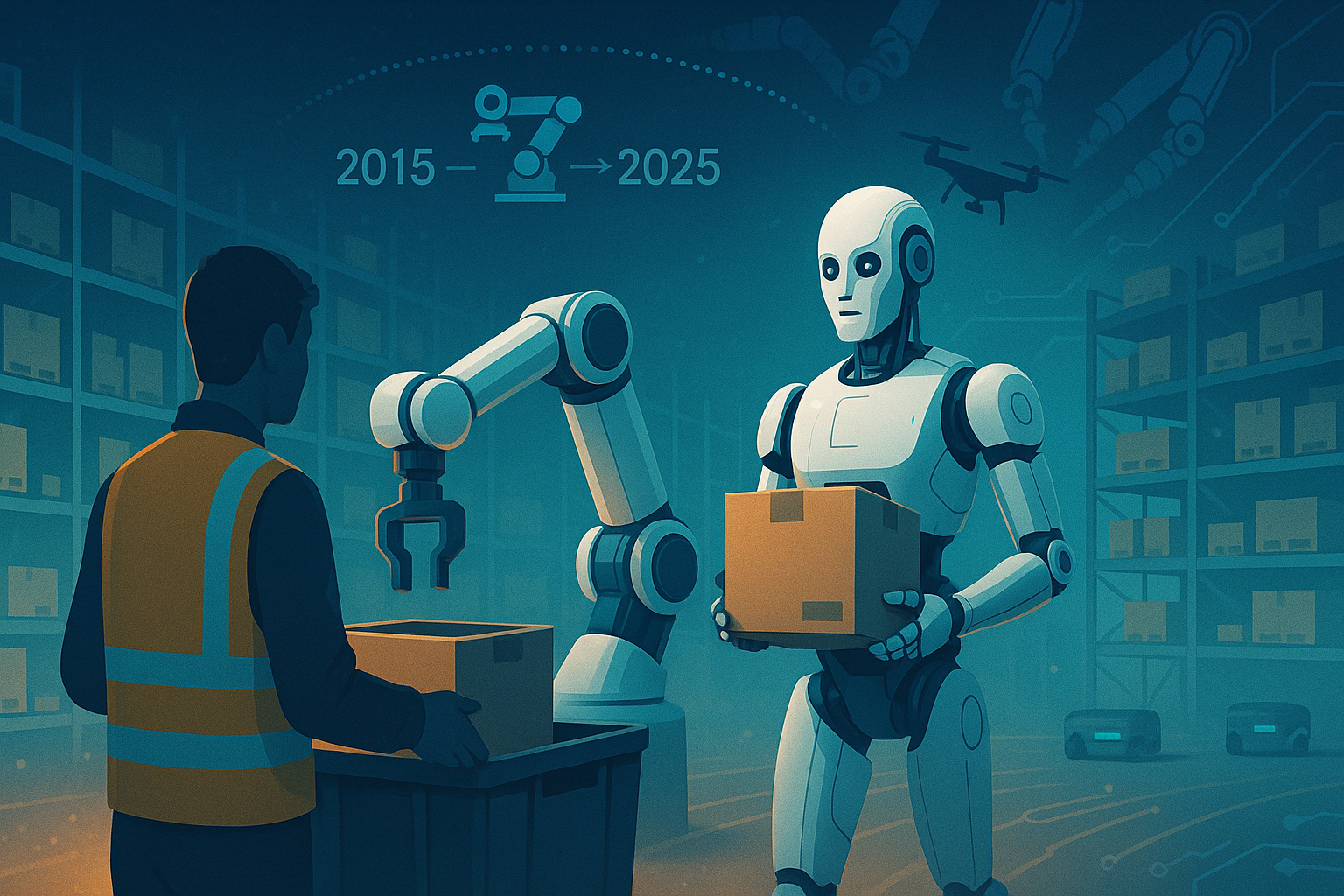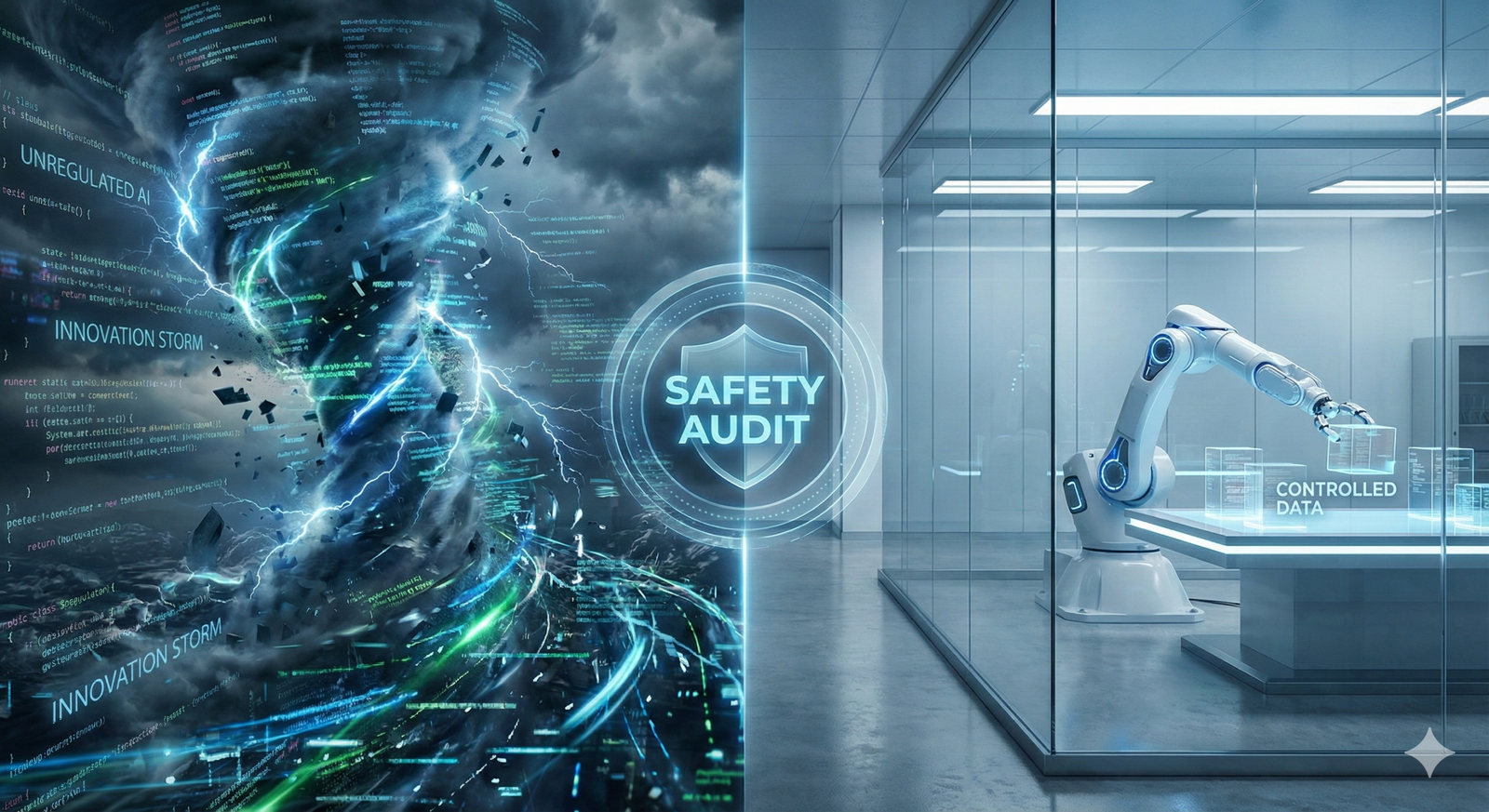
Artificial intelligence is evolving at a breakneck speed, often outpacing the laws designed to govern it. For innovators, this creates a dangerous landscape of uncertainty: deploy too fast and risk non-compliance, or wait for regulatory clarity and lose the market. Regulatory sandboxes for AI have emerged as the critical bridge across this gap, offering a controlled environment where technology and policy can evolve together.
A regulatory sandbox is not merely a technical server or a testing environment; it is a legal framework that allows businesses to test innovative products with real consumers under the supervision of a regulator. It temporarily pauses or modifies specific strict enforcement rules to allow for experimentation, provided that safety protocols are met. As of January 2026, these frameworks are becoming the gold standard for deploying Generative AI, autonomous systems, and predictive algorithms responsibly.
In this guide, regulatory sandboxes for AI refer specifically to the legal and cooperative frameworks established by government bodies or industry regulators, not just internal technical testing servers used by developers.
Key Takeaways
- Safe Experimentation: Sandboxes allow companies to test AI solutions in real-world scenarios without the immediate threat of standard regulatory fines or legal repercussions.
- Dual Learning: Regulators learn how the technology works to write better laws; companies learn how to build compliance into their product design.
- EU Leadership: The EU AI Act has mandated the establishment of regulatory sandboxes, making this a critical topic for any company doing business in Europe.
- Cost Reduction: Participating in a sandbox can significantly lower the legal costs of compliance by providing direct access to regulatory case officers.
- Not a “Wild West”: Sandboxes are not deregulation zones; they are highly supervised environments with strict entry criteria and consumer safeguards.
Who this is for (and who it isn’t)
This guide is written for founders, CTOs, and compliance officers at AI startups and enterprise companies navigating complex legal landscapes. It is also relevant for policymakers and legal professionals seeking to understand the mechanics of flexible governance.
This guide is not a technical tutorial on how to set up a virtual machine (VM) or a containerized software environment. If you are looking for code-level isolation for malware testing, this is not the correct resource.
What is a Regulatory Sandbox for AI?
To understand regulatory sandboxes for AI, we must look at their origin. The concept was pioneered by the UK’s Financial Conduct Authority (FCA) in 2015 to help fintech startups navigate banking laws. The model was so successful that it is now being adapted globally for Artificial Intelligence.
In the context of AI, a regulatory sandbox is a collaborative space where limits are placed on risk rather than on the technology itself. It usually involves a formal agreement between a regulator (such as a Data Protection Authority) and a private entity (the AI developer).
The Core Mechanism
A typical sandbox operates on a “test-and-learn” basis involving four distinct stages:
- Application & Selection: The developer proposes a specific AI system that pushes the boundaries of current law (e.g., using biometric data for healthcare in a novel way).
- Preparation: The regulator and developer agree on the testing parameters, safeguards, and success metrics. They identify which specific rules might need to be “relaxed” or interpreted flexibly.
- Testing Phase: The AI is deployed to a limited number of users or on specific datasets. The regulator monitors the output for bias, safety violations, or data leaks in real-time.
- Exit & Evaluation: The test concludes. The developer receives a report on their compliance posture. If successful, the product may be granted a full license or authorization to scale. If it fails, the product must be modified or scrapped, but usually without the heavy penalties that would apply in the open market.
Why the “Pacing Problem” Demands Sandboxes
The primary driver for AI sandboxes is the “Pacing Problem.” Technology grows exponentially, while legislation grows linearly (and slowly).
If regulators enforce old laws strictly on new tech, they may inadvertently ban beneficial innovations (Type I error). If they do nothing, they may allow harmful technologies to proliferate (Type II error). Sandboxes solve this by creating a “third way”—a dynamic regulatory environment that moves at the speed of the software.
How AI Regulatory Sandboxes Work in Practice
The operational mechanics of a sandbox vary by jurisdiction, but most follow a structured workflow designed to ensure safety while enabling speed.
1. Defining the “Safe Harbor”
The most valuable asset a sandbox offers is a legal “safe harbor” or “no-enforcement action letter.”
- What it means: The regulator guarantees that they will not fine the company for specific breaches related to the test, provided the company acted in good faith and followed the agreed-upon sandbox protocols.
- Example: A company might need to process personal data to train a bias-reduction algorithm. Under strict GDPR interpretation, this might be risky. In a sandbox, the regulator might allow this processing under tight supervision to see if the public benefit (less bias) outweighs the privacy risk.
2. Cohort-Based Entry
Many sandboxes operate in “cohorts” or batches.
- Application Windows: Regulators open a window for applications (e.g., “Spring 2026 Cohort”).
- Thematic Focus: Some cohorts focus on specific sectors, such as “AI in Healthcare” or “Facial Recognition in Retail.”
- Selection Criteria: Applicants are usually judged on genuine innovation (is this new?), consumer benefit (does it help people?), and readiness (is the tech ready to test?).
3. The “Man-in-the-Loop” Regulator
Unlike standard compliance, where you submit a report and wait months for a reply, sandboxes often assign a dedicated case officer to the participant.
- Guidance: The officer provides informal steering on how to interpret vague laws (like “fairness” or “transparency”).
- Iterative Design: The developer can tweak the algorithm mid-test based on feedback. This is distinct from the “file and forget” nature of traditional bureaucratic approval.
The Strategic Benefits of Joining a Sandbox
For organizations developing cutting-edge AI, the decision to apply for a sandbox is strategic. It involves trading some trade secrets and transparency for legal security.
For Startups and Innovators
- Legal Certainty: The biggest killer of innovation is ambiguity. Knowing exactly where the “red lines” are allows engineers to build with confidence.
- Investor Confidence: being accepted into a prestigious regulatory sandbox serves as a badge of quality. It signals to VCs that the startup is taking compliance seriously and has a lower risk of being shut down by the government.
- Product-Market Fit: Testing with real customers (even in a controlled way) provides better data than synthetic testing.
- Influence on Future Laws: Participants often help shape the regulations that will eventually govern the entire industry. By showing regulators what is technically possible, you help prevent impossible-to-meet standards.
For Regulators and Society
- Evidence-Based Policy: Instead of writing laws based on sci-fi fears or theoretical papers, regulators see how AI behaves in the wild.
- Early Warning System: Sandboxes highlight risks (e.g., a specific type of prompt injection attack) before the technology is rolled out to millions of users.
- Fostering Competition: High compliance costs usually favor big tech incumbents. Sandboxes lower the barrier to entry for smaller players who cannot afford massive legal teams.
Global Landscape: Major AI Sandbox Initiatives
As of 2026, several jurisdictions have moved beyond theory and are actively running regulatory sandboxes for AI.
The European Union: The AI Act Mandate
The EU has taken the most aggressive stance. The EU AI Act explicitly mandates that member states establish AI regulatory sandboxes.
- Goal: To support the development of “High-Risk AI Systems” (like those in employment, education, or critical infrastructure) before they hit the market.
- GDPR Integration: A major friction point in AI is data privacy. The EU sandboxes provide a specific legal basis for processing personal data for the purpose of “bias correction” and “error detection,” which might otherwise be restricted under GDPR.
- Priority Access: Small and Medium Enterprises (SMEs) are given priority access to these sandboxes to ensure they aren’t pushed out of the market by compliance costs.
The United Kingdom: The ICO Sandbox
The UK’s Information Commissioner’s Office (ICO) has been running a sandbox focusing on data protection for years.
- Focus: It emphasizes the intersection of AI and privacy.
- Success Stories: Past participants have included companies working on biometric verification and AI-driven fraud detection. The ICO provided specific guidance on how to explain complex algorithmic decisions to consumers (meeting the “Right to Explanation”).
Singapore: AI Verify
Singapore has launched “AI Verify,” which operates largely as a governance testing framework and sandbox environment.
- Mechanism: It allows companies to run their AI models against a set of standardized tests to verify performance regarding fairness and robustness.
- Culture: Singapore’s approach is highly collaborative, positioning the country as a “living lab” for digital innovation.
Spain: The First EU Pilot
Spain launched the first pilot regulatory sandbox for AI in Europe well before the full AI Act came into force.
- Significance: It served as the prototype for the wider EU framework, testing the guidelines on real startups to see if the reporting requirements were too burdensome.
Critical Differences: Fintech Sandboxes vs. AI Sandboxes
While the concept is borrowed from finance, regulatory sandboxes for AI face unique challenges that fintech did not.
1. The Nature of Risk
- Fintech: Risks are financial (loss of money, insolvency, money laundering). These are quantifiable and reversible (money can be refunded).
- AI: Risks are fundamental rights (discrimination, loss of privacy, manipulation of democratic processes, physical safety in robotics). These are often qualitative and irreversible. You cannot “refund” a discriminatory hiring decision that altered someone’s career path.
2. The “Black Box” Opacity
- Fintech: A transaction is a transaction. It is traceable.
- AI: Deep learning models are opaque. Even the developers may not know why the AI made a specific decision. This makes the regulator’s job in an AI sandbox much harder—they aren’t just auditing books; they are auditing “thought processes” of a machine.
3. Data Dependency
- Fintech: Uses structured financial data.
- AI: Uses unstructured data (images, text, voice) scraped from the web. The legal status of the input data (copyright, consent) is a major issue in AI sandboxes that doesn’t exist in banking.
How to Evaluate if a Sandbox is Right for You
Not every AI project belongs in a sandbox. If your tool is a simple recommender system for movie choices, the regulatory risk is low, and a sandbox is overkill. However, for high-stakes applications, it is essential.
Decision Checklist
- Is your AI “High Risk”? Does it affect health, safety, employment, creditworthiness, or justice? If yes, you are a prime candidate.
- Is there legal ambiguity? Are you unsure if your data collection method violates GDPR, CCPA, or other privacy laws?
- Is the technology ready? Sandboxes are for testing deployed tech, not for R&D. You usually need a Minimum Viable Product (MVP).
- Do you have resources? Participating in a sandbox is intense. It requires dedicated staff to generate reports and meet with regulators. It is not “free” in terms of time.
Documentation Preparation
To enter a sandbox, you typically need:
- Technical Architecture: A clear explanation of the model, training data, and hosting environment.
- Risk Assessment: A pre-mortem analysis of what could go wrong.
- Consumer Safeguards: What happens if the AI fails? Do you have a “human in the loop” or an insurance policy?
- Exit Plan: How will you wind down the test if the regulator deems it unsafe?
Common Challenges and Pitfalls
Despite their benefits, regulatory sandboxes for AI are not a magic wand. They have limitations that participants must understand.
1. The “Scale-Up” Shock
A common failure mode is that an AI works perfectly in the controlled environment of the sandbox but fails when exposed to the messy, adversarial nature of the open web. Sandbox success does not guarantee market success.
2. Regulatory Fragmentation
A sandbox in Germany does not automatically grant immunity in France or the US. While the EU is working on harmonization, global companies still face a patchwork of sandboxes. You might be “safe” in one jurisdiction but liable in another.
3. Resource Intensity for Regulators
Sandboxes are expensive for governments to run. They require highly paid technical experts (who can usually earn more in the private sector) to audit the code. This limits the number of companies that can participate. Most sandboxes accept fewer than 20 companies per cohort.
4. Regulatory Capture Risks
Critics argue that sandboxes can lead to “regulatory capture,” where regulators become too cozy with the companies they are supervising, potentially leading to softer enforcement later. To combat this, transparency in the final reports is crucial.
The Future of AI Sandboxes: 2026 and Beyond
As we look toward the future, the sandbox model is evolving from a novelty to a necessity.
“Runway” Sandboxes
We are seeing the emergence of “Runway” sandboxes designed specifically for Generative AI foundation models. These allow companies to test the safety filters of Large Language Models (LLMs) against “red teaming” attacks by government experts before the model is released to the public.
Cross-Border Interoperability
The Global Financial Innovation Network (GFIN) created a cross-border sandbox for fintech. A similar “Global AI Sandbox” is being discussed by G7 nations to allow companies to test once and deploy in multiple countries. This would be a game-changer for reducing compliance friction.
Sector-Specific Sandboxes
Rather than generic AI sandboxes, we are seeing specialization:
- Health-AI Sandboxes: Focusing on patient data privacy (HIPAA/GDPR) and diagnostic accuracy.
- Auto-AI Sandboxes: Focusing on physical safety standards for autonomous vehicles.
- EdTech-AI Sandboxes: Focusing on child safety and data protection in schools.
Conclusion
Regulatory sandboxes for AI represent a maturity in how society handles technology. We have moved past the era of “move fast and break things” to a more nuanced approach of “move fast but test the brakes.”
For AI companies, these sandboxes offer a unique competitive advantage: the ability to innovate within a zone of safety, build trust with regulators, and shape the rules of the road. For society, they offer the best hope of harnessing the immense power of AI while protecting fundamental rights.
As of 2026, the question for high-risk AI developers is no longer “Should we worry about regulation?” but “How quickly can we get into a sandbox to prove our compliance?” The companies that embrace this collaborative governance will be the ones that survive the coming wave of AI legislation.
Next Steps: If you are developing a high-risk AI application, visit the website of your national data protection authority or the European Commission’s digital strategy page to check for open sandbox cohort calls. Prepare your risk assessment documentation now, as spots are limited and competitive.
FAQs
1. Is a regulatory sandbox the same as a technical sandbox? No. A technical sandbox is an isolated computing environment (like a Virtual Machine) used to test code safely without affecting the production network. A regulatory sandbox for AI is a legal and policy framework that allows companies to test products under relaxed regulatory supervision.
2. Does joining a sandbox guarantee my AI is legal? Not exactly. It provides a temporary “safe harbor” for the duration of the test. However, successfully completing the sandbox process usually results in a compliance report that serves as strong evidence of due diligence, significantly lowering legal risks.
3. How much does it cost to join a regulatory sandbox? Most government-run regulatory sandboxes are free to enter (application fees are rare). However, the internal cost to your company in terms of time, legal preparation, and data reporting can be substantial.
4. Can small startups apply, or is it just for big tech? Most sandboxes explicitly prioritize startups and SMEs. The EU AI Act, for example, has specific provisions to ensure SMEs get priority access to sandboxes to help them compete with larger tech giants who have massive legal teams.
5. What happens if my AI causes harm inside the sandbox? Sandboxes have strict consumer safeguards. If harm occurs (e.g., a data breach or discriminatory outcome), the test is usually halted immediately. While you may be protected from administrative fines, you may still be liable for damages to affected individuals depending on the sandbox’s specific liability waiver.
6. Are regulatory sandboxes mandatory? Generally, participation is voluntary. However, under the new EU AI Act, regulators are mandated to provide them, and using them may become a de facto requirement for certain high-risk AI categories to prove conformity before market entry.
7. How long does a sandbox program last? Cohorts typically run for 6 to 12 months. This includes the preparation phase, the live testing phase, and the evaluation/reporting phase.
8. Can I operate in a sandbox if I am not in the EU or UK? Yes, many countries including Singapore, Spain, Brazil, and Canada have launched or are piloting AI regulatory sandboxes. Additionally, some “global” sandboxes are being developed for specific sectors like healthcare.
9. Do sandboxes protect trade secrets? Yes. Regulators are bound by confidentiality agreements. You have to share how your model works with the regulator, but they do not publish your proprietary code or data to the public. The final public report is usually anonymized.
10. What is the difference between a testbed and a sandbox? A testbed is usually a technical infrastructure provided for testing (e.g., a university supercomputer or a smart city grid). A sandbox includes the regulatory component—the involvement of the legal authority to oversee compliance.
References
- European Commission. (2024). The EU AI Act: Regulatory Sandboxes and Innovation. Official Journal of the European Union. https://eur-lex.europa.eu/legal-content/EN/TXT/?uri=CELEX:52021PC0206
- Information Commissioner’s Office (ICO). (2023). The Regulatory Sandbox: Guidance for Organizations. ICO Official Guidance. https://ico.org.uk/for-organisations/regulatory-sandbox/
- Organisation for Economic Co-operation and Development (OECD). (2023). Regulatory Sandboxes in Artificial Intelligence. OECD Digital Economy Papers. https://www.oecd.org/digital/artificial-intelligence/
- World Bank. (2022). Global Experiences from Regulatory Sandboxes. World Bank Group Publications. https://openknowledge.worldbank.org/
- Infocomm Media Development Authority (IMDA) Singapore. (2024). AI Verify: Governance Testing Framework. IMDA Official Site. https://www.imda.gov.sg/
- Spanish Government (Mineco). (2023). The Spanish Regulatory Sandbox for AI. Ministry of Economic Affairs and Digital Transformation. https://portal.mineco.gob.es/
- Financial Conduct Authority (FCA). (2015). Regulatory Sandbox. FCA Official Archives (Foundational concept reference). https://www.fca.org.uk/firms/regulatory-sandbox
- Center for Security and Emerging Technology (CSET). (2023). Sandboxes for AI Regulation. Georgetown University. https://cset.georgetown.edu/
- European Data Protection Supervisor (EDPS). (2023). Artificial Intelligence, High Risk, and Data Protection. EDPS Opinions. https://edps.europa.eu/
- United Nations Educational, Scientific and Cultural Organization (UNESCO). (2023). Recommendation on the Ethics of Artificial Intelligence. UNESCO Legal Instruments. https://unesco.org/