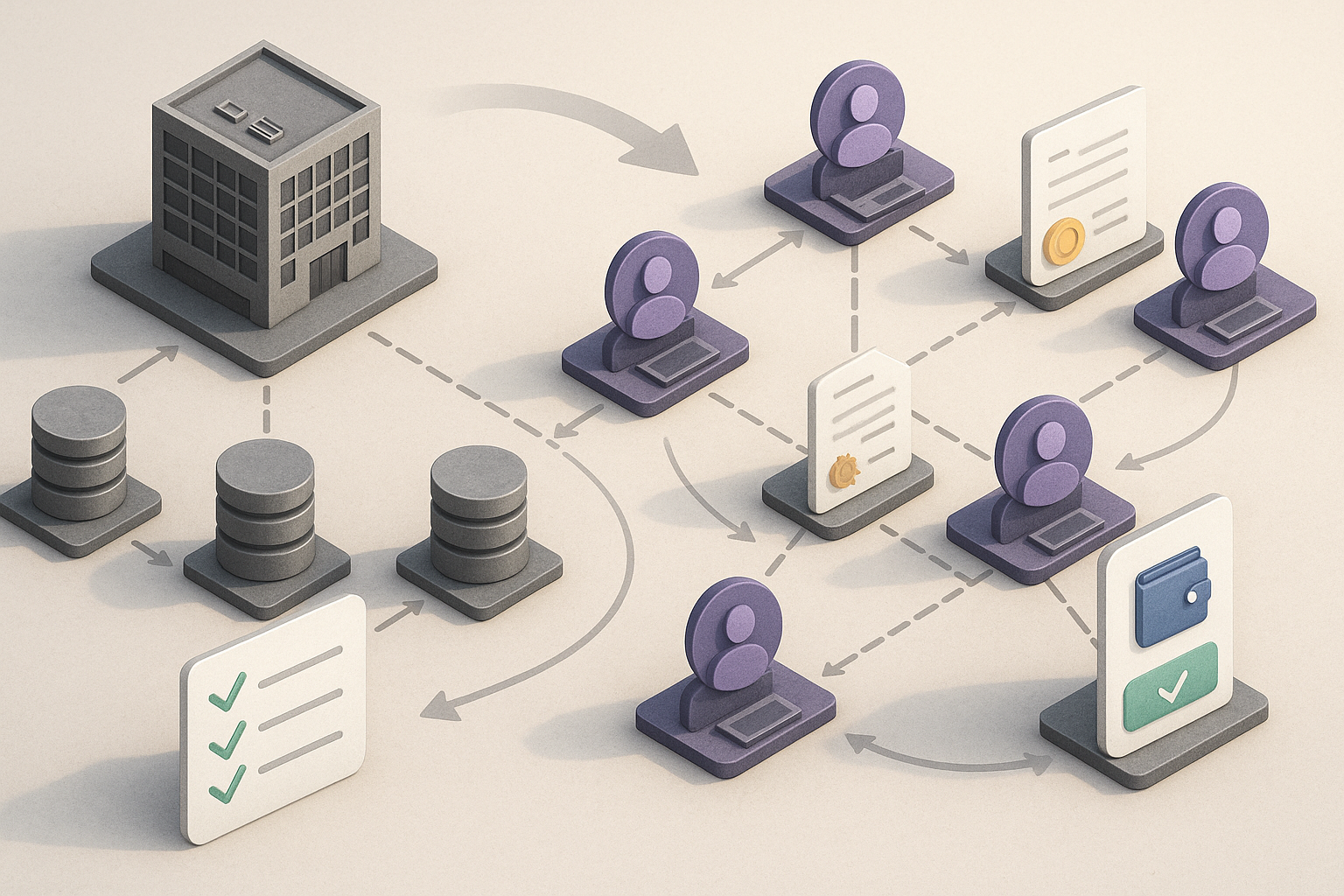
Phygital NFTs link a real object to a blockchain token so ownership, authenticity, and benefits move with the item—online and offline. In plain terms: a product carries a scannable or cryptographically verifiable identifier, and an NFT represents that product on-chain with transfer, perks, and provenance built in. This article shows you how to build that bridge end-to-end without gimmicks, focusing on secure tagging, on-chain models, user onboarding, compliance, and measurable outcomes.
Disclaimer: This guide is educational and not legal, financial, or security advice. For compliance or tax questions, consult qualified professionals.
At a glance, a phygital rollout follows these steps: define the token model, select a tag tech, design the binding flow, mint and claim, verify authenticity, manage custody and redemption, gate benefits, standardize data, protect privacy, operationalize labeling and returns, analyze metrics, and iterate.
When you get these foundations right, you reduce counterfeits, add traceability, and unlock new experiences—while keeping the user flow simple enough for anyone with a phone.
1. Choose a token model that matches the product and program
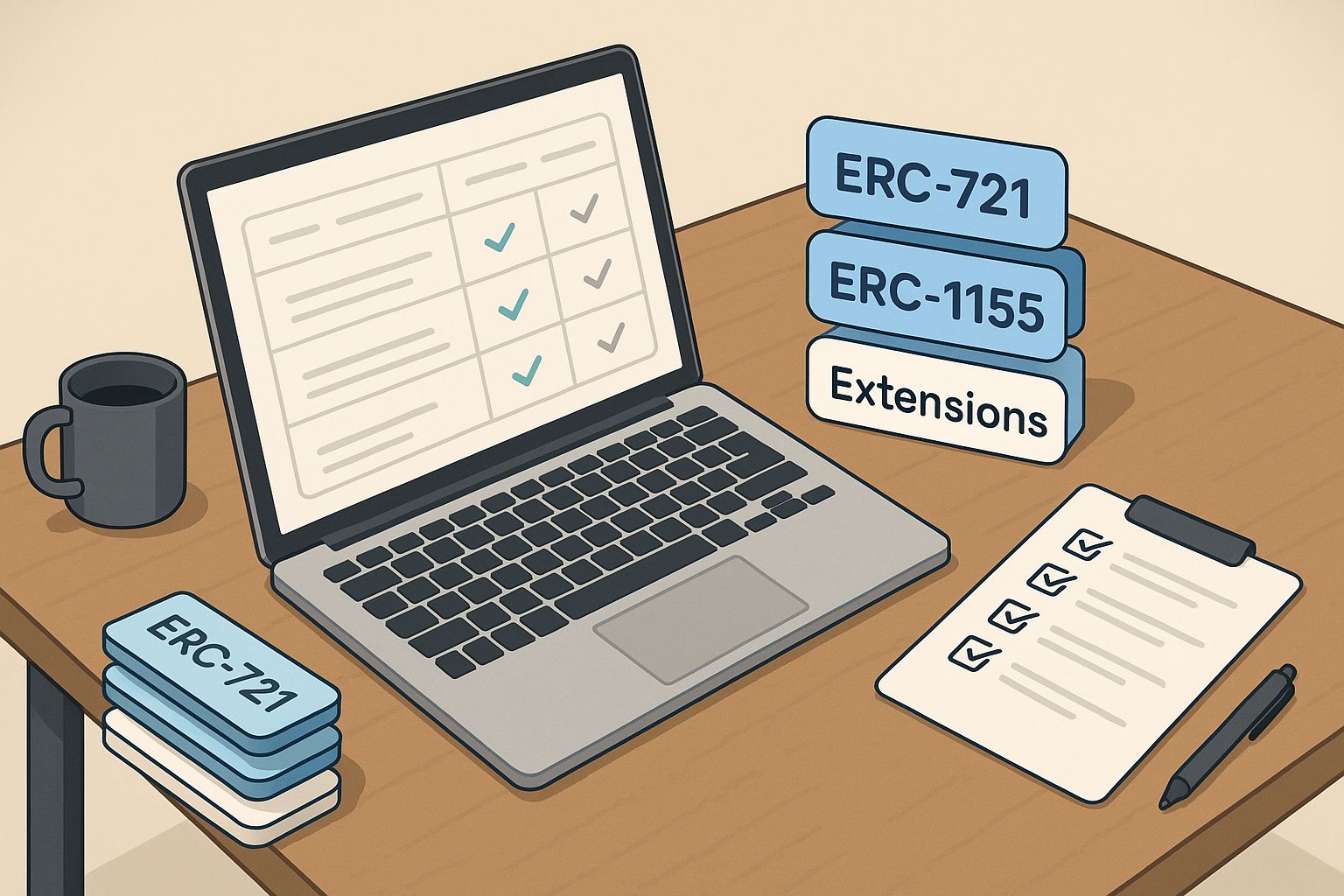
Start by choosing whether each physical item maps to a unique token or a class of tokens. If every piece is one-of-a-kind—art, collectibles, serialized devices—use a non-fungible model so one token equals one object. If you sell many identical units—trading cards, accessories, components—consider a multi-token model where a single contract can represent both unique items and batches. Decide early whether the token will always track the object (“never separate”), may be redeemed (“burn on redemption”), or can be transferred independently (“claimable perks”). This decision shapes your smart contract, claim flow, and customer promises.
How to do it
- One-to-one uniqueness: Model each item as an NFT with a serial number and immutable manufacture data.
- Mixed inventory: Use a multi-token standard to handle editions and SKUs in one contract.
- Transfer semantics: Document whether the NFT must follow the object on resale (mandatory transfer) or can be held separately (membership utility).
- Metadata strategy: Separate immutable facts (origin, materials) from mutable lifecycle events (repair, owner notes).
- Extensibility: Reserve fields for future modules (e.g., repair logs, sustainability scores).
Numbers & guardrails
- Per-contract gas complexity: Multi-token designs often reduce deployment and transfer overhead versus many single-token contracts.
- Serial granularity: If you ship 100,000 units, plan for six-digit serials and indexing for fast queries.
Synthesis: Pick the token model to fit the product reality first; your choices here prevent painful migrations later.
2. Bind the object with a trustworthy, user-friendly identifier
Your physical-to-digital bridge lives in a tag—usually QR, NFC, or secure NFC—attached to the product or packaging. QR is inexpensive and universal but easy to copy. NFC is better UX (tap to read) and harder to duplicate. Secure NFC adds cryptographic challenge-response so each tap proves “this is the original chip,” not a screenshot. Think through placement (visible vs hidden), durability (wash cycles, heat, abrasion), and tamper evidence.
How to do it
- Choose tech:
- QR: lowest cost, acceptable for low-risk items or packaging.
- NFC Type 2: improved UX, basic uniqueness.
- Secure NFC (Type 4 with crypto): tap-unique, anti-clone protection for high-value goods.
- Placement: Hide in a tongue, label, or cavity; avoid metal detuning for NFC; test with phone cases.
- Encoding: Use short links (GS1 Digital Link or deep links) and rotate dynamic parameters for QR; use crypto challenges for secure NFC.
- Durability: Select heat/chemical-resistant inlays; validate in real use (sweat, soap, sun).
- Fallback: Always print a human-readable code for customer support.
Quick comparison (choose one)
| Tag type | Approx unit cost | Clone resistance | UX | Best for |
|---|---|---|---|---|
| QR label | very low | low | scan camera | packaging, low-risk |
| NFC label | low–mid | medium | tap phone | apparel, toys |
| Secure NFC (crypto) | mid | high | tap phone | luxury, devices |
Mini case
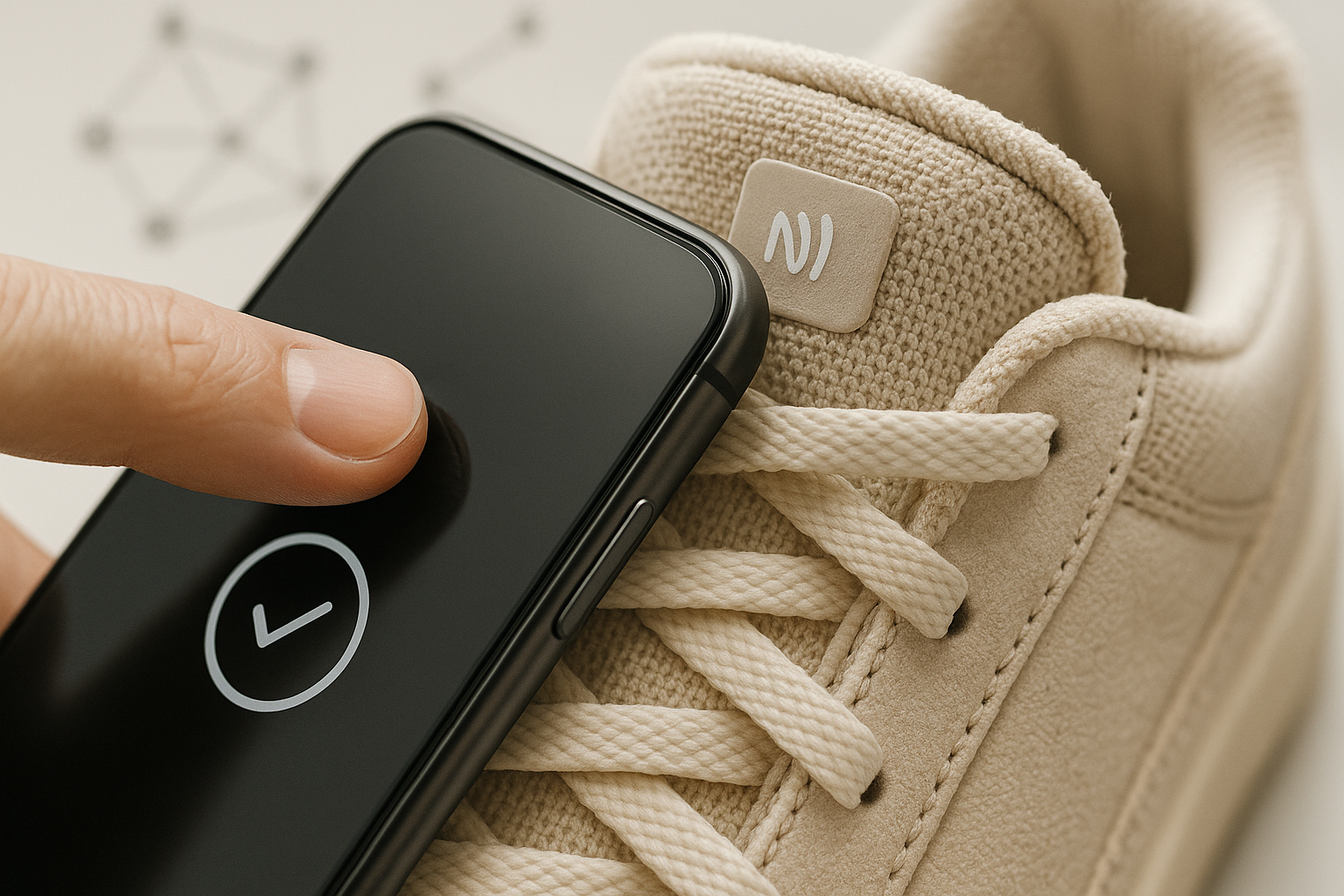
A limited sneaker run (5,000 pairs) uses secure NFC in the tongue plus a printed fallback inside the box. Tap-to-claim conversion reaches 65–75% when the claim screen loads in <2 seconds; counterfeit returns drop after staff learn to tap-verify at intake.
Synthesis: Tag choice determines both UX and security; for valuable items, secure NFC is usually worth the incremental cost.
3. Design the on-chain binding and redemption rules
Binding defines how the token and object relate across their life. You can bind on mint (token created with the item), bind on claim (buyer mints or receives after purchase), or bind on scan (first tap assigns ownership). Define the separation policy: some programs allow redemption (burn token to receive the item from a vault), others require the token to move with the physical good (no-separation), and others let them diverge (token carries perks independent of the item).
How to do it
- State machine: Draft states like manufactured → minted → claimed → transferred → redeemed → retired.
- Custody design: If items ship from a vault, represent redeemable vouchers on-chain; burning triggers fulfilment.
- No-separation mode: Use chip-to-token linkage that updates on physical transfer (scan-to-transfer).
- Perks mode: Keep ownership separate and grant token-gated access even if the object is gifted.
- Graceful loss handling: Support rebind workflows if a component (e.g., a jersey patch) is replaced by an authorized service center.
Numbers & guardrails
- Redemption windows: Typical windows are 30–180 days for vault redemptions; document fees and re-shipping rules.
- Transfer frictions: Keep transfer steps ≤ 3 screens or you’ll lose casual users.
Synthesis: Clear binding rules avoid disputes and keep your community’s expectations aligned with what the token actually does.
4. Capture provenance and lifecycle events that matter
A phygital program shines when it records provenance (origin, ownership) and lifecycle (repairs, authentication scans, custody changes) in ways that are queryable and privacy-respecting. Not every event belongs on public chain; some metadata can live off-chain with verifiable logs that anchor hashes on-chain.
How to do it
- Event schema: Define events like Manufactured, QualityChecked, Claimed, OwnershipTransferred, Repaired, Authenticated, Redeemed, Retired.
- On- vs off-chain: Store public facts on-chain; keep private or bulky data in signed records (e.g., Verifiable Credentials) with on-chain anchors.
- Serial alignment: Re-use manufacturing serials to reduce reconciliation.
- Time ordering: Use monotonic counters and server-timestamped credentials to prevent replay confusion.
- APIs: Offer read endpoints for marketplaces and after-sales apps.
Mini case
A guitar maker logs Manufactured → Claimed → Setup Service → OwnershipTransferred. Service centers issue signed credentials for setups and repairs; the contract records only credential hashes. Resale prices increase 10–15% when buyers can verify a full service history from their phone.
Synthesis: Rich, structured lifecycle data builds trust and resale value without leaking unnecessary personal information.
5. Make onboarding effortless for non-crypto users
Most buyers don’t have wallets. Your claim flow should feel like signing into any modern app, then upgrade power users to self-custody. Offer passkeys or email magic links that create a smart account behind the scenes, and let users later export to a wallet. Keep taps and scans fast; auto-detect mobile wallets; and don’t force people to learn jargon before they get value.
How to do it
- Passwordless: Use email or passkeys; create a wallet silently; show a friendly “you now own this item” screen.
- Social recovery: Encourage adding two recovery methods so accounts aren’t lost with a phone.
- Gas strategy: Cover gas via meta-transactions or settle on a low-fee network; batch events when possible.
- Contextual education: Inline helpers (“What’s a wallet?”) instead of sending users to a glossary.
- Export path: Provide an easy “Export to Wallet” action with clear warnings about key safety.
Numbers & guardrails
- Claim success: Aim for >70% claim completion when the claim starts within 3 seconds of scan/tap.
- Support load: Expect 1–2% of claims to need human help; build macros and a self-serve flow.
Synthesis: Treat wallets as infrastructure, not homework—people should feel ownership immediately after their first tap.
6. Verify authenticity with cryptography, not just links
A simple link proves nothing. Challenge-response chips produce a tap-unique code that your server verifies; if the math checks out, you know the tag is genuine. Pair this with server-side risk checks (location velocity, unusual patterns) and on-chain checks (token state). Train staff to authenticate returns and high-value sales with a tap, not a visual once-over.
How to do it
- Secure NFC: Use chips that support AES-based challenge-response; verify with your backend per tap.
- Risk engine: Flag impossible travel, too-frequent taps, or known bad IP ranges.
- On-chain guards: Reject actions if the token is redeemed or retired.
- Store tools: Give staff a verification app with a single “genuine / not genuine” result.
- Consumer flow: After a tap, show a friendly green check plus contextual info (edition number, last owner transfer).
Mini case
A boutique enables cryptographic tap verification on handbags. Counterfeit returns drop by >60% within a month of rollout; customer service time per authenticity check falls from 10 minutes (manual photos) to <1 minute (tap-verify).
Synthesis: When authenticity relies on math instead of screenshots, both customers and staff gain confidence.
7. Plan custody, vaulting, and redemption without confusion
Some programs mint tokens first and ship items later, or keep items in a vault until redeemed. Others require the token to follow the physical item at all times. If you support redemption, make the policy explicit: is redemption burn-to-redeem (token destroyed) or mark-as-redeemed (token persists but changes state)? Document who pays shipping, what happens to damaged items, and how to handle lost tags.
How to do it
- Clear statuses: Unredeemed, Redeemed, InTransit, Returned.
- Burn or not: Burn removes confusion but loses a digital trail; non-burn retains community utility but needs clear labeling.
- Proof of reserve (optional): For vaulted inventory, expose machine-readable proofs that the vault holds the goods promised.
- Lost tag playbook: Allow authorized service centers to re-tag and issue a signed rebind credential.
Numbers & guardrails
- Redemption SLAs: Commit to 2–5 business-day pick/pack windows; set a 30–90 day redemption deadline when appropriate.
- Fees: Keep redemption fees transparent; hidden costs erode trust.
Synthesis: Tidy custody rules reduce disputes and create a smoother collector and customer experience.
8. Use token-gated commerce to deliver real benefits
The simplest utility is often the best: let owners tap or connect a wallet to unlock perks. Think exclusive drops, member pricing, repair bookings, or venue access. Integrate with your storefront so checkout knows whether a wallet holds the right token and unlocks the benefit automatically. Keep fraud prevention in mind: don’t rely on screenshots, and avoid sharing raw wallet data with vendors.
How to do it
- Gate types: Private product pages, early access windows, event tickets, or “owner upgrades.”
- Eligibility: Check specific token IDs, editions, or traits; support allowlists for collaborations.
- UX: Detect wallet, show eligibility instantly, and let users buy without re-connecting at every step.
- Security: Verify on server; sign short-lived session tokens so perks aren’t reused by link sharing.
Mini case
A streetwear brand gives phygital jacket owners 48-hour early access to new colorways and a 10% service discount. Card-not-present chargebacks drop because gated pages reduce scalper traffic, and email capture improves when people opt into owner announcements.
Synthesis: Utility earns loyalty—if ownership unlocks clear value, customers will actually use your phygital features.
9. Align with data standards for interoperability
Standards reduce integration headaches. Use GS1 Digital Link to encode product identifiers in URLs that work across scanners and retailers. Track sustainability and compliance information in a digital product passport structure. For portable proofs (e.g., “this item was serviced by X”), use Verifiable Credentials (VCs) signed by service providers. For decentralized identifiers, use DIDs so entities can prove control without central registries.
How to do it
- Identifiers: Map your SKU/serial to GS1 fields; keep consistent across QR and NFC payloads.
- Passports: Store material, repairability, and recycling fields in a structured model; link from the token metadata.
- VCs & DIDs: Issue signed credentials for service, appraisal, or authenticity checks; verify on tap or transfer.
- APIs: Provide standard endpoints so marketplaces and partners can read public passport data.
Numbers & guardrails
- Payload size: Keep QR payloads short (< 80 characters) for reliable scans; push detail behind web endpoints.
- Survivability: If a link scheme changes, honor old links indefinitely via redirects to prevent “orphaned” items.
Synthesis: Standards future-proof your program and make it easier for partners and regulators to trust your data.
10. Respect privacy and regional rules from day one
A phygital tag is a doorway; don’t turn it into a tracking device. Avoid collecting precise location without consent, minimize personal data, and let users delete accounts or unlink items. Be clear about what a tap shares, and give an obvious “continue as guest” path. If you operate in multiple regions, align your flows with local data and consumer laws.
How to do it
- Minimize: Log anonymous tap counts by default; collect personal data only when needed for services (e.g., repairs).
- Consent: Use clear, plain-language prompts; defer non-essential analytics until consent is given.
- Unlinking: Support transferring or unlinking ownership without exposing prior owners.
- Retention: Set sane defaults (e.g., anonymize raw logs after 30–90 days).
- Vendor reviews: Ensure your tag/printing and fulfilment partners follow the same standards.
Mini checklist
- Explain data use at first tap
- Offer deletion and export
- Avoid storing raw wallet addresses with PII
- Rotate any device identifiers regularly
- Document incidents and responses
Synthesis: Privacy protections aren’t just compliance—they build the trust that keeps customers tapping.
11. Nail operations: labeling, returns, and replacements
The magic fails if operations fail. Plan how tags are printed or embedded, how quality checks catch dead chips or misprints, and how returns are authenticated. Document what happens when a tag is damaged, when packaging is replaced, or when an owner sells the item in person. Train staff to scan quickly, verify results, and explain benefits.
How to do it
- Labeling SOP: Define where to place tags, how to avoid metal detuning, and how to protect from abrasion.
- QC gates: Test 100% of secure NFC tags before they leave the factory; spot-check QR readability.
- Returns: Require tap verification for high-value returns; log result to the token’s history.
- Replacements: If a tag dies, authorized centers install a new tag and issue a signed rebind record.
- Education: Provide a one-page guide at retail (“Tap here to claim; here’s what you get”).
Numbers & guardrails
- Tag failure: Expect <1% failure for quality inlays; treat anything higher as a vendor issue.
- Packaging loss: If a tag is only on the box, 10–20% of items may lose their identity post-unboxing—embed tags in the product instead.
Synthesis: Clear, boring processes are how phygital programs work reliably at thousands of units, not just in pilots.
12. Measure what matters and improve continuously
Treat your phygital launch like a product with KPIs, not a stunt. Track claim rate, repeat taps, owner transfer rate, gated-conversion uplift, counterfeit intercepts, and support tickets per 1,000 items. Run A/B tests on claim screens, copy, and flows, and publish learnings to your team and community. Use analytics to catch anomalies—sudden spikes in taps from one location might indicate diversion or counterfeits.
How to do it
- Core metrics: Claim completion, median claim time, first-week tap rate, owner retention after resale, and NPS for owners.
- Funnel tuning: Test faster landing pages (< 2 seconds), shorter forms, and auto-wallet detection.
- Fraud analytics: Flag unusual scan patterns; require staff override for risky returns.
- Feedback loops: Add a “Was this helpful?” on verification pages; turn themes into fixes within one release cycle.
Mini case
A collectibles brand ships 25,000 phygital figures. Initial claim rate is 58%. After preloading copy and images, adding passkey sign-in, and compressing assets, claim rate climbs to 78% and support emails drop by 40%. Gated-drop conversion is 1.6× higher for claimed owners than for the general list.
Synthesis: Make metrics visible, iterate ruthlessly, and your phygital program will keep compounding value over time.
Conclusion
Phygital NFTs work when three pillars align: a secure identifier that proves the object is real, a clear on-chain model that encodes how ownership and benefits travel, and a simple user flow that turns taps into delight instead of confusion. From there, you can layer provenance, service history, and gated experiences that keep customers engaged and confident through resale and repairs. Choose standards that will outlive any single vendor, keep privacy central, and sweat the operational details—because tags, labels, and returns are where great concepts become great experiences. If you follow the 12 practices above, you’ll ship a program that customers actually use, staff can support, and partners can integrate with—today and as it grows. Ready to plan your first pilot? Start by choosing the token model and tag type, and run a small batch you can measure.
FAQs
What is a phygital NFT in simple terms?
A phygital NFT is a blockchain token that represents a specific physical item. The item carries a scannable or cryptographic tag; scanning connects you to the token, which proves ownership, unlocks benefits, and records history. Unlike a normal QR link, secure implementations use cryptography so taps prove you’re seeing the original chip, not a copy.
Does the NFT have to be destroyed when I redeem or ship the physical item?
Not necessarily. Some programs require burn-to-redeem so the token cannot circulate without the item. Others mark the token as redeemed but keep it for community perks. Both approaches can work—what matters is that the rule is clear before purchase and enforced in the smart contract and customer messaging.
Aren’t QR codes easy to fake?
Yes—QR alone is copyable. That’s why higher-value goods prefer secure NFC with challenge-response. Your server checks a tap-unique cryptographic signature, making clones impractical. If you must use QR, add risk checks, rotate link tokens, and keep sensitive actions behind authenticated sessions.
How do I transfer ownership when selling the physical item?
The smoothest flow is scan-to-transfer: the seller taps the item, selects “Transfer,” and the buyer taps to accept. The backend verifies the chip and updates the on-chain owner. In person, staff can assist with the same flow. For remote sales, ship with instructions and a time-boxed handover voucher.
What happens if a tag is damaged or removed?
Allow authorized re-tagging. A service center installs a new tag and issues a signed rebind record that updates the token’s metadata while preserving provenance. Avoid DIY rebinds, which open the door to fraud. Keep records of who performed the service and when.
Which blockchain should I use for phygital NFTs?
Pick a chain or layer that balances fees, tooling, and security for your audience. Low fees matter for claim and transfer; rich tooling matters for storefronts and wallets. Many brands deploy on widely supported networks for compatibility, then abstract the choice from end users through smart accounts and meta-transactions.
What data belongs on-chain versus off-chain?
Public, durable facts (serials, edition, manufacture) often fit on-chain. Sensitive or bulky data (repair invoices, addresses) should live off-chain as signed credentials whose hashes are anchored on-chain. This gives you auditability without exposing personal information.
Can phygital NFTs help with counterfeits?
They can reduce them significantly when you combine cryptographic tags, server-side risk checks, and trained staff. Returns and intake processes improve when authentication is a tap, not a photo exchange. The effect depends on execution: placement, chip choice, and SOPs all matter.
How do digital product passports relate to phygital NFTs?
A digital product passport is a structured dataset about materials, repairs, and sustainability. Phygital NFTs can link to and sign these datasets, giving consumers a one-tap path to trusted product information and giving regulators standardized data. Using GS1 and credential standards keeps your program interoperable.
What metrics should I track to know it’s working?
Start with claim rate, tap frequency, transfer rate, gated conversion uplift, and counterfeit intercepts. Add support tickets per 1,000 items and owner satisfaction. Use these to prioritize UX fixes (e.g., faster pages, passkey sign-in) and to justify continued investment.
References
- ERC-721: Non-Fungible Token Standard, Ethereum Improvement Proposals (EIPs), Jan 24, 2018 — https://eips.ethereum.org/EIPS/eip-721
- ERC-1155: Multi-Token Standard, Ethereum.org Developers Docs, Sep 16, 2025 — https://ethereum.org/developers/docs/standards/tokens/erc-1155/
- GS1 Digital Link, GS1 Standards, n.d. — https://www.gs1.org/standards/gs1-digital-link
- Verifiable Credentials Data Model v2.0, World Wide Web Consortium (W3C), May 15, 2025 — https://www.w3.org/TR/vc-data-model-2.0/
- Decentralized Identifiers (DIDs) v1.0, World Wide Web Consortium (W3C), n.d. — https://www.w3.org/TR/did-core/
- Ecodesign for Sustainable Products Regulation: Digital Product Passport, European Commission, n.d. — https://commission.europa.eu/energy-climate-change-environment/standards-tools-and-labels/products-labelling-rules-and-requirements/ecodesign-sustainable-products-regulation_en
- Introducing the Physical Backed Token (PBT), Azuki (Chiru Labs), n.d. — https://www.azuki.com/blog/pbt
- About NFT Distribution, Shopify Developer Docs, n.d. — https://shopify.dev/docs/apps/build/blockchain/nft-distribution
- NTAG 424 DNA – Secure NFC Type 4 Tag (Datasheet), NXP Semiconductors, Jan 31, 2019 — https://www.nxp.com/docs/en/data-sheet/NT4H2421Gx.pdf
- Proof of Reserve, Chainlink Docs, n.d. — https://chain.link/proof-of-reserve
- Aura Blockchain Consortium: Solutions and Insights, Aura Blockchain Consortium, various — https://auraconsortium.com/solutions
- GS1 Digital Product Passport (Provisional Standard), GS1, n.d. — https://www.gs1.org/standards/standards-emerging-regulations/DPP